
Stainless steel is everywhere in modern kitchens. From pots and pans to cutlery and appliances, it’s the material many cooks trust. But a common question remains: Is stainless steel safe for cooking? This question matters, especially with concerns about chemicals, heavy metals, and the long-term effects of cookware on our health.
People choose stainless steel because it looks good, lasts long, and is easy to clean. But not everyone knows what stainless steel really is, how it reacts with food, or if it can leach anything harmful. There’s a lot of information online—some clear, some confusing.
This article will give you solid, research-based answers in clear English.
You’ll discover what makes stainless steel unique, how it behaves when you cook with it, and what science says about its safety. You’ll also see how it compares to other cookware materials, what grades of stainless steel are best for cooking, and how to care for it.
By the end, you’ll know if stainless steel is the right choice for your kitchen.
What Is Stainless Steel?
Stainless steel isn’t just “shiny metal.” It’s a special type of alloy—which means it’s made by mixing iron with other elements. The key ingredients are:
- Iron (the main metal)
- Chromium (at least 10.5% by weight)
- Nickel (in many grades)
- Other metals like manganese and molybdenum (in some cases)
The chromium is most important. When exposed to air, it forms a thin layer of chromium oxide on the surface. This layer is what makes stainless steel “stainless” by protecting it from rust and corrosion.
Different grades of stainless steel have different amounts of these elements. For cookware, the most common grades are 304 (also called 18/8 or 18/10) and 316. The numbers refer to the percentage of chromium and nickel:
- 18/8: 18% chromium, 8% nickel
- 18/10: 18% chromium, 10% nickel
These numbers matter because they affect how the steel resists corrosion, how it reacts with food, and how safe it is.
Why Is Stainless Steel Popular For Cooking?
Stainless steel has become a favorite in both home and professional kitchens. Let’s look at the main reasons:
1. Resistant To Rust And Staining
The chromium in stainless steel stops rust. This is a big advantage over materials like cast iron, which can rust if not cared for.
2. Doesn’t React With Most Foods
Unlike aluminum or copper, stainless steel usually doesn’t react with acidic or alkaline foods. That means no metallic taste or weird colors in your food.
3. Very Durable
Stainless steel cookware can last for decades. It’s hard to scratch, chip, or break. Many people use the same pans for 20 years or more.
4. Easy To Clean
Most stainless steel cookware can handle scrubbing, dishwashers, and even steel wool.
5. Non-porous Surface
The smooth, non-porous surface doesn’t absorb flavors or bacteria.
6. Attractive Look
Stainless steel looks modern and stays shiny with little effort.
7. High Heat Tolerance
You can use stainless steel pans at very high temperatures without damage.
These benefits explain why so many chefs and home cooks choose stainless steel. But is it completely safe?
Credit: www.pureandsimplenourishment.com
Is Stainless Steel Cookware Safe?
The short answer is: Yes, stainless steel is generally safe for cooking. It’s used in hospitals, restaurants, and homes around the world. But, as with any material, there are details to understand.
Can Stainless Steel Leach Metals Into Food?
All metals can leach tiny amounts into food, especially when heated. With stainless steel, the main concerns are nickel and chromium. Both are part of the alloy, and both can move into food under certain conditions.
What The Research Says
Studies show that well-made stainless steel cookware leaches very low amounts of these metals. For most people, these levels are not dangerous. According to a 2013 study in the “Journal of Agricultural and Food Chemistry,” the amount of nickel and chromium released is much lower than the daily limits set by health authorities.
But there are a few exceptions:
- Cooking acidic foods (like tomato sauce, vinegar, or lemon juice) can increase leaching.
- Long cooking times (hours instead of minutes) can also increase metal transfer.
- Brand new cookware sometimes leaches more in the first few uses.
For most people, the small amount of nickel and chromium from stainless steel is not a health risk. But people with nickel allergies or chromium sensitivity should be careful.
Which Grades Of Stainless Steel Are Safest?
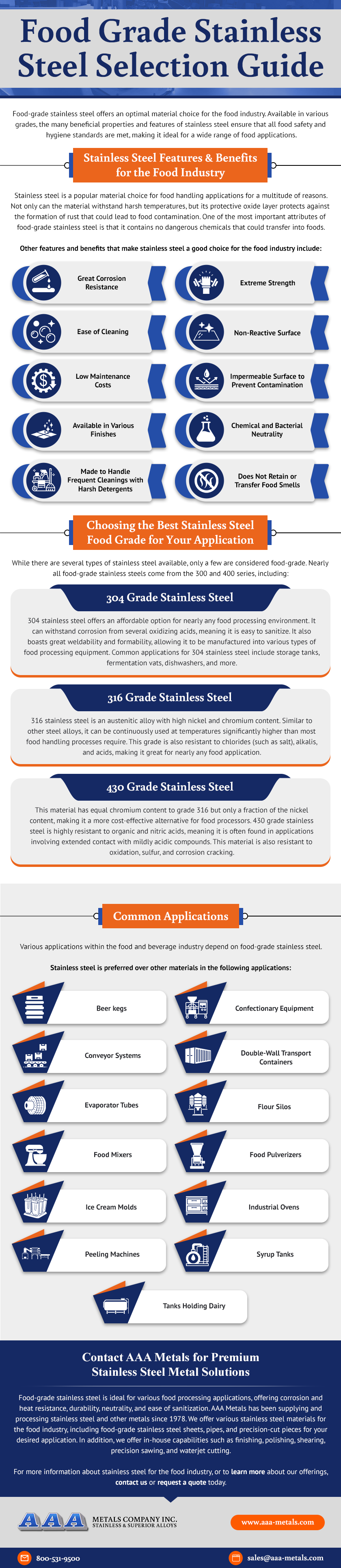
Not all stainless steel is the same. The 304 and 316 grades are most common for cookware. Here’s a quick comparison:
| Grade | Chromium (%) | Nickel (%) | Best Uses | Safety Notes |
|---|---|---|---|---|
| 304 (18/8, 18/10) | 18 | 8 or 10 | Pots, pans, bowls | Safe for most people, contains nickel |
| 316 | 16-18 | 10-14 | Medical, high-end cookware | Even more corrosion-resistant, still contains nickel |
| 430 | 16-18 | 0 | Budget cookware, induction-ready | No nickel, but less corrosion resistance |
304 and 316 are safest for cooking and most resistant to corrosion. 430 grade doesn’t have nickel, which is good for people with allergies, but it’s not as durable.
What About “cheap” Stainless Steel?
Not all stainless steel cookware is high quality. Low-cost products may use lower grades of steel, have thin coatings, or poor construction. These can leach more metals or even rust over time. Always check for reputable brands and clear labeling (like “18/10 stainless steel”).
How Does Stainless Steel Compare To Other Cookware?
To understand stainless steel’s safety, it helps to compare it to other common cookware materials.
| Material | Leaching Risk | Durability | Reactivity with Food | Notes |
|---|---|---|---|---|
| Stainless Steel | Very Low | Excellent | No (most foods) | Best all-rounder |
| Aluminum (uncoated) | Medium | Fair | Yes (acidic foods) | Lightweight but can affect taste |
| Copper (uncoated) | High | Good | Yes | Often lined with steel or tin |
| Cast Iron | Low (iron only) | Excellent | Yes (acidic foods) | Can rust, heavy |
| Non-stick (Teflon) | Very Low (unless scratched) | Fair | No | Risk if overheated or damaged |
| Ceramic | Very Low | Good | No | Can chip easily |
Stainless steel stands out for its low leaching risk, high durability, and minimal reactivity. Unlike aluminum or copper, it doesn’t affect the taste of your food or react with acids. It’s also safer than non-stick pans if you cook at high heat.
Are There Any Health Risks With Stainless Steel?
Most people have no issues using stainless steel. But two groups should be careful:
1. People With Nickel Allergy
Stainless steel contains nickel, which can cause skin or digestive reactions in sensitive people. If you have a severe nickel allergy, choose “nickel-free” cookware (like 430 grade) or use glass, ceramic, or enamel-coated pots instead.
2. People With Chromium Sensitivity
Chromium is less common as an allergen, but some people may react to it. The risk is small, but if you’ve had reactions before, consult your doctor.
How Much Metal Actually Leaches Into Food?
Research gives us some numbers. In one study, cooking tomato sauce in stainless steel for 6 hours resulted in:
- Nickel: About 0.14 mg per 100 g of sauce
- Chromium: About 0.05 mg per 100 g of sauce
The tolerable daily intake for nickel is about 0.2–0.3 mg per kg of body weight. That means an average adult would have to eat several kilograms of tomato sauce every day to reach unsafe levels.
For most people, these amounts are far below what is considered dangerous.
Are There Ways To Reduce Leaching?
Yes. Here are practical tips:
- “Season” new cookware: Boil water or cook a batch of food you don’t plan to eat (like potatoes) to remove surface residues.
- Avoid long-term storage: Don’t leave acidic foods in stainless steel pots for hours or overnight.
- Use high-quality cookware: Well-made pots and pans leach less.
- Avoid harsh cleaners: Abrasive powders can scratch the surface and increase leaching.
- Dry thoroughly: Prevents rust and protects the surface layer.
Pros And Cons Of Stainless Steel For Cooking
No cookware material is perfect. Here’s a clear look at the main benefits and drawbacks.
Advantages
- Safe for most foods
- Highly durable—lasts for decades
- No coating to wear off
- Good for browning and searing
- Easy to clean
- Non-reactive with most ingredients
- Oven and dishwasher safe
Disadvantages
- Can stick: Not naturally non-stick, so eggs and fish can stick unless you use oil or proper technique.
- Weight: High-quality stainless steel can be heavy.
- Nickel content: Not suitable for people with strong nickel allergies.
- Expensive: Good stainless steel cookware costs more upfront.
How To Choose Safe Stainless Steel Cookware
Buying the right cookware is important for both safety and performance. Here’s what to look for:
1. Check The Grade
Look for 18/10 or 18/8 (304) stainless steel. If you have a nickel allergy, look for 430 grade (no nickel).
2. Try For “tri-ply” Or “multi-ply”
The best stainless steel pans have a core of aluminum or copper sandwiched between layers of stainless steel. This improves heat distribution.
3. Reputable Brands
Choose cookware from trusted brands. They use high-quality steel and proper manufacturing.
4. Clear Labeling
Good pans are marked with their steel grade and if they’re dishwasher/oven safe.
5. Solid Handles And Construction
Riveted or welded handles are safer than glued-on ones.
6. Avoid Non-food Stainless Steel
Not all “stainless steel” is made for cooking. Avoid items not labeled as food-grade.
Common Buyer Mistakes
- Buying very cheap cookware: Often uses lower grades or thin steel, which can warp or rust.
- Ignoring the steel grade: Not all stainless steel is food-safe.
- Not checking for compatibility: If you use induction, make sure the pan is “induction ready.”
Caring For Stainless Steel Cookware
Taking care of your stainless steel pans keeps them safe and looking good.
Cleaning Tips
- Let pans cool before washing: Sudden temperature changes can warp the metal.
- Use warm, soapy water and a soft sponge.
- For stuck-on food: Soak with hot water, then scrub with a nylon pad.
- Remove stains with baking soda or a vinegar solution.
- Avoid harsh abrasives: Steel wool is okay for tough spots, but don’t overdo it.
- Dishwasher safe: Most stainless steel pans can go in the dishwasher, but check the label.
Cooking Tips
- Preheat the pan: Heat the pan before adding oil or food for better non-stick results.
- Use enough oil: A thin layer of oil can help prevent sticking.
- Don’t overheat: High heat is fine, but don’t leave an empty pan on high heat for long—it can discolor.
- Avoid storing salty or acidic foods in the pan.
Removing Discoloration And Stains
Sometimes, stainless steel develops rainbow stains or white spots. This is usually from minerals in water or overheating. To fix:
- Sprinkle baking soda on the pan.
- Add a little water to make a paste.
- Scrub gently.
- Rinse and dry.
For tough stains, use a little vinegar or a stainless steel cleaner.
Credit: www.aaa-metals.com
Myths And Misunderstandings About Stainless Steel
There’s a lot of wrong information out there. Let’s clear up a few common myths:
“stainless Steel Is 100% Safe For Everyone.”
This is almost true, but not for people with severe nickel allergies. For them, even small amounts of nickel can cause problems. For most people, stainless steel is safe.
“stainless Steel Never Leaches Anything.”
It’s true that leaching is very low, but no cookware is 100% inert. Tiny amounts of nickel and chromium can move into food, especially with acidic dishes cooked for long periods.
“all Stainless Steel Is The Same.”
Not at all. There are many grades, and not all are suitable for cooking. Some cheap products use lower-quality steel.
“stainless Steel Is Non-stick.”
No. Stainless steel is not non-stick by itself. With proper technique, you can make it almost non-stick, but eggs and fish may stick without enough oil or the right temperature.
Environmental Impact Of Stainless Steel
People often ask if stainless steel is good for the environment. The answer is mostly yes, for a few reasons:
- Long lifespan: Stainless steel pots can last decades, reducing waste.
- 100% recyclable: Old stainless steel can be melted down and reused.
- No chemical coatings: Unlike non-stick pans, there’s no Teflon to wear off and enter the environment.
But making stainless steel does use energy and raw materials. The environmental impact is much lower than disposable non-stick pans or low-quality cookware that must be replaced often.
Stainless Steel In Professional Kitchens
Walk into almost any restaurant kitchen and you’ll see stainless steel everywhere. Chefs love it because:
- It handles high heat and heavy use.
- It’s safe for most foods.
- It’s easy to keep clean and sanitary.
Professional kitchens also use 316 grade stainless steel for food prep tables and sinks—because it’s even more resistant to corrosion.
Stainless Steel And Induction Cooking
Induction stoves use magnets to heat pans. Not all stainless steel works with induction. For induction, you need magnetic stainless steel (often 430 grade). If a magnet sticks to the bottom of your pan, it will work with induction.
Many modern pans are labeled “induction ready. ” If you use induction, check before you buy.
Stainless Steel And Food Taste
Some people worry that stainless steel affects the taste of food. For most dishes, it doesn’t. Because stainless steel is non-reactive, it won’t make your tomato sauce taste metallic or change the color of your curry. This is a big advantage over aluminum or copper pans.
The only time you might taste metal is if you cook very acidic foods for a long time, especially in new or poor-quality cookware. For most home cooks, this isn’t a problem.
How To Tell If Your Stainless Steel Is Good Quality
Here are easy ways to check:
- Check for grade markings: Look for “18/10,” “18/8,” or “304” stamped on the bottom.
- Feel the weight: Good pans are heavier and feel solid.
- Test with a magnet: 304 is usually non-magnetic, 430 is magnetic (good for induction).
- Look for triple-ply or five-ply construction: These pans have layers for better heat and strength.
- Inspect the finish: Smooth, mirror-like finish is a sign of quality.
Cheap pans might have rough edges, loose handles, or feel thin and light. These are signs of poor construction.
Stainless Steel And Food Safety Regulations
Stainless steel used for cookware must meet strict standards. In the US, the Food and Drug Administration (FDA) approves only certain grades for food contact. In Europe, similar regulations apply. Always buy cookware from trusted stores and brands.
Should You Avoid Stainless Steel For Any Foods?
For most foods, stainless steel is great. The only exception is very acidic foods (like tomato sauce, rhubarb, or citrus) cooked for a long time. If you often cook these, you might use glass, ceramic, or enamel-coated pots for those dishes.
What About “stainless Steel Coating” On Other Cookware?
Some cookware (like aluminum pans) is coated with a thin layer of stainless steel. This is called “clad” cookware. As long as the food only touches the stainless steel, the safety profile is the same as solid stainless steel.
But if the coating wears off, the food can touch the core metal (like aluminum), which may not be as safe. Inspect your pans for scratches or damage.
Non-obvious Insights Beginners Miss
- First few uses leach the most: The amount of nickel and chromium released drops sharply after the first few uses. “Seasoning” new pans with water or potatoes can reduce this.
- Salt can cause pitting: Adding salt to cold water or directly on a dry pan can cause small pits. Always add salt to boiling water or after food is in the pan.
Credit: metalscut4u.com
When To Replace Stainless Steel Cookware
Stainless steel lasts a long time, but sometimes it needs replacing:
- Deep pits or cracks: These can trap bacteria.
- Loose handles: Can be dangerous.
- Warped pans: Won’t heat evenly.
- Peeling layers (on multi-ply pans): Food can touch the core metal.
Replace pans when they show these signs.
Frequently Asked Questions
Is Stainless Steel Safe For Everyday Cooking?
Yes. For most people, stainless steel is safe for daily cooking. It’s used in restaurants and homes all over the world. The tiny amounts of metals that may leach are much lower than health limits.
Can Stainless Steel Cause Heavy Metal Poisoning?
No. High-quality stainless steel cookware does not cause heavy metal poisoning. The amounts of nickel and chromium released are extremely small, especially after the first few uses.
What Grade Of Stainless Steel Is Best For People With Nickel Allergies?
If you have a nickel allergy, choose 430 grade stainless steel (contains no nickel), or use glass, ceramic, or enamel cookware. Avoid 304 or 316 grades, which contain nickel.
How Can I Reduce Sticking When Cooking With Stainless Steel?
Preheat the pan first, then add oil. Wait until the oil shimmers, then add your food. This helps prevent sticking. Avoid moving food too soon—let it release naturally.
Are There Any Foods I Should Not Cook In Stainless Steel?
Avoid cooking very acidic foods (like tomatoes or vinegar) for long periods in stainless steel, especially in new pans. For short cooking times, it’s fine.
If you want more detail, check resources like Wikipedia for technical data.
Cooking with stainless steel is a safe, smart choice for most people. It’s durable, attractive, and keeps your food tasting the way it should. With the right knowledge and good care, your stainless steel cookware will serve you well for many years.