
Shiny Metal Pan Vs Dark Nonstick Pan
When you step into a kitchenware aisle or browse online stores, you’ll see a wide variety of pans. Two types stand out in many recipes and cooking debates: the shiny metal pan and the dark nonstick pan. At first, the difference may seem simple—one shines and the other has a matte, dark finish. But each has unique properties that can change your baking and cooking results, sometimes in surprising ways.
Choosing between these two is not only about looks. The material, finish, and color of your pan affect heat absorption, cooking times, and even the way your food tastes and looks. Many home cooks and even professionals make mistakes that could have been avoided if they understood these differences better.
This article will give you a full, practical comparison based on science, real-world examples, and expert advice. By the end, you’ll know exactly which pan to use for your favorite dishes—and why.
What Makes A Pan Shiny Or Dark?
Let’s start with the basics. Most shiny metal pans are made from aluminum or stainless steel. Their surfaces reflect light, which is why they look bright and mirror-like. They are usually untreated or have a thin layer of protective coating, but not a nonstick one.
On the other side, dark nonstick pans are often made from aluminum but coated with a dark, slick layer—usually polytetrafluoroethylene (PTFE, known as Teflon), or a ceramic-based nonstick material. This coating gives them their signature matte black or dark gray appearance.
But the color isn’t just about style. It has a powerful effect on how the pan interacts with heat in your oven or on your stove.
How Pan Color Affects Cooking
One of the most important facts in cooking science is that dark surfaces absorb more heat than light ones. This is called the “blackbody effect.” Dark nonstick pans soak up heat faster and hold onto it better, which leads to higher temperatures at the pan’s surface.
Shiny pans, in contrast, reflect more heat. This means they heat up more slowly and don’t get as hot on the surface as dark pans do. This single difference can change how your cookies, cakes, or roasted vegetables turn out.
Here’s a simple example:
- If you bake chocolate chip cookies on a dark nonstick pan, they’ll usually brown and crisp up faster—sometimes too fast, leading to burnt bottoms.
- On a shiny pan, cookies bake more gently and evenly, giving you a lighter color and softer texture.
This is not just theory. Tests by America’s Test Kitchen and various professional bakers confirm these patterns again and again.
Material And Construction Differences
While color is a big factor, the materials used also matter. Let’s break down the construction of each pan type.
Shiny Metal Pans
- Most are made from aluminum or stainless steel.
- Aluminum pans are lightweight and conduct heat quickly but cool down fast.
- Stainless steel pans are heavier, more durable, and don’t react with acidic foods, but they’re not as good at spreading heat evenly.
- Some shiny pans have a thin “aluminized” layer for extra strength.
Dark Nonstick Pans
- Nearly all are made from aluminum for rapid heat conduction.
- The dark, nonstick surface is either PTFE (like Teflon) or ceramic.
- Nonstick pans are lighter than stainless steel but may be more fragile.
- Most nonstick coatings are sensitive to high temperatures and scratching.
Non-obvious insight: Many people think “nonstick” means nothing ever sticks. In fact, after a few years, even the best nonstick coating can become less effective, especially if you use metal utensils.
Heat Absorption And Baking Results
To see the difference in action, let’s compare the two pans in real-world baking.
Cookies
- Shiny pan: Cookies take a little longer to bake. They stay paler and softer.
- Dark nonstick pan: Cookies bake and brown faster. They often have crispier edges and may over-brown if you don’t shorten the baking time.
Cakes
- Shiny pan: Cakes rise evenly, with light, golden crusts.
- Dark nonstick pan: Cakes can develop a thicker, darker crust. The edges may cook before the center sets, leading to dry sides and a raw middle.
Roasting Vegetables
- Shiny pan: Vegetables roast slowly, making it easier to avoid burning.
- Dark nonstick pan: Vegetables caramelize quickly, which is great for browning but risky for burning, especially with thin slices.
Practical Example
A home baker follows a classic chocolate chip cookie recipe calling for a 12-minute bake at 350°F. On a shiny pan, the cookies are perfect. On a dark nonstick pan, they burn after 10 minutes. This is a common beginner mistake: not adjusting baking time for pan color.
Adjusting Recipes For Each Pan
One of the most practical things you can do is adjust the baking time and temperature based on your pan.
- For dark nonstick pans, reduce the oven temperature by 25°F (about 15°C) or shorten baking time by 2-5 minutes.
- For shiny pans, follow the recipe as written, because most recipes are tested on this type.
Non-obvious insight: Many recipes don’t mention the type of pan used. If your cookies, cakes, or bars are burning or underbaked, check the pan color before blaming the recipe.
Durability And Maintenance
Both types of pans require care, but in different ways.
Shiny Metal Pans
- Can handle metal utensils and rougher cleaning.
- Dishwasher-safe in most cases.
- May warp at high heat but are generally long-lasting.
- Can develop stains or discoloration but this doesn’t affect performance.
Dark Nonstick Pans
- Must avoid metal utensils—use wood, silicone, or plastic.
- Hand-wash only to protect the nonstick surface.
- Sensitive to scratches and high heat (over 450°F can damage the coating).
- Most nonstick pans last 2-5 years before needing replacement.
Health And Safety Concerns
There’s a lot of talk about the safety of nonstick coatings. Let’s separate myth from fact.
- PTFE (Teflon) coatings are safe at normal baking temperatures. However, overheating (over 500°F) can release fumes that are harmful to birds and can cause flu-like symptoms in humans.
- Ceramic nonstick coatings are generally free from PTFE and PFOA, but the nonstick effect wears out faster.
- Shiny metal pans don’t have chemical coatings. They are safe at all baking temperatures.
If you have pet birds, the fumes from overheated nonstick pans can be deadly. For most home cooks, this is not a big risk, but it’s important to be aware.
Cost And Value
When you compare costs, shiny metal pans are usually less expensive and last longer. Nonstick pans often cost more, especially for high-quality ceramic or advanced PTFE coatings, but need more frequent replacement.
A high-quality shiny aluminum pan can cost $10-20 and last for decades. A good nonstick pan may cost $20-40 and last 2-5 years.
Practical tip: If you bake often, investing in a few shiny pans and one or two nonstick pans for special use gives you the best flexibility.
Comparing Performance: Baking And Cooking Tasks
Let’s look at which pan is best for popular kitchen tasks.
Cookies
- Shiny pan: Even, gentle baking. Best for soft or chewy cookies.
- Dark nonstick pan: Faster browning. Good for crisp cookies but easy to burn.
Cakes
- Shiny pan: Light color, even rise. Best for delicate cakes like angel food or sponge.
- Dark nonstick pan: Dark crust, risk of overbaking edges. Not ideal for delicate cakes.
Roasting
- Shiny pan: Safer for long roasts (e.g., turkey, chicken). Less chance of burning.
- Dark nonstick pan: Great for caramelized veggies or browning meats, but watch closely.
Breads
- Shiny pan: Soft, light crust. Good for sandwich or sweet breads.
- Dark nonstick pan: Thick, dark crust. Good for rustic or artisan loaves.
Broiling
- Shiny pan: Safe for high heat.
- Dark nonstick pan: Not recommended—coating may break down.
Data Table: Key Differences At A Glance
Below is a comparison of the most important features.
| Feature | Shiny Metal Pan | Dark Nonstick Pan |
|---|---|---|
| Heat Absorption | Low (reflects heat) | High (absorbs heat) |
| Baking Time | Standard | Shorter (reduce by 2-5 min) |
| Crust/Browning | Lighter, softer | Darker, crispier |
| Durability | High (can last decades) | Medium (2-5 years) |
| Maintenance | Dishwasher-safe, tough | Hand wash, avoid scratches |
| Cost | Lower | Higher |
| Best For | Cakes, cookies, bread | Roasting, crisp cookies |
When To Use Shiny Metal Pans
There are times when a shiny pan is the best choice.
- Baking cakes: Especially light, fluffy cakes or angel food cake.
- Making cookies: When you want a soft, chewy texture.
- Baking bread: For sandwich loaves or sweet breads with a tender crust.
- General baking: Most recipes are written for shiny pans.
Shiny pans are also the go-to for beginners because they are forgiving. If you forget your cookies for a minute or two, they are less likely to burn.
Pro tip: If you bake meringues, soufflés, or delicate pastries, always use a shiny pan. The gentle heat gives you even results.
When To Use Dark Nonstick Pans
Dark nonstick pans have their strengths, too.
- Roasting vegetables: The dark surface encourages caramelization and browning.
- Baking crispy cookies: If you like extra crunch on your cookies’ edges, use a dark pan—but check early.
- Quick-release bakes: For sticky items like cinnamon rolls or bars, the nonstick surface makes removal easy.
- Sheet pan dinners: Foods with sticky sauces (e.g., teriyaki chicken) clean up easily.
If you want your food to brown quickly, or you hate scrubbing pans, nonstick is a smart choice. But you must watch closely to avoid burning.
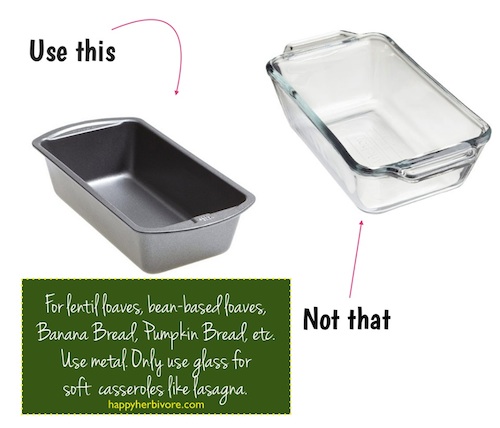
Practical warning: Never use a dark nonstick pan under a broiler or at very high heat. The coating can break down, releasing fumes and losing its nonstick quality.
Credit: happyherbivore.com
Common Mistakes And How To Avoid Them
Many cooks run into problems because they don’t match the pan to the task. Here are some mistakes to watch for:
- Not adjusting baking times: Always shorten baking time or lower the temperature for dark pans.
- Using metal utensils on nonstick: This scratches and ruins the coating.
- Broiling in nonstick pans: High heat damages the surface and can be unsafe.
- Not replacing old nonstick pans: If your nonstick pan is scratched or flaking, replace it immediately.
- Expecting nonstick to last forever: Even the best coating wears out.
Real-world Test: Chocolate Chip Cookies
Let’s look at a side-by-side bake test.
A batch of cookie dough is split in half. One tray goes on a shiny aluminum sheet, the other on a dark nonstick.
- Shiny tray: After 12 minutes, cookies are lightly golden and soft inside.
- Dark tray: After 10 minutes, cookies are dark brown on the bottom and crisp.
If you want a classic cookie, use the shiny pan. If you love super-crisp cookies, the dark pan is your friend—but check early!

Credit: cookieexperiment.blogspot.com
Nonstick Pan Lifespan: How Long Do They Last?
Unlike shiny metal pans, nonstick pans have a limited life.
- PTFE (Teflon) pans last 2-5 years with gentle use.
- Ceramic nonstick pans often lose their effect faster, sometimes within 1-2 years.
Signs your nonstick pan needs replacement:
- Food starts sticking regularly.
- You see scratches, flaking, or discoloration.
- The coating feels rough or sticky.
Don’t risk your health—replace old or damaged nonstick pans.
Cleaning And Storage Tips
Proper care will make both types of pans last longer.
Shiny Metal Pan Care
- Wash with warm, soapy water after use.
- For stubborn stains, soak or use a gentle abrasive cleaner.
- Dry fully to prevent rust on steel pans.
Dark Nonstick Pan Care
- Wash by hand with a soft sponge.
- Avoid dishwasher—detergent can dull the coating.
- Never use steel wool or abrasive pads.
- Store carefully to avoid scratches.
Storage tip: Place a paper towel or pan protector between nonstick pans to prevent scratching.
Environmental Impact
More people care about eco-friendly cookware. Here’s what to know:
- Shiny aluminum pans are often recyclable and last for decades, reducing waste.
- Nonstick pans (especially with PTFE) are harder to recycle and must be replaced more often.
- Some newer nonstick coatings claim to be “greener,” but still wear out with time.
If you want to reduce waste, choose high-quality shiny pans that won’t need frequent replacement.
The Science Behind The Browning
Why does pan color matter so much? It’s simple physics.
- Dark surfaces absorb more radiant energy, making them hotter.
- Shiny surfaces reflect energy, keeping them cooler.
This is why solar panels are black and space blankets are silver. In your oven, the same rules apply: color changes the way heat moves into your food.
Practical insight: If you move a recipe from a shiny pan to a dark pan without changing anything else, expect darker, crispier results—sometimes too much!
Comparing For Special Diets
If you follow a special diet or have allergies, pan choice can matter.
- Nonstick pans are great for low-fat cooking because you need less oil.
- Shiny pans are better for recipes where you want to avoid possible chemical exposure (e.g., for people with sensitivities).
Which Pan Do Professionals Prefer?
Many professional bakers use shiny aluminum pans. They’re durable, reliable, and give consistent results. Nonstick pans are more common in home kitchens, where easy cleanup is important.
Some pros use dark pans for special tasks, like browning vegetables, but for cakes and cookies, shiny is king.
Credit: bakeschool.com
How To Choose The Right Pan For Your Kitchen
With so many options, how do you decide? Here are key questions to ask:
- What do you bake most often?
- Cakes, bread, and cookies: Shiny is best.
- Roasted veggies, crispy cookies: Dark nonstick works.
- Do you value easy cleanup?
- Nonstick is easier, but needs gentle care.
- Do you want the pan to last a lifetime?
- Go with shiny aluminum or stainless steel.
- Are you cooking for people with allergies or sensitivities?
- Shiny pans are safest.
- Do you have a pet bird?
- Avoid nonstick.
Sample Table: Best Pan For Each Task
Here’s a quick reference for your kitchen.
| Task | Best Pan Type | Why |
|---|---|---|
| Baking Cakes | Shiny Metal | Even rise, light crust |
| Crispy Cookies | Dark Nonstick | Quick browning |
| Chewy Cookies | Shiny Metal | Gentle baking |
| Roasting Vegetables | Dark Nonstick | Caramelization |
| Bread Loaf | Shiny Metal | Soft, light crust |
| Broiling | Shiny Metal | Safe at high heat |
What Experts And Research Say
Kitchen scientists agree: pan color and material make a real difference in baking and roasting. In blind taste tests, people can often tell the difference between cookies baked on shiny versus dark pans.
For more on the science, check out the Wikipedia Bakeware page.
Frequently Asked Questions
What Is The Main Difference Between A Shiny Metal Pan And A Dark Nonstick Pan?
A shiny metal pan reflects heat, leading to slower, more even baking. A dark nonstick pan absorbs heat, causing food to cook and brown faster. The nonstick surface also makes for easy cleanup, while shiny pans are more durable and safe at high temperatures.
Why Do Cookies Burn More Easily On Dark Nonstick Pans?
Dark nonstick pans absorb more heat, making their surface hotter. This can cause cookies and other baked goods to brown or burn faster, especially on the bottom. Adjust your baking time or temperature to avoid burning.
Is It Safe To Use Metal Utensils With Nonstick Pans?
No, using metal utensils can scratch and damage the nonstick coating, making it less effective and possibly unsafe. Use wood, silicone, or plastic utensils with nonstick pans.
How Do I Know When To Replace My Nonstick Pan?
Replace your nonstick pan when the coating is scratched, flaking, or food begins to stick regularly. Most nonstick pans last 2-5 years with proper care.
Are Shiny Metal Pans Dishwasher-safe?
Most shiny metal pans are dishwasher-safe, especially those made of aluminum or stainless steel. However, frequent dishwasher use may cause discoloration. Hand washing helps pans last longer and keeps them looking good.
Choosing between a shiny metal pan and a dark nonstick pan comes down to what you bake, how you care for your pans, and what results you want. Armed with this knowledge, you can make the best choice for your kitchen—and enjoy better results every time you bake or roast.