
Concrete floors are everywhere—in homes, offices, warehouses, and factories. Many people love concrete because it’s strong, lasts long, and is easy to clean. But there’s a hidden enemy that can cause big trouble if you don’t watch out: moisture. Water vapor or liquid water can sneak through or under your concrete floor and create serious problems. Mold, bad smells, damaged flooring, peeling paint, and even structural issues can start from one simple thing—too much moisture.
Most people only notice moisture problems when it’s too late. Maybe your new wood floor starts to buckle. Or you see white powder (called efflorescence) on the concrete surface. Sometimes, you smell a musty odor that won’t go away. These are all signs that water is moving through or under your concrete floor. The good news? You can prevent these problems with the right knowledge and steps.
In this guide, you’ll learn how moisture gets into concrete, why it’s a problem, and—most importantly—how to keep your floors dry and safe. This article gives you practical advice, real examples, and tips that even many contractors forget. Whether you’re building new, renovating, or just want to protect your space, you’ll find clear, simple instructions to avoid moisture headaches.
Why Moisture Is A Problem For Concrete Floors
Many people think concrete is waterproof. But concrete is porous. This means tiny holes and pathways let water and water vapor move through it. Here’s why moisture under or in your concrete floor is a big deal:
- Mold and Mildew: Moisture helps mold grow. Mold can cause health problems like allergies and asthma.
- Flooring Damage: Wood floors, carpet, and even some tiles can be ruined by moisture from below.
- Efflorescence: White powdery stains on the concrete mean water is moving through, bringing minerals with it.
- Bad Smells: Dampness creates a musty odor that’s hard to remove.
- Structural Issues: Over time, too much water can weaken the concrete or rust metal inside.
Research by the Portland Cement Association shows that 80% of flooring failures on concrete are related to moisture. Fixing these issues later can cost thousands of dollars.
How Moisture Gets Into Concrete Floors
Understanding how water enters your concrete floor is the first step to stopping it. Here are the main ways:
- Water from Below (Vapor Drive): Soil under the slab always has some moisture. If there’s no barrier, water vapor moves up through the concrete.
- Leaks and Flooding: Broken pipes, heavy rain, or flooding can send water under or over your floor.
- Condensation: Warm, moist air inside meets a cool concrete floor and forms water droplets.
- High Humidity: In some climates, high air humidity can push moisture into the floor.
- Cracks and Gaps: Any cracks or unsealed joints let water in much more easily.
Knowing which of these is your main problem helps you choose the right solution.
Signs Of Moisture Problems In Concrete Floors
Before you can fix or prevent moisture problems, you need to spot them early. Here are some warning signs:
- White powder or stains (efflorescence) on the surface
- Peeling, bubbling, or lifting flooring (wood, vinyl, carpet)
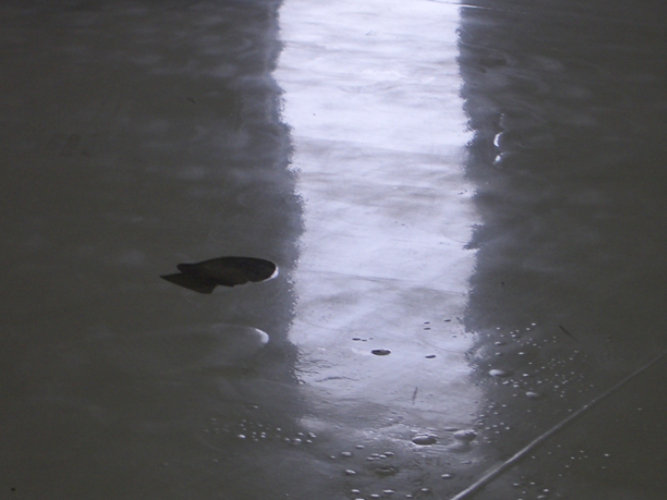
- Dark or wet spots on concrete, especially after rain
- Musty, damp odor in the room
- Visible mold or mildew along baseboards or under flooring
- Condensation on the floor, especially in basements
If you notice any of these, you need to act quickly before the problem gets worse.
Testing For Moisture In Concrete Floors
Don’t guess—test! Even if your floor looks dry, it might be hiding moisture. Here are the most trusted ways to test:
1. Plastic Sheet Test
- Tape a 2-foot by 2-foot square of clear plastic to the concrete.
- Seal all edges tightly.
- Wait 24-48 hours.
- If you see water droplets or the concrete looks darker, you have a moisture problem.
2. Calcium Chloride Test
- Place a special dish of calcium chloride on the floor and cover it with a sealed dome.
- After 3 days, measure how much moisture was absorbed.
- This test shows how much water vapor is coming up from below.
3. Relative Humidity (rh) Probe Test
- Small sensors are placed in holes drilled into the slab.
- After a set time, they measure the RH inside the slab.
- Most experts agree this is the most accurate test.
4. Moisture Meters
- Handheld devices check surface or near-surface moisture.
- Not as accurate for deep moisture, but can help locate wet spots.
Comparing Moisture Testing Methods
Here’s a simple look at the pros and cons of each method:
| Test Method | Cost | Accuracy | Time Needed | Best For |
|---|---|---|---|---|
| Plastic Sheet | Low | Basic | 24-48 hrs | Quick check, DIY |
| Calcium Chloride | Medium | Good | 72 hrs | Measuring vapor from below |
| RH Probe | High | Very high | 24-72 hrs | Professional, new builds |
| Moisture Meter | Medium | Fair | Instant | Spot-checking |
Non-obvious tip: Even if your old floor was fine, new flooring materials (like wood or vinyl) can be more sensitive to moisture. Always test before installing anything new!

Credit: www.maramani.com
How To Prevent Moisture Problems On Concrete Floor
You can prevent almost all moisture problems with the right steps, both during construction and after your floor is in use. Here’s what you need to know:
1. Use A High-quality Vapor Barrier
The most important way to stop ground moisture is to install a vapor barrier (also called a moisture barrier or vapor retarder) under the concrete slab. This is a thick sheet, usually made of plastic, that blocks water vapor.
- Use a barrier at least 10-15 mils thick for best results.
- Place it directly under the slab and above any gravel or sand base.
- Overlap seams by at least 6 inches and tape them tightly.
- Extend the barrier up the sides of the slab where possible.
A vapor barrier is much harder to add after the slab is poured. For new buildings, never skip this step.
2. Proper Site Preparation And Drainage
Keeping water away from the slab is just as important as blocking it from below.
- Make sure the ground slopes away from the building (a minimum of 5% slope for at least 10 feet).
- Install drainage pipes or a French drain if the area is wet.
- Add a layer of gravel (4-6 inches) under the slab to help water drain away.
- Avoid planting shrubs or trees too close to the foundation.
If your site often floods, consider raising the slab above ground level.
3. Allow Enough Curing Time
Concrete needs time to dry and harden (cure) before you cover it with any flooring.
- The rule of thumb: 28 days minimum, but this can vary.
- For thicker slabs or cool, damp weather, you may need even longer.
- Use moisture tests (see above) before installing flooring, not just time.
4. Seal The Concrete Surface
If you already have a slab, sealing the surface can help reduce moisture movement.
- Use a penetrating sealer for best results. These soak into the concrete.
- Acrylic or epoxy sealers can also help, but may not last as long.
- Apply according to the manufacturer’s instructions. Usually, two coats are best.
Remember, sealing is not a complete fix for heavy moisture but can help in mild cases.
5. Control Indoor Humidity
High indoor humidity can push moisture into the floor and encourage condensation.
- Use dehumidifiers in damp spaces, especially basements.
- Make sure rooms are well ventilated.
- Keep indoor humidity between 30–50%.
Non-obvious tip: Many moisture problems in basements come from humid air, not just water in the ground. A dehumidifier can often solve minor issues.
6. Repair Cracks And Joints
Cracks and open joints are easy paths for water. Seal them with the right material:
- For small cracks, use a concrete crack filler or epoxy.
- For joints (like where the wall meets the floor), use flexible sealant or backer rod plus sealant.
- Inspect yearly and repair new cracks as soon as possible.
7. Choose The Right Flooring Materials
Some flooring types handle moisture better than others. When covering a concrete floor:
- Ceramic or porcelain tile is very moisture-resistant.
- Vinyl flooring can be good if installed with a waterproof underlayment.
- Engineered wood is better than solid wood for basements or areas with possible moisture.
- Carpet is not recommended unless you are sure the floor is very dry.
Always follow the manufacturer’s moisture limits for any flooring you install.
8. Use Underlayments And Moisture Barriers With Flooring
When adding flooring over concrete, use a moisture barrier underlayment to block vapor.
- These are often plastic sheets or special foam with a vapor-proof layer.
- Some products have both padding and a barrier in one.
- Overlap and tape seams tightly.
This extra step is cheap insurance against future moisture trouble.
9. Maintain Gutters And Downspouts
Rainwater management is key to keeping your slab dry.
- Clean gutters so water flows away from the building.
- Extend downspouts at least 6 feet away from the foundation.
- Check during rain to make sure water isn’t pooling near the slab.
10. Insulate Cold Concrete Floors
In climates with cold winters, insulation under or on top of the slab can help prevent condensation.
- Rigid foam board insulation is often used under new slabs.
- For existing floors, use insulated flooring or area rugs to reduce surface temperature.
This makes condensation less likely and keeps rooms more comfortable.
11. Monitor And Maintain Over Time
Preventing moisture is not a one-time job. Check your floors regularly:
- Look for new cracks, stains, or smells.
- Test humidity in basements or slabs at least once a year.
- Repair any problems right away.
Early action can save you big money and effort later.
Common Mistakes To Avoid
Even experienced builders and homeowners make mistakes that can lead to moisture trouble. Here are some to watch for:
- Skipping the Vapor Barrier: Some people think gravel alone is enough. It isn’t.
- Not Testing Before Flooring: Don’t trust your eyes—always do a moisture test.
- Waiting Too Little After Pouring: Floor coverings go in too soon, trapping moisture.
- Using the Wrong Sealers or Materials: Not all sealers stop vapor. Some only protect against spills.
- Ignoring Outdoor Drainage: Water will find a way in if it’s allowed to pool outside.
- Blocking Vents: In crawlspaces or basements, closing vents can trap humidity inside.
- Using Solid Wood Flooring on Slab: Solid hardwood is very sensitive to moisture.
Avoiding these mistakes gives you the best chance of a dry, long-lasting floor.

Credit: www.maramani.com
Advanced Solutions For Serious Moisture Problems
If you have major moisture issues that won’t go away, you might need extra steps:
1. Sub-slab Ventilation Systems
These systems use pipes and fans to pull moisture and gases out from under the slab. They’re often used in places with high water tables or radon problems.
2. Interior Drainage Channels
For basements with chronic leaks, a drainage channel can be installed along the inside of the walls, leading water to a sump pump.
3. Topical Moisture Barriers
Special liquid coatings can be painted or rolled onto the surface. Some are thick, epoxy-based products that block vapor very effectively.
4. Professional Waterproofing
In the worst cases, you may need to dig around the building and apply waterproof membranes to the outside of the slab or foundation.
Cost Comparison: Moisture Solutions
The cost to fix or prevent moisture varies a lot. Here’s a rough comparison:
| Solution | DIY Cost | Pro Installation | Effectiveness |
|---|---|---|---|
| Vapor Barrier (new slab) | $0.50–$1/sq ft | $2–$4/sq ft | Very High |
| Surface Sealer | $0.25–$0.75/sq ft | $1–$2/sq ft | Moderate |
| Sub-Slab Ventilation | N/A | $2,000–$5,000+ | High |
| Interior Drainage Channel | N/A | $3,000–$8,000+ | High |
| Dehumidifier | $200–$500 | N/A | Moderate |
Real-world Example: Preventing Moisture In A Basement Remodel
Let’s look at a real example. Maria wanted to turn her old basement into a playroom. The concrete floor looked dry, but she noticed a musty smell after heavy rain. Here’s what she did:
- She used the plastic sheet test and found condensation under the plastic after 24 hours.
- She installed a dehumidifier and kept indoor humidity below 50%.
- Before laying new flooring, Maria applied a penetrating concrete sealer.
- She chose vinyl planks with a moisture barrier underlayment.
- She made sure her gutters and downspouts were clear and extended away from the house.
Six months later, the floor and air are dry, with no bad smells or signs of mold.
Insight: Many people would have skipped the moisture test and gone straight to installing carpet or wood, which would have failed. Testing and choosing the right materials made all the difference.
The Science Behind Concrete Moisture
Concrete is made of cement, water, sand, and gravel. After mixing, it slowly dries and hardens as the water reacts with cement. But even after it looks dry, water vapor can keep moving up from the ground or from inside the slab for months.
The amount of water vapor is measured in pounds per 1,000 square feet per 24 hours (for calcium chloride tests) or as relative humidity (%) inside the slab (for RH tests). Most flooring makers require moisture below a certain level before installation, often:
- Less than 3 lbs/1,000 sq ft/24 hrs (calcium chloride test)
- Less than 75%–85% RH (probe test)
If you install floor coverings before these levels are reached, you risk major failures.
Comparing Vapor Barrier Types
Not all vapor barriers are the same. Here’s a comparison of popular types:
| Type | Material | Thickness | Best Use | Cost |
|---|---|---|---|---|
| Polyethylene Sheet | Plastic | 6-20 mil | Under slab | Low |
| Liquid-Applied Membrane | Acrylic/Epoxy | N/A | Existing slabs | Medium |
| Self-Adhered Sheet | Rubberized asphalt | 40-60 mil | Walls, above grade | High |
Tip: Always check for compatibility between your vapor barrier and your planned flooring or adhesives.
Environmental And Health Factors
Moisture problems don’t just damage your floor—they can harm your health. Mold and mildew from damp floors can cause:
- Coughing, sneezing, and allergies
- Headaches and fatigue
- Worse asthma symptoms
Children and older adults are especially at risk. That’s why proper moisture control is so important in homes, schools, and workplaces.
If you want more in-depth information about health and building science, you can visit the EPA Mold Resource.
Frequently Asked Questions
How Do I Know If My Concrete Floor Has A Moisture Problem?
Look for signs like white powder, peeling flooring, musty smells, dark spots, or visible mold. Use a plastic sheet test or a moisture meter for a quick check. If in doubt, use a professional moisture test.
Can I Fix Moisture Problems Without Tearing Up My Floor?
Sometimes. Surface sealers, dehumidifiers, and improving drainage can help mild cases. For serious problems, you may need to remove flooring or take bigger steps like installing a vapor barrier or drainage channel.
How Long Should I Wait Before Installing New Flooring On Fresh Concrete?
At least 28 days is standard, but always test for moisture before installing any flooring. Humidity, thickness, and temperature can make drying take longer.
What’s The Best Flooring For A Concrete Floor With Possible Moisture?
Ceramic tile or vinyl flooring with a moisture barrier underlayment are the safest choices. Avoid solid wood or carpet unless you are sure the floor is very dry.
Do I Need A Professional, Or Can I Do Moisture Prevention Myself?
Many steps, like testing and sealing, can be done by a careful DIYer. For big problems, or if you’re unsure, hiring a professional is a smart investment to avoid costly mistakes.
Moisture is a silent threat to any concrete floor, but with the right knowledge and steps, you can prevent problems before they start. Plan carefully, test before you act, use the best materials, and keep an eye on your floor over time.
You’ll enjoy a dry, healthy, and long-lasting concrete floor for years to come.
Credit: industrial.sherwin-williams.com