
Mold is a silent invader that often appears in bedrooms during winter. It creeps into corners, behind wardrobes, and on windowsills, causing not just damage to your home but also health problems like allergies and asthma. Many people think mold only grows in old or dirty homes, but that’s not true. Even new and clean bedrooms can develop mold problems in winter if conditions are right.
Winter brings cold temperatures and higher humidity indoors because we close windows and turn on heaters. This creates the perfect environment for mold. Bedrooms, where we sleep for hours with the door closed, can trap moisture from breathing, sweating, and even wet clothes.
If you’ve ever woken up to see little black spots on your wall or a musty smell in your room, you know how mold can sneak in.
Stopping mold isn’t just about cleaning what you see. You need to understand why it appears and how to prevent it for good. This guide will show you practical steps, explain common mistakes, and give you real solutions for a healthier, mold-free bedroom this winter.
Why Mold Grows In Bedrooms In Winter
Mold needs three things to grow: moisture, organic material (like wallpaper, paint, or dust), and warmth. Winter creates these conditions in bedrooms for several reasons:
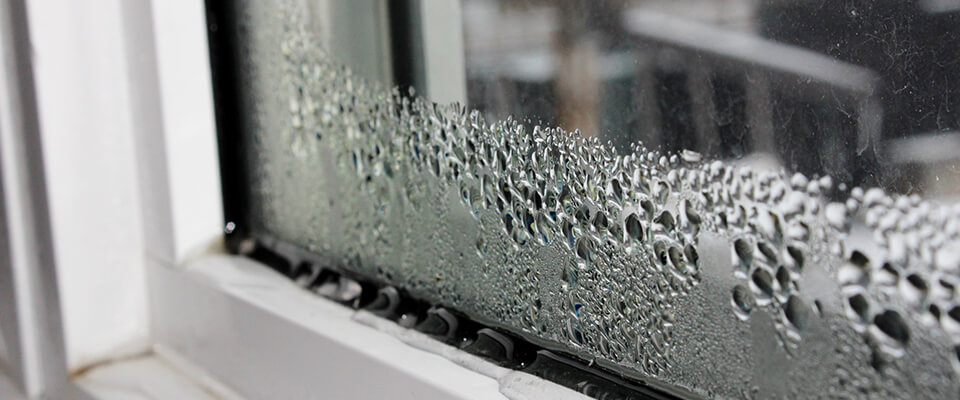
- Condensation: When warm, moist air from breathing and showering hits cold surfaces like windows or outside walls, water droplets form. Mold feeds on this moisture.
- Poor ventilation: We often keep windows and doors closed to keep warm. This traps humid air inside.
- Hidden damp: Leaks in the roof, walls, or pipes can stay unnoticed behind furniture or in corners, making perfect spots for mold colonies.
- Heater use: Heaters dry the air but also create big temperature differences between inside and outside, leading to more condensation.
It’s important to know that mold spores are everywhere. You can’t avoid them completely, but you can control the conditions that let them grow.
Common Signs Of Mold In Bedrooms
Not all mold is easy to spot. Here are some signs to look out for:
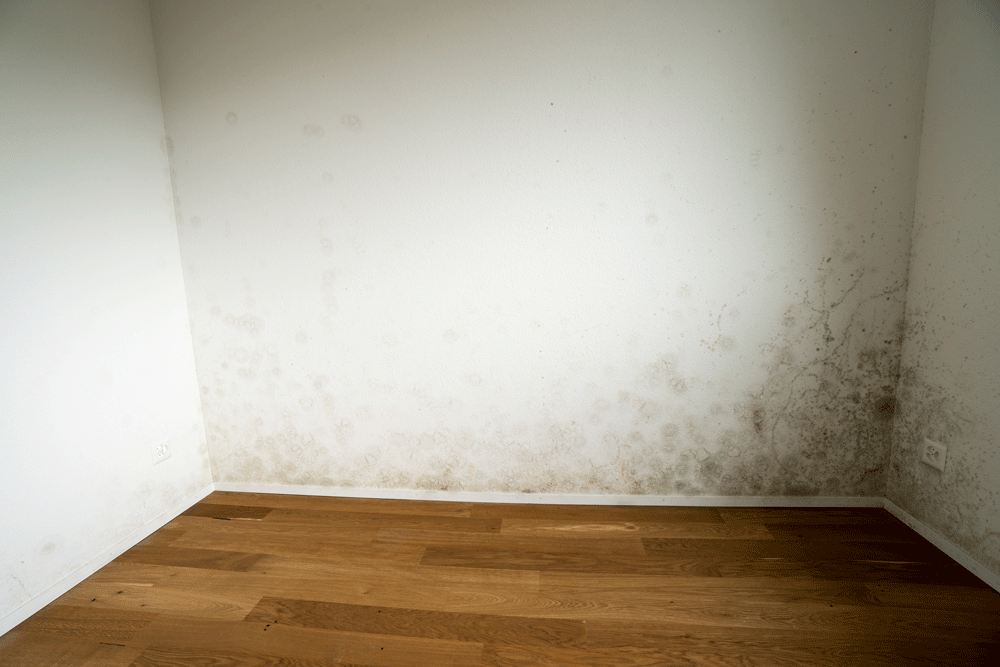
- Black, green, or white spots on walls, ceilings, or windows.
- Musty, earthy smell that doesn’t go away after cleaning.
- Damp patches or water stains on walls or behind furniture.
- Peeling paint or wallpaper.
- Condensation on windows, especially in the morning.
- Increased allergies, coughing, or sneezing in the bedroom.
If you notice these signs, act quickly. Small spots can become big problems if ignored.
Main Causes Of Bedroom Mold In Winter
Understanding what causes mold helps you stop it. The main causes include:
1. High Humidity
When the air has too much moisture, it creates the right conditions for mold. Sleeping, drying clothes indoors, or using humidifiers can raise humidity levels.
2. Poor Air Circulation
Bedrooms with little airflow, blocked vents, or heavy curtains trap moist air and encourage mold.
3. Cold Surfaces
Cold windows and walls collect condensation, giving mold the water it needs to grow.
4. Damp Materials
Wet clothes, carpets, or bedding can hold moisture and start mold growth.
5. Water Leaks
Hidden leaks from roofs, windows, or pipes can keep walls damp for months.
Step-by-step Guide To Stop Mold In Bedroom In Winter
Solving mold problems is a mix of prevention, quick action, and ongoing habits. Here’s a step-by-step plan to stop mold in your bedroom this winter.
1. Control Humidity Levels
Aim to keep bedroom humidity below 60%. The ideal range is 30-50%.
- Use a hygrometer to measure humidity. These are affordable and easy to use.
- Avoid drying clothes in your bedroom. If you must, open a window or use a dehumidifier.
- Run an exhaust fan in attached bathrooms, especially after showers.
- If you use a humidifier, do not overuse it. Check the humidity level often.
Pro tip: In winter, indoor humidity often rises at night when windows are closed. Open the door in the morning or run a fan for 10-15 minutes to refresh the air.
2. Increase Ventilation
Fresh air is mold’s enemy. Even in cold weather, you need to let rooms breathe.
- Open windows for 5-10 minutes daily, especially after sleeping.
- Use trickle vents if your windows have them.
- Leave wardrobe and closet doors slightly open, especially if they are against outside walls.
- If possible, use a bedroom extractor fan or air purifier with HEPA filter.
3. Manage Condensation
Condensation is the most common reason for mold in winter bedrooms.
- Wipe moisture off windows and frames every morning.
- Move beds, wardrobes, and other furniture at least 2 inches from outside walls.
- Avoid heavy curtains that block airflow around windows.
- For old windows, consider using double glazing or plastic film insulation.
Extra tip: If you see water collecting on walls or windows, try to find the source. Sometimes, cooking, showering, or even fish tanks in the home can add a lot of moisture.
4. Use A Dehumidifier
Dehumidifiers are powerful tools for reducing bedroom moisture.
- Place the dehumidifier near the most affected area, not in the middle of the room.
- Empty the water tank regularly.
- For best results, run it after showers, laundry, or on rainy days.
- Choose a dehumidifier with a built-in hygrometer for automatic control.
5. Insulate Cold Walls And Windows
Cold surfaces attract moisture. Insulation helps keep walls and windows warm.
- Use thermal wallpaper or foam panels on outside walls.
- Fit draft excluders around windows and doors.
- Place rugs or mats near windows if floors feel cold.
- Seal any gaps where cold air enters.
Unexpected insight: Sometimes, small gaps around plug sockets or window frames let in cold air, causing local condensation. Check these spots with your hand for drafts.
6. Check For Leaks And Damp
Inspect your bedroom for hidden sources of water.
- Look for water stains, peeling paint, or swollen skirting boards.
- Check under windowsills, behind furniture, and near radiators.
- If you live above a basement or garage, check the floor for dampness.
- Get leaks fixed by a professional as soon as possible.
7. Clean And Remove Mold Safely
If you find mold, remove it quickly but carefully.
- Wear gloves, a mask, and open a window when cleaning.
- Use soapy water or a special mold remover spray. Avoid dry brushing, which spreads spores.
- Wipe the area, rinse, and dry completely.
- For large areas or toxic black mold, call a professional.
Note: Bleach kills mold on hard surfaces but does not work well on porous materials like plaster or wood.
8. Wash Fabrics And Soft Furnishings
Mold can grow on curtains, bedding, and carpets.
- Wash affected fabrics in hot water (at least 140°F/60°C).
- Dry completely before use.
- For carpets, use a steam cleaner or professional service.
- If mold persists, consider replacing the item.
9. Reduce Clutter
Clutter traps dust and moisture, making it easier for mold to grow.
- Keep items off the floor and away from outside walls.
- Regularly clean behind and under beds, wardrobes, and dressers.
- Store clothes and bedding in airtight containers.
10. Monitor Regularly
Stopping mold is an ongoing process, especially in winter.
- Check corners, behind furniture, and windows weekly.
- Use your nose—a musty smell often means hidden mold.
- Keep a humidity log to spot patterns.
Comparison: Mold Prevention Methods
Different methods offer various benefits and costs. Here’s a quick comparison:
| Method | Effectiveness | Cost | Effort Needed |
|---|---|---|---|
| Dehumidifier | High | Medium-High | Low |
| Opening Windows | Medium | Low | Low |
| Thermal Insulation | High | High | Medium |
| Cleaning Mold | Short-Term | Low | Medium |
| Checking for Leaks | High | Varies | Medium |
What Not To Do: Common Mistakes
Many people accidentally make mold problems worse. Here’s what to avoid:
- Ignoring small spots: Mold spreads fast. Small patches can turn into big problems.
- Painting over mold: This hides the problem but does not solve it.
- Using bleach on porous surfaces: Bleach does not remove mold roots in plaster or wood.
- Drying clothes indoors without ventilation: This adds lots of moisture.
- Blocking air vents: Reduces airflow and increases humidity.
- Overusing humidifiers: Too much moisture helps mold grow.
- Pushing furniture against cold walls: Traps moisture and encourages mold.
Expert tip: After cleaning, if the mold returns within a week, you have an ongoing moisture problem. Check for hidden leaks or poor ventilation.
Credit: www.axa.ie
How To Mold-proof Your Bedroom For The Future
Prevention is better than cure. Here’s how to create a mold-resistant bedroom:
Use Mold-resistant Paint
Special paints contain fungicides that stop mold from growing on walls and ceilings. Apply these after cleaning and drying the affected area.
Choose The Right Bedroom Plants
Some houseplants, like peace lilies and Boston ferns, can help absorb moisture. But be careful: too many plants can add humidity.
Replace Old Windows
Modern double-glazed windows reduce condensation. If you can’t replace windows, use plastic film kits for extra insulation.
Install An Air Purifier
A HEPA air purifier removes mold spores from the air. This helps prevent allergies and stops mold from spreading.
Regular Deep Cleaning
Vacuum with a HEPA filter, dust shelves, and wash bedding often. Clean behind furniture every few months.
Insulate Problem Areas
If you notice one wall or corner is always cold or damp, add extra insulation or a heated panel.
Surprising fact: Mold can start growing in as little as 24-48 hours if conditions are right. Regular checks and cleaning are key.
Mold And Your Health
Living with mold can cause or worsen many health problems, especially in winter when we spend more time indoors.
- Allergies: Sneezing, runny nose, itchy eyes.
- Asthma: More attacks or worse symptoms.
- Respiratory infections: Coughing, sore throat, or chest tightness.
- Skin problems: Rashes or irritation.
Children, the elderly, and people with weak immune systems are most at risk. Even healthy adults can develop symptoms if mold is not removed.
If you notice health problems that improve when you leave the bedroom, mold may be the cause.
How Fast Can Mold Grow In Winter?
Mold can start growing in just 24 to 48 hours if there is moisture. In winter, condensation or leaks can create damp spots that go unnoticed for days or weeks, allowing mold colonies to spread quickly.
Here’s how mold growth works:
| Time After Dampness Starts | Mold Activity |
|---|---|
| First 24-48 hours | Spores land and start growing if conditions are right. |
| 3-7 days | Visible spots may appear; musty smell develops. |
| 1-2 weeks | Mold spreads across walls, behind furniture, or into fabrics. |
| 1 month or more | Damage to paint, wallpaper, and even wall structure. |
Choosing The Best Dehumidifier For Your Bedroom
Not all dehumidifiers are the same. Here’s what to consider:
- Room size: Check the dehumidifier’s coverage area.
- Noise level: Bedrooms need quiet models (under 40dB).
- Water tank size: Larger tanks need emptying less often.
- Automatic shut-off: Prevents overfilling.
- Energy use: Look for Energy Star-certified models.
A small bedroom (under 150 square feet) usually needs a dehumidifier that removes 10-20 pints per day. For bigger rooms, choose a larger unit.
Little-known tip: Place the dehumidifier near the most humid spot (like beside a cold wall), not in the center of the room.

Credit: www.rawlinspaints.com
Practical Winter Bedroom Habits
Changing small daily habits can prevent mold:
- Open curtains in the morning to let sunlight in—light discourages mold.
- Always hang wet towels to dry outside the bedroom.
- Keep the bedroom door open for a few minutes after getting up.
- Check window frames and corners for damp spots every week.
When To Call A Professional
Sometimes, home solutions are not enough. You should call a mold specialist if:
- Mold covers an area larger than 10 square feet.
- The mold is black and slimy, which may be Stachybotrys (toxic black mold).
- You or your family have strong allergic reactions or breathing problems.
- Mold keeps returning after cleaning and prevention.
Professionals can find hidden leaks, use industrial cleaners, and advise on repairs or renovation.
Credit: www.icecleaning.co.uk
Real-life Example
Anna lives in a city apartment with old windows. Every winter, she noticed black spots in the bedroom, especially behind her wardrobe. She tried wiping the walls, but mold always came back. After learning about humidity and airflow, Anna started using a dehumidifier and moved her wardrobe 3 inches from the wall. She opened her window for 10 minutes daily, even on cold days. After two weeks, the mold stopped coming back. She also used mold-resistant paint for long-term protection.
Insight: Many people, like Anna, focus only on cleaning the mold they see. Real success comes from changing the room’s environment—especially humidity and airflow.
How To Talk To Your Landlord Or Building Manager
If you rent your home, you may need help to fix leaks or improve insulation.
- Take pictures of mold spots and water stains.
- Keep a record of when you cleaned or noticed problems.
- Ask your landlord to fix leaks or provide better ventilation.
- Know your rights—many places require landlords to provide healthy living conditions.
For more information about mold and health, see the CDC Mold FAQ.
Frequently Asked Questions
How Dangerous Is Bedroom Mold?
Bedroom mold can cause allergies, asthma, and even serious lung infections in some people. Small amounts are not usually life-threatening but can make you sick if not removed.
Can I Use Vinegar To Clean Mold?
Yes, white vinegar can kill many types of mold on hard surfaces. Spray it on, leave for an hour, then scrub and dry. Vinegar is not always effective on deep mold in walls or fabrics.
Is Mold Always Visible?
No. Mold can hide behind wallpaper, under carpets, or inside walls. A musty smell or unexplained allergies can mean hidden mold.
Will A Dehumidifier Stop Mold Completely?
A dehumidifier helps reduce moisture, making it harder for mold to grow. But you must also clean existing mold and fix leaks or condensation problems for best results.
How Often Should I Check For Mold In Winter?
Check your bedroom at least once a week. Look at windows, corners, and behind furniture. Regular checks help you catch mold early before it spreads.
Mold in the bedroom can feel overwhelming, but with the right knowledge and habits, you can keep your home healthy and comfortable all winter. Take action today, and you’ll breathe easier tomorrow.