
A boar bristle brush is more than just a hair tool. For many, it’s a daily companion that helps keep hair healthy, shiny, and manageable. But while most people use their brush every day, few know the right way to clean it. Over time, oil, dust, hair products, and loose hair build up in the bristles. This can make the brush less effective and even spread dirt back to your hair. Washing a boar bristle brush properly can seem confusing, especially if you’ve never done it before or are worried about damaging the bristles. The good news is: cleaning a boar bristle brush is simple if you know the right steps.
This guide will walk you through everything you need to know. You’ll learn not just how to wash your boar bristle brush, but also why it matters, what mistakes to avoid, and how to keep your brush in top shape for years.
Whether you’re a beginner or want to make sure you’re not missing anything, you’ll find clear, practical advice here. Let’s dive into the details so your boar bristle brush stays as good as new.
Why Cleaning A Boar Bristle Brush Is Essential
Many people don’t realize how quickly a boar bristle brush can collect dirt, oil, and product residue. Every time you brush, the bristles pick up sebum (your scalp’s natural oil), dead skin cells, and any styling products in your hair. Over time, this buildup can cause several problems:
- Reduced effectiveness: Dirty bristles can’t distribute natural oils through your hair as well, making your hair look dull.
- Bacterial growth: A dirty brush can become a breeding ground for bacteria and even mold, especially if stored in a humid bathroom.
- Scalp irritation: Using a dirty brush can transfer grime back to your scalp, leading to itching or flaking.
- Shorter brush lifespan: Buildup can damage the bristles or loosen the brush base, causing it to wear out sooner.
Regular cleaning keeps your hair healthier and your brush working its best. For people with sensitive scalps or scalp conditions, using a clean brush is even more important.
Understanding Your Boar Bristle Brush
Before you start cleaning, it helps to know what makes a boar bristle brush different. These brushes use natural bristles from wild or farmed boars. Unlike plastic or nylon bristles, boar bristles are similar to human hair. They have a cuticle layer that holds and spreads oil, which is why these brushes are so good for smoothing and adding shine.
Most boar bristle brushes have:
- Wooden or plastic handles
- Pneumatic (air-cushioned) pads or solid bases
- Pure boar bristles or a mix of boar and nylon
The material of the handle and base will affect how you wash the brush. For example, wood needs extra care to avoid water damage, while plastic is more durable.
What You’ll Need To Clean A Boar Bristle Brush
Gathering your cleaning supplies first makes the process faster and safer for your brush. Here’s what you’ll need:
- A wide-tooth comb or tail comb (to remove hair)
- A bowl or sink (for soaking)
- Gentle shampoo or mild soap (avoid harsh cleaners)
- An old toothbrush (for scrubbing between bristles)
- A towel (for drying)
- Cotton swabs (optional, for detailed cleaning)
- Rubbing alcohol (optional, for disinfecting)
Do not use boiling water, bleach, or strong chemicals—these can damage natural bristles and wooden parts.
Step-by-step: How To Wash A Boar Bristle Brush
1. Remove Hair From The Brush
Start by taking out all the loose hair trapped in the bristles. This step is important—hair buildup can trap more dirt and make cleaning harder.
- Use your fingers to pull out as much hair as you can.
- For stuck strands, run a wide-tooth comb through the bristles, moving from base to tip. A tail comb or even a pen can help loosen stubborn hair.
- Do this over a trash can or sink to catch the debris.
Non-obvious tip: Removing hair after every use makes deep cleaning much easier and prevents hard-to-remove buildup.
2. Prepare A Gentle Cleaning Solution
Next, fill a bowl or your sink with warm (not hot) water. Hot water can warp wood or loosen glue in the brush.
- Add a small squirt of gentle shampoo or mild soap to the water.
- Mix until sudsy. Baby shampoo works well because it’s gentle on natural materials.
- Avoid using dish soap with strong degreasers, as these can dry out the bristles.
If your brush has a wooden handle, do not submerge it fully. Just dip the bristles in the solution.
3. Wash The Bristles Carefully
Hold the brush so only the bristles touch the water. For brushes with a plastic handle or back, you can submerge the head a bit more, but not for long.
- Swirl the bristles in the soapy water for 1-2 minutes.
- Gently press the bristles with your fingers to help release any oil or dirt.
- Use an old toothbrush to scrub between the bristles. Move in the direction of the bristles, not against them, to avoid damage.
- For tough spots, dip a cotton swab in the solution and clean around the base of the bristles.
Non-obvious insight: Boar bristles can absorb water. If left wet too long, they become soft and lose shape, so avoid soaking for more than a few minutes.
4. Rinse Away Soap
After scrubbing, rinse the bristles under a gentle stream of lukewarm water. Hold the brush with the bristles pointing down so water doesn’t run into the handle or base.
- Shake off excess water.
- If your brush has a pneumatic pad (an air-filled cushion), avoid getting water inside the pad. Water trapped here can cause mold or bad smells.
5. Dry The Brush Properly
Drying the brush the right way is crucial to prevent mildew, warping, or bristle damage.
- Lay the brush bristle-side down on a clean towel.
- Let it air dry completely before using again. This may take several hours or overnight, depending on humidity.
- Avoid drying with a hair dryer or in direct sunlight, as heat can weaken bristles or crack wood.
If you’re in a hurry, pat the bristles gently with a towel to remove as much water as possible before air drying.
6. Disinfect (optional)
If you want to kill bacteria (for example, if you’ve shared your brush), you can disinfect it after washing.
- Lightly spray the bristles with a mix of one part rubbing alcohol and three parts water.
- Let the brush air dry fully. Alcohol evaporates fast and won’t harm the bristles if used sparingly.
Remember, too much alcohol can dry out natural bristles.

Credit: www.youtube.com
How Often Should You Clean A Boar Bristle Brush?
How often you wash your brush depends on your hair type, how much product you use, and your environment.
- If you use styling products daily or have oily hair, wash your brush every week.
- For dry or clean hair with little product use, washing once or twice a month is enough.
- Remove loose hair after every use to keep cleaning easy.
For people who sweat often, live in dusty areas, or have scalp conditions, more frequent cleaning keeps the brush hygienic.
Special Care For Wooden-handled Boar Bristle Brushes
Wooden handles and bases need extra attention because water can cause swelling, cracking, or mold. Here’s how to protect them:
- Never soak the entire brush in water. Only dip the bristles.
- Wipe the handle and base with a damp cloth, not submerge.
- Occasionally, rub a little mineral oil or wood conditioner into the handle to prevent drying and cracking.
- Store in a dry place, away from showers or sinks.
If your brush starts to smell musty, it’s a sign water has gotten inside—clean and dry it thoroughly.
Comparing Boar Bristle Brushes: What Affects Cleaning?
Different brushes need slightly different care. Here’s a quick comparison to help you understand what matters most:
| Brush Type | Handle Material | Soaking Allowed? | Drying Notes |
|---|---|---|---|
| Paddle Brush | Wood | No (bristles only) | Air dry, avoid sunlight |
| Oval Brush | Plastic | Yes (short soak) | Quick towel dry, then air dry |
| Mixed Bristle | Wood/Plastic | Bristles only | Keep base dry |
Choosing the right brush for your needs can make cleaning easier and extend the life of your tool.
Mistakes To Avoid When Washing Boar Bristle Brushes
Even with the best intentions, it’s easy to make mistakes that can damage your brush. Here are the most common ones:
- Soaking the whole brush – This can loosen glue, swell wood, and cause bristles to fall out.
- Using hot water – Heat can deform bristles and crack handles.
- Scrubbing too hard – Rough cleaning can break bristles or pull them from the base.
- Using harsh chemicals – Bleach, ammonia, or strong degreasers strip natural oils from bristles and damage wood.
- Drying with heat – Hair dryers, heaters, or sunlight can make bristles brittle and warp handles.
- Ignoring buildup – Not removing hair and dirt regularly makes cleaning harder and less effective.
- Storing when wet – A damp brush can grow mold or mildew, especially in wooden parts.
Practical tip: Clean your brush before bedtime, so it’s fully dry by morning.
Deep Cleaning For Heavy Buildup
If your boar bristle brush hasn’t been washed in months or is caked with product, a deep cleaning is needed.
- First, remove all hair and loose debris.
- Make a stronger cleaning solution with 2 parts water to 1 part gentle shampoo.
- Dip only the bristles (not the handle) and let them soak for 5 minutes.
- Scrub gently with a toothbrush, focusing on the base of the bristles.
- Rinse and repeat if needed.
- Dry thoroughly as described earlier.
If buildup is still visible, use a little baking soda in the water for extra cleaning power. Rinse well to remove all residue.
How Boar Bristle Brushes Compare To Other Brushes
Many people wonder if boar bristle brushes require different care than synthetic brushes. Here’s a side-by-side look:
| Feature | Boar Bristle Brush | Synthetic (Nylon) Brush |
|---|---|---|
| Cleaning Method | Gentle soap, no soaking handle | Can soak whole brush (if plastic) |
| Bristle Care | Needs gentle handling | More durable, less sensitive |
| Drying | Air dry, avoid heat/sun | Air or towel dry; heat okay |
| Longevity | Years with proper care | Years, even if handled roughly |
Insight: Boar bristle brushes, when cared for properly, can last longer and provide better hair benefits than most synthetic brushes.
Signs You Need To Replace Your Boar Bristle Brush
Even with perfect care, every brush wears out eventually. Watch for these signs:
- Bristles are bent, broken, or falling out
- Base smells musty, even after cleaning
- Handle is cracked or warped
- Bristles feel rough, not smooth
A good boar bristle brush can last several years. If yours is showing major wear, it may be time for a replacement.
Tips For Maintaining Your Brush Between Washes
Keeping your brush clean day-to-day means less work during deep cleaning. Here are some simple habits:
- Remove loose hair after every use.
- Tap the brush gently over the sink to shake out dust and product.
- Store in a dry, open area (not in a closed drawer or damp bathroom).
- Wipe the handle with a dry cloth if it gets oily.
If your brush is used on multiple people, wash and disinfect it more often.
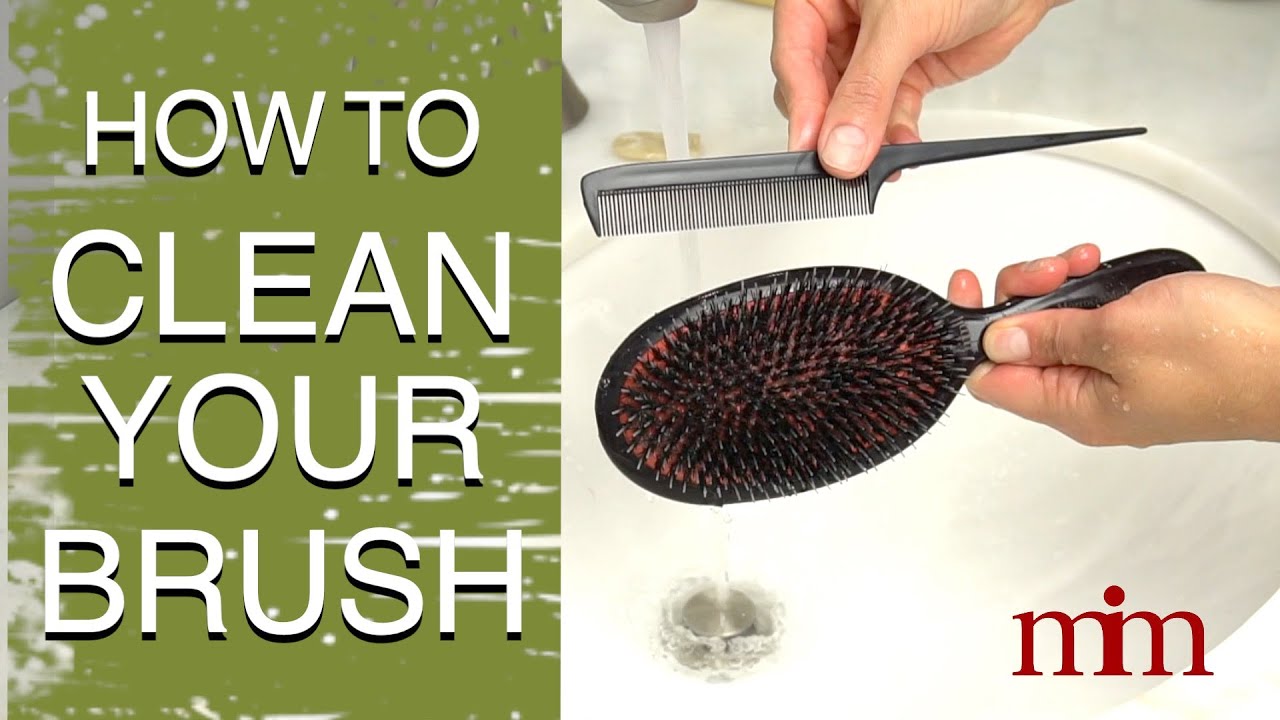
Credit: www.youtube.com
The Science Behind Boar Bristle Brushes
Why do so many hair experts recommend boar bristle brushes? Science gives some clear reasons:
- The structure of boar bristles is similar to human hair. This allows them to grab and distribute sebum (oil) from the scalp down the hair shaft.
- Even after heavy use, boar bristles remain gentle, reducing hair breakage compared to plastic bristles.
- Studies show that using boar bristle brushes can improve shine and reduce oil at the roots over time, as oil is spread evenly.
- Regular cleaning is essential to keep these benefits. Dirty bristles stop working as intended, making hair look greasy instead of shiny.
For more details about bristle materials and their effects, see this hairbrush resource.
Common Myths About Cleaning Boar Bristle Brushes
Let’s clear up some common misunderstandings:
- Myth: Boar bristle brushes can’t get wet.
Fact: The bristles can be washed, but the wooden parts should not be soaked.
- Myth: Only water is enough.
Fact: Oil and product buildup need soap to be removed completely.
- Myth: You must replace your brush every year.
Fact: With proper care, a boar bristle brush can last several years.
- Myth: All brushes are cleaned the same way.
Fact: Boar bristle brushes need more careful handling than all-plastic brushes.
Environmental Impact: Why Careful Cleaning Matters
Boar bristle brushes are often chosen by people looking to reduce plastic waste. Keeping your brush clean and extending its life means less waste in landfills. Also, using gentle, natural soaps protects the environment and your brush at the same time.
Real-world Example: Cleaning A Well-loved Brush
Consider someone who uses a boar bristle brush daily for long, thick hair. After a month, the brush is packed with hair, oil, and dry shampoo residue. Washing it as described above restores the bristles’ softness and shine. The brush works better, glides through hair, and leaves hair looking healthier.
This small habit can change how your hair looks and feels every day.

Credit: leo-prinz.com
Frequently Asked Questions
How Do I Know If My Boar Bristle Brush Is Real Or Synthetic?
Real boar bristles feel smooth but have a slight texture, similar to human hair. They are usually tan, brown, or black and may have color variations. Synthetic bristles are often shiny, pure black, and feel stiffer. The packaging or brand website should confirm the material.
Can I Use Vinegar Or Baking Soda To Clean My Brush?
A small amount of baking soda can help with tough buildup, but use it sparingly (1 teaspoon per cup of water). Vinegar is not recommended, as it can dry out natural bristles and damage wood. Stick with gentle shampoo for regular cleaning.
What Should I Do If My Brush Smells Bad After Washing?
A musty smell usually means the brush didn’t dry completely, or water got into the base. Wash again, dry bristle-side down, and let it air dry fully. If the smell stays, the brush may have mold inside and should be replaced.
Is It Safe To Share My Boar Bristle Brush With Others?
It’s best not to share hair brushes, as they can transfer oil, dirt, or even lice. If you must share, wash and disinfect the brush with rubbing alcohol before and after each use.
How Do I Store My Boar Bristle Brush To Keep It Clean?
Keep your brush in a dry, open area. Do not store in a damp bathroom or closed container, as this traps moisture and can cause mold. Hanging the brush bristle-side down helps it dry out and keeps dust off the handle.
A clean boar bristle brush is more than just a hair tool—it’s a way to care for your hair and extend the life of something you use every day. With the right cleaning routine, your brush will always be ready to keep your hair smooth, shiny, and healthy.