
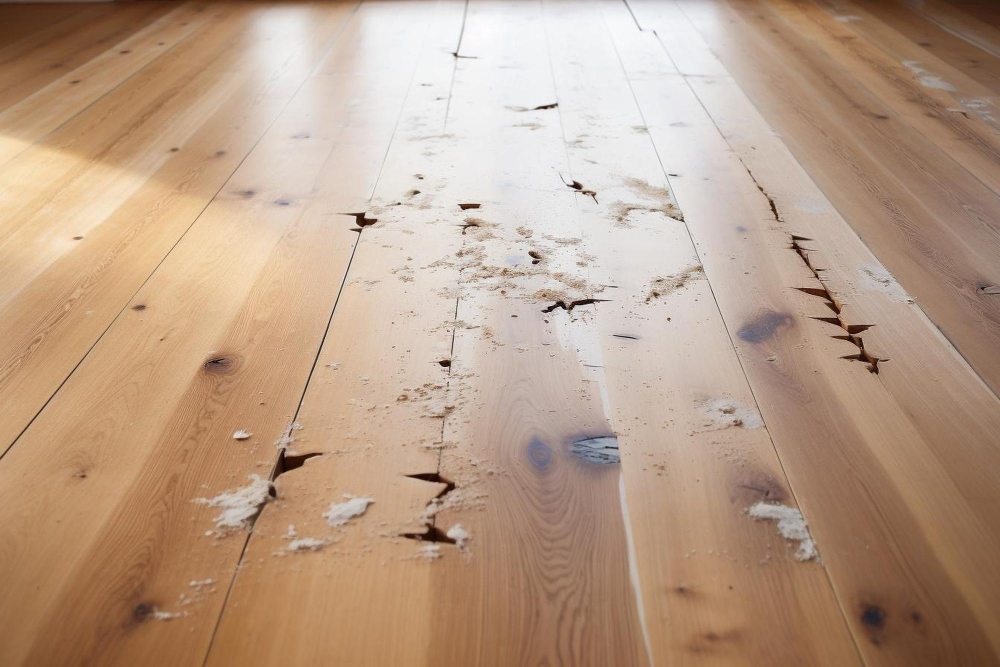
Finding termites in your hardwood floors can be a shocking and stressful experience. These small, hidden insects cause billions of dollars in property damage every year, and hardwood floors are a favorite target. If you see tiny holes, hollow-sounding planks, or piles of what looks like sawdust, you might already have a termite problem.
But the situation is not hopeless. With the right plan, you can treat termites in hardwood floors, prevent further damage, and even save your expensive flooring.
In this article, you’ll learn how to spot termite activity in hardwood floors, understand why they target wood, and discover the best treatment methods—ranging from DIY approaches to when it’s time to call professionals. You’ll also get tips on long-term prevention, learn from real-world examples, and see how different treatments compare in cost and effectiveness.
Let’s walk through every step you need to take to reclaim your home from termites and protect your investment.
How Termites Damage Hardwood Floors
Termites are silent destroyers. They eat wood from the inside out, which means you often don’t notice them until the damage is advanced. In hardwood floors, they tunnel through and consume the cellulose inside the planks, weakening the structure and causing warping, sagging, and even collapse in severe cases.
There are three main types of termites that attack hardwood floors:
- Subterranean termites: Build colonies in the soil and enter homes through cracks and gaps.
- Drywood termites: Live inside the wood they eat, often infesting furniture and flooring directly.
- Dampwood termites: Prefer moist wood but are less common in homes.
A key insight many people miss is that termite damage in hardwood floors often starts beneath the surface. By the time you see signs, the infestation may already be large.
Signs Of Termite Infestation In Hardwood Floors
You can spot termite activity if you know what to look for:
- Hollow-sounding planks: Knock on the floor—if it sounds empty, termites may have eaten inside.
- Buckling or sagging: Damaged floors may feel uneven or soft.
- Tiny holes or tunnels: Look for small, round holes on the surface.
- Frass: Piles of termite droppings, which look like sawdust or pepper.
- Mud tubes: Subterranean termites build small mud tunnels along the walls or under the floors.
- Damaged baseboards: Termites often start where the floor meets the wall.
If you notice any of these signs, it’s important to act fast. Termites can eat through a surprising amount of wood in just a few months.
Why Hardwood Floors Attract Termites
Many homeowners believe that hardwood is too dense for termites. In reality, termites target hardwood because it offers both food and shelter. Hardwood contains cellulose, which termites need for survival. The spaces under planks and subfloors also create a humid, dark environment that termites love.
Termites don’t care if the wood is oak, maple, or cherry. If the wood is accessible, and there’s enough moisture, they will attack. Leaky pipes, high humidity, or poor ventilation under the floor can make infestations worse. One non-obvious insight: even new hardwood floors can be at risk if installed over damp concrete or in basements.
Assessing The Severity Of Termite Infestation
Before you start treatment, you need to know how bad the infestation is. This affects the method you choose and whether you can handle it yourself or need expert help.
Diy Inspection Steps
- Tap and Listen: Walk across your floors and tap with a screwdriver handle. Hollow or papery sounds suggest internal damage.
- Lift Planks if Possible: In severe cases, gently lift a plank to check the subfloor. Look for tunnels or live termites.
- Check for Live Termites: Peel back baseboards or inspect under mats and rugs.
- Look for Swarmers: These are winged termites that sometimes appear near windows or doors.
A single area of damage may mean a small infestation. Damage across several rooms or soft, sagging floors usually signals a larger colony.
When To Call A Professional
If you find termites in multiple rooms, see live insects, or suspect structural damage, professional inspection is a must. Experts use moisture meters, infrared cameras, and advanced tools to detect hidden colonies and determine the best treatment.
Immediate Actions: What To Do First
Once you suspect termites in your hardwood floors, take these steps right away:
- Stop Water Leaks: Fix plumbing leaks or sources of moisture near the floor.
- Clear the Area: Move rugs, furniture, and anything covering the affected zones.
- Do Not Disturb Too Much: Avoid tearing up floors before planning treatment. Disturbing termites can scatter them and make treatment harder.
- Document Damage: Take photos for insurance or repair estimates.
- Contact Your Insurance: Termite damage is rarely covered, but it’s wise to check.
These early actions help prevent the infestation from spreading and prepare your home for treatment.
Treatment Options For Termites In Hardwood Floors
There is no one-size-fits-all answer. The best method depends on the termite type, infestation size, and your floor’s construction. Below are the main termite treatment options for hardwood floors, including the pros, cons, and what to expect.
1. Liquid Termiticides
Liquid termiticides are chemicals applied around and under your home to create a barrier against termites. Professionals often inject them through drilled holes in the floor or foundation.
How it works: The chemical kills termites that contact it or blocks new colonies from entering.
Pros:
- Effective for large infestations
- Lasts several years
Cons:
- Requires professional application
- Can be disruptive to floors and living spaces
- May need repeated treatments
2. Termite Baits
Bait stations are placed near or under the floor. Termites eat the bait and carry it back to the colony, slowly killing it.
How it works: Bait contains slow-acting poison that spreads through the colony.
Pros:
- Less invasive than sprays
- Targets the whole colony, including the queen
Cons:
- Can take months to fully eliminate termites
- Not ideal for severe, urgent infestations
3. Wood Treatment Sprays
Surface sprays or foams are applied directly to infested wood. These kill termites on contact and can provide some residual protection.
How it works: Penetrates wood to kill and repel termites.
Pros:
- Good for small, localized infestations
- DIY-friendly
Cons:
- May not reach deep or hidden colonies
- Re-treatment often necessary
4. Fumigation
Fumigation involves sealing your home and filling it with gas that kills termites everywhere, including inside walls and floors.
How it works: Gas penetrates all wood and kills termites at every stage.
Pros:
- Extremely thorough
- Kills all termites, even hidden
Cons:
- Expensive and disruptive
- Requires vacating your home for several days
5. Heat Treatment
Heat treatment raises the temperature inside your home or floors to a lethal level for termites.
How it works: Special equipment heats wood to 120–140°F for several hours.
Pros:
- No chemicals
- Immediate results
Cons:
- Expensive
- May not be suitable for all floor types
6. Spot Treatments
Spot treatments target small infestations using injections or localized sprays.
How it works: Direct application to affected areas.
Pros:
- Quick and affordable
- Minimal disruption
Cons:
- Only works for small infestations
- May miss hidden termites
7. Orange Oil And Natural Treatments
Some homeowners use orange oil, neem oil, or borates as eco-friendly alternatives.
How it works: These kill termites on contact or disrupt their growth.
Pros:
- Low toxicity
- Safe for homes with kids and pets
Cons:
- Less effective for large infestations
- Needs repeat applications
8. Removing And Replacing Damaged Wood
In cases of severe damage, removing and replacing damaged planks is necessary after treatment.
How it works: Cut out and dispose of destroyed wood, install new hardwood.
Pros:
- Restores strength and appearance
- Removes all infested material
Cons:
- Costly and labor-intensive
- Does not address the root cause
Comparing Termite Treatments For Hardwood Floors
Choosing the right method depends on cost, effectiveness, speed, and safety. Here’s a quick comparison:
| Treatment | Effectiveness | Cost Estimate | Time Required | DIY or Professional |
|---|---|---|---|---|
| Liquid Termiticides | High | $1,000–$2,500 | 1–2 days | Professional |
| Bait Stations | Medium–High | $800–$2,000 | 2–12 months | Professional |
| Wood Treatment Sprays | Low–Medium | $100–$400 | 1 day | DIY/Professional |
| Fumigation | Very High | $1,500–$4,000 | 2–3 days | Professional |
| Heat Treatment | High | $2,000–$4,000 | 1 day | Professional |
| Spot Treatments | Medium | $150–$800 | 1–2 hours | DIY/Professional |
| Natural Treatments | Low–Medium | $50–$300 | Varies | DIY |
Key insight: Many beginners focus only on surface sprays. In reality, most successful termite treatments for hardwood floors combine two or more methods—such as baits plus wood replacement.
Diy Vs. Professional Termite Treatment
It’s tempting to try to save money with DIY treatments, but termites are tricky. Here’s a comparison:
| DIY Treatment | Professional Treatment |
|---|---|
|
|
Guidance: If you see active termites or suspect a widespread problem in your hardwood floors, professional help is almost always the best choice. DIY treatments are only recommended for very small, localized infestations.
Step-by-step Guide: Treating Termites In Hardwood Floors
Follow these practical steps to address termite infestation:
Step 1: Confirm The Infestation
- Look for the signs listed earlier.
- Consider a professional inspection if you’re unsure.
Step 2: Choose Your Treatment Method
- Small, localized infestation? Try wood sprays or spot treatments.
- Widespread or hidden termites? Use liquid termiticides, baits, or fumigation.
Step 3: Prepare The Area
- Remove all furniture, rugs, and nearby items.
- Seal off the treatment area to prevent spreading.
- Fix any water leaks.
Step 4: Apply The Treatment
- Follow label instructions carefully if using DIY chemicals.
- For professional treatments, clear the schedule and follow safety guidelines.
Step 5: Monitor And Re-treat If Necessary
- Check the treated area weekly for at least two months.
- Repeat treatment or try a different method if termites return.
Step 6: Repair And Restore
- Remove and replace damaged planks only after you’re sure the infestation is gone.
- Sand, refinish, or stain the repaired area as needed.
Step 7: Prevent Future Infestations
- Reduce moisture and improve ventilation.
- Seal cracks and gaps in floors and foundations.
- Schedule annual inspections.

Credit: www.accuratetermitecontrol.com
Common Mistakes To Avoid
Many people waste time and money by making avoidable errors. Here are the most frequent mistakes:
- Delaying action: Waiting too long allows termites to spread and cause more damage.
- Relying only on surface sprays: These rarely reach hidden colonies.
- Ignoring moisture problems: Termites need water. Failing to fix leaks invites them back.
- Not repairing after treatment: Damaged wood can attract new termites or create safety hazards.
- Skipping follow-up inspections: One treatment isn’t always enough.
Professional Treatment: What To Expect
Hiring an experienced pest control company has clear benefits:
- Thorough inspection: Experts use tools you don’t have.
- Customized plan: Treatment is tailored to your floor type and infestation level.
- Follow-up visits: Most companies offer re-inspections and guarantees.
Tip: Choose a company with strong reviews, proper licensing, and experience with hardwood floors. Ask about warranties and what’s included in the price.
Credit: www.hi-techtermitecontrol.com
Repairing Termite-damaged Hardwood Floors
After treatment, you may need to repair or replace damaged sections. Here’s what you should know:
Assess The Damage
- Minor surface damage: Sanding and refinishing may be enough.
- Deep tunnels or sagging: Replace affected planks.
How Repairs Work
- Identify and mark all damaged boards.
- Carefully remove planks using a pry bar.
- Inspect the subfloor for more damage.
- Install new boards of the same wood and finish.
- Sand and refinish to blend with existing flooring.
Insight: Matching the color and grain of replacement wood can be tricky. Keep extra planks from your original installation if possible.
Preventing Future Termite Infestations
Prevention is more cost-effective than treatment. Here are smart steps to protect your hardwood floors:
- Control moisture: Use dehumidifiers and fix leaks.
- Seal entry points: Fill gaps around pipes, walls, and foundations.
- Reduce wood-to-soil contact: Keep floor joists and wood piles off the ground.
- Ventilate crawl spaces: Good airflow reduces humidity.
- Use termite-resistant products: Borate-treated wood is less attractive to termites.
- Schedule annual inspections: Professionals can spot problems early.
Non-obvious tip: Even furniture and rugs can hide termites. Move and inspect them regularly.

Credit: www.reddit.com
How To Choose A Termite Control Company
If you decide to hire help, ask these questions:
- How much experience do you have with hardwood floors?
- What treatment methods do you use?
- Are you licensed and insured?
- Do you offer a warranty or guarantee?
- Can you provide references from past clients?
Check for certifications from organizations like the National Pest Management Association. For more details on termite biology and control, the US Environmental Protection Agency is a reliable resource.
Real-life Example: Termite Treatment Success
In 2022, a homeowner in Houston noticed small holes and frass along her oak flooring. She acted quickly and called a professional, who found subterranean termites in the subfloor. The company used a combination of bait stations and liquid termiticide.
After two months, follow-up inspections showed the colony was eliminated. The homeowner replaced five planks and refinished the affected area. Two years later, no further damage appeared.
Lesson: Fast action and choosing the right treatment saved the floor—and thousands of dollars.
Frequently Asked Questions
What Are The First Signs Of Termites In Hardwood Floors?
The earliest signs include hollow-sounding wood, small holes, piles of frass (looks like sawdust), and buckling or sagging planks. You may also see mud tubes near the baseboards or live winged termites, especially in spring.
Can I Treat Termites In Hardwood Floors By Myself?
DIY treatment is possible for very small, surface-level infestations using sprays or natural products. However, most termite problems in hardwood floors are hidden and serious. Professional treatment is usually more effective and safer.
How Long Does It Take To Get Rid Of Termites In Hardwood Floors?
The time depends on the treatment method. Liquid termiticides and fumigation can work in days, while bait stations may take several months to eliminate a colony. Regular monitoring is important after any treatment.
Will I Need To Replace My Hardwood Floors After Termites?
Not always. If the damage is minor, you can sand and refinish the surface. For deep or structural damage, replace affected planks after successful termite treatment. Full replacement is rare unless the infestation was severe and untreated for a long time.
How Can I Prevent Termites From Coming Back To My Hardwood Floors?
Control moisture, seal cracks, reduce wood-to-soil contact, ventilate crawl spaces, and schedule regular inspections. Using borate-treated wood and acting quickly on any new signs also helps keep termites away.
Protecting your hardwood floors from termites is challenging but possible. By understanding how termites operate, choosing the right treatment, and taking preventive steps, you can keep your floors beautiful and your home safe for years to come. If you’re unsure or overwhelmed, don’t hesitate to call a professional—acting quickly makes all the difference.