
Air fryers have quickly become a kitchen superstar. Walk into any home appliance store, and you’ll see rows of these compact machines sitting proudly next to toasters and blenders. Search social media, and you’ll find endless posts showing off golden fries, crispy chicken, and even baked goods—all made in air fryers.
But why are air fryers so popular? Why do millions of people around the world buy and use them, sometimes even more than their ovens or microwaves? Let’s dive deep into the reasons behind the air fryer craze, explore what sets them apart, and look at how they changed our cooking habits.
The Rise Of Air Fryers: A Modern Kitchen Revolution
The concept of the air fryer is not new. The first air fryers appeared around 2010, but sales exploded in the past few years. According to market research, the global air fryer market was valued at around $900 million in 2019 and is expected to reach $1.4 billion by 2026. This sharp growth is not just a trend; it shows a shift in how we cook and eat.
Air fryers combine convenience, speed, and a promise of healthier eating. These three things match what busy, health-aware people want. As more people started working from home, especially during the COVID-19 pandemic, the desire for home-cooked meals grew. Air fryers met this need perfectly.
How Does An Air Fryer Work?
Many people think air fryers “fry” food, but that’s not exactly true. They use a different method: rapid air technology.
Inside an air fryer, a heating element warms the air. A powerful fan blows this hot air around the food at high speed. This creates a crispy, browned surface—similar to deep frying but with little to no oil. The Maillard reaction (the same process that browns toast or grilled meat) happens because of the high heat and airflow.
This means you get food that looks and tastes fried, but with less fat and calories. For example, making French fries in an air fryer can cut up to 75% of the oil compared to deep frying.
Healthier Cooking Without Sacrificing Taste
One of the biggest reasons for the air fryer’s popularity is the promise of healthier food. Traditional deep frying soaks food in oil, adding extra calories and unhealthy fats. Studies show that eating a lot of fried foods can increase the risk of heart disease, diabetes, and obesity.
Air fryers need only a tiny bit of oil—or sometimes none at all. Here’s a quick comparison:
| Food | Deep Fryer (Oil Used) | Air Fryer (Oil Used) | Calories (Approx.) |
|---|---|---|---|
| French Fries (1 serving) | 2-3 cups | 1-2 tablespoons | Deep Fryer: 340 | Air Fryer: 200 |
| Chicken Wings (6 pieces) | 2 cups | 1 tablespoon | Deep Fryer: 430 | Air Fryer: 290 |
Not only are air-fried foods lower in fat, but they also keep a crispy texture. People who try air-fried versions of their favorite snacks are often surprised by how similar (and sometimes better) the taste and crunch can be.
A less obvious benefit is that air fryers reduce the risk of acrylamide—a harmful chemical that forms when starchy foods are cooked at high temperatures. Air frying can lower acrylamide formation by up to 90% compared to deep frying.
Convenience: Quick And Easy Meals
Modern life is busy. Many people do not have the time or energy to cook long, complicated meals. Air fryers offer a solution:
- Fast cooking times: Air fryers preheat in minutes and cook food faster than ovens.
- Easy cleanup: Most air fryer baskets are non-stick and dishwasher-safe.
- Simple controls: Many models come with presets for fries, chicken, fish, and more.
Let’s look at a typical weeknight dinner. Instead of waiting 15 minutes for the oven to preheat and another 30 minutes to bake chicken nuggets, you can toss them in the air fryer and have them ready in 15 minutes.
No need to watch the stove, flip the food, or deal with hot oil splatters.
Here’s how air fryers compare to other common cooking appliances:
| Appliance | Preheat Time | Average Cooking Time (Chicken Breast) | Cleanup |
|---|---|---|---|
| Oven | 10-15 min | 25-30 min | More effort (trays, racks) |
| Air Fryer | 2-5 min | 15-18 min | Easy (basket, little mess) |
| Stovetop Frying | 5-10 min (oil heating) | 10-15 min | Hard (oil splatters, greasy pans) |
The time savings add up, especially for families or those who cook often.
Versatility: More Than Just “fried” Food
Some people believe air fryers are only for fries and chicken wings. In reality, they can cook a wide variety of foods. You can bake, roast, reheat, and even grill.
Here are just a few things you can make in an air fryer:
- Vegetables (broccoli, carrots, Brussels sprouts)
- Seafood (shrimp, fish fillets)
- Meat (steaks, pork chops)
- Frozen snacks (spring rolls, mozzarella sticks)
- Baked goods (cookies, muffins)
- Pizza (personal-sized pizzas)
- Toasted sandwiches
- Hard-boiled eggs
- Roasted nuts
- Fruit chips (apple, banana)
Some air fryers come with extra racks or accessories for baking cakes or grilling kebabs. This flexibility means you can use one small appliance for many cooking tasks.
A practical tip: Many beginners forget to shake or turn their food halfway through cooking. This ensures even browning and crispiness on all sides.
Energy Efficiency And Cost Savings
Another reason air fryers are so popular is that they use less energy than ovens. A full-sized oven uses about 2,000-5,000 watts, while most air fryers use between 1,200-1,800 watts. This means lower energy bills, especially if you cook small meals or snacks.
Here’s a quick comparison:
| Appliance | Average Wattage | Cost to Run (30 min, US average) |
|---|---|---|
| Oven | 2,500 W | $0.17 |
| Air Fryer | 1,500 W | $0.10 |
| Microwave | 1,000 W | $0.07 |
For people living in small apartments, dorm rooms, or RVs, the air fryer is much more practical than a big oven or stove. It also doesn’t heat up the kitchen as much, making it a great choice in hot climates.
Safety: Lower Risk Of Burns And Fires
Traditional frying with oil can be dangerous. Hot oil splatters can cause burns, and oil fires are a real risk if you are not careful. Air fryers do not have large amounts of hot oil. The closed design keeps heat inside, which means fewer accidents.
Most air fryers have automatic shut-off features and cool-touch exteriors. This makes them safer for families with kids or older adults. You don’t need to stand and watch the food as closely, which reduces stress and risk.
A tip not all beginners know: Always check the air fryer basket for leftover crumbs or oil before starting a new batch. This prevents smoking and keeps your food tasting fresh.
Easy For Beginners And Non-cooks
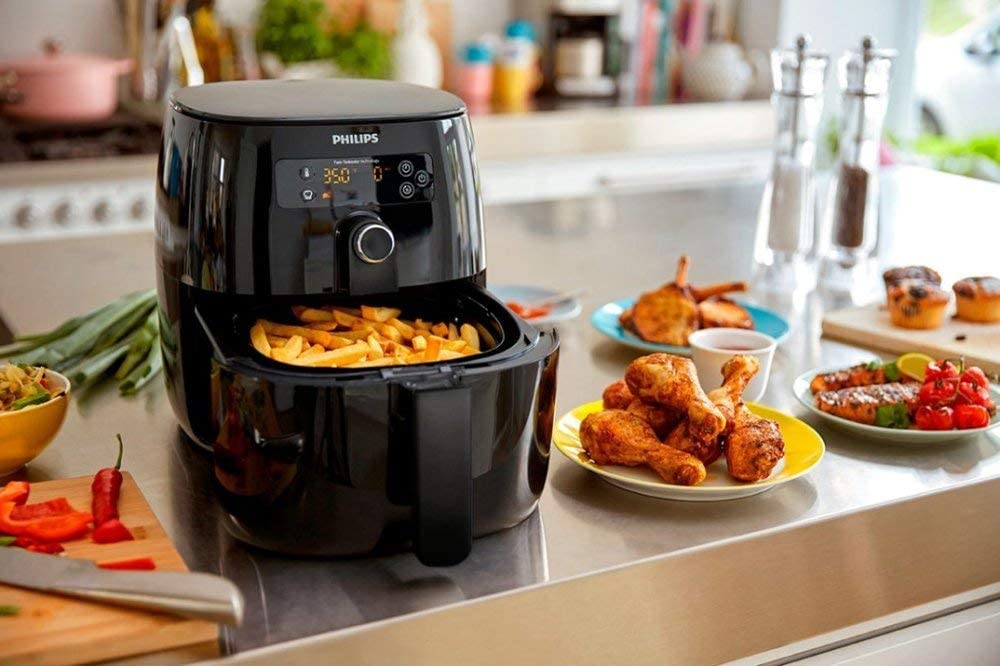
One big reason behind the air fryer’s popularity is how easy it is to use. You do not need to be a skilled cook to get good results. Most models have clear buttons or dials, and many brands include a recipe booklet for beginners.
Just set the temperature and timer, place your food inside, and let the air fryer do the work. Even reheating leftovers is simple; food stays crisp instead of soggy, unlike with a microwave.
Many people who never cooked before say the air fryer helped them start. This is especially true for college students, busy workers, and older adults who want something simple and reliable.
A non-obvious insight: Air fryers can help people with disabilities or limited hand strength. There is no need to lift heavy pots of oil or bend down to check an oven rack. This makes cooking more accessible for everyone.
Credit: www.realhomes.com
Social Media And The “wow” Factor
Air fryers are not just a kitchen tool—they are a social media trend. Platforms like TikTok, Instagram, and YouTube are full of air fryer recipes, tips, and hacks. People love to share their “before and after” food photos, and the results often look amazing.
This online buzz creates a feedback loop: Seeing others make delicious food in minutes makes you want to try it yourself. Brands and influencers run challenges, share recipes, and even review different models.
A unique insight: The “crunch test” videos, where people tap or bite into air-fried food to show off the texture, have gone viral. This makes air fryers look fun and easy, helping drive sales and curiosity.
Compact Size And Modern Design
Unlike bulky ovens or deep fryers, air fryers are compact and stylish. They fit easily on a countertop and can be stored in a cabinet when not in use. Most air fryer models are about the size of a coffee maker, with a handle and a digital or analog control panel.
Design matters. Many people choose appliances that look good in their kitchen. Air fryers come in different colors and finishes, matching modern tastes.
A small but important detail: Air fryers do not make your kitchen smell like oil or fried food. The closed basket traps smells, and some models even have filters to reduce odors.
Credit: www.tastingtable.com
Affordable Options For Every Budget
When air fryers first appeared, they were expensive. Now, prices have dropped, and you can find air fryers from $40 to $300, depending on size and features. This makes them accessible to students, families, and anyone looking for a budget-friendly cooking tool.
Here are the main types you’ll find:
- Basic basket-style models: Simple controls, perfect for beginners.
- Digital models: Presets and touch screens.
- Multi-function air fryers: Combine air frying with baking, roasting, and dehydrating.
- Oven-style air fryers: Larger, with racks for cooking multiple foods.
Each type has strengths. For example, basket models are easy to use and clean, while oven-style air fryers can cook more food at once.
A common mistake: People often buy air fryers that are too small for their family size. Always check the basket capacity (in quarts or liters) before buying.
Environmental Impact
More people are thinking about how their choices affect the environment. Air fryers use less oil, which means less waste and fewer plastic bottles. They are also more energy-efficient than ovens, so they reduce your carbon footprint.
Some brands use recyclable materials for their baskets or packaging. While air fryers are not perfect for the planet (they’re still electronic devices), they are a step toward greener cooking compared to traditional deep frying.
Limitations And Common Complaints
No product is perfect. Air fryers have some drawbacks, and knowing them helps set the right expectations.
- Capacity: Most air fryers cook 1-2 servings at a time. Large families may need a bigger model or cook in batches.
- Learning curve: It can take time to find the right temperature and time for your favorite foods.
- Texture: Not every food gets perfectly crispy. Wet batters, for example, do not work well.
- Noise: The fan can be loud, especially in smaller kitchens.
- Counter space: While compact, air fryers still take up space.
These issues are minor for most users, but it’s good to know them before buying.
A practical tip: To cook more food, layer items with racks or stir halfway through. This helps food cook evenly and makes the most of the basket space.
How To Choose The Right Air Fryer
If you’re thinking about getting an air fryer, consider these factors:
- Capacity: For 1-2 people, a 2-3 quart model is enough. For families, look for 5 quarts or more.
- Controls: Analog dials are simpler; digital displays offer more presets.
- Shape: Basket-style models are best for fries and nuggets. Oven-style models are better for baking and roasting.
- Accessories: Some include racks, pans, or rotisserie forks.
- Cleaning: Removable, dishwasher-safe baskets save time.
- Price: Set a budget, but avoid the cheapest models—they may not last long.
A common beginner mistake is buying based on looks alone. Always check reviews, and if possible, see the model in person to get a feel for the size.
Air Fryers And Special Diets
Air fryers help people with different dietary needs. For example:
- Low-fat diets: Air fryers use less oil.
- Gluten-free diets: You can make your own gluten-free snacks.
- Vegetarian/vegan: Roasted veggies, tofu, and even plant-based nuggets come out well.
- Keto/low-carb: Cook meats, cheese crisps, and keto-friendly recipes easily.
People with allergies can avoid cross-contamination by cooking their own food in the air fryer, rather than using shared ovens or restaurant fryers.
Real-life Examples: How Air Fryers Change Habits
Let’s look at how air fryers make a difference in daily life.
- Parents: Quick chicken nuggets or veggie fries for kids, without the guilt of deep frying.
- Students: Heat up frozen snacks or leftover pizza in minutes.
- Health-conscious eaters: Enjoy crispy foods with less oil.
- Seniors: Safe, easy cooking with less bending and lifting.
A story from a user: “I used to hate cooking after work, but now I just pop some salmon and veggies in the air fryer. Dinner is ready in 15 minutes, and I feel good about what I’m eating.”

Credit: www.youtube.com
Air Fryer Myths And Truths
There are many rumors about air fryers. Let’s clear up some common ones.
- Myth: Air fryers use no oil at all.
- Truth: Most recipes need a small amount of oil for best results.
- Myth: Air-fried food tastes exactly like deep-fried.
- Truth: The texture and flavor are close, but not always the same.
- Myth: Air fryers are dangerous.
- Truth: They are much safer than deep fryers, with fewer burns and fires.
The Future Of Air Fryers
Air fryers are not just a passing trend. Manufacturers are adding smart features, like app controls, voice activation, and even AI cooking assistants. New models are larger, quieter, and can handle more complex recipes.
Some experts believe air fryers will become as common as microwaves in the next decade. As more people look for healthy, convenient, and energy-saving ways to cook, air fryers will likely stay popular.
For further reading on air frying technology and healthy eating, check out Wikipedia’s air fryer article.
Frequently Asked Questions
What Foods Should I Avoid Putting In An Air Fryer?
Wet batters (like tempura or pancake batter) do not work well in air fryers. The batter can drip through the basket and make a mess. Foods with a lot of liquid or sauce can also splatter or burn.
Can I Use Aluminum Foil Or Parchment Paper In An Air Fryer?
Yes, but always make sure the paper or foil does not block the airflow. Cut it to fit the basket, and never let it touch the heating element. This helps food cook evenly and prevents fires.
How Do I Clean My Air Fryer?
Wait until the air fryer is cool. Remove the basket and tray, and wash them with warm soapy water or place them in the dishwasher if they are dishwasher-safe. Wipe the inside with a damp cloth. Avoid harsh cleaners or metal tools that can damage the non-stick coating.
Is Air-fried Food Healthier Than Oven-baked Food?
Air-fried food is often lower in fat than deep-fried, but similar to oven-baked food. The main benefit is the crispy texture with less oil. Both air frying and baking can be healthy, depending on the ingredients and recipes.
Why Do My Air-fried Foods Sometimes Come Out Soggy?
This can happen if the basket is too full or if you forget to shake or turn the food halfway through cooking. Make sure to leave space for air to circulate, and cook in batches if needed. Using a small amount of oil can also help crisp up the surface.
Air fryers changed the way many people cook and eat. They offer a mix of healthy, fast, and tasty food options—without the mess and risk of deep frying. Whether you’re a busy parent, a student, or just someone who loves crispy snacks, it’s easy to see why air fryers are so popular.
As technology advances and more recipes appear, the air fryer’s spot in our kitchens seems set for the long term.