
Moving a sofa through a door can feel like solving a giant puzzle. Many people worry their furniture will get stuck, scratched, or even broken. But with the right plan, a few key tools, and some helpful tricks, you can save time—and avoid damaging your sofa or your home.
Whether you live in a small apartment, a house with narrow doorways, or you’re helping a friend move, understanding how to move a sofa through a door is a skill that can make your life much easier.
This guide walks you through every part of the process. You’ll learn how to measure, prepare, and move your sofa safely—even if you’re doing it alone. It also covers how to tackle tight corners, what to do if your sofa really won’t fit, and how to avoid common mistakes.
By the end, you’ll have the confidence and knowledge to move almost any sofa through a door without stress.
Understanding Sofa And Doorway Measurements
Before you start, it’s important to know exactly what you’re working with. Not all sofas or doorways are the same size. Measuring is the key step people often overlook, and it’s the reason many get stuck halfway.
Measuring Your Sofa
Start by measuring the width, height, and depth of your sofa. Use a tape measure and write down these numbers:
- Width: From one armrest to the other.
- Height: From the floor to the highest point (usually the backrest).
- Depth: From the front edge to the back.
Don’t forget to measure with any legs or cushions attached, unless you plan to remove them.
Measuring The Doorway
Next, measure the width and height of the doorway you’ll use. Check if there’s a raised threshold or molding that reduces space. Also, measure the hallway or entry space right outside the door, since you’ll need room to turn or angle the sofa.
Comparing Sizes
Now, compare your sofa’s dimensions with the doorway’s. If the sofa is larger in any direction, you’ll need to get creative. Here’s a quick way to check if it will fit:
| Measurement | Sofa | Doorway | Fits? |
|---|---|---|---|
| Width | 84 inches | 36 inches | No (too wide straight) |
| Height | 34 inches | 80 inches | Yes |
| Depth | 38 inches | 36 inches | No (must tilt or angle) |
If any sofa dimension is bigger than the doorway, you’ll need to try tilting, removing parts, or using another method.
Preparing Your Sofa And Home
Preparation is just as important as the move itself. If you skip these steps, you risk damage or extra stress.
Cleaning And Clearing The Path
A clean sofa is less likely to leave marks. Vacuum any loose dirt and check for items stuck under cushions. Clear a path from the sofa to the door—move rugs, tables, shoes, and anything else that might get in the way.
Removing Sofa Parts
Many sofas have removable legs, cushions, or even arms. Taking these off can reduce the size by several inches. Use a screwdriver or wrench if needed. Store screws and small parts in a labeled bag, so you can reassemble later.
Some sofas also have “quick-release” levers for easy leg removal. If you’re not sure, check your sofa’s manual or look underneath for bolts.
Protecting The Sofa And Door Frame
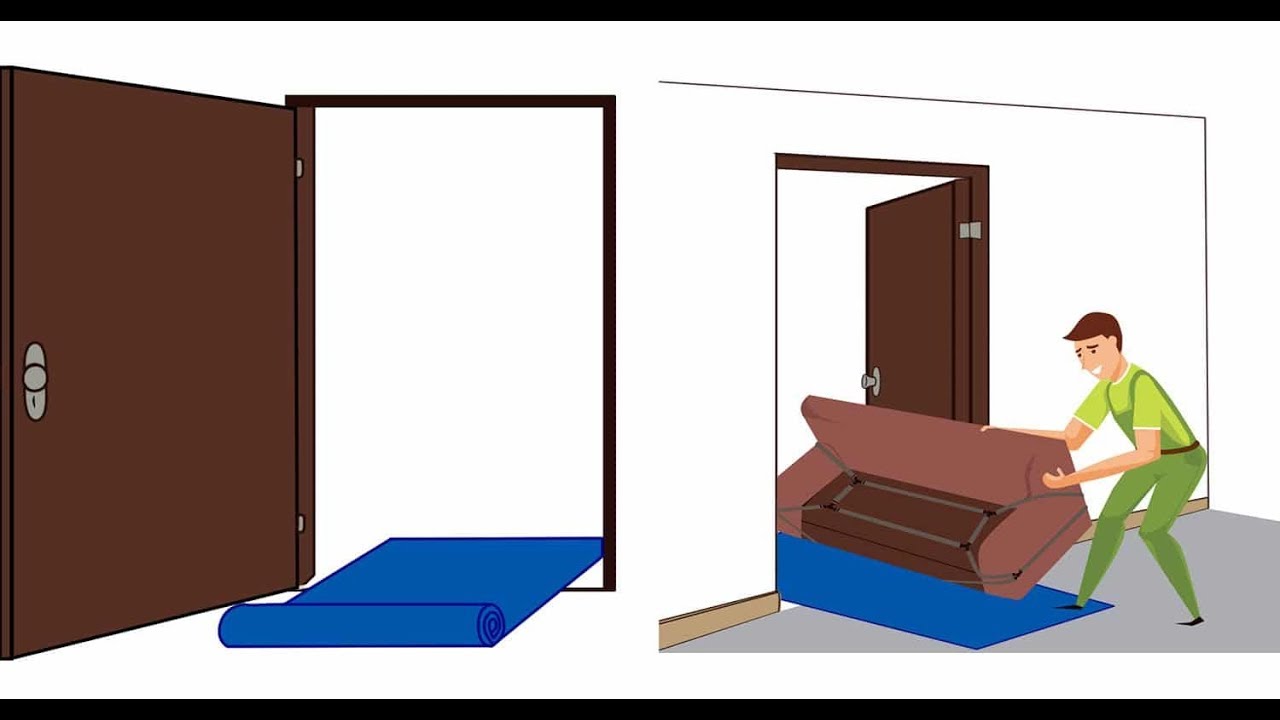
Wrap the corners and edges of your sofa with moving blankets or towels, securing them with tape or rubber bands. This prevents scratches and dents. For extra protection, use plastic wrap to keep the material clean.
On the door frame, use cardboard or blankets. Tape them loosely so they won’t shift during the move.
Removing Doors (if Necessary)
In some cases, you can gain an inch or more of space by taking the door off its hinges. Use a hammer and screwdriver to gently tap out the hinge pins, then lift the door away. Store the pins and screws in a safe place.
Choosing The Best Moving Technique
There’s more than one way to move a sofa through a door. The right method depends on the size, shape, and how much help you have.
The Straight Push
If your sofa is smaller than the doorway in every direction, you can usually carry it straight through. This is the easiest method, but not always possible.
The Tilt-and-turn (“hook” Method)
Most people need to use the “hook” method. Stand the sofa on its end (so the seat and back form an L-shape), then angle it so the back goes through the door first. “Hook” the top inside, then swing the bottom through, tilting as needed.
This method works because most doorways are taller than they are wide. Angling the sofa can reduce the space needed by several inches.
Sliding On A Blanket
If the floor is smooth, place a thick blanket or furniture slider under the sofa. This lets you slide it instead of lifting, which is easier on your back and reduces risk of dropping.
Carrying With Two Or More People
Moving a sofa is rarely a one-person job. With two people, one should guide the sofa from the front, while the other pushes or pulls from behind. Communicate clearly, especially when changing angles or tilting.
If you need to move the sofa up or down stairs, keep the heavier end lower (usually the seat). This keeps control and balance.
Using Moving Straps
Moving straps can make lifting easier and reduce strain. They also allow you to keep your hands free for stabilizing the sofa. Adjust the straps to your heights, and lift together with your legs—not your back.
Removing Hinges Or Door Stops
If the sofa still won’t fit, you may need to remove door stops or molding around the frame. Pry gently with a flat tool, and replace the pieces after the move.
Handling Tight Spaces And Corners
The real challenge comes when you meet a tight hallway, staircase, or sharp corner. Here’s how to manage these tricky spots.
Angling Through A Hallway
If the hallway is narrow, carry the sofa vertically (standing up) instead of flat. This gives you more room to maneuver. Turn the sofa slowly, keeping an eye on both ends.
Navigating Stairs
Staircases are often the hardest part. Always have at least two people, and use moving straps if possible. Keep the bottom end lower, and move slowly. Protect banisters and walls with blankets.
If the stairs turn, you may need to stand the sofa on its end and “pivot” around the corner. Communicate with your partner to avoid pinching fingers.
Using The Window As A Last Resort
If the sofa simply won’t go through the door or hallway, consider taking it out a window—if it’s safe and not too high. Remove the window sash (the part that slides), and use rope or professional movers to lower or lift the sofa.
Disassembling The Sofa
Some sofas are designed to come apart. Sectionals, for example, can be separated into smaller pieces. For standard sofas, check if the arms or back can be unscrewed. If you’re handy, you can remove screws or bolts—but be sure you can reassemble everything afterward.
Here’s a quick comparison of disassembly options:
| Sofa Type | Can Disassemble? | Tools Needed |
|---|---|---|
| Sectional | Yes (usually) | Hands, maybe Allen key |
| Standard sofa | Sometimes (legs, arms) | Screwdriver, wrench |
| Sleeper sofa | Yes (remove mattress) | Screwdriver |
:max_bytes(150000):strip_icc()/move-sofa-couch-through-door-2436333-08-525102acbefa48ad97daabc11a9a9302.jpg)
Credit: www.thespruce.com
Common Mistakes To Avoid
Even with the best plan, mistakes can happen. Here are some errors you should watch for:
- Skipping measurements: Guessing often leads to getting stuck or damaging the sofa.
- Forgetting to clear the path: Small items can trip you or scratch the sofa.
- Not removing sofa legs or cushions: These parts often add extra inches.
- Trying to force the sofa through: Pushing too hard can break the frame or rip fabric.
- Ignoring door stops or trim: Removing these can make a surprising difference.
- Not protecting your home and furniture: Scratches and dents can be expensive to fix.
- Lifting with your back: Always lift with your legs to prevent injury.
A less obvious mistake is not checking for obstacles outside the door—such as cars, bikes, or low ceilings. Plan your route all the way to the moving truck or next room.
Tools And Materials That Make The Job Easier
You don’t need expensive tools, but a few key items can make a big difference. Here’s what to gather before you start:
- Tape measure: For accurate measurements.
- Moving blankets or towels: Protects both sofa and door frame.
- Furniture sliders: Helps slide heavy sofas across floors.
- Screwdriver or wrench: For removing legs, arms, or doors.
- Plastic wrap: Keeps fabric clean and tight.
- Moving straps: Reduces lifting strain and improves control.
- Work gloves: Protects your hands from splinters and scrapes.
- Duct tape or painter’s tape: Secures blankets or protects sharp edges.
Many of these can be borrowed from friends or rented from a local hardware store.
Credit: www.youtube.com
What To Do If The Sofa Still Won’t Fit
Sometimes, even after trying every trick, the sofa won’t go through the door. Don’t panic—there are still options.
Try A Different Door
Check if another door, such as a back or patio door, is wider or has fewer obstacles. Sometimes removing a window screen or using a sliding door can make a difference.
Disassemble Further
Some sofas can be taken apart more than you might think. Check the manufacturer’s website for instructions. Removing the back or arms may take time, but it can save your sofa.
Hire Professional Movers
If the sofa is expensive or very large, consider hiring professional movers. They have special tools, insurance, and experience with tough moves. This can also save you from injury or damage.
Sell Or Donate
If all else fails, you might decide the sofa just isn’t right for your space. Selling or donating it can be a smart choice. Many charities will pick up large items for free.
Tips For Moving Different Types Of Sofas
Not all sofas are created equal. Here’s how to handle some common types:
Sectional Sofas
Sectionals usually come apart into smaller pieces, which makes moving easier. Label each section with tape so you know how to put it back together.
Sleeper Sofas
These are heavier due to the mattress inside. Remove the mattress first, and carry the frame separately. Use extra help—these can be very heavy.
Reclining Sofas
Recliners often have a release handle to remove the back for easier transport. Check the manual for details.
Antique Or Delicate Sofas
Use extra padding, and move slowly. These are often weaker and can break under stress. Consider hiring professionals if you’re worried about value.

Credit: www.xtraspace.co.za
Moving A Sofa Alone: Is It Possible?
It’s always safer and easier with help. But sometimes, you have no choice. Here’s how to move a sofa through a door by yourself:
- Remove all detachable parts to lighten the load.
- Use furniture sliders or a folded blanket to drag the sofa, not lift it.
- Protect corners and door frames with padding.
- Move slowly, resting often.
- If you must lift, use your legs and keep your back straight.
If the sofa is very heavy, do not risk injury. Ask neighbors for help, or wait until you can get assistance.
Planning Ahead: Buying Sofas That Fit
If you’re buying a new sofa, measure your doorways and staircases first. Many stores provide “fit guides.” Some modern sofas are designed to come apart for easy moving—look for these features:
- Modular construction: Comes in pieces you assemble at home.
- Removable legs and arms: Makes fitting through doors easier.
- Sofas-in-a-box: Delivered in smaller boxes, assembled inside.
Here’s a quick comparison of common sofa features:
| Feature | Benefits | Good For |
|---|---|---|
| Modular design | Fits anywhere, easy to move | Small apartments, narrow doors |
| Removable arms/legs | Reduces size by 4-8 inches | Older homes, tight spaces |
| Traditional sofa | Sturdier, less assembly | Large homes, wide doors |
Ask the store for delivery options or “white glove” service—they’ll often assemble the sofa for you.
Eco-friendly And Safe Disposal
If you need to get rid of your old sofa, don’t just leave it on the curb. Many cities have special rules for large furniture. Consider these options:
- Donate to a local charity or shelter.
- Recycle if possible—some centers accept sofas for a fee.
- Sell online or at a yard sale.
- Contact your city for bulky item pickup schedules.
Safe disposal protects the environment and helps others. For more about recycling furniture, see the EPA’s guide.
Safety Tips And Injury Prevention
Moving heavy furniture can be risky if you’re not careful. Here’s how to stay safe:
- Warm up before lifting heavy items.
- Lift with your legs, not your back.
- Ask for help if the sofa is too heavy or large.
- Use gloves to avoid splinters and cuts.
- Keep pets and children out of the way.
- Take breaks if you get tired.
Don’t rush. Most injuries happen when people hurry or try to do too much alone.
Frequently Asked Questions
How Can I Tell If My Sofa Will Fit Through The Door?
Measure the height, width, and depth of your sofa, and compare these to your doorway. If any sofa measurement is larger than the door’s width or height, you’ll need to tilt, angle, or disassemble the sofa. Always allow a few extra inches for moving and padding.
What If My Sofa Gets Stuck In The Doorway?
Stay calm. Do not force the sofa, as this can damage both the sofa and the door frame. Back out slowly, and try a different angle or remove more parts (such as legs or arms). If needed, take off the door from its hinges to gain extra space.
Can One Person Move A Sofa Through A Door?
It’s possible with small or lightweight sofas, especially if you use furniture sliders or blankets to drag the sofa. Remove all detachable parts first. However, for larger sofas, always ask for help to avoid injury and damage.
Should I Hire Professional Movers For My Sofa?
If your sofa is very large, valuable, or you need to move it up stairs or through very tight spaces, professional movers are a smart choice. They have experience, tools, and insurance in case something goes wrong.
How Do I Protect My Walls And Door Frames When Moving A Sofa?
Wrap the sofa in moving blankets or towels, and secure padding around sharp corners. Use painter’s tape or cardboard to cover the door frame and walls. Move slowly, and communicate clearly with your helpers to avoid sudden bumps.
Moving a sofa through a door doesn’t have to be a nightmare. With good planning, the right tools, and a little patience, you can move almost any sofa safely and efficiently. Remember to measure first, protect your home and furniture, and don’t hesitate to ask for help if you need it.
Every move gets easier with experience—and your sofa (and your back) will thank you.