
Keeping your linen sofa clean can feel like a challenge, especially if you have kids, pets, or simply love to entertain. Linen looks beautiful and feels soft, but it’s also known for showing stains, attracting dust, and sometimes wrinkling easily. Many people worry about damaging the fabric or making stains worse by using the wrong cleaning method. If you want to make your linen sofa last, knowing how to clean it safely is essential.
Whether your sofa is a family gathering spot, a quiet reading nook, or the centerpiece of your living room, keeping it fresh and stain-free will keep your home looking and feeling inviting. This guide will show you exactly how to clean a linen sofa, step by step, with practical advice and useful tips that go beyond basic vacuuming.
You’ll learn how to deal with stains, regular maintenance, mistakes to avoid, and even how to revive the fabric’s natural beauty. With this knowledge, you’ll be confident in caring for your linen upholstery—no matter what life throws at it.
Understanding Linen Fabric
Linen is a natural fiber made from the flax plant. It is known for its strength, breathability, and soft texture. However, it also has a few characteristics that affect cleaning:
- Absorbency: Linen soaks up spills quickly, so stains can set fast.
- Delicacy: The fabric can shrink or lose its shape if cleaned with harsh chemicals or too much water.
- Wrinkling: Linen creases easily, which is part of its charm, but can look messy if not cared for.
Because of these traits, cleaning a linen sofa is different from cleaning synthetic fabrics like microfiber or polyester. Always use gentle methods and avoid over-wetting the fabric.
Preparing To Clean Your Linen Sofa
Before you start, take some time to prepare. This will help you avoid damage and get better results.
1. Check The Care Label
Every sofa should have a care label, often found under the seat cushions or underneath the frame. Look for cleaning codes:
- W: Water-based cleaners are safe.
- S: Use solvent-based cleaners only.
- WS: Both water and solvent are safe.
- X: Only vacuum or brush.
If you can’t find a label, check your manufacturer’s website or contact them directly.
2. Test In A Hidden Spot
Before using any cleaner, apply it to a small, hidden area of the sofa. Wait 15-20 minutes to see if there’s discoloration, shrinkage, or any negative reaction.
3. Gather Supplies
You’ll need:
- A vacuum with upholstery attachment
- White microfiber cloths (colored cloths can bleed)
- Distilled water (tap water can leave marks)
- Mild detergent (pH-neutral, no bleach)
- Baking soda
- Soft-bristle brush
- Spray bottle
- Rubbing alcohol (for solvent cleaning)
- Small bowl
- Absorbent towels
- Remove Cushions and Loose Items
Take off all pillows, throws, and removable cushions. This makes it easier to clean all areas.
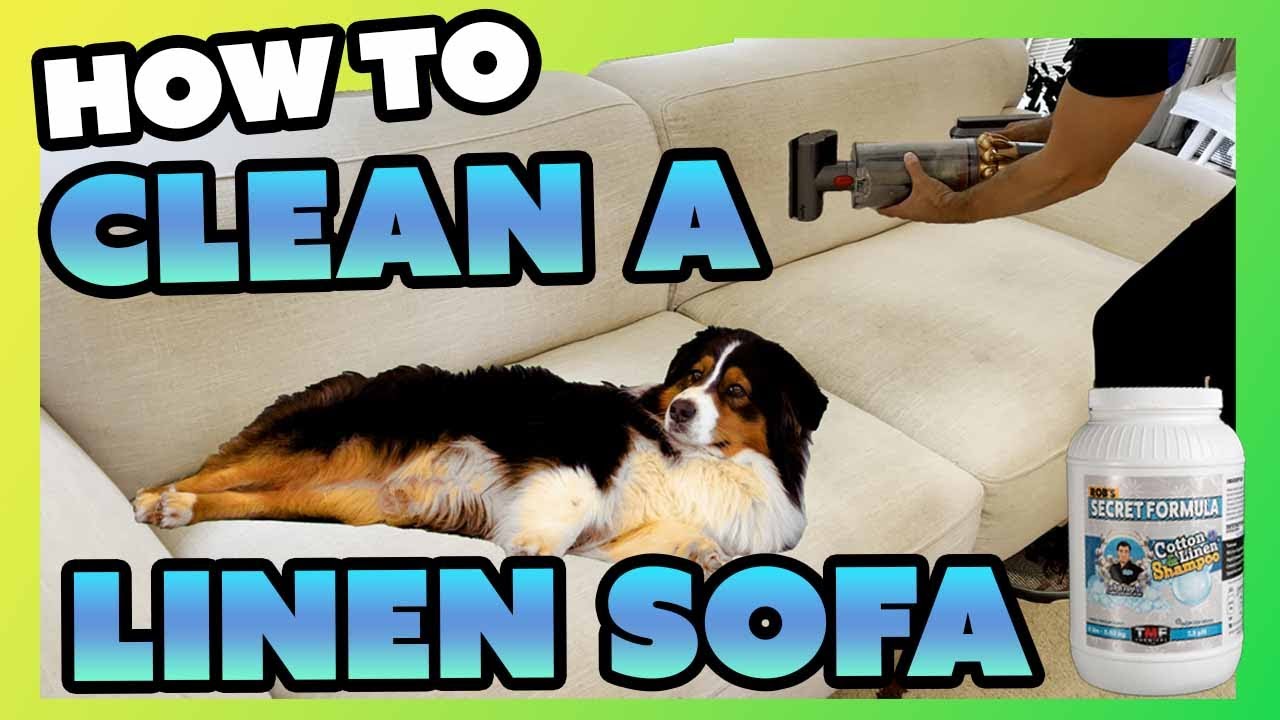
Credit: www.youtube.com
Regular Maintenance: The Foundation Of A Clean Sofa
Routine care will keep your linen sofa looking fresh and prevent dirt from building up. Here’s how:
Weekly Vacuuming
Use the upholstery attachment of your vacuum. Clean the entire surface, including the arms, back, and sides. Focus on seams and crevices—crumbs and dust tend to collect there.
Fluff And Rotate Cushions
Linen can stretch and sag if you always sit in the same spot. Fluff and rotate the cushions each week to keep them even and prevent wear marks.
Air Out Your Sofa
Open windows and allow fresh air to circulate around your sofa. This helps remove odors and moisture, which can cause mildew.
Quick Dusting
If you don’t have time for a full vacuum, use a clean, dry microfiber cloth to wipe down the sofa. This lifts dust and keeps the fabric looking crisp.
Spot Cleaning Spills And Stains
Spills are inevitable. Quick action makes all the difference with linen upholstery.
Step-by-step Spot Cleaning
- Blot, Don’t Rub
- Use a clean, dry cloth to gently blot (not rub) the spill.
- Press down to absorb as much liquid as possible.
- Rubbing will push the stain deeper into the fibers.
- Mix a Mild Cleaner
- In a small bowl, combine a teaspoon of gentle detergent with two cups of distilled water.
- For “S” code sofas, use rubbing alcohol instead of water.
- Test the Solution
- Dab a little on an inconspicuous area. Wait 10 minutes.
- Clean the Stain
- Dip a clean cloth into your solution.
- Blot the stain, working from the outside in, to prevent spreading.
- Avoid soaking the area.
- Rinse Carefully
- With another cloth, dab the spot with plain distilled water to remove soap residue.
- Dry Fast
- Blot with a dry towel.
- Point a fan at the spot or open a window for faster drying.
Common Stain Solutions
Here are some tips for tough stains:
- Red Wine: Blot up as much as possible, sprinkle baking soda over the stain, let sit for 15 minutes, then vacuum. Use the mild soap method above.
- Coffee/Tea: Same as red wine, but you may need to repeat the process.
- Grease/Oil: Place baking soda or cornstarch on the stain, let sit 20 minutes, and vacuum. Blot with rubbing alcohol if your sofa’s care code allows.
- Ink: Dab (do not rub) with rubbing alcohol on a cloth.
Non-obvious insight: Always use white cloths—colored ones can transfer dye, making stains worse.
Deep Cleaning Your Linen Sofa
Every few months, your sofa will need a more thorough clean to remove grime, body oils, and embedded dirt.
Dry Cleaning At Home
For “S” or “WS” code linen sofas, you can use a solvent-based upholstery cleaner. Always follow the product instructions.
- Ventilate the Room
- Open windows and doors. Some solvents have strong fumes.
- Apply Cleaner
- Spray lightly on a small section.
- Gently brush with a soft-bristle brush.
- Blot and Air Dry
- Blot with a clean cloth. Do not rinse with water.
- Let air dry completely before sitting.
Wet Cleaning For “w” And “ws” Sofas
If your label allows water-based cleaning:
- Vacuum First
- Remove all loose dirt and dust.
- Mix Soapy Water
- Use a pH-neutral, gentle soap and distilled water.
- Apply and Agitate
- Lightly dampen a cloth, never soak.
- Gently rub in circles over the fabric.
- Rinse and Dry
- Wipe away soap with a clean, damp cloth.
- Blot with a dry towel and let air dry.
Steam Cleaning: Is It Safe?
Steam cleaning can be risky for linen. Too much heat or moisture may cause shrinkage or watermarks. Only use a steam cleaner if your sofa’s care label says it’s safe, and always test on a small area first.
Non-obvious insight: Over-wetting is the most common mistake. Linen dries slowly and can mildew if left damp.
Dealing With Odors And Allergens
A linen sofa can start to smell musty, especially in humid climates or homes with pets.
Freshening Methods
- Baking Soda: Sprinkle a light layer over the entire sofa. Let sit for 30 minutes, then vacuum thoroughly.
- Vinegar Spray: Mix equal parts distilled water and white vinegar in a spray bottle. Lightly mist the sofa (do not soak). Vinegar neutralizes odors and disappears as it dries.
- Sunlight: If possible, move cushions to a sunny spot for a few hours. Sunlight is a natural deodorizer and helps kill dust mites.
Reducing Allergens
Regular vacuuming with a HEPA filter helps trap dust, pollen, and pet dander. Washing removable covers (if allowed) in hot water also reduces allergens.

Credit: www.arloandjacob.com
Removing Wrinkles From Linen Upholstery
Wrinkles are part of linen’s natural charm, but they can look sloppy if left unchecked.
- Light Spritzing: Fill a spray bottle with distilled water and lightly mist the wrinkled areas. Smooth with your hands and let air dry.
- Steaming: Use a handheld garment steamer, keeping it several inches from the fabric. Move quickly and avoid soaking the fabric.
- Ironing: Only iron if the cushion covers are removable and the care label allows it. Use a low-heat setting.
Pro tip: Never iron linen directly on the sofa—you could scorch or flatten the fibers.
Caring For Removable Linen Sofa Covers
Some linen sofas have removable covers. These are easier to clean, but require care.
Washing Tips
- Check the Label
- Only machine-wash if the care instructions say it’s safe.
- Use cold water and a gentle cycle.
- Use Mild Detergent
- Avoid bleach, brighteners, or fabric softeners.
- Air Dry Only
- Never use a dryer. Lay flat or hang to dry, reshaping as needed.
- Iron Inside-Out
- If covers are wrinkled, iron inside-out on a low setting while still slightly damp.
Zippers And Fasteners
Zip or button covers before washing to prevent stretching and damage.
Expert tip: Wash all covers at the same time—even if only one is stained. This keeps the color and wear even.
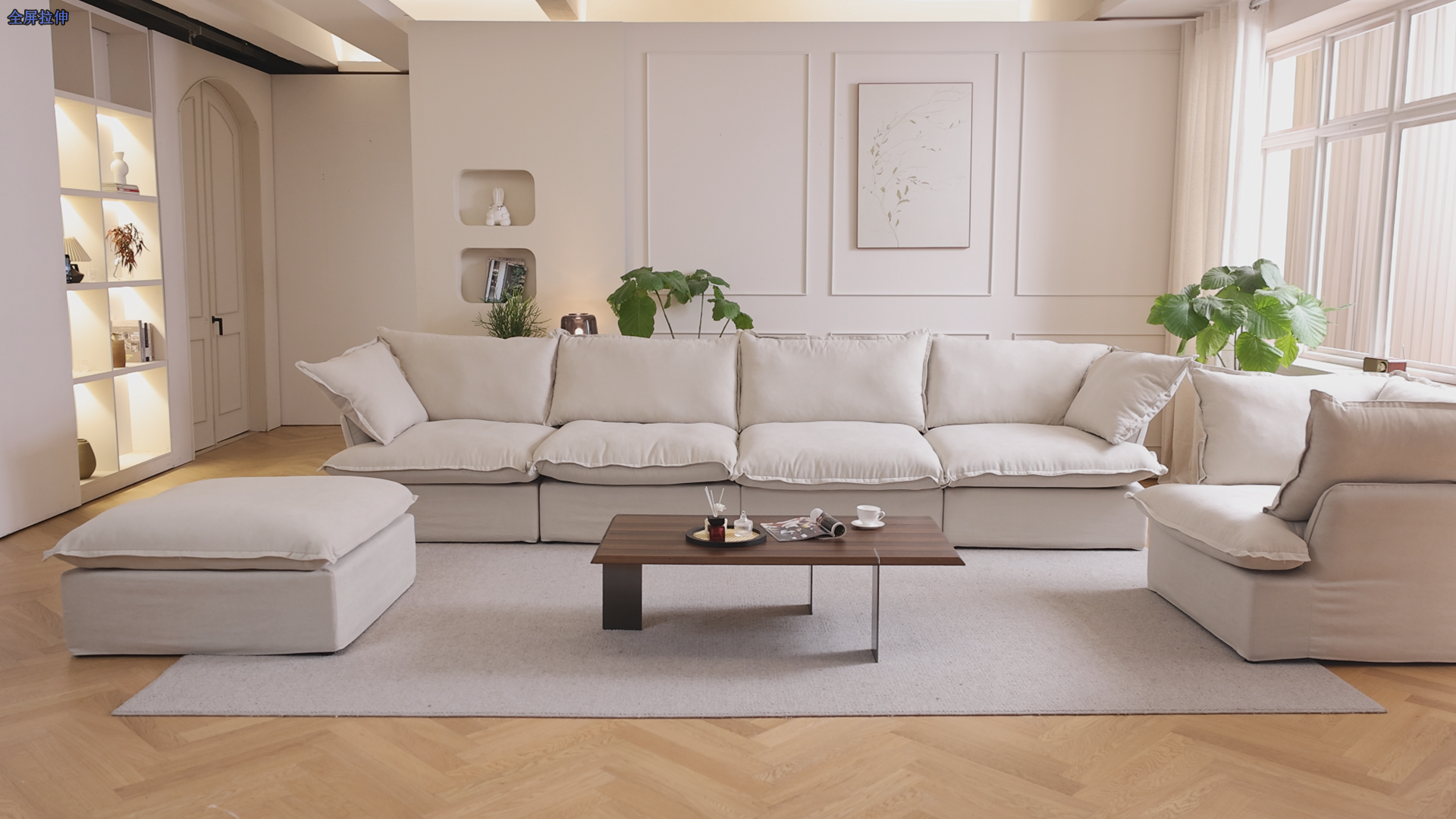
Credit: atunushome.com
How To Protect Your Linen Sofa
Prevention is the easiest way to keep your sofa looking new.
- Use Slipcovers: A slipcover can be removed and washed easily, taking the brunt of everyday dirt.
- Apply Fabric Protector: Some sprays help repel stains and water. Test on a small spot before treating the whole sofa.
- Rotate Seats and Cushions: Regularly move cushions around to even out wear.
- No Eating or Drinking: Set house rules if possible, especially for kids and guests.
Mistakes To Avoid When Cleaning Linen Sofas
Even with the best intentions, it’s easy to make mistakes. Here are some common errors and how to avoid them:
1. Over-wetting The Fabric
Linen absorbs water quickly, but dries slowly. Too much moisture can cause mildew, water stains, or even shrinkage. Always use as little liquid as possible.
2. Using Bleach Or Harsh Chemicals
Strong cleaners can weaken linen fibers and cause fading or yellowing.
3. Scrubbing Stains Aggressively
Rubbing can push stains deeper and damage the weave. Always blot gently.
4. Skipping The Patch Test
Even “safe” cleaners can react with dyes or finishes. Always test first.
5. Not Drying Thoroughly
Damp linen can smell musty and attract mold. Use fans or sunlight to speed drying.
6. Ignoring The Care Label
Manufacturers know their fabrics best. If the label says “dry clean only,” don’t risk water or steam.
7. Vacuuming With A Dirty Attachment
A vacuum brush with old debris can transfer dirt back onto your sofa. Clean attachments before use.
8. Letting Stains Sit
Old stains are much harder to remove. Treat spills as soon as they happen.
9. Using Colored Cloths
Dye from cleaning rags can bleed and make stains worse. Stick to white.
10. Overloading Washing Machines
If you have removable covers, don’t wash with heavy items or overload the drum—this stretches the fabric.
Comparing Linen Sofa Cleaning Methods
Below, you’ll find a comparison of common cleaning techniques for linen sofas.
| Method | Best For | Risks | Frequency |
|---|---|---|---|
| Vacuuming | Dust, crumbs, light dirt | Minimal (unless attachment is dirty) | Weekly |
| Spot Cleaning | Fresh stains, spills | Water rings if over-wet | As needed |
| Dry Cleaning | Deep dirt, oil-based stains | Harsh solvents may damage fabric | Every 3-6 months |
| Steam Cleaning | Deep clean, sanitizing | Shrinkage, water stains | Rarely, only if allowed |
Professional Vs. Diy Cleaning: What’s Right For You?
Some stains and odors just won’t budge with home methods. Here’s how professional and DIY cleaning compare:
| Aspect | Professional Cleaning | DIY Cleaning |
|---|---|---|
| Cost | High ($100–$300 per sofa) | Low (supplies under $30) |
| Time | 2–4 hours (includes pickup/return) | 1–2 hours for deep clean |
| Effectiveness | Removes tough stains, odors | Good for routine cleaning |
| Risk | Low (experts handle fabric) | Higher if wrong method used |
When Should You Call A Professional?
- Large or set-in stains that don’t come out after two attempts
- Water or mold damage
- Delicate or vintage linen sofas
- After years of no cleaning (for a full refresh)
Professional cleaners use advanced techniques like low-moisture extraction and special solvents that are safe for linen. If you’re unsure, call a professional to avoid expensive mistakes.
For more about sofa care and cleaning codes, visit the Upholstery Wikipedia page.
Tips For A Longer-lasting Linen Sofa
- Keep out of direct sunlight: UV rays can fade linen over time.
- Tackle stains immediately: The faster you act, the easier to clean.
- Vacuum regularly: This prevents dirt from becoming embedded.
- Rotate seating spots: Distribute wear evenly.
- Avoid harsh chemicals: Stick to gentle, pH-neutral products.
- Add throws or decorative covers: These catch spills and can be washed easily.
- Educate your family: Let everyone know how to care for the sofa.
Frequently Asked Questions
How Often Should I Clean My Linen Sofa?
For daily maintenance, vacuum once a week and spot-clean stains as soon as they happen. A deep clean is recommended every three to six months, depending on usage. If you have pets or allergies, consider more frequent vacuuming.
Can I Use A Steam Cleaner On My Linen Sofa?
Only use a steam cleaner if your sofa’s care label clearly allows it. Linen is sensitive to heat and moisture, which can cause shrinkage or water stains. Always test a small area first and keep the steamer moving to avoid soaking the fabric.
What Should I Do If My Linen Sofa Gets A Water Stain?
Blot the area immediately with a dry towel. Then, gently dab with a cloth dampened with distilled water to even out the mark. Dry quickly with a fan or hairdryer on a cool setting. Avoid scrubbing, as this can make the stain worse.
Is Baking Soda Safe For Linen Upholstery?
Yes, baking soda is safe for linen and works well for removing odors and some stains. Sprinkle lightly, let sit for 15–30 minutes, then vacuum thoroughly. Always vacuum well to avoid leaving residue behind.
Can I Remove Linen Sofa Covers And Wash Them In The Machine?
Check the care label first. Some linen covers are machine-washable on a gentle, cold cycle, but many require dry cleaning. Never use a dryer—air dry to prevent shrinkage. If in doubt, consult the manufacturer or a professional cleaner.
Caring for a linen sofa takes a bit more attention, but the rewards are worth it. With the right approach, your sofa will stay beautiful, comfortable, and inviting for years to come. Follow these tips, avoid common mistakes, and your linen upholstery will always look its best—even in a busy home.