
Vinyl plank flooring has become a popular choice for bathrooms, thanks to its affordable price, stylish look, and water-resistant features. But while it’s true that modern vinyl planks handle moisture better than wood or laminate, bathrooms are unique environments. Daily showers, steamy baths, and accidental splashes mean even tough flooring can face trouble if not protected well. Many homeowners are surprised when they see edges curling, seams lifting, or mold growing under vinyl after just a few months.
Sealing vinyl plank flooring in your bathroom is the best way to boost its water resistance and make it last for years. However, the process isn’t as simple as just spreading some sealant. There are important steps before, during, and after sealing.
This guide will show you exactly how to seal vinyl plank flooring in a bathroom—step by step—so you can avoid common mistakes and protect your investment. Whether you’re installing new flooring or improving an existing one, these tips will help you achieve a waterproof, beautiful finish.
Why Seal Vinyl Plank Flooring In A Bathroom?
Bathrooms create one of the toughest environments for any flooring. Constant humidity, standing water, and cleaning chemicals all stress the material. While vinyl planks are designed to resist moisture, they are not fully waterproof at every seam, edge, or under the trim.
Sealing your bathroom’s vinyl plank flooring gives you several important benefits:
- Prevents water seepage: Even with tight joints, water can work its way between planks and cause damage to the subfloor.
- Reduces mold risk: Mold and mildew thrive in hidden, damp spaces. Sealing blocks moisture and keeps your bathroom healthier.
- Protects edges and seams: The most vulnerable spots are at the edges, around the tub, toilet, and baseboards. Sealing stops water from sneaking in.
- Extends flooring life: Regular water exposure can cause vinyl to warp, lift, or discolor. Sealing adds years to your floor’s useful life.
- Improves cleaning: Sealed floors are easier to wipe clean and less likely to stain.
Many homeowners believe “water-resistant” means “waterproof. ” This is not true, especially in high-moisture areas like bathrooms. Sealing is a simple, affordable step that prevents expensive repairs later.
Types Of Vinyl Plank Flooring: Understanding What You Have
Before you start, it’s important to know which type of vinyl plank flooring is in your bathroom. Different types need slightly different care and sealing methods.
| Type | Description | Water Resistance | Sealing Needed? |
|---|---|---|---|
| Luxury Vinyl Plank (LVP) | Thicker, wood-look planks that click or glue together | High (surface), moderate (seams) | Yes, at seams/edges |
| Rigid Core Vinyl (SPC/WPC) | Stone/plastic composite core, very durable | Very high, but seams still vulnerable | Yes, at perimeter/seams |
| Peel-and-Stick Vinyl | Thin, adhesive-backed planks | Low to moderate | Yes, full surface and seams |
Most modern bathroom floors use Luxury Vinyl Plank (LVP) or Rigid Core Vinyl. Both are good choices, but no type is immune to water damage at the seams or edges. Peel-and-stick vinyl is less common in bathrooms but needs even more sealing due to its thinness.
What To Check Before Sealing
Jumping straight into sealing can lead to problems if the floor isn’t ready. Take these steps first:
- Check the installation: Planks must be flat, tight, and secure. Gaps, lifted edges, or floating planks will let water in, no matter how much sealant you use.
- Clean thoroughly: Dirt, dust, and cleaning products stop sealant from sticking. Sweep, mop, and dry the floor completely.
- Inspect for damage: Look for cracks, deep scratches, or lifted seams. Repair these before sealing. Sealing over damage locks in moisture and can cause more problems.
- Test for moisture: If you have a crawlspace or suspect leaks, test the subfloor for moisture. Persistent dampness can ruin vinyl, even if sealed.
Non-obvious tip: Take pictures of your floor before sealing. If problems appear later, you have a record of the condition and the sealing job.
Tools And Materials You’ll Need
Gather all the tools and materials before starting. This will save time and prevent mistakes.
- Vinyl floor seam sealer: A special liquid or paste that fills seams and edges. Choose one made for your brand/type of vinyl.
- 100% silicone caulk: For sealing around tubs, toilets, and baseboards.
- Painter’s tape: To mask off areas you don’t want to seal.
- Rubber gloves: To protect your skin from chemicals.
- Utility knife: For trimming any raised edges or old caulk.
- Microfiber cloths: For cleaning and wiping excess sealant.
- Small brush or applicator: For precise application of sealant.
- Vacuum or broom: For dust and debris.
- Bucket and mop: For cleaning the floor before sealing.
- Plastic putty knife: To smooth caulk or remove old material.
- Respirator or mask: Some sealants have strong fumes.
- Fan or open window: Good ventilation is essential.
Pro insight: Not all seam sealers are created equal. Always check for “bathroom safe,” “flexible,” or “mold-resistant” on the label. Hardware store staff can help you pick the right product for your specific vinyl.
Preparing The Bathroom
A good sealing job starts with careful preparation. Don’t rush this part—skipping steps can lead to leaks or peeling later.
1. Clear The Room
Remove all rugs, baskets, toiletries, and any objects on the floor. If possible, take out the toilet (turn off water and unscrew bolts) and detach the baseboards. This allows you to seal the entire floor, including the edges that get the most water.
Tip: If you can’t remove the toilet, seal carefully around its base with silicone caulk.
2. Clean The Floor
Dirt, soap, and oils keep sealant from sticking. Sweep, vacuum, and mop the floor with a gentle, non-oily cleaner. Rinse with clean water and let it dry completely—at least 2 hours in a well-ventilated room.
3. Repair Damage
Check for any:
- Gaps between planks
- Lifted or curling edges
- Deep scratches
- Old, cracked caulk
Use a vinyl floor repair kit or replace damaged planks before sealing. For small gaps, a bit of matching filler works.
4. Tape Off Edges
Use painter’s tape to mask off the walls, tub, and any areas you don’t want sealant on. This gives you crisp lines and prevents messy cleanup.
Non-obvious tip: Run a thin bead of caulk under the baseboard if you cannot remove it, to block hidden water paths.
Sealing The Seams And Edges
The main targets for sealing are the seams between planks and the perimeter (edges) of the floor. Here’s how to do it right.
Step 1: Apply Seam Sealer
Most seam sealers come in a squeeze bottle or tube with a narrow tip. Start at the back of the bathroom and work toward the door.
- Hold the tip directly over the seam.
- Squeeze gently and run a thin, even bead along each seam. Don’t flood the seam—too much sealant can ooze out.
- Use a small brush or your gloved finger to press the sealant into the seam and smooth it flat.
- Wipe away extra sealant from the plank surfaces with a damp microfiber cloth immediately.
- Repeat for every seam, especially those near the tub, shower, or sink.
Let the seam sealer dry for the time recommended by the manufacturer (usually 4-24 hours). Avoid walking on the floor during this time.
Pro tip: For click-together vinyl, focus on seams near water sources. For glue-down or peel-and-stick, seal every seam.
Step 2: Seal The Perimeter With Caulk
The next step is to block water from sneaking under the floor at the edges.
- Cut the tip of your 100% silicone caulk at a 45-degree angle.
- Place the tip at the edge where the floor meets the wall, tub, or toilet.
- Squeeze out a smooth, continuous bead. Don’t leave gaps.
- Use a wet finger or plastic putty knife to smooth the bead.
- Remove painter’s tape before the caulk dries for a cleaner edge.
Pay extra attention to:
- The wall behind the toilet
- Around the bathtub or shower
- Base of the vanity
- Floor drains
Let the caulk cure fully (usually 24-48 hours) before exposing it to water.
Mistake to avoid: Never use latex caulk in a bathroom. It can crack and let water in. Only use 100% silicone.

Credit: www.2thesunnyside.com
Sealing Around Fixtures: Bathtub, Toilet, And Vanity
Bathrooms have many fixtures that create tricky gaps. Here’s how to seal around them for maximum protection.
Around The Bathtub Or Shower
These spots get the most water. Even a tiny gap can lead to big problems.
- If the tub sits on the vinyl floor, run a thick bead of silicone caulk along the joint.
- If the vinyl meets the edge of a shower pan, seal the joint carefully.
- For freestanding tubs, check all sides for gaps.
Around The Toilet
If you removed the toilet, apply a bead of caulk around the drain hole before replacing it. If the toilet stays in place:
- Run a neat bead of caulk around the base, pressing it into any gaps.
- Smooth the caulk and remove extra with a damp cloth.
Tip: Leave a small gap at the back of the toilet base for water to escape if there’s a leak. This is a plumbing safety trick.
Around The Vanity And Cabinets
Vanities often hide leaky pipes. Seal the floor along the vanity’s edge with silicone caulk, especially if the vanity has legs or does not touch the wall.
Insight: Water often runs under cabinets and sits there for days. A sealed edge makes cleaning easier and stops hidden mold.
Should You Seal The Entire Floor Surface?
Many people wonder if they should apply a clear, waterproof coating over the whole vinyl floor. The answer depends on your vinyl type and the manufacturer’s guidelines.
- For most modern LVP and rigid core vinyl, the surface is already sealed. Adding a coating can make the floor slippery or damage the finish.
- For older or peel-and-stick vinyl, some clear sealers (like acrylic or polyurethane) can help. Always test in a hidden spot first.
- Never use wax, oil, or solvent-based sealers on vinyl. These can ruin the look and break down the material.
If you do want to seal the surface, choose a product labeled “safe for vinyl” and follow the instructions exactly. Apply a thin, even coat with a microfiber applicator and let it dry fully.
Non-obvious tip: Too much surface sealer can make repairs difficult later. Focus on seams and edges unless your vinyl is very old or worn.

Credit: www.youtube.com
Drying And Curing: Timing Matters
Sealing is only effective if you give it time to dry and cure. Rushing this step is a common mistake.
- Seam sealers: Most need 4-24 hours to dry. Avoid walking on the floor and keep the bathroom well-ventilated.
- Silicone caulk: Needs 24-48 hours to fully cure, especially in humid bathrooms. Check the label for exact times.
- Surface sealers (if used): Can take up to 72 hours for full hardness.
Fact: Humidity slows drying. If your bathroom is damp, use a fan or dehumidifier to speed up the process.
Never run a shower or bath before the sealant is fully cured. Doing so can wash out the sealant, leaving seams and edges unprotected.
Testing Your Seal
After the sealant has cured, test your work before regular use:
- Check all seams and edges. They should look even, with no gaps or cracks.
- Pour a small amount of water on the floor and around the edges. Water should bead up and not soak in or disappear under planks.
- Look for leaks or damp spots 24 hours later. If you see any, touch up with more sealant as needed.
Pro insight: Check under the bathroom (if possible) for leaks, especially after the first few showers.
Long-term Maintenance Tips
Sealing is not a one-time job. With regular cleaning and a few smart habits, you can keep your floor looking great for years.
- Wipe up spills quickly—don’t let water sit on the floor.
- Clean with mild cleaners. Avoid bleach, abrasive powders, or wax-based products.
- Check caulk and seams every 6 months. Touch up any cracks or worn spots.
- Ventilate the bathroom after showers to reduce humidity.
- Keep bath mats dry and wash them often to prevent hidden moisture.
- Don’t drag heavy objects across the floor. This can open seams and break the seal.
Non-obvious tip: Some vinyl floors expand and contract with temperature. If you see new gaps in winter or summer, reseal them quickly before water gets in.
Common Mistakes To Avoid
Even careful DIYers can make errors. Here are the most frequent mistakes—and how to avoid them.
- Skipping cleaning: Dirt under the sealant leads to peeling and poor protection.
- Using the wrong sealant: Not all caulks or seam fillers work with vinyl. Always buy “vinyl-safe” and “bathroom grade.”
- Over-applying sealant: Too much can look messy and trap dirt.
- Not removing old caulk: Cracked or moldy caulk must be scraped out first.
- Walking on wet sealant: Footprints ruin the finish and open new gaps.
- Not sealing under the toilet or vanity: Water always finds the lowest path.
- Ignoring manufacturer guidelines: Some floors have special requirements. Check your warranty before sealing.
- Forgetting to ventilate: Fumes from some sealants can be strong. Open windows and use a fan.
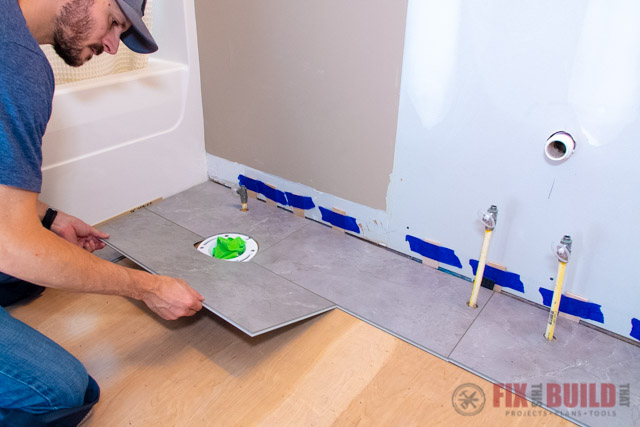
Credit: fixthisbuildthat.com
Cost Of Sealing Vinyl Plank Flooring
How much does it cost to seal a bathroom floor? Here is a general breakdown for a standard 40 sq. ft. bathroom:
| Item | Average Cost | Notes |
|---|---|---|
| Vinyl Seam Sealer | $10 – $25 | Enough for 1-2 bathrooms |
| 100% Silicone Caulk | $5 – $10 | One tube is usually enough |
| Painter’s Tape | $4 – $8 | Reusable for future projects |
| Misc. Tools & Cloths | $10 – $20 | Most people already own these |
| Total (DIY) | $29 – $63 | Per bathroom |
| Professional Labor | $100 – $250 | If you hire out |
DIY sealing is affordable and only takes a few hours. Hiring a pro ensures a perfect job, but isn’t necessary for most bathrooms if you follow these steps.
When To Reseal And How Often
Sealing isn’t permanent. Over time, caulk and seam sealer wear out due to cleaning, walking, and moisture.
- Check every 6 months: Inspect seams and edges. Look for cracks, gaps, or discoloration.
- Reseal every 1-2 years: In high-use bathrooms, reseal seams and edges annually. Guest bathrooms can go 2 years.
- After repairs or leaks: If you replace a plank or fix a leak, reseal the area right away.
Fact: Regular resealing is much cheaper and easier than replacing a moldy subfloor or warped planks.
Vinyl Plank Flooring Vs. Other Bathroom Floors
How does sealed vinyl compare to other common bathroom flooring options?
| Flooring Type | Water Resistance | Maintenance | Cost (per sq. ft.) | Comfort |
|---|---|---|---|---|
| Sealed Vinyl Plank | Very high (if sealed) | Easy | $2 – $7 | Soft, warm |
| Ceramic Tile | Excellent | Medium (grout needs sealing) | $4 – $12 | Cold, hard |
| Laminate | Poor (even if sealed) | Difficult (warps easily) | $2 – $5 | Soft, but not waterproof |
| Natural Stone | Excellent | High (needs regular sealing) | $8 – $25 | Very hard, cold |
Sealed vinyl plank flooring offers a great balance of comfort, water resistance, and price for bathrooms. Unlike tile or stone, it’s warm underfoot and much easier to install or repair.
For more detailed comparisons, check out the Family Handyman’s guide to bathroom flooring.
Frequently Asked Questions
What Happens If I Don’t Seal My Vinyl Plank Bathroom Floor?
Water can seep between the planks and under the floor, causing warping, mold, and damage to the subfloor. Over time, seams may lift and the floor will look uneven or start to smell musty.
Can I Use Polyurethane Or Epoxy To Seal Vinyl Plank Flooring?
Most manufacturers do not recommend polyurethane or epoxy on vinyl planks. These coatings can make the floor too slippery and may react with the vinyl, causing discoloration or peeling. Always use a sealer made for vinyl.
How Long Does It Take To Seal A Bathroom Vinyl Floor?
Preparation and sealing usually take 2-4 hours, depending on bathroom size and drying times. You’ll need to wait 24-48 hours before using the shower or bath to allow the sealant to cure fully.
Is Sealing Vinyl Plank Flooring A Diy Project?
Yes, most homeowners can seal their own vinyl plank bathroom floor with basic tools and supplies. Just follow each step carefully and take your time, especially with preparation and drying.
Will Sealing Make My Vinyl Plank Floor Shiny Or Change Its Color?
A proper seam sealer or silicone caulk should not change the look of your floor. Some surface sealers may add a bit of shine, but it’s best to test on a small area first. Never use products that are not labeled “safe for vinyl.
”
Sealing your bathroom’s vinyl plank flooring is one of the smartest moves you can make for a long-lasting, healthy, and attractive floor. With the right tools, careful preparation, and regular maintenance, you can avoid water damage and keep your bathroom looking fresh for years to come.
If you’re ever unsure, consult your floor’s manufacturer or a professional installer for advice. Your bathroom will thank you for the extra protection and care.