
Elevating your wardrobe is more than just buying expensive clothes or following the latest trends. It’s about creating a personal style that feels authentic, looks polished, and suits your lifestyle. Many people think wardrobe improvement is hard, costly, or only for fashion lovers, but anyone can build a better closet with the right mindset and strategy.
Whether you want to make your daily dressing easier, look more professional, or simply feel confident in your appearance, a well-planned wardrobe can transform the way you see yourself and how others see you.
This guide will walk you through every step to elevate your wardrobe—from decluttering and investing in essentials to smart shopping and understanding fabrics. You’ll discover practical advice, examples, and tips that work in real life. Even if you’re a beginner or on a budget, you’ll find clear guidance to help you make lasting changes. Let’s dive into how to truly upgrade your closet and your style.
Assess Your Current Wardrobe
Before you buy anything new, take a close look at what you already own. This step helps you see what works, what doesn’t, and what’s missing.
Start by removing all your clothes from the closet. Lay them out where you can see everything. Go through each piece and ask yourself:
- Does it fit well and feel comfortable?
- Have I worn it in the last year?
- Is it in good condition (no stains, holes, fading)?
- Does it match my current lifestyle and style goals?
If you answer “no” to most of these, set the item aside. Clothes you haven’t worn in over a year are likely not serving you, unless they’re for special occasions. Sometimes people keep clothes for sentimental reasons or “just in case.
” Be honest with yourself—holding on to old items can make it harder to see what you really need.
Non-obvious tip: Try everything on, even items you think you love. Bodies and tastes change over time, and something that once felt great might not anymore.
After sorting, group your clothes into:
- Keep
- Donate or sell
- Repair or tailor
This process clears space and gives you a better view of your wardrobe’s strengths and weaknesses.
Define Your Personal Style
Knowing your style is key to building a wardrobe you love. Without a clear idea, you might buy things that don’t fit your look or end up with a closet full of mismatched items.
Start by collecting inspiration. Use Pinterest, Instagram, or magazines to find outfits and looks you admire. Pay attention to:
- Colors you like
- Patterns or prints that attract you
- Types of clothing (jeans, skirts, blazers, sneakers, boots)
- Overall vibe (classic, sporty, minimal, bohemian, edgy, preppy, etc.)
Make a simple mood board, either digital or with cutouts. Notice repeating themes. Are you drawn to mostly neutral colors, or bold prints? Do you like tailored pieces, or relaxed fits?
Non-obvious insight: Focus on the clothes you actually wear and feel good in, not just what looks nice in photos. Sometimes people copy trends that don’t suit their life or body type.
Write down a few words or phrases that describe your style goals. For example: “Effortless, polished, and comfortable” or “Creative, colorful, and fun.” This statement will guide your future shopping and help you stay true to your vision.
Build A Strong Foundation With Wardrobe Essentials
Every great wardrobe starts with strong basics. Essentials are versatile pieces that pair well with almost anything and never go out of style. They make daily dressing easy and keep your look polished.
Key Wardrobe Essentials For Women
- White button-up shirt
- Classic blue jeans
- Neutral sweater (black, gray, or beige)
- Black trousers or tailored pants
- Simple T-shirts (white, gray, black)
- Little black dress
- Blazer in a neutral color
- Comfortable flats or loafers
- White sneakers
- Simple ankle boots
Key Wardrobe Essentials For Men
- Crisp white dress shirt
- Dark wash jeans
- Neutral crewneck sweater
- Black or navy chinos
- Plain T-shirts (white, black, navy)
- Tailored blazer
- Classic leather belt
- Clean white sneakers
- Brown or black dress shoes
- Lightweight jacket
You don’t need to buy everything at once. Start with the items missing from your closet that you’d wear the most. Quality matters here—choose sturdy fabrics and good construction. These pieces get worn often, so durability is important.
Practical tip: Try to buy essentials in neutral colors first. They’re easier to mix and match, making your wardrobe feel bigger.
Understand Fit And Tailoring
Fit is the secret to looking put-together. Even expensive clothes can look cheap if they don’t fit well. On the other hand, affordable clothes in the right size and shape can look high-end.
How To Check For Good Fit
- Shoulders of shirts and jackets should align with your shoulder bone.
- Pants should not bunch at the ankles or drag on the ground.
- Waistbands should sit comfortably—not too tight or loose.
- Sleeves should end at your wrist bone.
Try on clothes before buying. Move around, sit, and reach up. If something almost fits but not perfectly, consider tailoring.
Non-obvious insight: Most people never use a tailor, but small adjustments can make a huge difference. Hemming pants, taking in a shirt, or shortening sleeves is usually affordable and can upgrade your whole look.
Even mass-market brands can look custom-made with the right tweaks. Tailoring is often overlooked but is one of the best investments for elevating your wardrobe.
Choose Quality Over Quantity
A crowded closet isn’t the same as a good wardrobe. It’s better to own fewer, higher-quality pieces than lots of fast-fashion items that wear out quickly.
What Makes Clothing High Quality?
- Strong, even stitching with no loose threads
- Natural fabrics like cotton, wool, linen, or silk
- Metal zippers and solid buttons (not plastic)
- Lined jackets and skirts for structure
- No see-through material unless intended
Touch and stretch fabrics to check for thickness and strength. Hold items up to the light to check for transparency. Read care labels—some delicate fabrics may require dry cleaning or hand washing.
Example: A $60 merino wool sweater can last years and look better than three $20 acrylic sweaters that pill and fade after a few washes.
Smart Shopping Strategies
Upgrading your wardrobe doesn’t always mean spending more. Shopping smarter helps you find better pieces without wasting money.
Tips For Shopping Wisely
- Make a list before you shop, based on gaps in your wardrobe.
- Set a budget for each shopping trip.
- Avoid impulse buys—wait 24 hours before purchasing.
- Try items on and check the return policy.
- Prioritize versatility—ask, “Can I wear this three different ways?”
- Shop off-season for the best deals.
- Don’t be afraid to mix high and low—pair investment pieces with affordable basics.
Non-obvious tip: Sign up for store newsletters or loyalty programs. You’ll get alerts for sales and special discounts, which helps stretch your budget.
Shopping secondhand (thrift stores, consignment shops, or online resale) can also yield quality items at a fraction of the original price.
Master Wardrobe Organization
A well-organized closet makes getting dressed faster and keeps your clothes in good condition.
Steps To Organize Your Wardrobe
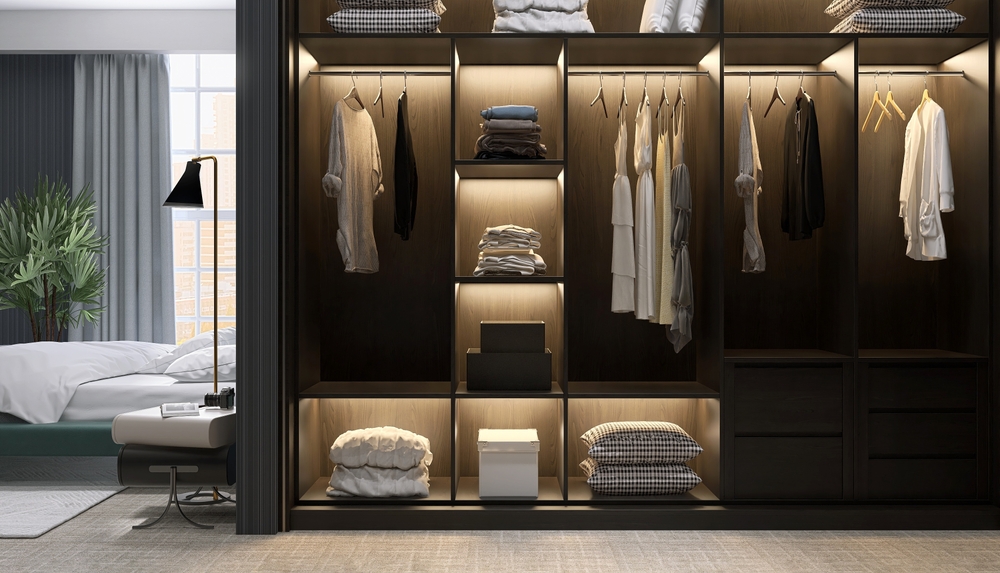
- Group clothes by type (shirts, pants, dresses, etc. ).
- Arrange by color within each group for easy matching.
- Use slim, non-slip hangers to save space and keep items neat.
- Store off-season clothes in bins or another closet.
- Keep shoes visible—out of sight often means out of mind.
Practical tip: Add a small shelf or box for accessories like belts, scarves, and jewelry. This helps complete outfits without searching.
Take five minutes each week to put things back in order. Regular upkeep prevents clutter from building up again.
Add Statement Pieces And Accessories
Basics are important, but statement pieces and accessories give your wardrobe personality. A few standout items can make simple outfits memorable.
Examples Of Statement Pieces
- Bold patterned blazer
- Brightly colored handbag
- Unique shoes (like animal print or metallic)
- Dramatic necklace or earrings
- Printed scarf
Accessories like watches, hats, belts, and glasses can change the look of an outfit. You don’t need many—just a few that reflect your style.
Non-obvious tip: Try “one statement piece per outfit.” Too many bold items at once can look overwhelming.
Experiment With Color And Patterns
Many people stick to black, white, and gray because it feels safe. But adding color and pattern can make your wardrobe more interesting and modern.
How To Add Color Safely
- Start with accessories—try a red bag or blue scarf.
- Add one colored item at a time, paired with neutrals.
- Experiment with shades that flatter your skin tone.
Example: If you usually wear navy, try adding olive green or burgundy—they’re still muted but less expected than black.
Using Patterns
- Stripes, checks, and small florals are easy to mix into basics.
- If mixing patterns, keep colors similar for harmony.
- Animal prints can act as a neutral if the rest of your outfit is simple.
Don’t be afraid to try new things. If you’re unsure, take a photo and see how it looks overall.
Learn About Fabrics And Materials
Understanding fabric types helps you choose clothes that last longer and feel better.
Common Fabrics
- Cotton: Breathable, easy to wash, good for T-shirts and casual wear.
- Wool: Warm, resists wrinkles, good for sweaters and suits.
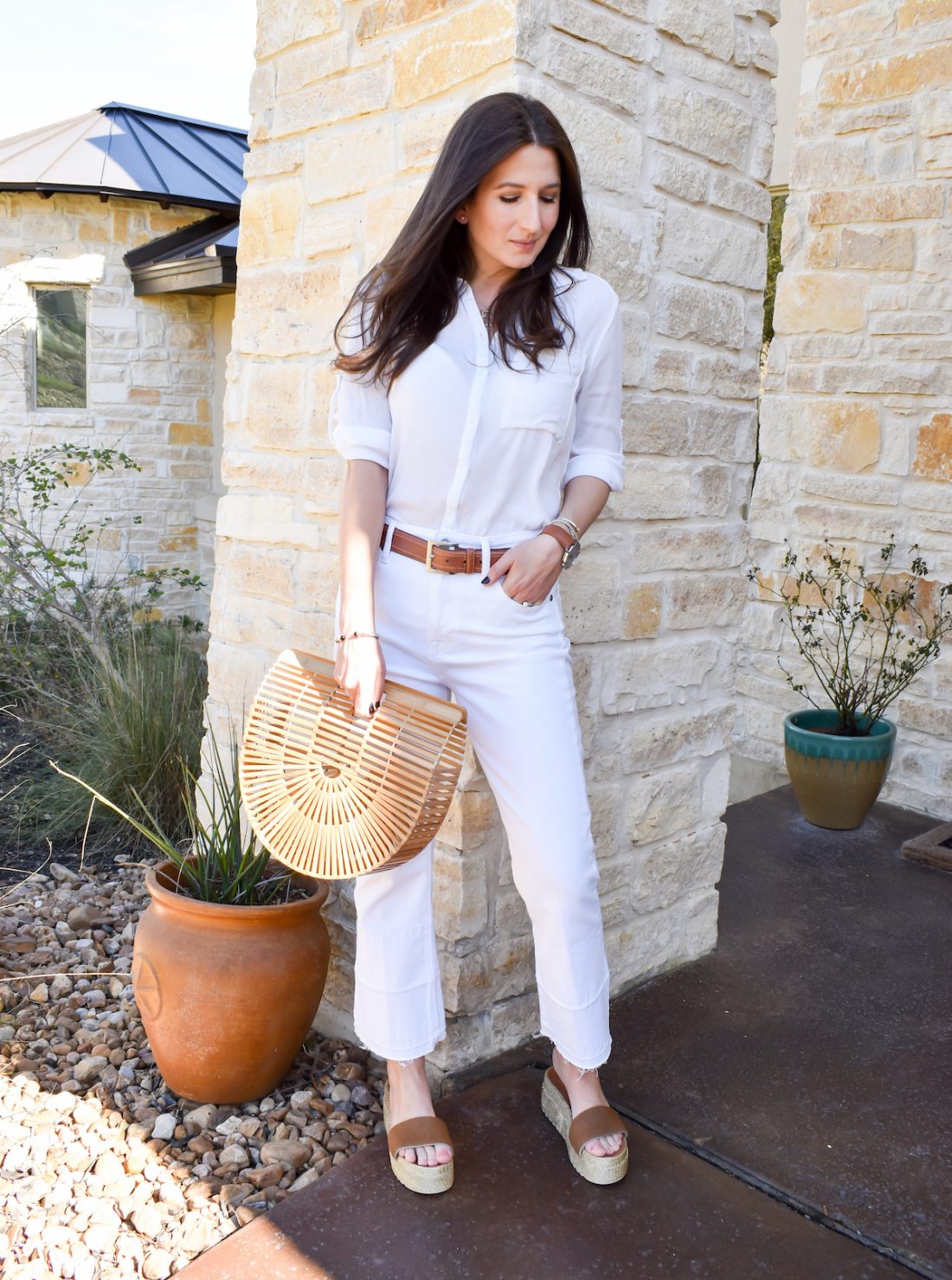
- Linen: Cool and lightweight, but wrinkles easily. Great for summer.
- Silk: Luxurious, drapes well, often for blouses and scarves.
- Polyester: Cheap, strong, but can feel sweaty. Often blended with other fabrics.
Check fabric blends—sometimes mixing natural and synthetic fibers can improve durability and comfort.
Non-obvious tip: The same material can feel very different depending on how it’s woven or treated. For example, cotton poplin is crisp, while cotton jersey is soft and stretchy.
Care instructions matter too. Some fabrics need special washing; others can go in the machine. Take care of your clothes to keep them looking new.
Credit: cathedralsandcafes.com
Dress For Your Body Shape
Wearing the right shapes can make a huge difference in how clothes look on you. There’s no “perfect” body, but certain styles flatter different figures.
Common Body Shapes And What Works
- Rectangle: Create curves with belts, peplum tops, or A-line skirts.
- Hourglass: Highlight your waist with wrap dresses or fitted jackets.
- Pear: Balance hips with structured shoulders and wide-neck tops.
- Apple: Emphasize legs with straight pants and V-neck tops.
- Inverted triangle: Soften shoulders with flared skirts and scoop necks.
Try different cuts and see what feels best. Don’t force yourself into trends that don’t work for your shape.
Practical tip: Take a trusted friend shopping for honest feedback. Sometimes, a second opinion helps you see what really flatters you.
Seasonal Wardrobe Updates
Your closet should shift with the seasons. This keeps you comfortable and ensures you always look current.
How To Refresh Seasonally
- Swap out heavy coats for lighter jackets in spring and fall.
- Add layers like cardigans or scarves for changing weather.
- Store away off-season clothes to free up space.
- Add a few seasonal trend pieces (like a summer print dress or winter boots).
Non-obvious tip: You don’t have to buy a whole new wardrobe each season. Just add or swap a few key items, keeping your basics in rotation.
Sustainable And Ethical Choices
More people now care about where and how their clothes are made. Making ethical choices can elevate your wardrobe and your values.
Steps For A More Responsible Wardrobe
- Buy fewer, better-quality items that last longer.
- Look for brands that use ethical labor and sustainable materials.
- Donate or recycle clothes instead of throwing them away.
- Choose secondhand or vintage when possible.
Example: Organic cotton, Tencel, or recycled polyester are eco-friendlier fabrics. Some brands have strong sustainability policies—check their websites for details.
Making thoughtful choices helps reduce waste and supports better industry practices. For more on responsible fashion, see Fashion Revolution.
Invest In Shoes And Outerwear
Shoes and outerwear are often the first things people notice. Well-chosen items in these categories can lift your whole look.
Shoes
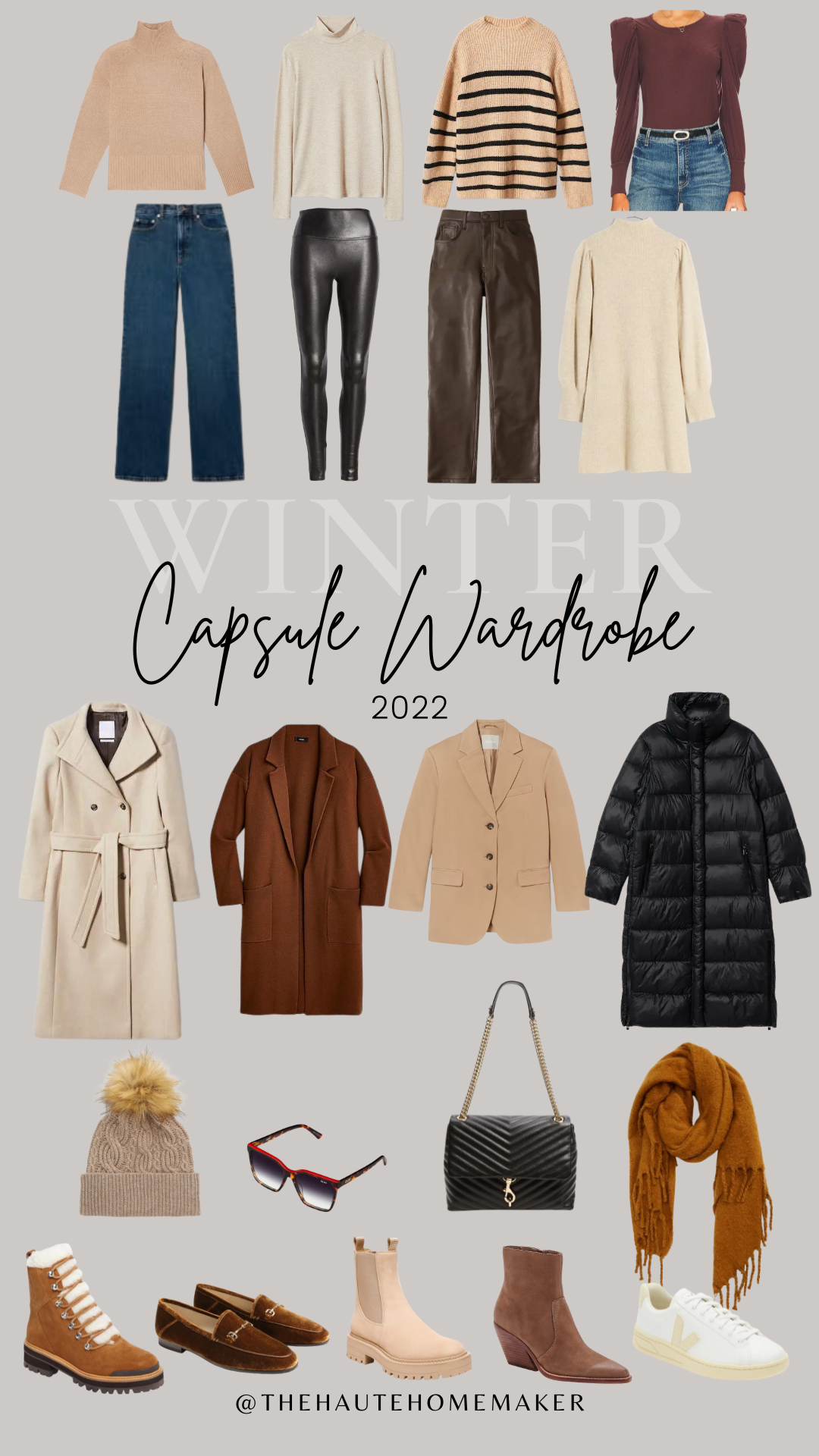
- Own at least one pair of clean white sneakers—they go with everything.
- Black or brown boots are versatile for fall and winter.
- For formal events, invest in classic pumps (women) or dress shoes (men).
- Casual loafers or sandals for relaxed days.
Outerwear
- A structured blazer dresses up any outfit.
- A classic trench coat works for rain and style.
- A warm wool coat for winter.
- Lightweight denim or bomber jacket for casual looks.
Shoes and coats take more wear and tear, so invest in quality. Clean and store them properly to extend their life.
Credit: www.thehautehomemaker.com
Mix High And Low Fashion
You don’t need all designer brands to look stylish. Mixing high-end pieces with affordable basics creates a balanced, sophisticated look.
How To Mix
- Pair a designer bag with fast-fashion jeans and a simple T-shirt.
- Wear a luxury belt with a thrifted dress.
- Combine a vintage coat with modern sneakers.
Example: Many stylish people buy expensive shoes or bags but keep the rest of their outfit simple. This draws attention to the statement piece and saves money.
Mixing high and low also lets you try trends without a big investment. Splurge on what matters most to you and save elsewhere.
Plan Outfits In Advance
Planning outfits saves time and prevents last-minute stress. It also helps you use more of your wardrobe.
How To Plan
- Take 10 minutes at the start of the week to choose outfits for work, events, and casual days.
- Snap photos of your favorite combinations for easy reference.
- Hang “next day” outfits together.
If you have a big event, try on your outfit ahead of time—including shoes and accessories—to avoid surprises.
Non-obvious tip: Planning ahead helps you see if you need to wash or iron something, or if you’re missing a key item.
Credit: legacywardrobes.com
Care And Maintenance
Taking care of your clothes keeps them looking new and extends their life.
Basic Care Tips
- Follow washing instructions on labels.
- Use gentle detergent for delicate fabrics.
- Air-dry instead of machine drying when possible.
- Store knits folded to prevent stretching.
- Repair small issues (loose buttons, minor holes) quickly.
Regular care is cheaper than replacing items. Shoe polish, a lint roller, and a small sewing kit are smart investments.
Wardrobe Elevation For Work And Special Occasions
Dressing well for work or events boosts confidence and respect.
For Work
- Stick to classic, polished pieces in neutral colors.
- Add subtle accessories (like a watch or simple necklace).
- Keep shoes clean and professional.
For Special Events
- Use statement pieces to stand out (bold earrings, a colorful tie).
- Make sure items are clean and wrinkle-free.
- Bring a backup (like a jacket or scarf) for changing weather or temperatures.
Dressing appropriately for the occasion shows respect and helps you feel more comfortable.
Comparison: Fast Fashion Vs. Investment Pieces
To help you see the value of quality over quantity, here’s a simple comparison:
| Feature | Fast Fashion | Investment Piece |
|---|---|---|
| Price | Low | High |
| Material | Often synthetic | Natural or premium blends |
| Lifespan | 1–2 seasons | Years |
| Style Longevity | Trendy, short-lived | Timeless |
| Comfort | May not breathe well | Usually comfortable |
Capsule Wardrobe Example
A capsule wardrobe is a small collection of versatile items you love and wear often. Here’s an example for a professional:
| Item | Color | Occasion |
|---|---|---|
| White Shirt | White | Work, casual |
| Black Blazer | Black | Work, events |
| Dark Jeans | Indigo | Casual, semi-formal |
| Neutral Sweater | Gray | Work, casual |
| Black Dress | Black | Events |
| White Sneakers | White | Casual |
| Black Flats | Black | Work, events |
With just these pieces, you can mix and match for dozens of outfits.
Price Vs. Value In Wardrobe Building
Many people focus on price, but value is just as important. Value comes from how often and how long you use an item.
| Item | Cost | Times Worn | Cost Per Wear |
|---|---|---|---|
| High-Quality Jeans | $100 | 100 | $1 |
| Trendy Top | $25 | 5 | $5 |
| Classic Blazer | $150 | 150 | $1 |
Investing in quality means you spend less in the long run.
Frequently Asked Questions
How Often Should I Update My Wardrobe?
It’s good to review your wardrobe every six months—once for spring/summer and once for fall/winter. Replace worn-out basics, add a few trend pieces, and donate what you no longer wear.
How Can I Find My Personal Style?
Collect images of outfits you love, note what you actually wear, and try on different styles. Over time, patterns will appear. Focus on what makes you feel confident and comfortable.
What Are The Best Wardrobe Essentials To Start With?
Begin with versatile basics: a white shirt, dark jeans, neutral sweater, blazer, and good shoes. These form the foundation for many outfits.
Is It Better To Buy Expensive Clothes?
Not always. Focus on value—how well something is made and how often you’ll wear it. Some items are worth investing in (like shoes, coats, or bags), while others can be bought for less.
How Do I Care For Delicate Fabrics?
Read care labels. Most delicate fabrics need hand washing or dry cleaning. Store silk and cashmere in cool, dry places, and use gentle detergents for washing.
Upgrading your wardrobe is a journey, not a one-time project. With thoughtful choices, smart shopping, and care, you can create a closet that fits your life and makes you feel your best every day.