
Keeping cool during workouts, outdoor adventures, or even a hot summer day often depends on small details. One of those is the cooling towel—a simple, reusable cloth that offers instant relief from heat when used correctly. But what many people don’t realize is that these towels need special care to work at their best. If you wash them the wrong way, you can ruin their cooling ability, shorten their lifespan, or even create bad smells. So, how do you really wash cooling towels the right way?
This guide will give you everything you need to know about cleaning, drying, and caring for your cooling towels. Whether you’re an athlete, a traveler, or simply want to beat the heat, you’ll learn practical steps, common mistakes to avoid, and tips most beginners miss.
By the end, you’ll know how to keep your cooling towels fresh, safe, and working like new.
What Are Cooling Towels And How Do They Work?
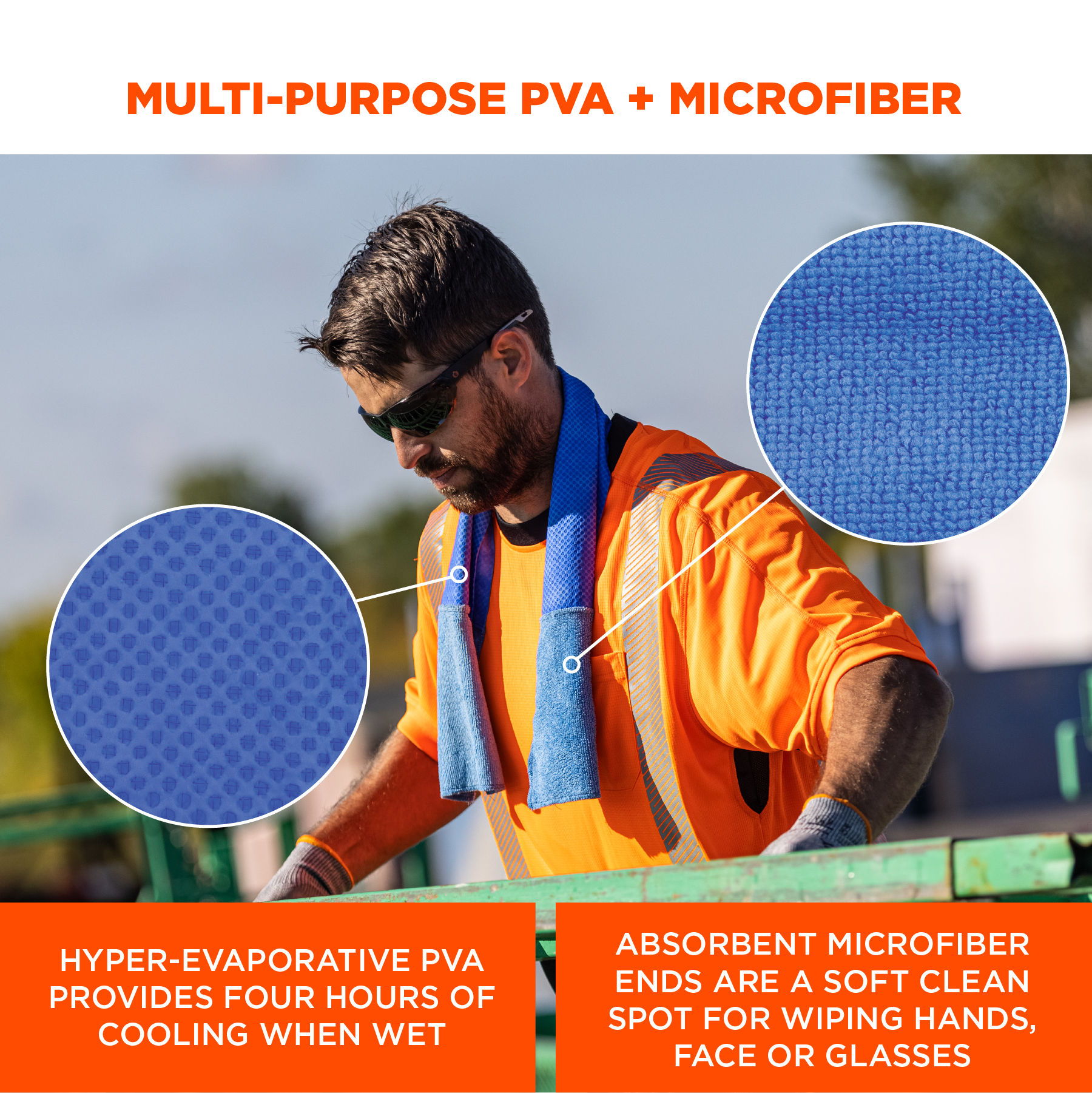
Before you wash a cooling towel, it helps to understand what makes it special. Cooling towels are not just regular pieces of fabric. They are made from advanced materials like polyvinyl acetate (PVA), microfiber, or specialized blends. These materials are designed to hold water and evaporate it slowly. When water evaporates, it pulls heat away from your skin, making you feel cooler.
Some cooling towels use hydrophilic fibers that soak up water fast but release it slowly, while others use a mesh structure to boost airflow. This is why washing them correctly is crucial—using harsh chemicals or the wrong temperature can damage these fibers and make the towel less effective.
Why Proper Washing Matters
Washing cooling towels isn’t just about removing sweat or dirt. It’s about keeping their cooling effect strong and their texture comfortable. Using the wrong wash method can:
- Weaken the cooling technology
- Cause the towel to smell bad or grow mildew
- Lead to color fading or holes
- Reduce the towel’s lifespan
Many people don’t realize that softeners, bleach, or even high heat can destroy the structure that makes these towels work. So, the right cleaning routine is essential if you want your towel to last through many hot days.
Credit: www.ergodyne.com
How Often Should You Wash Cooling Towels?
The best cleaning routine depends on how often you use your towel and what you use it for.
- After each intense workout or sports activity: Always wash your cooling towel to remove sweat, bacteria, and body oils.
- After daily use (light activity): Rinse with water and wash every 2-3 uses.
- If stored wet or folded for long: Wash immediately after use to avoid mildew.
- If towel smells or feels slimy: Wash right away, even if you just used it once.
Frequent washing keeps the towel fresh, but over-washing with harsh products can reduce its lifespan. The key is gentle, regular cleaning.
Step-by-step Guide: Washing Cooling Towels By Hand
Hand washing is the safest way to clean most cooling towels, especially PVA-based ones. Here’s how to do it properly:
- Rinse with cool water: Shake off any dirt or debris, then rinse the towel under cool running water.
- Fill a basin with water: Use a clean sink or basin. Fill it with cold or lukewarm water (not hot).
- Add mild detergent: Use a small amount of gentle, non-bleach detergent. Avoid softeners or strong cleaning agents.
- Soak and swish: Submerge the towel and gently move it around in the water. Let it soak for 5-10 minutes.
- Gently rub: If the towel is very dirty, lightly rub stained areas with your fingers. Do not wring, twist, or stretch the towel.
- Rinse thoroughly: Drain the soapy water and rinse the towel under cool water until all suds are gone.
- Remove excess water: Press the towel between your hands or against the side of the basin to remove water. Don’t twist or wring it.
- Lay flat to dry: Spread the towel flat in a cool, shaded area. Avoid direct sunlight, which can fade colors and weaken fibers.
This method works for all cooling towels, but it’s especially important for PVA towels, which can lose shape or crack if handled roughly.
Machine Washing Cooling Towels: Dos And Don’ts
Some cooling towels, especially microfiber ones, can be washed in a machine. Always check the care label first. If machine washing is allowed:
- Use a gentle cycle: Select “delicate” or “hand wash” mode.
- Wash in cold water: Hot water can destroy the towel’s cooling properties.
- Use mild detergent: Avoid bleach, fabric softeners, or strong cleaners.
- Wash with similar items: Wash towels with other soft items, not jeans or clothes with zippers or Velcro.
- Place in a mesh bag: This protects the towel from damage.
Never tumble dry on high heat. Remove the towel as soon as the cycle finishes and lay it flat to air-dry.
Example Of Care Label Instructions
Here’s a typical care label you might find:
| Care Symbol | Meaning |
|---|---|
| 🌡️ | Cold water only |
| 🌀 | Gentle cycle |
| 🚫🧴 | No fabric softener |
| 🧼 | Mild detergent |
| 🚫🔥 | No hot drying |
If your towel’s label has special symbols, follow them closely.
How To Dry Cooling Towels Safely
Drying matters just as much as washing. Improper drying is a leading cause of damaged cooling towels.
- Lay flat to dry: The safest way is to spread the towel flat on a clean surface, out of direct sunlight.
- Avoid clothes dryers: Most cooling towels, especially PVA and some microfibers, can shrink, harden, or lose shape in a dryer.
- Don’t hang by corners: Hanging heavy, wet towels by the corners can stretch or tear the fabric.
- Don’t fold while wet: This can trap moisture and lead to mildew or odors.
- Store dry: Only store the towel once it’s completely dry. For PVA towels, you may store them slightly damp, but never wet.
If you need your towel quickly and must use a dryer, use the lowest heat setting and remove as soon as it’s dry.
Common Mistakes To Avoid
Even experienced users sometimes make errors that ruin their cooling towels. Here are mistakes to watch for:
- Using bleach or harsh chemicals: These can break down the cooling technology and cause holes or fading.
- Adding fabric softener: Softeners coat the fibers and block the cooling effect.
- Washing in hot water: High heat can shrink, warp, or even melt some towel materials.
- Wringing or twisting: This can crack or tear PVA towels and deform microfiber towels.
- Leaving wet in a bag: Storing a wet towel in a sealed bag invites mold, mildew, and bad smells.
- Drying in direct sunlight: UV rays can weaken the fibers and fade colors fast.
- Ignoring the care label: Always check the instructions, as brands may use unique materials.
Many beginners think all towels are the same, but cooling towels need special care. Avoid these mistakes to keep your towel working well season after season.
Special Instructions By Material
Not all cooling towels are made the same. The washing method can change depending on what your towel is made from.
Pva Cooling Towels
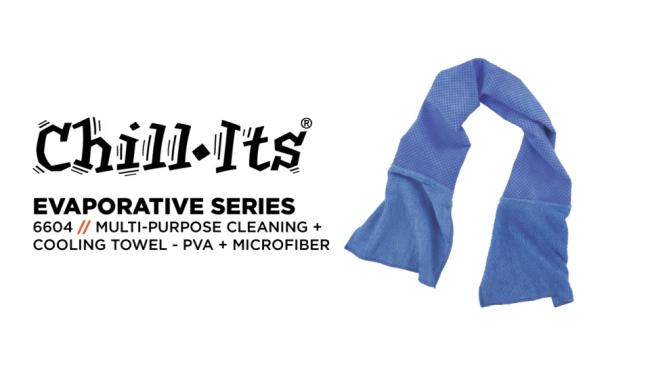
Polyvinyl Acetate (PVA) towels are popular for their instant cooling power but need gentle care.
- Never machine wash unless the label says it’s okay
- Never wring or twist—PVA can crack or lose shape
- If the towel dries out and becomes stiff, soak it in water before the next use
- Store slightly damp in a ventilated tube or bag
Microfiber Cooling Towels
Microfiber towels are soft, lightweight, and easy to care for.
- Can often be machine washed (gentle, cold cycle)
- Avoid softeners and bleach
- Air dry or use lowest dryer setting
- Don’t iron or expose to direct heat
Blended Material Towels
Some towels use a blend of fibers or add mesh panels.
- Follow the most delicate care instructions for any material in the blend
- If you’re unsure, hand wash and air dry
Credit: www.ergodyne.com
Removing Odors And Stains
Sometimes, cooling towels pick up strong smells or tough stains—especially after hard workouts or outdoor use. Here’s how to tackle these problems without damaging your towel:
Odor Removal
- Soak the towel in a mix of one part vinegar to four parts cold water for 15-20 minutes. Vinegar kills bacteria and neutralizes smells.
- Rinse thoroughly and wash as usual with mild detergent.
- Never use strong chemicals or scented sprays—these can stay in the fibers and reduce cooling.
Stain Removal
- Gently rub stained areas with a mix of mild detergent and cold water.
- For tough stains, use a soft brush (like a toothbrush) and rub gently.
- Avoid aggressive scrubbing or hot water.
- Repeat the wash if needed, but always rinse well.
If stains or odors remain, it may be time to replace your towel.
How To Store Cooling Towels Between Uses
Storing your cooling towel the right way helps it last longer and stay fresh. Here’s what to do:
- Dry completely before storing: Unless it’s a PVA towel (these can be stored slightly damp).
- Use the storage case: Many cooling towels come with a tube or mesh bag. This allows airflow and prevents mildew.
- Never store in a sealed plastic bag while wet: This creates the perfect environment for bacteria and mold.
- Keep away from direct sunlight: UV rays can fade and weaken the towel.
- Fold gently: Don’t crease or roll tightly, as this can damage the material.
If you don’t use your towel for a long time, check for stiffness or smells before the next use.
How Cooling Towels Compare To Regular Towels
Some people wonder if they can wash cooling towels the same as regular cotton towels. The answer is: no. The structure and function are different.
Here’s a quick comparison:
| Feature | Cooling Towel | Regular Towel |
|---|---|---|
| Material | PVA, Microfiber, Specialized Blends | Cotton, Terrycloth |
| Washing Temp | Cold or Lukewarm | Warm or Hot |
| Detergent Type | Mild, No Softeners | Regular Detergent |
| Drying Method | Air Dry, No High Heat | Machine Dry OK |
| Special Care | Yes, Care Label | Rarely |
This shows why it’s so important to treat cooling towels differently.
How To Tell If Your Cooling Towel Needs Replacing
Even with the best care, cooling towels don’t last forever. Here are signs it’s time for a new one:
- The towel no longer cools as well as it used to, even after soaking
- It feels rough, stiff, or cracked, and soaking doesn’t help
- Persistent bad odors remain after washing
- There are holes, tears, or fraying edges
- Colors are badly faded or the towel feels much thinner
If you notice one or more of these, it’s best to replace your towel to avoid skin irritation or poor performance.

Credit: www.reddit.com
Real-world Tips Most People Miss
Many online guides miss practical details only experienced users know. Here are two insights beginners often overlook:
- Rotate multiple towels: If you use cooling towels daily, buy two or three and rotate them. This gives each towel time to dry fully, which prevents mildew and extends lifespan.
- Rinse immediately after use: If you can’t wash your towel right away (like at the gym or outdoors), rinse it with clean water and wring gently. This removes sweat and bacteria before they set in.
Another trick: For PVA towels, if they dry out and get stiff, soak them in water for a few minutes before unfolding. Forcing a dry towel open can cause cracks.
Caring For Cooling Towels In Special Situations
After Swimming In Pools Or The Ocean
Chlorine and salt can damage cooling towels over time.
- Rinse immediately after exposure to pool or ocean water.
- Wash soon after with mild detergent and cold water.
- Dry flat, away from sunlight.
Traveling Or Backpacking
If you’re on the road:
- Use a mesh bag for storage to allow airflow.
- Clean whenever you have access to water, even if you can’t use soap every time.
- Let the towel dry completely before packing it deep in your bag.
Using With Sensitive Skin
If you have allergies or sensitive skin, choose fragrance-free, hypoallergenic detergents. Rinse towels thoroughly to remove any soap.
Quick Reference: Washing Rules For Major Brands
Many top cooling towel brands have their own care tips. Here’s a summary for some popular ones:
| Brand | Washing Allowed? | Special Notes |
|---|---|---|
| Chill Pal | Hand wash only | No bleach, air dry flat |
| Mission | Machine wash (gentle) | No fabric softener, air dry |
| Frogg Toggs | Hand wash preferred | No wringing, store damp |
| Ergodyne Chill-Its | Machine wash OK | Delicate cycle, no bleach |
Always check your own towel’s label for the latest advice.
How To Make Your Cooling Towel Last Longer
A few habits can make a big difference:
- Wash regularly, but gently
- Never use bleach or softeners
- Dry flat, not in direct sunlight
- Store in a ventilated bag or tube
- Rinse after each use, especially if used during sports or in the pool
By following these habits, many users report their towels last years instead of months.
Eco-friendly Tips For Washing Cooling Towels
If you want to be kind to the environment:
- Use biodegradable detergents that are safe for waterways
- Wash full loads when using a machine, to save water and energy
- Air dry instead of using a dryer
Some brands even offer towels made from recycled materials—check for eco labels if this matters to you.
Frequently Asked Questions
How Do I Prevent My Cooling Towel From Smelling Bad?
Always rinse your towel after each use and let it dry completely before storing. If smells develop, soak in a vinegar-water mix and wash as usual. Never store wet in a sealed bag.
Can I Use Regular Laundry Detergent On My Cooling Towel?
Use only mild, fragrance-free detergent. Avoid bleach, softeners, or strong cleaners, as these can damage the towel’s cooling ability.
Is It Safe To Put My Cooling Towel In The Dryer?
Most cooling towels should be air dried. If you must use a dryer, select the lowest heat setting and remove promptly. High heat can ruin the fibers.
What Should I Do If My Towel Gets Stiff?
If your PVA cooling towel becomes stiff after drying, just soak it in cold water for a few minutes. Never try to force it open dry, as this can cause cracks.
Where Can I Learn More About The Science Behind Cooling Towels?
You can find more information on how evaporative cooling technology works at the Wikipedia page on evaporative coolers.
Caring for your cooling towel isn’t hard, but it does require some attention to detail. With the right washing, drying, and storage habits, your towel will keep you cool, comfortable, and odor-free for years. Whether you’re a fitness fan or just want relief from the heat, these steps will keep your towel—and you—feeling fresh every time.