
Transforming old furniture into something fresh and stylish isn’t just a trend—it’s a smart way to save money, reduce waste, and express your own style. Many people think modernizing old furniture means just slapping on a coat of paint. In reality, there are dozens of creative methods to breathe new life into tired pieces.
Even a battered desk or a faded chair can become a statement piece in your home with a few smart changes.
Modernizing old furniture is much more than a weekend project; it’s an opportunity to blend the past with the present. If you’ve ever inherited a heavy wardrobe from your grandparents or picked up a scratched coffee table at a thrift store, you know how easy it is to overlook their potential.
But with the right techniques, you can make these items look like they came straight from a designer’s catalog.
This guide will walk you through every step to modernize old furniture. From planning, choosing materials, and preparation, to advanced techniques, you’ll learn practical tips that work whether you’re a complete beginner or a hands-on DIY fan. We’ll cover ways to update wood, metal, upholstery, and even hardware.
Along the way, you’ll discover tips that most people miss—like how to avoid common mistakes and how to choose the perfect finish for your space.
Let’s unlock the secrets to transforming your old furniture into pieces you’ll love for years to come.
Why Modernize Old Furniture?
Modernizing old furniture is about more than just looks. Here are some big reasons people invest time and effort into furniture makeovers:
- Cost Savings: Buying new furniture can be expensive. Revamping an old piece is often much cheaper and delivers unique results you can’t buy in stores.
- Sustainability: Each year, millions of tons of furniture end up in landfills. By updating what you already have, you help the planet by reducing waste.
- Personalization: DIY projects let you choose colors, finishes, and hardware that reflect your personal taste—something mass-produced items can’t match.
- Quality: Older furniture is often made from solid wood and high-quality materials, unlike much of today’s fast furniture.
- Sentimental Value: Family heirlooms or finds with history can be preserved and enjoyed in a new form.
Planning Your Furniture Makeover
Before you pick up a brush or sander, take time to plan. Good preparation saves time, money, and frustration.
Assessing The Piece
Look carefully at your furniture. Is it made of solid wood, veneer, metal, or something else? Check for damage like cracks, loose joints, or missing parts. If it’s too damaged or made from cheap materials, it might not be worth the effort.
Deciding On Style
Think about the look you want—mid-century modern, industrial, minimalist, farmhouse, or something else? Search online for inspiration, but also consider your existing decor. The goal is a piece that fits seamlessly into your space.
Setting A Budget
Be realistic about costs. Paint, hardware, and fabric can add up. If you need special tools like a staple gun or power sander, decide if you’ll buy or borrow. Set a maximum budget and stick to it.
Gathering Tools And Materials
Common supplies include:
- Sandpaper or an electric sander
- Paintbrushes and rollers
- Primer and paint (or stain)
- Screwdrivers
- Wood glue or filler
- New hardware (knobs, pulls, hinges)
- Upholstery fabric and foam (for soft pieces)
- Protective gear (mask, gloves)
Choosing high-quality supplies often leads to better, longer-lasting results.
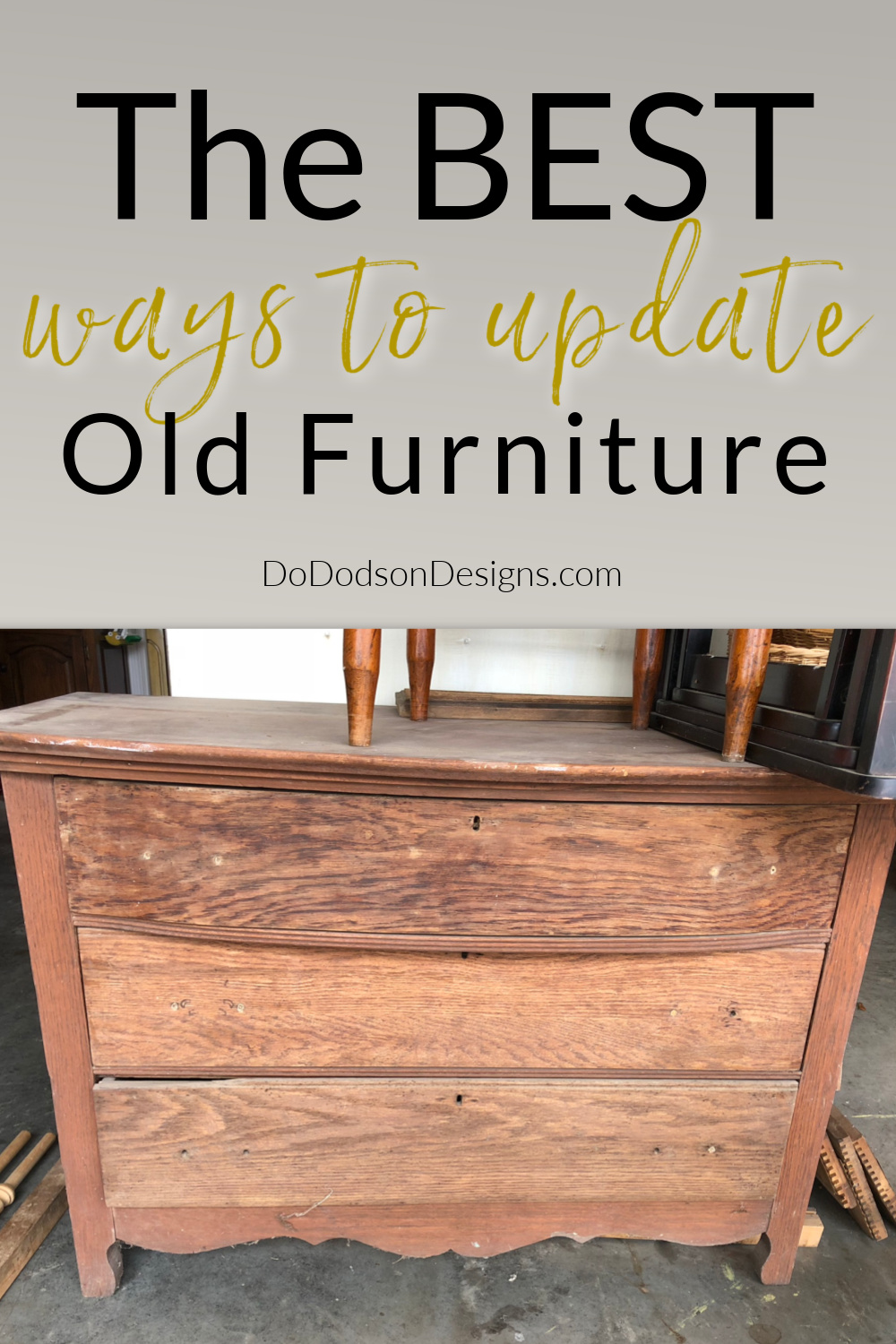
Credit: www.dododsondesigns.com
Prepping Old Furniture For Modernization
Preparation is the key to a professional finish. Don’t rush this step!
Cleaning And Stripping
First, thoroughly clean your furniture using mild soap and water. Remove grease, dirt, and sticky residues. For sticky old finishes, use a furniture cleaner or mineral spirits.
If the piece has layers of old paint or varnish, consider stripping it. Chemical strippers work well for detailed areas, while sanding works for flat surfaces. Always wear gloves and work in a well-ventilated area.
Repairing Damage
Fix any wobbly legs, loose joints, or cracks. Use wood glue for joints and wood filler for holes or scratches. For missing veneer, patch with similar material or use filler. Let all repairs dry fully before moving on.
Sanding
Sanding is essential for paint or stain to adhere. Start with coarse-grit sandpaper (around 80-grit) to remove the old finish, then progress to finer grits (120, 220) for a smooth surface. Always sand in the direction of the wood grain.
Priming
Priming evens out color and helps paint stick. For dark or stained wood, use a stain-blocking primer. For lighter woods or painted surfaces, a basic primer works. Let primer dry completely before painting.
Painting Techniques For A Modern Look
Paint is one of the fastest ways to change the look of old furniture. But not all paints or methods are equal.
Choosing The Right Paint
Common options:
- Chalk Paint: Popular for vintage looks, easy to distress, and rarely requires priming.
- Acrylic Paint: Good for most surfaces, dries quickly, and is water-based.
- Latex Paint: Durable for larger pieces, available in many finishes.
- Spray Paint: Fast application and smooth finish, great for metal or small pieces.
For high-use items (tables, chairs), choose durable, washable paints.
Application Tips
- Use a quality brush for detailed work and a roller for flat surfaces.
- Apply multiple thin coats rather than one thick coat.
- Lightly sand between coats for a smooth finish.
- Finish with a clear protective topcoat for durability.
Color Trends
Modern color trends include:
- Neutral shades: White, gray, taupe
- Bold colors: Navy, emerald green, mustard
- Two-tone finishes: Contrasting drawers or legs
Don’t be afraid to experiment, but test colors on a hidden area first.
Staining And Finishing Wood
Not all furniture needs paint. Sometimes, wood grain is too beautiful to cover. Staining highlights natural beauty and can make old wood look new.
Stain Choices
- Oil-based stains: Deep penetration, richer color, longer drying.
- Water-based stains: Faster drying, easier cleanup, less odor.
- Gel stains: Thicker, good for vertical surfaces or uneven woods.
Applying Stain
- Sand the surface smoothly.
- Wipe off dust with a tack cloth.
- Use a brush or cloth to apply stain, following the grain.
- Wipe off excess after a few minutes for lighter color, leave longer for deeper color.
- Finish with a protective topcoat (polyurethane or wax).
Matte Vs. Gloss
- Matte: Modern, understated, hides imperfections.
- Gloss: Reflective, traditional, shows off wood grain but highlights flaws.
Choose a finish that matches your style and the furniture’s use.
Updating Hardware For A Modern Touch
Old hardware can make a piece look dated, even if the paint or stain is new. Swapping out handles, knobs, or hinges is a quick fix with a big impact.
Picking New Hardware
Modern options include:
- Brushed nickel: Sleek and subtle.
- Matte black: Bold and dramatic.
- Gold or brass: Warm and trendy.
- Acrylic or glass: Chic and playful.
Measure existing hardware holes to avoid drilling new ones. If you must make new holes, fill the old ones with wood filler and sand smooth.
Installing Hardware
Use a tape measure and level to ensure even placement. For drawers, try using a template for perfect alignment. Tighten screws firmly but avoid overtightening, which can crack wood.
Mixing Metals
Don’t be afraid to mix metal finishes. For example, matte black knobs with brass pulls can look modern and sophisticated. Just keep some consistency for a balanced look.
Modernizing With Upholstery
Updating upholstery can transform chairs, benches, or sofas. Even beginners can learn simple upholstery techniques with patience and basic tools.
Choosing Fabric
Pick modern patterns, bold colors, or textured neutrals. Durable fabrics like canvas, linen, or polyester blends are best for high-use furniture.
Replacing Padding
Old foam often breaks down. Replace it with new high-density foam or batting for comfort and shape.
Basic Upholstery Steps
- Remove the old fabric carefully, noting how it was attached.
- Use the old fabric as a pattern for cutting new pieces.
- Stretch new fabric evenly and staple it underneath.
- Replace trim or add decorative tacks for a finished look.
If your chair or sofa has complex shapes, consider hiring a pro or watching detailed tutorials.
Creative Techniques Beyond Paint
Modernizing furniture isn’t limited to paint or stain. Explore these advanced options to add personality and flair.
Wallpaper Or Decoupage
Apply removable wallpaper or decoupage to drawer fronts, cabinet doors, or tabletops. This adds color, pattern, and texture.
Two-tone And Color Blocking
Paint different sections in contrasting shades. For example, paint only the legs or drawers a bright color, leaving the rest neutral.
Stencils And Patterns
Use stencils to add geometric shapes, stripes, or motifs. Tape off areas for clean lines and use a foam roller for crisp edges.
Resin And Epoxy Finishes
Epoxy resin creates a high-gloss, durable surface—perfect for tabletops. You can embed objects like photos, leaves, or fabric under the resin for a custom look.
Adding Molding Or Trim
Attach new wood molding, trim, or overlays for a high-end look. Simple lines work for modern styles, while detailed trim suits vintage or cottage decor.
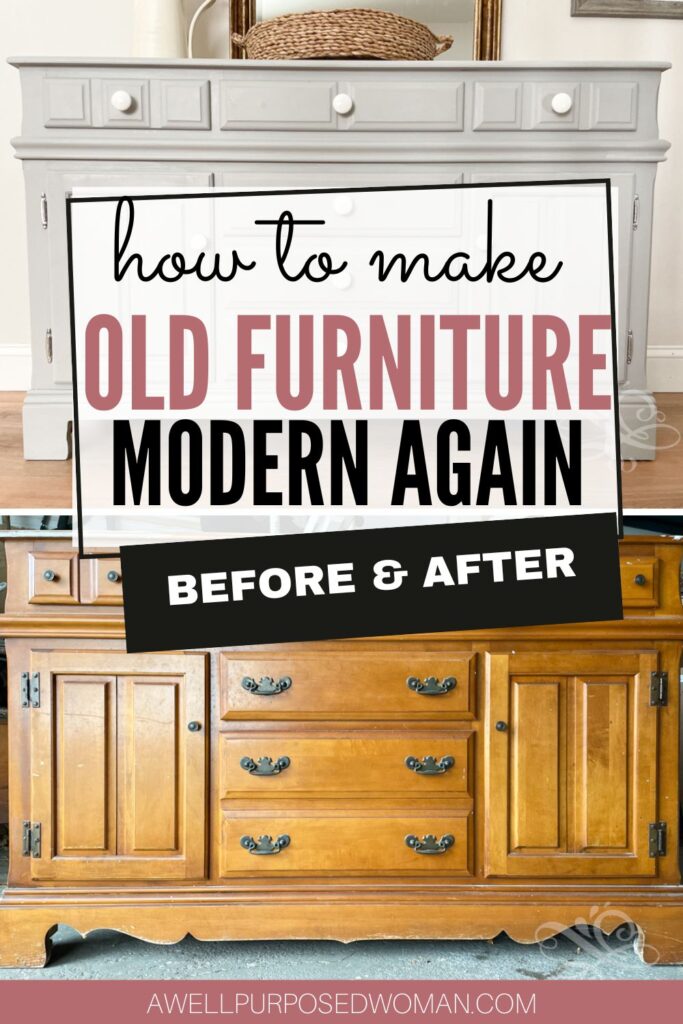
Credit: awellpurposedwoman.com
Metal Furniture Modernization
Don’t forget about metal pieces—these are often overlooked but can be updated for a modern vibe.
Cleaning And Rust Removal
Use a wire brush, sandpaper, or rust remover to clean metal surfaces. For severe rust, try products like naval jelly.
Painting Metal
Choose spray paint designed for metal. Apply several thin coats for even coverage. Consider finishes like matte black, white, or metallic for a modern look.
Updating With Wood Elements
Add a wooden seat or tabletop to a metal frame for a mixed-material style. Secure with screws or brackets for stability.
Modernizing Storage Furniture
Dressers, cabinets, and bookshelves are easy to update with a few changes.
Open Shelving
Remove doors from cabinets or hutches to create open shelving. Paint the inside a contrasting color for interest.
Adding Legs
Swap out bulky bases for sleek, modern legs. This lifts heavy pieces visually and adds a designer touch.
Sliding Doors
Install sliding doors or barn door hardware for a contemporary twist. Use frosted glass or painted panels for privacy.
Smart Tips Most Beginners Miss
- Test on Hidden Areas: Always try your paint or stain on the underside or back before starting. Wood can react differently depending on age and type.
- Disassemble When Possible: Take apart drawers, doors, and hardware before painting. You’ll get a cleaner, more durable finish.
- Use Furniture Wax: After painting or staining, buff on furniture wax for added protection and a soft sheen.
- Mind Humidity: Paint, stain, and glue all react differently in high humidity. Work in a dry, ventilated area for best results.
- Let Each Layer Dry Fully: Rushing leads to tacky finishes and fingerprints. Patience is key for a professional look.
Common Mistakes To Avoid
- Skipping Prep: Failing to clean, sand, or repair leads to chipping and peeling.
- Using the Wrong Paint: Not all paints work on all surfaces. Check for compatibility before buying.
- Not Sealing the Finish: Unsealed paint or stain can scratch or fade quickly.
- Mismatched Hardware: New hardware should fit the style and scale of the furniture.
- Ignoring Proportions: Overly bold colors or busy patterns can overwhelm a room. Keep balance in mind.
Practical Examples: Before And After Transformations
To see the impact of modernization, let’s compare typical transformations.
| Original Piece | Modern Update | Key Techniques Used |
|---|---|---|
| Brown oak dresser with brass hardware | Matte black paint, brushed gold pulls | Sanding, priming, painting, hardware swap |
| Floral upholstered chair | Solid linen fabric, wooden legs stained walnut | Reupholstery, leg staining |
| Rusty metal patio table | White powder coat, new wood slats | Rust removal, spray painting, wood replacement |
Advanced Modernization: Mixing Materials And Styles
Modern furniture often mixes materials—think wood with metal, or fabric with glass. Here’s how to combine elements for a high-end look.
Wood And Metal
Pair a wooden tabletop with a steel base. Use contrasting finishes, like light oak with matte black.
Glass Inserts
Add frosted or clear glass panels to doors or tabletops for a sleek, open feel.
Fabric And Leather
Reupholster chairs with vegan leather or textured fabric for visual interest.
Comparison Of Material Mixes
| Combination | Style Result | Best For |
|---|---|---|
| Wood + Black Metal | Industrial, Modern | Dining tables, desks |
| Glass + Painted Wood | Minimalist, Contemporary | Cabinets, side tables |
| Fabric + Brass | Glam, Art Deco | Chairs, headboards |
Eco-friendly Modernization
Modernizing old furniture is already sustainable, but you can make your project even greener:
- Use low-VOC paints and stains to reduce chemical emissions.
- Recycle old hardware or donate it to local charities.
- Source reclaimed wood or fabric when possible.
- Choose water-based finishes for easy cleanup.
According to the EPA, Americans throw away over 9 million tons of furniture every year. By modernizing, you help cut down on this environmental impact.
Where To Find Old Furniture For Modernization
Not everyone has old furniture lying around. Great sources include:
- Thrift stores and charity shops: Low prices, unique finds.
- Estate sales and auctions: Higher quality, often solid wood.
- Online marketplaces: Facebook Marketplace, Craigslist, eBay.
- Curbside finds: Free, but inspect for damage or pests.
Look for sturdy construction, good lines, and solid materials. Don’t worry about ugly colors or minor damage—you can fix those.
Budgeting And Time Management
Modernizing furniture takes time and money. Here’s how to stay on track:
- Estimate Costs: Add up paint, tools, hardware, and fabric. Leave a 10–20% buffer for surprises.
- Set Realistic Goals: Start with a small piece if you’re a beginner. Some projects take several days for drying and curing.
- Track Your Hours: Knowing how long each step takes helps you plan better for future projects.
Modernization Ideas For Different Rooms
Living Room
- Paint or stain coffee tables, end tables, and TV stands.
- Update bookshelves with wallpapered backs or painted shelves.
- Modernize old armchairs with new upholstery.
Bedroom
- Paint headboards in bold or soft colors.
- Replace dresser hardware for a quick refresh.
- Add new legs to bedside tables for a floating look.
Dining Room
- Refinish dining tables with stain or paint and seal for durability.
- Mix and match painted chairs for a playful, modern vibe.
- Add bench seating with fresh upholstery.
Home Office
- Repaint desks with chalk paint for a soft matte finish.
- Add open shelves with metal brackets for an industrial touch.
- Modernize filing cabinets with spray paint and new handles.
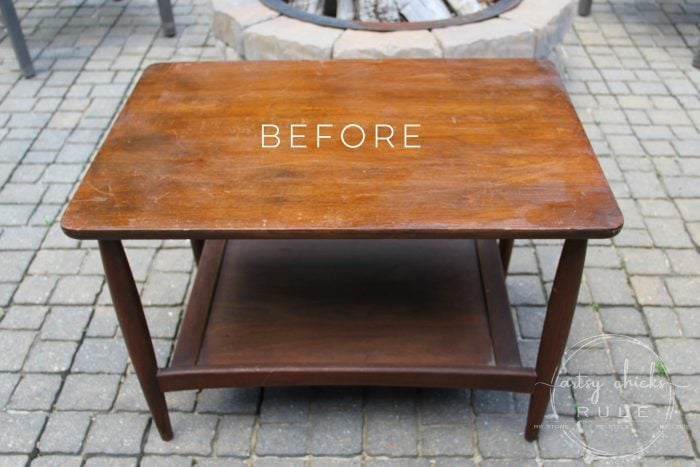
Credit: www.artsychicksrule.com
Safety And Health Considerations
Some old furniture may have lead paint or harmful finishes, especially pieces made before 1978. Always test for lead if you suspect it. Wear a mask and gloves when sanding or stripping. Work in a ventilated space and keep children and pets away from chemicals.
If you’re unsure, check out safety guidelines on the EPA’s official site.
Project Timeline Example
Here’s a sample timeline for a simple dresser makeover:
| Step | Time Required | Tips |
|---|---|---|
| Cleaning & Stripping | 2–3 hours | Let dry fully before sanding |
| Repairs & Sanding | 3–4 hours | Use wood filler for holes |
| Priming & Painting | 4–6 hours (including dry time) | Thin coats, sand between coats |
| Hardware Update | 1 hour | Measure twice before drilling |
| Finishing & Assembly | 1–2 hours | Let cure overnight before use |
Plan for at least 2–3 days for most projects, allowing for drying and curing time.
When To Call A Professional
Some jobs are best left to experts:
- Intricate carving repairs
- Reupholstering complex shapes (like sofas)
- Lead paint removal
- Advanced electrical work (for lighting or media units)
A professional can save time and prevent costly mistakes.
Frequently Asked Questions
What Are The Easiest Ways To Modernize Old Furniture?
Painting, updating hardware, and changing upholstery are the simplest and most effective methods. These don’t require special tools or skills, just patience and attention to detail.
Can I Modernize Laminate Or Veneer Furniture?
Yes, but you need to use the right primer and paint. Lightly sand the surface, clean it well, and choose a primer designed for glossy surfaces. Avoid heavy sanding, which can damage the thin veneer.
How Do I Know If My Furniture Is Worth Modernizing?
Check for solid construction, quality materials, and a style you like. If the piece is very damaged, wobbly, or made from low-quality particleboard, it may not be worth the effort or cost.
What’s The Best Finish For High-use Furniture Like Tables Or Chairs?
For durability, use a water-based polyurethane or clear acrylic topcoat. These finishes protect against scratches, moisture, and stains while keeping the look modern.
How Can I Avoid Brush Marks When Painting Furniture?
Use a high-quality synthetic brush or foam roller. Apply thin coats and sand lightly between layers. For the smoothest finish, consider spray painting in a dust-free environment.
Old furniture doesn’t have to stay stuck in the past. With the right approach, you can give any piece a fresh, modern look that fits your home and your lifestyle. The process is creative, practical, and often deeply satisfying. Whether you’re updating a family heirloom or a thrift store find, modernizing old furniture is a rewarding way to make your space truly your own.