
Thinking about adding new porch flooring can feel exciting—and a little intimidating. It’s the foundation of your outdoor living space, setting the stage for every cup of coffee, evening chat, or family gathering. But getting it right isn’t just about looks. A good installation means your porch will stay safe, strong, and beautiful for years, even through rain, snow, and sun.
Many people worry about making mistakes, choosing the wrong material, or starting a project too big to finish. But with the right plan and clear steps, you can install porch flooring yourself and save money. You don’t need special skills—just patience, basic tools, and a willingness to learn.
This guide walks you through everything, from picking the best material to the final touches that make your porch pop. You’ll get expert tips, practical advice, and warnings about common problems. Even if you’re a beginner, you’ll finish with confidence and a porch floor that makes you proud.
Understanding Porch Flooring
Porch flooring isn’t the same as indoor flooring. It faces weather, foot traffic, and sometimes even pests. The right material and installation method make a big difference in how long your porch lasts and how much maintenance you’ll need.
Why Porch Flooring Matters
A strong, well-installed floor keeps your porch safe. Weak or rotting boards can cause falls or injuries. Also, the wrong material can warp, crack, or fade quickly, forcing you to replace it sooner than you want.
Porch flooring also affects your home’s curb appeal and resale value. A tidy, inviting porch can make your whole house look better and feel more welcoming.
Types Of Porch Flooring
There are several common materials, each with pros and cons:
- Pressure-treated wood – Affordable, classic look, but needs sealing and maintenance.
- Composite decking – Low maintenance, resists rot and insects, but costs more.
- PVC or plastic decking – Water-resistant, low upkeep, but can look less natural.
- Tropical hardwoods (like ipe) – Very durable and beautiful, but expensive and harder to work with.
- Concrete – Good for ground-level porches, long-lasting, but can be cold and hard.
- Porcelain or ceramic tile – Stylish, easy to clean, but needs a solid, waterproof base.
Each material has its own installation method and care needs. Choosing the right one depends on your climate, budget, and style.
Not-so-obvious Insights
First, many beginners forget about ventilation. Without airflow under your porch, wood can rot quickly—even if you use treated lumber.
Second, check your local building codes. Some areas have strict rules about materials, spacing, and even the color of porch floors. Ignoring these can cause headaches later.
Planning Your Porch Flooring Project
Careful planning saves time and money. Before you buy materials or start tearing up your old floor, take these steps.
Measure Your Porch
Use a tape measure to find the length and width of your porch in feet. Multiply these numbers to get the square footage. For example, a porch 12 feet long and 8 feet wide is 96 square feet.
If your porch isn’t a perfect rectangle, divide it into smaller sections, measure each one, and add the totals.
Check The Structure
Look under your porch. Are the joists (horizontal support boards) in good shape? Any signs of rot, insect damage, or sagging? If the supports are weak, fix them before laying new flooring.
Use a screwdriver to poke the wood. If it feels soft or flakes apart, it’s probably rotted and needs replacing.
Choose Your Material
Think about:
- Weather – Does it rain a lot? Is it hot, cold, or humid?
- Budget – How much can you spend on materials and tools?
- Maintenance – Do you want to stain or seal the floor every year?
- Appearance – Do you like a classic wood look or something modern?
Here’s a quick comparison to help:
| Material | Cost per sq. ft. | Maintenance Level | Expected Lifespan | Weather Resistance |
|---|---|---|---|---|
| Pressure-Treated Wood | $2–$5 | High | 10–15 years | Moderate |
| Composite Decking | $6–$12 | Low | 25–30 years | High |
| PVC/Plastic | $7–$13 | Very Low | 20–30 years | Very High |
| Tropical Hardwood | $8–$15 | Medium | 40+ years | Very High |
| Concrete | $4–$8 | Low | 30+ years | Very High |
| Porcelain/Ceramic Tile | $5–$10 | Low | 20–30 years | High |
Buy The Right Amount
Add 10% to your square footage for waste and mistakes. For example, if your porch is 100 square feet, buy enough material for 110 square feet.
Collect Tools And Supplies
You’ll need:
- Tape measure
- Circular saw or miter saw
- Drill and bits
- Hammer or screw gun
- Chalk line
- Level
- Pry bar (for removing old boards)
- Safety glasses and gloves
- Fasteners (screws or nails, specific for your material)
- Paintbrush or roller (for sealant, if using wood)
Buying or renting tools can save time. For most people, a circular saw is easier than a hand saw, especially for tough materials.
Plan For Weather
Check the forecast. Don’t start if rain is coming, since moisture can ruin wood and adhesives before they set.

Credit: tufdek.com
Removing Old Porch Flooring
Most porch renovations start by taking out old, damaged boards. This is noisy, messy work but not complicated.
Safe Removal Steps
- Clear the porch – Move all furniture, planters, and décor.
- Wear safety gear – Gloves, glasses, and a dust mask.
- Remove fasteners – Use a drill or pry bar to take out nails or screws. Old nails might be rusty—work slowly.
- Lift out boards – Pry up each board carefully. If they split, that’s fine—you’ll throw them away.
- Dispose of old boards – Check local rules for wood disposal or recycling.
Check And Repair The Joists
Once the boards are off, check the joists again. Replace any rotted or cracked pieces. If you find mold, clean with a bleach solution and let dry completely.
A strong base is the key to a lasting porch floor.
Don’t Skip This Step
Many beginners try to lay new flooring over old boards to save time. This traps moisture, causes rot, and often voids material warranties. Always start fresh.
Preparing The Subfloor
The subfloor is what supports your porch flooring. It must be clean, dry, and level. Skipping prep causes uneven floors, squeaks, or even failure.
Cleaning And Leveling
Sweep away all dirt and old nails. Use a level to check the joists. If any joist is higher or lower than others, plane it down or add shims.
Check the slope—your porch should tilt slightly away from the house (about 1/8 inch per foot) to drain water. If not, use shims or adjust joists to create this slope.
Adding Underlayment (if Needed)
For tile or concrete, you may need a waterproof membrane or cement board over the joists. For wood or composite, this isn’t usually needed unless your porch is over living space.
Install a vapor barrier for extra moisture protection, especially in humid climates.
Flashing
Install metal flashing where the porch meets the house. This keeps water out of your home’s structure. Tuck the flashing under siding and over the joists.

Credit: www.youtube.com
Installing Porch Flooring: Step-by-step
Now comes the main event—laying your new porch floor. The exact method depends on your material, but the basic process is similar.
1. Dry-fit The Boards
Lay out several boards without fasteners. Check for color or grain differences and arrange boards for the best look.
Leave a small gap (about 1/8 inch) between boards for drainage. For composite or PVC, follow the manufacturer’s recommended spacing.
2. Mark Guidelines
Snap a chalk line across the joists to keep the first row straight. Start at the outside edge of the porch and work toward the house.
3. Cut Boards To Length
Use a circular saw for straight, clean cuts. If your porch isn’t perfectly square, measure each board before cutting.
4. Attach The First Row
Set the first board with its edge flush with the porch’s outside rim. Use galvanized screws (for wood) or manufacturer-recommended fasteners (for composite/PVC). Don’t use drywall screws—they rust and break.
Pre-drill holes near the ends to prevent splitting. Drive fasteners flush, but not too deep.
5. Continue Laying Boards
Stagger the joints for a stronger floor, especially if your porch is longer than your boards. Keep the gaps even.
Check each row with a level and tape measure. Make small adjustments as you go—fixing mistakes later is much harder.
6. Trim Around Posts And Corners
Use a jigsaw to cut boards around posts, railings, or other obstacles. Measure twice, cut once.
7. Fasten All Boards
Continue attaching each board. For hidden fasteners (often used with composite), follow the system’s instructions closely.
8. Finish The Last Row
The final board may need to be ripped (cut lengthwise) to fit. Leave a small gap at the house for expansion.
9. Install Trim And Skirting
Cover the porch edge with trim or fascia boards for a polished look. Add lattice or skirting under the porch if desired, but leave some space for ventilation.
10. Clean Up
Sweep the new floor and remove all debris. Check for loose fasteners or sharp edges.
Special Steps For Different Materials
Some porch flooring materials need extra care. Here’s how to handle the most popular types.
Pressure-treated Wood
- Let boards dry for 1–2 months before staining or sealing. Fresh wood is often wet from the treatment process.
- Use deck screws to prevent rust.
- Seal all cut ends with wood preservative.
Composite Decking
- Store boards in the shade before installing. Hot boards can expand and shrink after you fasten them.
- Use the manufacturer’s fastener system for a smooth, screw-free surface.
- Cut ends can be rough—sand lightly for a cleaner look.
Pvc Or Plastic Decking
- Allow space for expansion—plastic moves more than wood.
- Don’t use nails; use the recommended screws and pattern.
- Clean with mild soap and water, not harsh chemicals.
Tropical Hardwoods
- Pre-drill every hole—these woods are very hard and can split.
- Seal the cut ends to prevent moisture entry.
- Oil the boards if you want to keep the color, or let them weather to silver-gray.
Concrete
- Pour on a dry day and cure for at least a week.
- Use a broom finish for slip resistance.
- Add color or stain for a custom look.
Porcelain Or Ceramic Tile
- Use frost-resistant tiles for outdoor use.
- Apply a waterproof membrane over the subfloor.
- Use flexible, outdoor-rated mortar and grout.
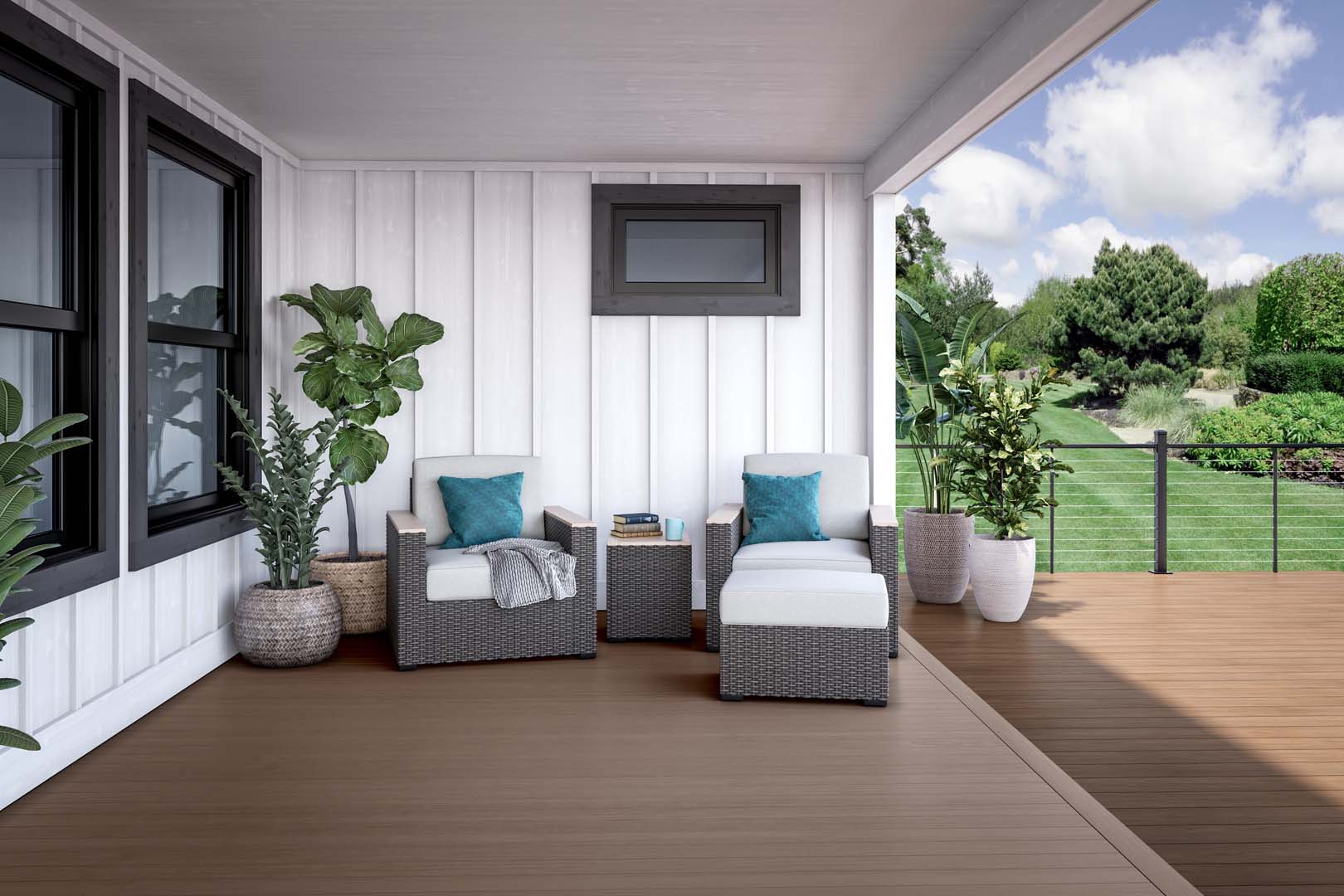
Credit: www.deckorators.com
Sealing And Finishing Touches
After installing your porch flooring, the right finish protects your work and adds beauty.
Staining And Sealing Wood
- Wait until wood is dry (usually 1–2 months for new pressure-treated boards).
- Choose a high-quality, UV-resistant exterior stain or sealant.
- Apply with a brush or roller, following the wood grain.
- Let dry completely before walking on the porch.
Cleaning Other Materials
- For composite and PVC, sweep regularly and wash with mild soap.
- For tile, seal grout lines to prevent staining.
Adding Rugs Or Furniture
Wait at least 48 hours after finishing before placing heavy furniture or outdoor rugs. This prevents marks or dents.
Common Mistakes To Avoid
Many porch flooring problems come from simple errors. Here are the most common—and how to avoid them.
- Skipping the slope – A flat porch collects water, leading to rot. Always check for a slight tilt away from the house.
- Not leaving gaps – Boards need room to expand and contract with temperature and moisture.
- Ignoring ventilation – Without airflow under the porch, moisture gets trapped and causes mold.
- Using indoor wood or fasteners – Only use outdoor-rated materials and screws/nails.
- Forgetting to seal cut ends – These are the first places to rot.
- Over-tightening fasteners – This can crack boards, especially composite and hardwoods.
- Rushing the finish – Let stain or sealant dry fully before using the porch.
Maintaining Your Porch Flooring
A little maintenance keeps your porch looking new for years.
- Sweep weekly to remove dirt and leaves.
- Wash seasonally with mild soap and water. Avoid pressure washers—they can damage wood fibers.
- Check for loose boards or nails every year and fix as needed.
- Re-seal wood every 1–3 years, depending on sun and rain exposure.
- Inspect for pests like termites, especially if you live in a warm climate.
How Porch Flooring Affects Home Value
A well-installed porch floor can add thousands of dollars to your home’s value. According to the National Association of Realtors, outdoor living spaces are one of the top features buyers want. A tired, splintered floor can turn buyers away, while a fresh, sturdy floor makes your home more attractive.
Porch Flooring Cost Breakdown
Here’s a closer look at what you might spend:
| Item | Average Cost | Notes |
|---|---|---|
| Materials (100 sq. ft.) | $200–$1,300 | Depends on material |
| Fasteners | $25–$75 | Deck screws, hidden fasteners, etc. |
| Tools (if buying) | $100–$300 | Can be rented for less |
| Sealant/Stain | $30–$90 | For wood only |
| Labor (if hiring) | $500–$2,000 | DIY saves this cost |
Keep in mind, DIY installation can save hundreds or even thousands of dollars. But if your porch is high off the ground or in poor condition, hiring a pro is safer.
Practical Tips For A Better Porch Floor
- Lay boards perpendicular to the joists for maximum strength.
- Mix boards from different bundles to avoid color patches, especially with natural wood.
- Mark joist locations on the porch rim to make fastening easier.
- Store boards flat and shaded before installation to prevent warping.
- Use a moisture meter if unsure whether wood is dry enough to finish.
When To Call A Professional
Some porch flooring projects are best left to experts:
- Porches over living space – Waterproofing mistakes can cause leaks inside your home.
- Extensive rot or structural damage – You may need a carpenter, not just a handyman.
- High or multi-level porches – Working at heights adds risk.
A good contractor will have references, insurance, and knowledge of building codes. Always get multiple quotes.
Additional Resources
For more details and step-by-step guides, the Family Handyman website offers excellent tutorials and troubleshooting tips.
Frequently Asked Questions
How Long Does Porch Flooring Installation Take?
Most DIY porch flooring projects take 2–4 days, depending on the porch size and weather. Removing old boards, repairing the base, and allowing finishes to dry can add time. Larger or more complex porches may take a week or more.
Can I Install New Porch Flooring Over Old Boards?
It’s not recommended. Installing over old boards can trap moisture, hide rot, and lead to a weak floor. Removing the old flooring lets you check and repair the structure, ensuring safety and a longer lifespan.
What’s The Best Flooring For A Covered Porch?
Composite decking is popular because it resists rot, insects, and fading, with little maintenance. Pressure-treated wood is also common for its classic look and lower cost, but needs more upkeep. For covered porches, avoid slippery materials and choose boards with a textured finish.
How Do I Stop My Porch Floor From Getting Slippery?
Choose flooring with a textured or grooved surface. For wood, add an anti-slip coating. For tile, select outdoor-rated, slip-resistant types. Keep the porch clean—moss or algae can make any surface slick.
How Much Does It Cost To Install Porch Flooring?
DIY costs range from $2 to $15 per square foot, depending on material. Hiring a contractor adds $5–$20 per square foot for labor. Factors like porch height, repairs, and special finishes can increase costs.
A new porch floor changes your home—and your life outdoors. By following each step and paying attention to details, you’ll create a space that’s safe, beautiful, and built to last. Whether you’re enjoying a morning coffee or hosting friends, your new porch flooring will be a source of pride for years to come.