
If you love cooking, you might have wondered: what happens if you use too much cooking oil, salt, sugar, spices, or even heat? Many home cooks make these mistakes, but few realize the serious effects. Too much of anything in the kitchen can ruin food, harm your health, and even damage kitchen equipment. But how, exactly? And what should you do if you make these mistakes? Let’s explore the risks, the science, and practical solutions for using too much of common cooking elements. By the end of this guide, you’ll feel confident and in control every time you cook.
The Meaning Of “too Much” In Cooking
In cooking, “too much” does not always mean a huge amount. Sometimes, just a little extra salt or oil can make a big difference. It depends on the recipe, the type of food, and personal taste. For example, a pinch of extra salt may not matter in a big soup, but it can ruin a delicate sauce.
Too much cooking can refer to:
- Using too much of an ingredient (oil, salt, sugar, spices, etc.)
- Overcooking food (cooking for too long or at too high a temperature)
- Using too much heat or flame
Understanding each type is important, because the effects—and solutions—are different.
What Happens If You Use Too Much Oil?
Oil is essential in many recipes. It helps food cook evenly, adds flavor, and prevents sticking. But too much oil can create problems.
Effects On Food
- Texture issues: Fried foods become greasy instead of crisp. Baked goods may turn heavy and soggy.
- Flavor changes: The natural taste of vegetables, meat, or dough can be lost under a layer of fat.
- Appearance: Food looks shiny or oily, which many people find unappetizing.
Health Risks
Too much oil, especially saturated fat or trans fat, can raise cholesterol and increase the risk of heart disease. Even healthy oils (like olive oil) are high in calories. For example, 1 tablespoon of olive oil has 120 calories.
Kitchen Problems
Excess oil can splatter, creating burns and a messy kitchen. It can also clog drains if poured down the sink.
How To Fix It
- For soups or stews: Skim oil off the top with a spoon.
- For fried foods: Drain on paper towels.
- For salad dressings: Add vinegar or lemon juice to cut the greasy feeling.
Non-obvious insight: Many beginners think more oil equals better browning. In reality, a thin layer gives the crispiest result.

Credit: www.reddit.com
What Happens If You Use Too Much Salt?
Salt brings out flavor, but too much can overpower a dish and affect your health.
Effects On Food
- Overpowering taste: Food tastes extremely salty and unpleasant.
- Texture changes: Salt can draw water out of ingredients, making meat tough or vegetables soggy.
- Color loss: Vegetables can lose their bright color if cooked with too much salt.
Health Risks
High salt intake can cause high blood pressure, kidney problems, and increased risk of stroke. The American Heart Association recommends no more than 2,300 mg sodium per day (about 1 teaspoon of salt).
How To Fix It
- Add more unsalted ingredients (potatoes, rice, pasta) to absorb the salt.
- Add acid (lemon juice, vinegar) to balance flavor.
- Dilute the dish with water or broth if possible.
Non-obvious insight: Adding sugar or fat does not remove salt; it only masks it. The salt remains in the dish.
What Happens If You Use Too Much Sugar?
Sugar is used for sweetness and browning, but too much can ruin both taste and texture.
Effects On Food
- Overly sweet taste: Main dishes and sauces can become cloying and unbalanced.
- Texture problems: Cakes collapse, cookies spread too much, jams do not set.
- Unwanted browning: Sugar causes the Maillard reaction and caramelization. Too much sugar can burn quickly.
Health Risks
Extra sugar leads to weight gain, increased risk of diabetes, and tooth decay. Most Americans eat far more than the recommended 6-9 teaspoons per day.
How To Fix It
- For sauces: Add acid (lemon juice, vinegar) or more base ingredient.
- For baked goods: Add unsweetened ingredients or serve with unsweetened sides.
- For drinks: Dilute with water or add more unsweetened liquid.
Practical tip: If you oversweeten a cake, serve it with plain yogurt or unsweetened cream to balance the taste.
What Happens If You Use Too Many Spices Or Herbs?
Spices and herbs add depth and complexity. But too much can overpower or clash with other flavors.
Effects On Food
- Bitter or harsh taste: Some spices, like cinnamon or cloves, turn bitter in excess.
- Unbalanced flavors: The main ingredient can be lost under strong spices.
- Color changes: Dishes can turn an unexpected color (for example, too much turmeric turns food bright yellow).
Health Risks
Some spices, like nutmeg, can be toxic in very high amounts. Too many herbs can cause stomach upset for sensitive people.
How To Fix It
- Add more of the base ingredient to dilute.
- Add dairy (cream, milk, yogurt) to soften spice flavors.
- Add acid (lemon juice, vinegar) to balance.
Non-obvious insight: Toasting spices before adding them makes them stronger, so use less if toasting.
What Happens If You Use Too Much Acid?
Acids like vinegar, lemon juice, and tomatoes are important for flavor. But too much can make food sour and inedible.
Effects On Food
- Sour taste: Too much acid overwhelms other flavors.
- Texture changes: Acid can “cook” proteins (like ceviche) or curdle dairy.
- Color change: Acid can fade the green in vegetables or turn red onions pink.
Health Risks
Too much acid can irritate the stomach lining, especially for people with acid reflux or ulcers.
How To Fix It
- Add sugar or honey to balance.
- Add fat (oil, butter, cream) to soften.
- Add more of the non-acid ingredients.
Practical tip: In salad dressing, start with half the acid the recipe says and add more if needed.
What Happens If You Use Too Much Heat?
Cooking with high heat can be useful for searing or browning, but too much can destroy food.
Effects On Food
- Burnt taste: Food tastes bitter and charred.
- Dry or tough texture: Meats, fish, and eggs lose moisture and become chewy.
- Loss of nutrients: High heat destroys vitamins like vitamin C and some B vitamins.
Kitchen Risks
- Fire hazard if oil or fat gets too hot.
- Burns from splattering or hot pans.
How To Fix It
- If only the outside is burnt, scrape off the burnt part.
- Lower heat and finish cooking gently.
- Add sauce or broth to add moisture back if food is dry.
Non-obvious insight: Searing meat at very high heat for too long makes a tough crust, not a tender steak. Short, intense heat is best.
What Happens If You Overcook Food?
Overcooking is a common kitchen mistake. It means leaving food on the heat too long, even if the temperature is not too high.
Effects On Food
- Loss of flavor: Delicate flavors disappear, and food tastes bland.
- Bad texture: Vegetables become mushy, meat turns dry, pasta gets sticky.
- Color changes: Food turns gray or dull.
Health Risks
- Overcooked food (especially meats) can form harmful chemicals, like heterocyclic amines (HCAs), linked to cancer.
- Overcooked oils (like in deep frying) can release toxic compounds.
How To Fix It
- For vegetables: Shock in ice water to stop cooking.
- For meat: Shred and use in soups or stews.
- For grains: Rinse with cold water and toss with oil.
Practical tip: Use a timer and thermometer. Trust the recipe, not just your eyes.
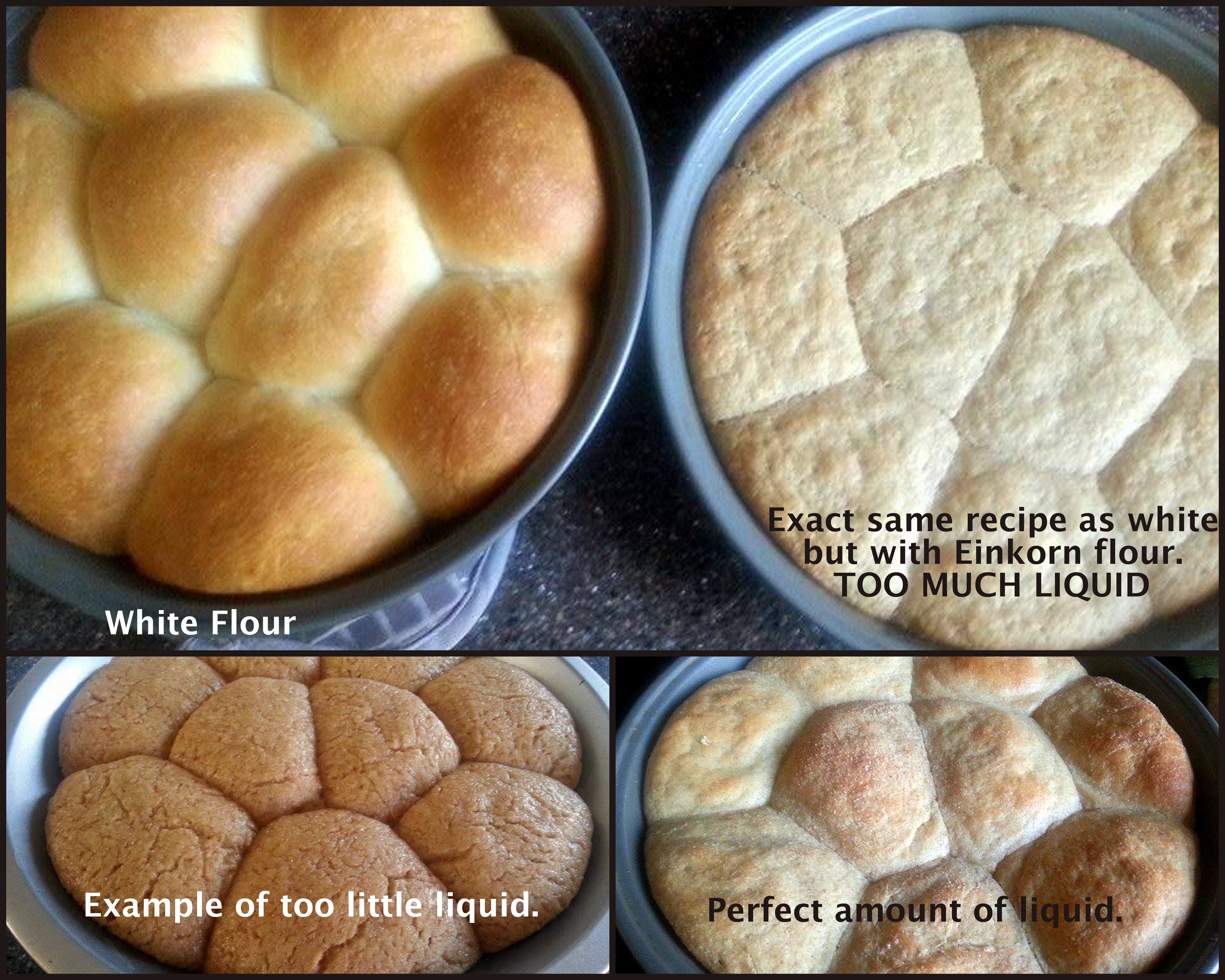
Credit: www.einkorn.com
What Happens If You Use Too Much Water Or Liquid?
Adding too much water or broth can dilute flavors and ruin texture.
Effects On Food
- Watery taste: Soups, stews, and sauces lose intensity.
- Thin texture: Gravies and custards won’t thicken.
- Overcooking risk: More water means longer cooking, which can overcook ingredients.
How To Fix It
- Simmer uncovered to let water evaporate.
- Add thickener (cornstarch, flour, potato).
- Add concentrated flavor (stock, bouillon, tomato paste).
Non-obvious insight: If you add too much water, resist adding salt immediately. Wait until you reduce the liquid first.
What Happens If You Use Too Much Flour Or Thickener?
Flour, cornstarch, and other thickeners give body to sauces and soups. Too much can cause problems.
Effects On Food
- Gummy texture: Sauces turn pasty or gluey.
- Raw taste: Not enough cooking time leaves a floury flavor.
- Loss of shine: Too much thickener makes food look dull.
How To Fix It
- Add more liquid and cook longer to smooth the texture.
- Add a little fat (butter, oil) to restore shine.
- For baked goods, balance with more wet ingredients.
Practical tip: Always mix starch with cold water before adding to hot liquid to avoid lumps.
What Happens If You Use Too Much Leavening Agent?
Baking powder, baking soda, and yeast make baked goods rise. But too much can ruin your results.
Effects On Food
- Bitter or soapy taste: Extra baking soda or powder leaves a chemical flavor.
- Over-rising and collapsing: Cakes or bread rise too fast, then fall flat.
- Large holes or uneven crumb: Texture becomes strange.
How To Fix It
- For batter, add a little acid (lemon juice, vinegar) to balance extra baking soda.
- For yeast dough, punch down and let rise again to slow the process.
Non-obvious insight: Leavening agents react quickly. If you overmix or wait too long, they lose power.
What Happens If You Use Too Much Dairy?
Milk, cream, cheese, and yogurt add richness and flavor. But too much can cause problems.
Effects On Food
- Heavy or greasy taste: Dishes feel rich and can become unpleasant.
- Split or curdled sauce: Too much dairy, especially in hot sauces, can separate.
- Overpowering flavor: Cheese or cream can hide other tastes.
How To Fix It
- Add more base ingredients or broth to balance.
- If a sauce splits, whisk in a little cold water or starch.
- For baked goods, add more flour or dry ingredients.
Practical tip: Full-fat dairy is more likely to split if heated too quickly.
Credit: www.yummy.ph
What Happens If You Use Too Much Meat Or Protein?
Adding extra meat or protein can seem like a good idea, but it can unbalance a dish.
Effects On Food
- Dry or tough texture: Too much protein and not enough sauce or moisture.
- Flavor imbalance: Meat can overwhelm vegetables or grains.
- Cooking problems: Dishes take longer to cook and can burn.
How To Fix It
- Add more sauce, broth, or vegetables.
- Use leftovers in salads, tacos, or soups.
Non-obvious insight: Protein shrinks as it cooks. Adding too much at the start can crowd the pan and steam instead of brown.
What Happens If You Use Too Many Eggs?
Eggs bind, enrich, and help baked goods rise. But too many can cause trouble.
Effects On Food
- Rubbery texture: Custards, cakes, or omelets become tough.
- Eggy flavor: Overpowers other tastes.
- Color change: Baked goods turn yellow.
How To Fix It
- For batters, add more flour or sugar.
- For custards, add more milk or cream.
- For savory dishes, mix in extra vegetables or grains.
Practical tip: Large eggs are standard in US recipes. Using extra-large eggs can throw off the balance.
What Happens If You Use Too Many Vegetables?
Vegetables add nutrition, color, and texture. But too many can cause problems.
Effects On Food
- Watery dishes: Vegetables release water, making sauces thin.
- Overcrowding: Roasted or sautéed vegetables steam instead of brown.
- Loss of flavor: Vegetables can dilute the taste of meat or sauces.
How To Fix It
- Cook in batches for better browning.
- Simmer to reduce liquid.
- Add more seasoning to boost flavor.
Non-obvious insight: Some vegetables (like zucchini) release more water. Salt and drain before cooking.
Common Problems: Comparison Tables
Here is a simple comparison of what happens if you use too much of certain common ingredients:
| Ingredient | Main Effect | How to Fix |
|---|---|---|
| Oil | Greasy, heavy food | Drain, skim, add acid |
| Salt | Overpowering, tough texture | Dilute, add potato, add acid |
| Sugar | Too sweet, browns fast | Dilute, add acid, serve with plain |
| Spices | Bitter, unbalanced | Add base, add dairy |
| Heat | Burnt, dry, loss of nutrients | Lower heat, add moisture |
Nutritional Impact: Too Much Vs. Right Amount
How does using too much of an ingredient affect nutrition? Here’s a comparison:
| Ingredient | Recommended Amount (per serving) | Too Much (per serving) | Possible Risks |
|---|---|---|---|
| Salt | 1/4 tsp | 1 tsp or more | High blood pressure |
| Oil | 1 tbsp | 3+ tbsp | Weight gain, heart issues |
| Sugar | 1-2 tsp | 4+ tsp | Diabetes, tooth decay |
| Dairy | 1/4 cup | 1+ cup | Stomach upset, calories |
| Protein | 3 oz | 6+ oz | Digestive issues |
When Too Much Cooking Becomes A Safety Issue
Cooking mistakes are not just about taste. Sometimes, using too much of something can be dangerous.
- Oil fires: Too much oil in a hot pan can catch fire. Never add water to an oil fire—smother with a lid.
- Pressure buildup: Overfilling pots (especially pressure cookers) can cause explosions.
- Chemical reactions: Mixing too much baking soda with acid can foam over and burn skin.
- Allergy risk: Too many spices or hidden ingredients can trigger allergies.
Safety tip: Always read your recipe and understand each ingredient’s role.
How To Avoid Using Too Much In Cooking
The best way to fix too much is to avoid it in the first place.
- Read recipes carefully. Notice if the amounts are in teaspoons, tablespoons, or cups.
- Measure ingredients. Don’t guess, especially with strong flavors.
- Taste as you go. Add a little at a time, then taste before adding more.
- Know your equipment. Ovens, stoves, and pans can vary in power.
- Understand substitutions. Some ingredients are stronger than others.
Experience-based tip: Most home cooks add salt, oil, or spices all at once. Instead, add in stages and adjust at the end.
Real-world Example: The Spicy Soup Disaster
Imagine making a spicy soup and adding a full tablespoon of chili powder instead of a teaspoon. The soup is now too hot to eat. What can you do?
- Add coconut milk or cream to mellow the spice.
- Add potatoes or rice to absorb some heat.
- Serve with plain bread or yogurt.
Why it happens: Many beginners misread “tsp” (teaspoon) as “tbsp” (tablespoon). Always double-check measurements.
Table: Common Cooking Mistakes And Quick Fixes
| Mistake | Why It Happens | Quick Fix |
|---|---|---|
| Too much salt | Misreading recipe, adding before tasting | Dilute, add potato, add acid |
| Too much oil | Poor measuring, thinking more is better | Drain, blot, add acid |
| Overcooked food | Forgotten on heat, poor timer use | Remove from heat, repurpose |
| Too much spice | Confusing powders, over-adding | Add base, add dairy |
| Too much water | Not measuring, topping up without tasting | Simmer to reduce, add thickener |
Key Takeaways For Cooks At Any Level
- Balance is everything. Small mistakes can be fixed. Large ones require creativity.
- Health comes first. Too much fat, salt, or sugar has real risks.
- Practice matters. The more you cook, the better you’ll judge amounts.
- Taste along the way. Don’t wait until the end to check flavor.
- Learn from mistakes. Every cook has ruined a dish; the best learn and improve.
For more on food safety and nutrition, the U.S. Food & Drug Administration has science-backed guidelines.
Frequently Asked Questions
What Should I Do If My Food Is Too Salty?
If your food is too salty, try adding more unsalted ingredients (like potatoes or rice), a splash of acid (lemon juice or vinegar), or diluting with water or broth. Avoid adding sugar, as it only hides the salt but does not remove it.
Is It Safe To Eat Food With Too Much Oil?
Eating oily food once in a while is not dangerous for most people, but regularly eating too much oil can increase calories and fat in your diet, leading to health problems over time. If food is too oily, drain it on paper towels or skim oil from the top.
Can Using Too Much Spice Make Food Toxic?
Some spices (like nutmeg) can be toxic in large amounts. Most common cooking spices are safe, but too much can cause stomach upset. Always use the amount recommended in recipes, and add slowly if you’re unsure.
How Can I Prevent Adding Too Much Of An Ingredient?
Measure carefully, add a little at a time, and taste as you go. If you’re new to a recipe or ingredient, start small. Remember, you can always add more, but you can’t take it out once it’s in.
Does Overcooking Food Always Make It Unhealthy?
Not always, but overcooking can destroy nutrients and create harmful compounds (especially in meat). It can also make food taste and feel bad. Use a timer and learn the right cooking times for each food.
Cooking is both science and art. Understanding what happens if you use too much of any ingredient will make you a better, more confident cook. Even the best chefs make mistakes—what matters is how you adjust and improve. Happy cooking!