
Leather furniture brings elegance, warmth, and luxury to any home. But when mildew appears, it can ruin the beauty and comfort of your favorite sofa or chair. Mildew is a type of fungus that grows in damp, humid conditions. It not only leaves ugly spots, but it also creates a musty smell and can weaken the leather over time. Cleaning mildew from leather furniture might seem difficult, but with the right steps, you can restore your leather and protect it from future problems.
Many people worry about damaging leather during cleaning. In fact, some methods can cause more harm than good. This guide will give you clear, simple instructions to remove mildew safely and effectively from leather. You will learn why mildew appears, how to spot it early, which cleaning products work best, and how to keep your leather healthy for years.
If you follow these steps, your furniture can look, feel, and smell fresh again.
Understanding Mildew And Leather
Mildew is a surface fungus that grows in places with moisture and poor air circulation. It often looks like white, gray, or greenish spots or patches. Unlike mold, which can penetrate deeper, mildew usually stays on the surface. Leather is a natural material made from animal hide, and it is sensitive to both moisture and chemicals. When mildew grows on leather, it can stain the surface and cause a bad odor. If ignored, mildew can also weaken leather fibers.
Leather furniture is more likely to get mildew if:
- The room is humid or damp
- The furniture is near windows, bathrooms, or kitchens
- Spills or water are not cleaned quickly
- The furniture is not regularly cleaned or conditioned
Knowing these risks helps you prevent mildew before it starts. But if mildew is already present, cleaning it quickly is important.
Signs Of Mildew On Leather Furniture
Recognizing mildew early is crucial. Sometimes, mildew is easy to spot, but other times, it can look like dust or simple stains. Here are the main signs:
- White or gray powdery spots on the surface
- Musty smell coming from the furniture
- Sticky or damp texture when you touch the leather
- Discoloration in patches or lines
- Softening or weakening of the leather in affected areas
If you see or smell any of these signs, you likely have mildew. Acting fast makes removal easier and protects your furniture.
Preparing To Clean Mildew From Leather
Before starting, you need to get ready. Cleaning leather needs care and patience. Follow these steps to prepare:
Step 1: Move Furniture To A Well-ventilated Area
Mildew spores can spread in the air. Take the furniture outside if possible, or open windows and turn on fans to improve ventilation. This protects your health and prevents mildew from spreading to other items.
Step 2: Gather Cleaning Supplies
You will need:
- Soft cloths (cotton or microfiber)
- Soft-bristled brush
- Vacuum cleaner (with upholstery attachment)
- Mild soap (like saddle soap or gentle dish soap)
- Distilled water
- Rubbing alcohol (isopropyl alcohol)
- Leather conditioner
- Spray bottle
- Gloves (optional, for skin protection)
Avoid using harsh chemicals like bleach or ammonia, as these can damage leather.
Step 3: Test Cleaning Solution
Before applying any cleaner, test it on a small, hidden area. Wait for 10–15 minutes to check if there is any discoloration or damage. If the leather looks unchanged, you can proceed.
Step-by-step Guide To Cleaning Mildew From Leather Furniture
Cleaning mildew from leather is a careful process. Here is a complete guide:
Step 1: Remove Loose Mildew
Use a soft-bristled brush or dry cloth to gently wipe off loose mildew. Do not scrub hard, as this can scratch the leather. You can also use a vacuum cleaner with a soft upholstery attachment to remove spores.
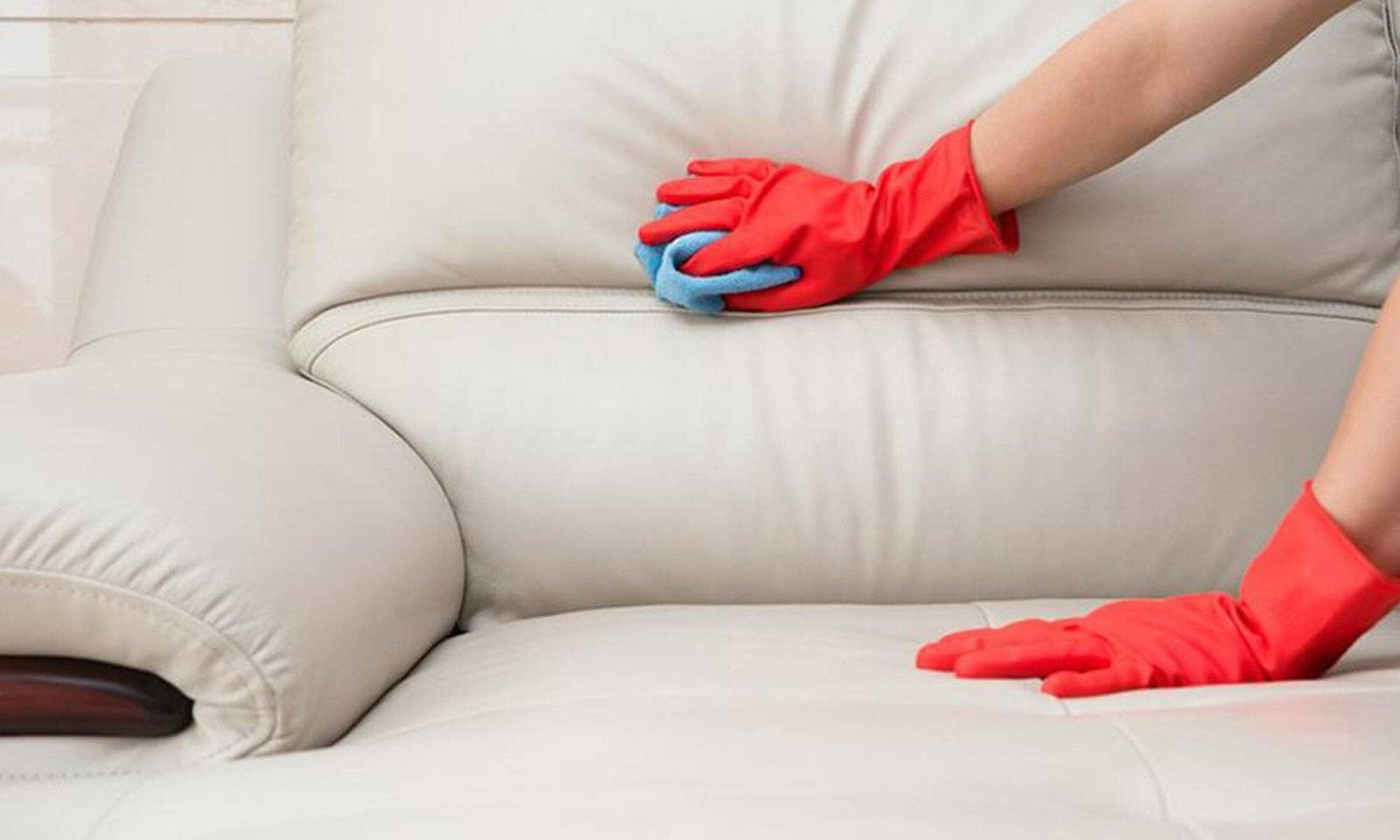
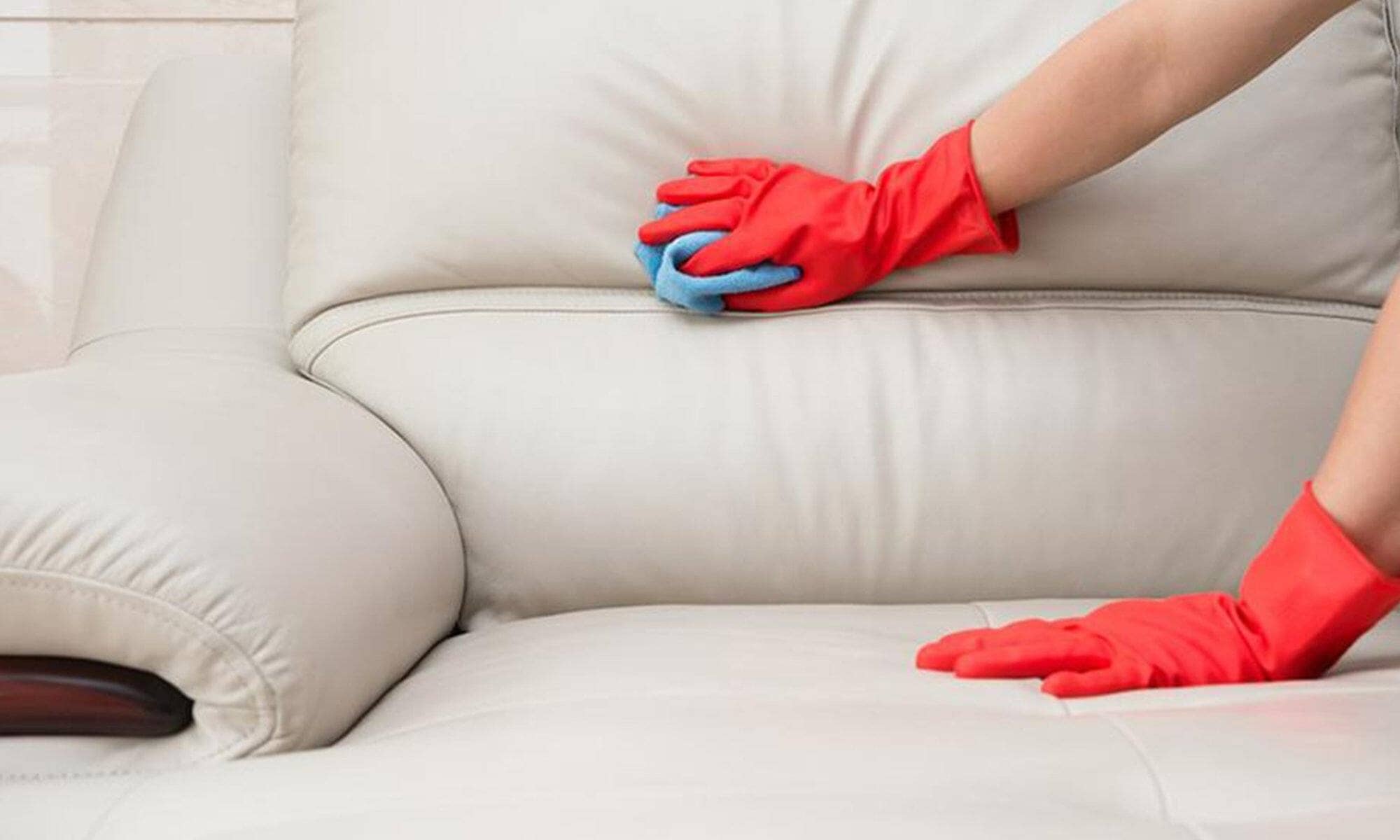
Step 2: Clean With Mild Soap Solution
Mix one teaspoon of mild soap with one cup of distilled water in a spray bottle. Shake gently. Spray the solution on a soft cloth (not directly on the leather). Wipe the affected area in small circles, covering all visible mildew spots. Repeat as needed, but do not soak the leather.
Step 3: Use Rubbing Alcohol For Stubborn Mildew
If mildew remains, mix equal parts rubbing alcohol and distilled water. Dampen a clean cloth with the mixture and gently rub the mildew spots. Alcohol helps kill mildew spores but can dry out leather, so use it sparingly.
Step 4: Rinse And Dry
Wipe the cleaned area with a cloth dampened with plain distilled water. This removes any soap or alcohol residue. Dry the area with another clean cloth. Do not use heat (like hair dryers), as this can crack leather. Let the furniture air dry in a well-ventilated space.
Step 5: Apply Leather Conditioner
Once dry, apply leather conditioner to restore moisture and softness. Follow the instructions on the product, usually applying a small amount with a cloth and buffing gently.
Step 6: Inspect And Repeat If Needed
Check the furniture for any remaining mildew or stains. Repeat the cleaning steps if necessary, but avoid over-cleaning, as this can wear out the leather.
Credit: leathergallery.co.za
Home Remedies For Cleaning Mildew
Some people prefer natural solutions. Here are a few effective home remedies:
- White vinegar: Mix equal parts vinegar and water. Dampen a cloth and wipe the mildew spots. Vinegar kills mildew but may leave a strong smell, so rinse well afterward.
- Baking soda: Sprinkle a small amount on the affected area. Let it sit for 10–15 minutes, then brush off gently. Baking soda absorbs moisture and odors.
- Lemon juice and water: Mix one part lemon juice with two parts water. Wipe the area with a cloth. Lemon juice acts as a mild disinfectant.
Always test these remedies on a hidden spot first. They work best for light mildew and may not be strong enough for severe cases.
Professional Cleaning Vs. Diy Cleaning
Sometimes, mildew is too severe for home cleaning. When should you call a professional?
| Condition | DIY Cleaning | Professional Cleaning |
|---|---|---|
| Light mildew, small spots | Effective | Not needed |
| Large patches, deep stains | May not remove completely | Recommended |
| Strong musty odor | Possible to reduce | Better odor removal |
| Delicate, antique leather | Risk of damage | Safer, expert handling |
| Repeated mildew growth | Temporary solution | Long-term treatment |
Professional cleaning costs more but offers deep cleaning and restoration. If your furniture is valuable or the mildew is widespread, experts can help save the leather.
Common Mistakes When Cleaning Mildew From Leather
Many beginners make mistakes that can damage leather. Here are the most frequent errors:
- Using too much water: Leather absorbs water, which can lead to more mildew and damage.
- Applying harsh chemicals: Bleach, ammonia, and strong cleaners can stain or crack leather.
- Scrubbing too hard: Rough cleaning scratches the surface and removes the protective finish.
- Skipping conditioner: After cleaning, leather needs moisture. Without conditioner, it becomes dry and brittle.
- Ignoring ventilation: Cleaning in a closed room spreads spores and makes mildew return faster.
Avoid these mistakes for best results.
Preventing Mildew On Leather Furniture
Prevention is easier than cleaning. Here are practical steps to protect your leather from mildew:
Control Humidity
Keep indoor humidity between 40–60%. Use a dehumidifier in damp rooms. Mildew thrives in humid air.
Ensure Proper Airflow
Arrange furniture so air can circulate around it. Avoid placing leather items against walls or in corners.
Clean Spills Immediately
Wipe up any liquid spills right away. Moisture left on leather invites mildew.
Regular Cleaning And Conditioning
Dust and wipe leather every 1–2 weeks. Condition every 3–6 months to keep leather soft and resistant to mildew.
Use Protective Covers
If your area is humid or you leave home for long periods, use breathable covers for leather furniture.
Store Leather Properly
If you store leather furniture, make sure it is in a dry, cool place. Never wrap in plastic, as this traps moisture.

Credit: moonsterleather.com
Choosing The Right Products For Cleaning Leather
Not all cleaning products are safe for leather. Here is a comparison of common options:
| Product | Effectiveness | Risks |
|---|---|---|
| Mild soap | Good for light mildew | May not remove deep stains |
| Rubbing alcohol | Kills mildew spores | Can dry leather if used too much |
| White vinegar | Natural mildew killer | Strong smell, may cause discoloration |
| Leather cleaner (commercial) | Safe, effective | Costly, must check ingredients |
| Bleach/ammonia | Removes mildew | Damages leather, not recommended |
Always read product labels and follow instructions. For antique or delicate leather, consult professionals.
Deep Cleaning: When Simple Cleaning Is Not Enough
Sometimes, mildew goes beyond the surface. Deep cleaning may be needed if:
- The mildew has been present for a long time
- The leather smells strongly, even after cleaning
- There are dark, stubborn stains
Deep cleaning involves:
- Using specialized leather cleaners
- Applying the cleaner with a soft brush
- Wiping off residue with a damp cloth
- Conditioning after cleaning
Do not attempt deep cleaning with harsh chemicals. If stains persist, professional help is best.
Credit: leathergallery.co.za
Handling Different Types Of Leather
Leather comes in many types. Each type reacts differently to mildew and cleaning. Here is a quick guide:
| Type of Leather | Characteristics | Cleaning Tips |
|---|---|---|
| Full-grain | Durable, natural finish | Use mild soap, avoid excess water |
| Top-grain | Smooth, treated surface | Safe for rubbing alcohol, condition after |
| Suede | Soft, fuzzy texture | Use dry brush, avoid liquids |
| Bonded leather | Mixed materials, less durable | Use gentle cleaners, avoid scrubbing |
| Aniline | Natural look, no protective coating | Very sensitive, test cleaners first |
Suede and nubuck require special care. Avoid water and use only dry cleaning methods. For aniline leather, always test any product before use.
Mildew Removal: Myths And Facts
Many myths surround cleaning mildew from leather. Here are the facts:
- Myth: Sunlight alone kills mildew.
- Fact: Sunlight can help dry leather, but does not fully remove spores.
- Myth: Bleach is safe for leather.
- Fact: Bleach removes mildew but destroys leather fibers.
- Myth: All natural remedies are safe.
- Fact: Some natural remedies, like vinegar or lemon, can discolor leather if not rinsed well.
- Myth: Mildew is only a problem in old furniture.
- Fact: Even new leather can get mildew if exposed to moisture.
Trust reliable methods and avoid risky shortcuts.
Health Risks Of Mildew On Leather
Mildew is not just bad for furniture. It can cause health problems, especially for people with allergies or asthma. When mildew grows, it releases spores that can be inhaled. Symptoms include:
- Sneezing
- Coughing
- Watery eyes
- Skin irritation
If you have young children, elderly family members, or anyone with breathing problems, it is important to remove mildew quickly and keep furniture clean.
Long-term Care For Leather Furniture
Keeping leather furniture healthy means more than just cleaning mildew. Here are long-term care tips:
- Rotate cushions regularly to prevent uneven wear.
- Keep furniture away from direct sunlight to avoid fading and drying.
- Dust weekly using a dry cloth.
- Condition every few months to keep leather soft.
- Inspect for mildew after rainy seasons or humidity spikes.
Consistent care keeps your furniture looking new and prevents mildew from returning.
When To Replace Leather Furniture
Sometimes, mildew damage is too great. If leather is cracked, torn, or smells bad even after cleaning, it may be time to replace the furniture. Factors to consider:
- Cost of professional cleaning vs. new furniture
- Sentimental value
- Extent of mildew damage
If replacement is necessary, look for furniture with protective coatings and good quality leather.
Environmental Factors Affecting Mildew
Location and environment play a big role in mildew growth. Homes in humid climates, near water, or with poor insulation are more at risk. To reduce risk:
- Use humidity monitors to check indoor levels
- Repair leaks or water damage quickly
- Install ventilation fans in closed rooms
Small changes in your home environment make a big difference.
How To Store Leather Furniture Safely
If you need to store leather furniture for months or years, follow these steps:
- Clean and condition the leather before storing.
- Use breathable covers (like cotton sheets), not plastic.
- Store in a dry, cool place with good airflow.
- Check regularly for signs of moisture or mildew.
Proper storage prevents mildew and keeps leather in good condition.
Why Quality Leather Matters
High-quality leather is more resistant to mildew and easier to clean. Cheap leather cracks, absorbs moisture, and gets mildew faster. If you are buying new furniture, choose top-grain or full-grain leather. Look for brands with good reviews and warranties.
For more on leather care, you can read this article from Leather Working Group.
Frequently Asked Questions
What Causes Mildew To Grow On Leather Furniture?
Mildew grows when moisture and poor air circulation combine. Spills, high humidity, and lack of regular cleaning create perfect conditions for mildew.
Can I Use Bleach To Clean Mildew From Leather?
No, bleach is too strong and will damage leather. It can cause discoloration, cracks, and permanent harm. Use mild soap or rubbing alcohol instead.
How Often Should I Clean And Condition Leather Furniture?
Clean every 1–2 weeks and condition every 3–6 months. If your home is humid, check for mildew more often.
Is It Safe To Use Vinegar Or Baking Soda On Leather?
Vinegar and baking soda can be used for light mildew, but always test first. Vinegar may discolor leather, and baking soda can scratch. Rinse well after using.
What Should I Do If Mildew Keeps Coming Back?
Repeated mildew means there is too much moisture. Improve ventilation, lower humidity, and check for leaks. You may need professional cleaning or repairs.
Removing mildew from leather furniture takes patience and care. With the right steps, you can clean mildew safely and keep your furniture beautiful for years. Remember to act quickly, use gentle products, and maintain good home conditions. If mildew is stubborn or your furniture is valuable, professional help is wise.
With regular care, leather furniture will remain a comfortable, elegant part of your home.