
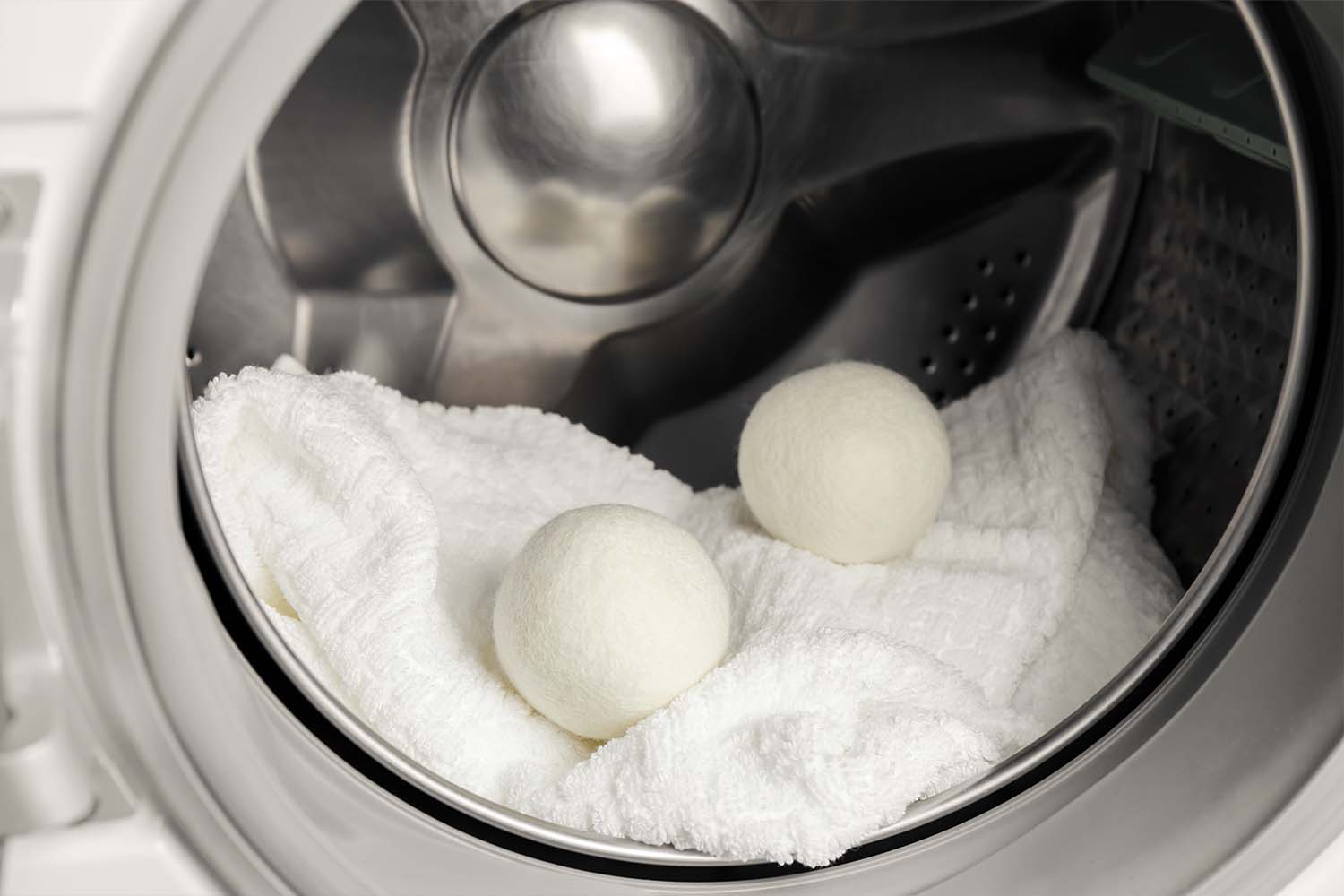
Wool dryer balls have become a popular choice for people who want to dry their laundry faster, soften fabrics naturally, and avoid chemicals found in traditional dryer sheets. They are made from natural wool and can last for hundreds of loads, but to keep them working well, you need to clean them from time to time.
If you notice your dryer balls looking a bit dirty, losing their bounce, or not working as effectively, a proper wash can bring them back to life. Let’s explore everything you need to know about how to wash wool dryer balls, why it matters, and how to avoid common mistakes.
Why Wool Dryer Balls Need Washing
Most people don’t think about cleaning their wool dryer balls. They toss them in with the laundry and forget about them. Over time, however, these balls pick up lint, dust, and fabric softener residue. If you use essential oils, the buildup can also affect their performance. Dirty dryer balls can transfer unwanted smells or even stains to clean laundry, which defeats their purpose. Regular washing helps keep them fresh, effective, and long-lasting.
You may notice after several months that your dryer balls start to leave behind little bits of fuzz or lint on your laundry. This is a sign that the surface is getting clogged. Also, if you have pets, hair and dander can stick to the wool, making the balls less efficient at separating clothes and speeding up drying.
Surprisingly, even the minerals in your tap water can slowly build up inside the wool, leading to odors or reduced softness if you don’t wash them regularly.
What’s often missed is that a dirty dryer ball can actually make static cling worse, because dust and residue interfere with wool’s natural ability to balance moisture. And if you use them with very dirty or oily laundry (like gym clothes or work uniforms), the balls will absorb those odors and oils, which then pass on to your next load if not washed out.
How Often Should You Wash Wool Dryer Balls?
You might wonder if you need to wash dryer balls after every use. The answer is no. For most homes, washing every 3-6 months is enough. If you do laundry daily, clean them more often—every 2 months is a good rule of thumb. If you use strong-smelling essential oils or the balls appear dirty or sticky, wash them right away.
A good sign your balls need cleaning is when they start leaving lint or residue on clothes, feel sticky, or lose their bounce.
People with large families or pets may find that their balls get dirty faster. If you notice your laundry isn’t coming out as soft as before, or your dryer is taking longer to dry a load, these are subtle hints that it’s time to wash your dryer balls. Another practical tip: if you live in a humid climate, wash the balls a little more often, because mildew can develop more quickly in moist wool. Don’t wait for a strong smell or visible dirt—regular, preventive washing keeps them working at their best.
Preparing For Washing: What You’ll Need
Before you start, gather a few simple items. Having everything at hand makes the process smoother.
- Mild laundry detergent (unscented is best)
- A mesh laundry bag or pillowcase with a zipper
- A clean sink or basin
- Towel (for drying)
- Washing machine (optional, but helpful for deep cleaning)
- Clothesline or drying rack
Avoid bleach or harsh chemicals—these can damage wool fibers.
A mesh laundry bag is especially helpful if you have pets, as it keeps the balls from picking up more hair during washing. Some people use a dedicated towel for rolling the balls dry, which prevents transferring dirt from other laundry.
For those with allergies, using a fragrance-free detergent makes a difference—you avoid adding any new scents or irritants to the wool.
Methods For Washing Wool Dryer Balls
There are two main ways to clean wool dryer balls: by hand or in the washing machine. The method you choose depends on how dirty the balls are, and personal preference.
Hand Washing Method
Hand washing is gentle and works well for routine cleaning. This method removes surface dirt, oils, and lint without putting too much stress on the wool fibers.
- Fill a sink or basin with lukewarm water (not hot, as heat can shrink wool).
- Add a small amount of mild detergent and mix until sudsy.
- Place the dryer balls in the water, squeezing them gently to help the soap penetrate.
- Let them soak for 15–30 minutes.
- Rub each ball with your fingers to loosen dirt and residue. Do not twist or wring hard.
- Rinse the balls under clean, lukewarm water until all soap is gone.
- Press each ball gently in a towel to remove excess water.
Hand washing is ideal for balls that are only lightly soiled or have a light scent residue.
If you’re spot-cleaning, focus on rubbing the dirty area gently. For stubborn stains, let the ball soak a bit longer, then rub again. This method also lets you inspect each ball individually, so you can remove lint or hair as you go.
People who use scented oils may notice that hand washing refreshes the wool and removes old fragrances, making the balls ready for a new scent.
Machine Washing Method
If your dryer balls look really dirty, sticky, or have collected a lot of lint, a machine wash is better. The agitation of the machine helps remove deep-seated dirt.
- Put dryer balls in a mesh laundry bag or zippered pillowcase. This prevents unraveling or excess fuzz.
- Use a gentle or wool cycle with cold or lukewarm water.
- Add a small amount of mild detergent.
- Start the wash. Skip the spin cycle, as spinning can cause felting or deform the balls.
- Remove the balls from the bag after washing.
Machine washing is more convenient if you have several balls to clean at once.
For best results, don’t overload the machine—washing four to six balls at a time lets water move freely around each one. If your washer has an extra rinse option, use it to be sure all detergent is out. Some people like to add an extra rinse with vinegar (about ½ cup) to help remove smells.
Just remember to rinse well after, as vinegar left in wool can leave an odd smell. Machine washing works well for families who wash large loads or have balls with visible dirt and heavy buildup.
Comparing Hand Vs. Machine Washing
Here’s a quick look at the differences:
| Method | Best For | Risks | Time Needed |
|---|---|---|---|
| Hand Washing | Light dirt, scent removal | More effort, but gentle | 25–40 min (plus drying) |
| Machine Washing | Heavy dirt, sticky residue | Possible shape change, more fuzz | 40–60 min (plus drying) |
For a deeper clean, combine both methods: hand wash to remove surface dirt, then machine wash for thorough cleaning. This is helpful if your balls are both stained and have a lot of lint.
Credit: azunafresh.com
Drying Wool Dryer Balls Properly
How you dry your wool dryer balls matters as much as how you wash them. Wool holds a lot of water, so they need more drying time than regular laundry.
- Roll in a towel: After washing, press each ball in a towel to soak up as much water as possible. Do not twist or wring.
- Air dry: Place balls on a drying rack or line. Space them out so air can circulate. Turn them every few hours for even drying. This can take up to 24–48 hours.
- Dryer option: If you want to speed things up, put the balls in the dryer on a low heat or air fluff setting. High heat can shrink or felt the wool. Check them every 30 minutes.
Never store dryer balls while damp, or they may develop mildew.
If you live in a humid area, drying may take a bit longer. Placing the balls near a sunny window, or outside on a dry, breezy day, speeds up the process. It’s safe to use a fan to increase air flow.
Some people find that putting a dry towel in the dryer with the balls helps absorb moisture and shortens drying time. Remember—patience is important. Even if the outside feels dry, the center may still be damp, so always check by pressing gently to see if there’s any coolness or moisture left.
Spot Cleaning For Stains
If your wool dryer balls pick up a stain—maybe from a forgotten pen or a colored sock—try spot cleaning first.
- Mix a small amount of mild detergent with water.
- Dip a clean cloth in the solution.
- Gently rub the stained area.
- Rinse with a damp cloth, then let the ball air dry.
Spot cleaning saves you from washing all the balls if only one is dirty.
For colored stains, especially ink or dye, you may need to repeat spot cleaning a couple of times. Avoid using stain removers that contain bleach or solvents. If the stain doesn’t come out, it usually won’t affect how the ball works, but you may want to keep that ball for dark laundry loads only.
Removing Lint, Hair, And Fuzz
Lint and pet hair can stick to dryer balls, especially if you wash a lot of towels or fleece. Over time, this makes the balls look messy and can reduce their effectiveness.
- Use a lint roller to pick up fuzz and hair.
- Pick off larger pieces by hand.
- For stubborn lint, gently use a fabric shaver—but be careful not to cut the wool fibers.
Doing this after every few loads keeps your balls looking and working their best.
A trick that helps: when using a lint roller, roll in different directions to catch all the fuzz. If you have pets, do this step before each wash—otherwise, you may wash the hair deeper into the wool. Another tip is to keep dryer balls away from clothes with heavy lint (like new towels) for the first few loads, until the towels shed less.
How To Refresh And Re-felt Dryer Balls
After many washes, wool dryer balls can start to lose their tight shape. You can re-felt them to restore their bounce and effectiveness.
- Wash balls in hot water in the washing machine (inside a mesh bag).
- Dry them on high heat in the dryer. The heat and movement cause the wool fibers to bind together tightly again.
Do this every few months or if you notice the balls getting soft or “fluffy. ”
Re-felting doesn’t need to happen often, but it’s a smart way to extend the life of your dryer balls. If you see surface fuzz, rolling the ball between your hands before re-felting can smooth it out. This process also helps if the ball has gotten a bit lopsided—it returns to a rounder, firmer shape. One important thing: only re-felt when the balls are losing shape, not after every wash, because too much heat over time can shorten their life.

Credit: www.amazon.com
Can You Use Vinegar Or Baking Soda?
Some people wonder if they can use vinegar or baking soda for deeper cleaning. Both are safe in small amounts but should not replace gentle detergent.
- Vinegar: Add ½ cup to the rinse water to remove odors. Rinse well afterward.
- Baking soda: Sprinkle a small amount in the wash to help with stains or smells. Rinse thoroughly.
Avoid soaking balls in strong solutions for long periods, as this can weaken the wool.
One clever trick: if you want to deodorize dryer balls quickly, let them soak for 5 minutes in a vinegar solution, then rinse well. This helps neutralize even stubborn odors from gym clothes or pet bedding. Baking soda works best for spot treatments—make a paste with water, apply to the stain, and rinse off.
Common Mistakes To Avoid
Washing wool dryer balls is easy, but a few mistakes can shorten their life or reduce their effectiveness.
- Using hot water: Heat shrinks and felts the wool, changing the size and texture.
- Bleach or strong chemicals: These break down wool fibers and can leave residue on your laundry.
- Skipping the rinse: Soap left in the balls will transfer to clothes.
- Not drying fully: Damp balls can develop mildew or bad odors.
- Overloading the machine: Too many balls at once can prevent thorough cleaning.
A less obvious mistake: using fabric softener or scented detergent in the wash. These can coat the wool, making the balls less absorbent and reducing their ability to soften clothes naturally. Always stick to mild, residue-free cleaners.

Credit: heritageparklaundry.com
What To Do If Your Dryer Balls Smell Bad
Sometimes, dryer balls develop a musty or sour smell. This usually happens if they were put away wet, or after washing towels with heavy odors.
- Wash as described above, using a bit of vinegar in the rinse.
- Dry completely in the sun if possible; sunlight helps kill bacteria and freshen the wool.
- If the smell doesn’t go away, it might be time to replace the balls.
For deep odors, try leaving the balls in a sunny window for a full day, rotating them every few hours. The UV rays from sunlight are a natural disinfectant. If you’re sensitive to smells, use a second rinse with plain water to be sure all vinegar is gone.
How To Store Wool Dryer Balls After Washing
Proper storage helps prevent mold and keeps your balls ready for use.
- Store in a mesh bag or open basket to allow air flow.
- Avoid sealed plastic bags or containers.
- Keep away from damp areas (like the bathroom or basement).
Letting wool dryer balls breathe is key to keeping them fresh.
If you use essential oils, let the balls air out for a few hours after adding oil. This prevents the scent from becoming overpowering or causing a sticky feel. For long-term storage (if you won’t use them for a month or more), check the balls for dampness and smells every few weeks.
Comparing Wool Dryer Balls To Other Dryer Accessories
People often ask how wool dryer balls stack up against other options like plastic balls or dryer sheets. Here’s a comparison to help you see the differences.
| Accessory | Material | Reusable | Requires Washing | Chemicals |
|---|---|---|---|---|
| Wool Dryer Balls | Natural wool | Yes (hundreds of uses) | Yes | No |
| Plastic Dryer Balls | Plastic | Yes | Rarely | No |
| Dryer Sheets | Paper/fabric with chemicals | No (single use) | No | Yes |
Wool balls require a bit more care but are the most natural and eco-friendly option.
One thing many people don’t realize: plastic dryer balls can become brittle over time, especially with heat. They may break and need replacement sooner than wool balls. Dryer sheets, while convenient, add chemicals to your laundry and create more waste. Wool balls are a small investment that pays off in better laundry and a healthier home.
How To Tell When It’s Time To Replace Wool Dryer Balls
No product lasts forever, and wool dryer balls are no exception. Here’s how to know when to say goodbye:
- Balls have become very soft or squishy and no longer feel firm.
- They look flat or have lost their round shape.
- You notice pieces of wool coming off, or the ball is unraveling.
- They stop reducing drying time or softening clothes.
On average, quality dryer balls last 500–1,000 cycles (about 2–4 years for most families).
A less obvious sign is if you start seeing more static cling in your laundry. This can mean the wool’s fibers are worn down. If the balls are just looking rough but still work, use them for towels or work clothes, and buy new ones for delicate laundry.
Tips To Make Dryer Balls Last Longer
Proper care extends the life of your dryer balls.
- Wash only when needed, not after every load.
- Always dry them thoroughly.
- Store in a dry, well-ventilated place.
- Avoid using with loads that have a lot of pet hair or sticky substances.
If you follow these tips, you’ll get the most out of your investment.
Another tip: use three to six balls per load for the best effect. Using too few balls can cause them to wear out faster, because they’re doing all the work. Rotate which balls you use if you have extras—this spreads out wear and tear.
The Science Behind Wool Dryer Ball Cleaning
Many people are surprised to learn that the structure of wool is what makes dryer balls so effective. Wool fibers have tiny scales that open and close with changes in temperature and moisture. When dirty, these scales can trap lint and residue, reducing effectiveness.
Regular cleaning removes buildup and allows the natural properties of wool to work properly, separating clothes and improving air flow in your dryer.
For example, when the scales are clear, they grip fabric gently and help reduce static. If blocked with oils or lint, this benefit is lost. Wool also absorbs moisture from wet clothes, speeding up the drying process. But if the wool is saturated with residue, it can’t absorb as much water, making your dryer less efficient.
Understanding this helps you see why regular washing is so important.
Eco-friendly Benefits Of Wool Dryer Balls
One of the main reasons people choose wool dryer balls is because they are environmentally friendly. But washing and maintaining them properly is part of being eco-conscious. Clean balls last longer, which means fewer replacements and less waste.
Instead of throwing out balls that seem worn out, washing and re-felting them can give them new life. Compared to disposable dryer sheets, this reduces the amount of single-use waste in landfills.
Wool is also biodegradable, so when your dryer balls finally wear out, they break down naturally. This is a huge plus over plastic balls or synthetic dryer sheets. Keeping your wool dryer balls in good shape helps you do your part for the planet.
Real-life Example: A Family’s Experience
The Smith family switched to wool dryer balls two years ago. At first, they loved how much faster their towels dried and how soft their clothes felt. After six months, they noticed a musty smell and bits of lint on their clothes.
It turned out they had never washed the balls!
After following the hand-washing method and drying the balls in the sun, the odor disappeared and the balls worked like new. Now, they wash their dryer balls every three months, and they’ve lasted nearly two years.
The Smiths also learned that using a mesh bag in the wash helped keep the balls from picking up dog hair, a problem they had with their old dryer balls. They now use six balls for each load and rotate them, so the balls wear out evenly. Their tip: mark the wash date on your calendar so you don’t forget. Their story shows how a little care keeps dryer balls—and laundry—fresh and clean.
Frequently Asked Questions
How Often Do I Really Need To Wash Wool Dryer Balls?
For most homes, washing every 3–6 months is enough. If you do laundry daily, or use essential oils, clean them every 2 months. Wash sooner if you notice lint, sticky residue, or bad smells.
Can I Use Regular Laundry Detergent To Wash Wool Dryer Balls?
Yes, but choose a mild, unscented detergent. Avoid bleach, fabric softener, or anything with strong chemicals, as these can damage the wool.
Will Washing Dryer Balls Make Them Shrink?
Washing in hot water or drying on high heat can shrink or felt the balls. Always use lukewarm or cold water and a low-heat dryer setting to avoid this problem.
Can I Add Essential Oils After Washing My Dryer Balls?
Absolutely. Once the balls are completely dry, add a few drops of your favorite essential oil. Let the balls absorb the oil before using them in the dryer.
What Should I Do If My Dryer Balls Get Moldy?
If you see mold, wash the balls with vinegar, rinse well, and dry them in direct sunlight. If the mold doesn’t go away, it’s safer to replace the dryer balls to avoid spreading spores to your laundry.
Wool dryer balls are a smart, eco-friendly choice for any home. With a bit of regular care and cleaning, they will keep your laundry soft, fresh, and chemical-free for years. If you want to learn more about wool’s unique properties, check out this wool overview on Wikipedia. Clean dryer balls are happy dryer balls—and your laundry will thank you.