
Stainless Steelwhat Is Waterless: The Complete Guide
Cooking has changed a lot in the last century. One method that stands out today is waterless cooking. It promises better flavors, more nutrients, and less mess. But what does “waterless” really mean? And why is stainless steel the material of choice for waterless cookware? In this guide, you will learn everything you need to know—from the science behind the technique, to the benefits, and practical tips for your kitchen.
If you want healthier meals, shorter cooking times, and cookware that lasts a lifetime, keep reading. This guide will clear up common myths, explain the real advantages, and help you decide if waterless stainless steel cookware is right for you.
What Is Waterless Cooking?
Waterless cooking is a method where you cook food without adding extra water. Instead, you use the natural moisture already in the food. The cookware creates a tight seal, trapping steam, and cooking the food in its own juices.
This method is not new. It became popular in the mid-20th century, especially in the United States. Since then, it has become a favorite for people who want to keep more vitamins, minerals, and flavors in their meals.
How Does Waterless Cooking Work?
When you place food in a waterless pan and apply heat, the moisture inside the food turns into steam. A tight-fitting lid keeps the steam inside. As the temperature rises, the steam cooks the food gently. You use lower heat than usual, which helps prevent burning and sticking.
For example, when you cook carrots or broccoli, you don’t need to add water. Their own moisture is enough. The result? Vegetables keep their color, texture, and nutrients.
Why Is Stainless Steel Used For Waterless Cooking?
Stainless steel is the top choice for waterless cookware for good reasons. It is durable, non-reactive, and easy to clean. But there’s more to the story.
Key Properties Of Stainless Steel
- Non-reactive surface: Stainless steel does not react with acidic or alkaline foods. Tomato sauce, lemon, or vinegar will not change the taste or color of your food.
- Durability: Stainless steel is tough. It resists scratches, dents, and corrosion. With care, it can last for decades.
- Easy to clean: Food residue does not stick easily, and you can use strong cleaning methods without damaging the surface.
- Safe for health: It does not leach chemicals or metals into your food, unlike some nonstick or aluminum pans.
The Role Of Multi-ply Construction
One non-obvious fact: most high-quality waterless cookware is not just plain stainless steel. It is multi-ply or clad. This means layers of different metals are fused together, usually stainless steel on the outside and aluminum or copper inside. Aluminum or copper spreads heat evenly, while stainless steel gives strength and a non-reactive surface.
This design solves a problem: plain stainless steel does not spread heat well. The sandwich of metals gives you the best of both worlds—fast, even heating and a safe cooking surface.
Features Of Waterless Stainless Steel Cookware
Waterless cookware is more than just a regular pot with a lid. Here are the features that make it special:
- Vapor-seal lids: The lids fit tightly, creating a seal that traps steam. Some lids even “click” when the seal forms.
- Heavy base: The bottom is thick and flat, so heat spreads evenly and food does not burn.
- Multi-ply layers: Often 5-ply or 7-ply, with aluminum or copper inside.
- Stainless steel interior: Safe for all foods.
- Stay-cool handles: Made to resist heat, so you can lift pans safely.
- Polished finish: Easy to clean and looks attractive.
- Dripless rims: Make pouring liquids easier and reduce mess.
Example: Typical Waterless Saucepan
A common waterless saucepan might have a 7-ply construction: stainless steel outside, several layers of aluminum in the middle, and stainless steel again inside. The lid fits tightly, and the handle stays cool.
How To Use Waterless Stainless Steel Cookware
Cooking with waterless cookware is different from regular pans. Here’s how to do it right:
Basic Steps
- Prepare food: Wash and cut vegetables or meat as needed. Do not add water (except for very dry foods, like rice or pasta).
- Fill the pan: Place food in the pan. Do not overfill—leave room for steam to circulate.
- Cover with lid: Make sure the lid fits tightly.
- Start with medium heat: Turn on the stove to medium. Wait for steam to start escaping from the lid.
- Reduce heat: When you see steam, reduce the heat to low. The food will now cook in its own moisture.
- Cook until done: Do not open the lid too often. Each time you open it, you lose steam and heat.
- Check for doneness: After the suggested time, check the food. If not done, cover and cook a little longer.
Common Mistakes To Avoid
- Cooking on high heat: This can ruin the vapor seal and burn food.
- Adding extra water: This washes away nutrients and flavor.
- Overcrowding the pan: Steam can’t circulate, so food cooks unevenly.
Practical Example: Cooking Broccoli
- Place washed broccoli in the pan.
- Cover with the lid.
- Turn heat to medium until you see steam.
- Reduce to low heat and cook for 7-10 minutes.
- Check for tenderness. If ready, serve.
Benefits Of Waterless Cooking With Stainless Steel
Many people choose waterless cooking because of its unique advantages. Here’s why it stands out:
1. More Nutrients
Traditional boiling can remove up to 50% of vitamins and minerals from vegetables. Waterless cooking keeps most nutrients inside the food. For example, vitamin C is water-soluble and can be lost in boiling water, but waterless cooking preserves it.
2. Better Flavor
Food cooked in its own juices keeps its natural taste. Many people notice that vegetables are sweeter and meats are more tender.
3. No Added Fats Needed
Since food does not stick, you do not need to add butter or oil. This means fewer calories and healthier meals.
4. Saves Time And Energy
Waterless cooking uses low to medium heat, so food cooks gently and doesn’t burn. The multi-ply construction helps it heat up faster and more evenly, saving energy.
5. Less Mess
No water to spill or boil over. Fewer pans to wash, because you can often cook several foods in one pan at the same time.
6. Long-lasting Cookware
Stainless steel waterless pans are an investment. They last much longer than nonstick pans, which can wear out in just a few years.
7. Safe And Non-toxic
No coatings to flake off, no aluminum to leach into food. Stainless steel is trusted in professional kitchens and hospitals for this reason.
Common Types Of Waterless Stainless Steel Cookware
There are several kinds of waterless cookware sets and individual pieces. Here are the most popular:
- Saucepans: For cooking vegetables, rice, and small dishes.
- Stockpots: For soups, stews, and large family meals.
- Skillets/Frying pans: For meats, stir-frying, and shallow frying.
- Dutch ovens: For braising and slow-cooking.
- Multi-tier steamers: For cooking several types of food at once, stacked vertically.
- Egg poachers: For making eggs without oil or butter.
Comparison Of Common Waterless Cookware Pieces
| Type | Best Use | Typical Size | Special Feature |
|---|---|---|---|
| Saucepan | Vegetables, grains | 1–2 qt | Tight lid, small size |
| Stockpot | Soups, stews | 6–12 qt | Thick base, large capacity |
| Skillet | Meats, frying | 8–12 in | Wide surface |
| Dutch oven | Braising, casseroles | 4–7 qt | Deep sides |
| Steamer | Vegetables, fish | Varies | Stackable layers |
How To Choose The Right Waterless Stainless Steel Cookware
Buying waterless cookware is a big decision. Here are important points to help you choose:
1. Check The Layers
Look for 5-ply or 7-ply construction. More layers usually mean better heat distribution and durability.
2. Grade Of Stainless Steel
The best cookware uses T-304 or 18/10 stainless steel. This means 18% chromium and 10% nickel. It resists rust and keeps a shiny finish.
3. Lid Fit
A tight-fitting lid is critical for the vapor seal. Test the lid to make sure it fits well and feels heavy.
4. Handles
Look for stay-cool or ergonomic handles. They should be comfortable and not get hot.
5. Size And Set
Think about what you cook most. If you often make soups, a large stockpot is important. For small families, a 7-piece set might be enough. Larger families may want a 12-piece set.
6. Warranty And Brand Reputation
Good waterless cookware can last a lifetime. Many top brands offer a lifetime warranty. Research reviews and the company’s history.
7. Price
Waterless cookware is not cheap. Prices range from $200 to over $1,500 for a full set. Compare features and quality, not just price.
Data Table: Top Waterless Stainless Steel Cookware Brands (sample)
| Brand | Layers | Material Grade | Warranty | Typical Price Range |
|---|---|---|---|---|
| Saladmaster | 7-ply | T-316 | Lifetime | $2,000–$4,000 |
| Maxam | 7-ply | T-304 | Lifetime | $400–$1,000 |
| Kitchen Craft | 5-ply | T-304 | Lifetime | $800–$2,000 |
| 360 Cookware | 3-ply | 18/10 | Lifetime | $300–$900 |
Common Buyer Mistakes
- Choosing a set based only on price, not on quality or number of layers.
- Ignoring the warranty or after-sales support.
- Not checking if the cookware is compatible with their stove (induction, gas, electric).
Cooking Techniques And Recipes
Waterless cooking is not just for vegetables. You can make meats, grains, and even desserts. Here are some examples and tips.
Cooking Meat
Meat has natural juices that work well for waterless cooking. For chicken breasts, place them in the pan, cover, heat until steam escapes, then lower heat. No oil is needed. The result is moist, tender chicken.
Cooking Grains
Rice and grains need some water, but less than usual. For example, use 1 cup of rice with 1¼ cups of water, instead of 2 cups. The tight lid keeps steam inside, so rice cooks faster and tastes better.
Stacking Foods
One unique feature: you can cook several foods in one pan. Place potatoes on the bottom, carrots in the middle, and broccoli on top. The steam cooks everything evenly.
Example Recipe: Waterless Steamed Vegetables
- 2 cups broccoli florets
- 1 cup sliced carrots
- 1 cup cauliflower
- Salt and pepper to taste
- Place all vegetables in the pan.
- Cover with the lid.
- Heat on medium until steam escapes.
- Reduce to low and cook for 10-12 minutes.
- Season and serve.
Example Recipe: Waterless Chicken
- 2 boneless chicken breasts
- 1 teaspoon garlic powder
- ½ teaspoon black pepper
- Lemon slices
- Place chicken in the pan, sprinkle with garlic and pepper, top with lemon.
- Cover and heat on medium until steam appears.
- Reduce heat to low, cook for 15-20 minutes until done.
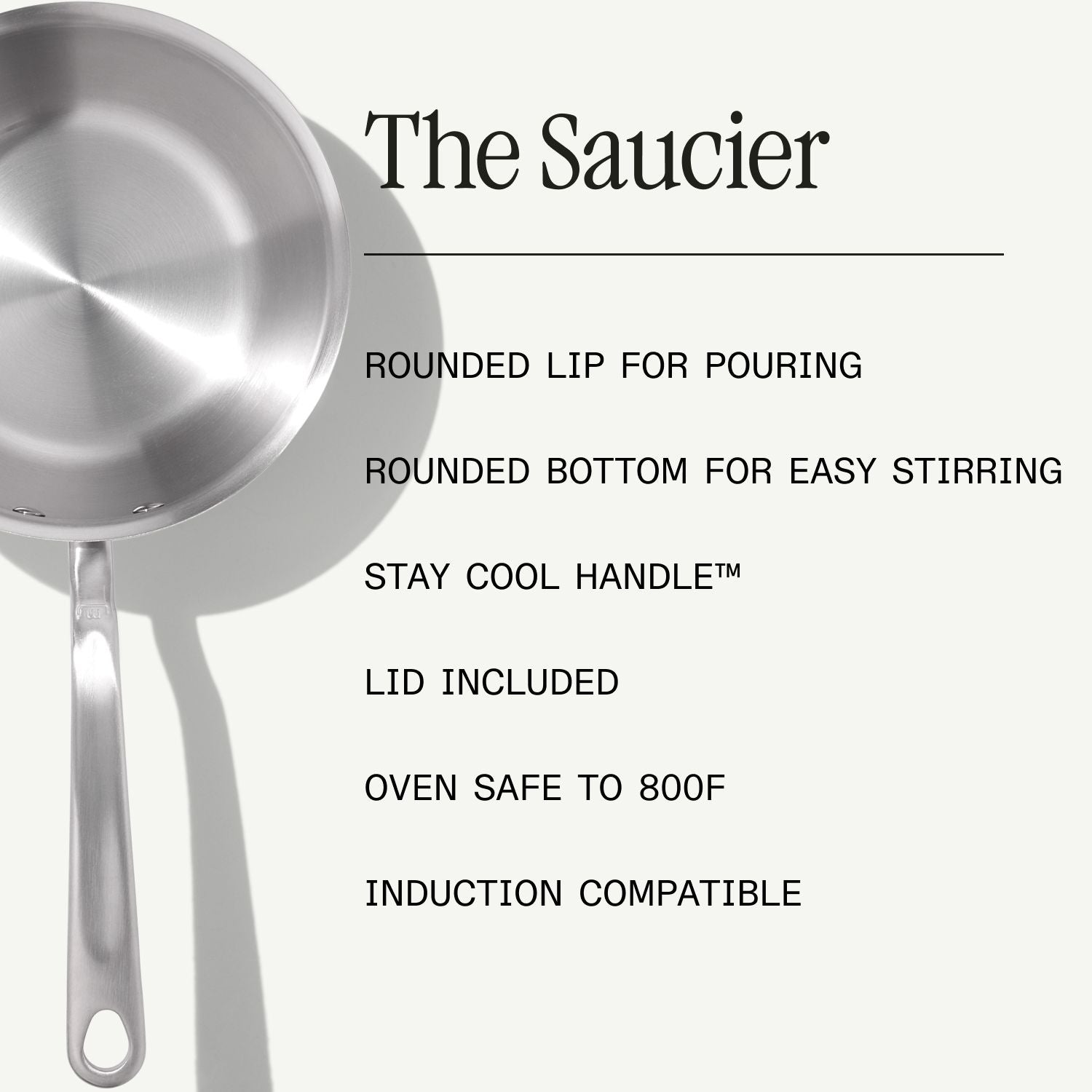
Credit: madeincookware.com.au
Cleaning And Caring For Waterless Stainless Steel Cookware
Stainless steel is easy to maintain, but it needs the right care to stay shiny and work well.
Cleaning Tips
- Let the pan cool before washing.
- Use warm water, mild soap, and a soft sponge.
- For stubborn stains, sprinkle baking soda and scrub gently.
- Avoid steel wool or abrasive pads—they can scratch the surface.
- For water spots, use a little vinegar to make the pan shine.
Storage Tips
- Stack pans carefully to avoid scratching.
- Store with lids off or upside down to prevent odor buildup.
Removing Stuck-on Food
If something sticks, fill the pan with water and a little baking soda, simmer for 10 minutes, then wash as usual.
Non-obvious Tip
Even the best stainless steel can get “rainbow” stains from high heat. These are harmless. Clean with vinegar or a stainless steel cleaner to remove the color.
Environmental Impact Of Waterless Cooking
Many people don’t realize how eco-friendly waterless cooking can be.
- Saves water: No need to fill pots with water for boiling.
- Lower energy use: Food cooks at lower temperatures and more quickly.
- Less waste: Durable cookware means you buy less often and produce less trash.
- Healthier meals: Less fat and more nutrients mean a lower impact on your body and health care system.

Credit: us.amazon.com
Comparing Waterless Cooking To Other Methods
How does waterless cooking stack up against boiling, steaming, or using nonstick pans? Here is a quick look:
| Method | Nutrient Retention | Fat Needed | Cookware Durability | Flavor Quality |
|---|---|---|---|---|
| Waterless (Stainless Steel) | High | Low/None | Very High | Excellent |
| Boiling | Low | None | Varies | Average |
| Steaming | Medium-High | None | High | Good |
| Nonstick Sautéing | Medium | Medium | Low | Good |
As you can see, waterless cooking with stainless steel is a top performer for nutrition, flavor, and durability.
Tips For Getting The Best Results
- Preheat for meats: Heat the pan empty for a minute before adding meat to get a good sear.
- Pat food dry: Too much water from washing can affect the seal. Dry vegetables before cooking.
- Do not peek: Every time you open the lid, you lose steam and heat.
- Adjust seasoning: Waterless cooking brings out natural flavors, so you may need less salt.
- Use the right burner size: Match the pan to the burner for even heating.

Credit: www.madeincookware.co.uk
Is Waterless Stainless Steel Cookware Worth It?
For many families, waterless stainless steel cookware is a wise investment. It costs more at first, but you save money over time because it lasts for decades and makes healthier meals. You also spend less on energy and water.
However, if you mostly fry food or prefer nonstick surfaces, it may not suit your style. For people who want less oil, more nutrients, and reliable cookware, it is often the best choice.
Frequently Asked Questions
What Does “waterless” Mean In Cooking?
Waterless means cooking food without adding extra water. You use the moisture already inside the food. The pan traps steam with a tight lid, cooking food gently and keeping more nutrients and flavor.
Why Is Stainless Steel Better For Waterless Cookware?
Stainless steel is strong, does not react with food, and is easy to clean. When combined with layers of aluminum or copper, it heats evenly and lasts much longer than nonstick or aluminum pans.
Can I Cook All Foods With Waterless Cookware?
Most foods work well, especially vegetables, meats, and grains. Very dry foods, like pasta or rice, still need some added water. For frying or browning, you may need a little oil or higher heat.
Is Waterless Cooking Safe And Healthy?
Yes. Waterless cooking uses no toxic coatings and does not leach chemicals. It also needs little or no added fat, making meals lower in calories and cholesterol.
Where Can I Learn More About The Science Behind Waterless Cooking?
A good place to read more is Wikipedia’s waterless cooking page, which explains the history and technology in detail.
Waterless stainless steel cookware is not just a trend. It’s a proven method to make cooking easier, healthier, and more enjoyable. Whether you are new to the kitchen or a home chef looking to upgrade, understanding how waterless cooking works can help you cook smarter every day.