
Clay Pot vs Dutch Oven: Which Is Better for Your Kitchen?
Cooking is both an art and a science. The tools you use can change the flavor, texture, and even the healthiness of your food. Two classic kitchen tools—clay pots and Dutch ovens—stand out for their ability to create rich, delicious meals. But which one is truly better for your kitchen? If you love to cook stews, bread, or slow-roasted meats, you may find yourself torn between these two options.
Most home cooks know both by name, but few understand their differences deeply. Each has a unique history, design, and way of interacting with heat. Choosing the right one can make your dishes more flavorful and save you time or money. This article breaks down the clay pot and Dutch oven in detail. You’ll learn about their materials, cooking results, maintenance, common mistakes, and even which is best for bread baking. By the end, you’ll have clear, confident guidance to make the best choice for your kitchen.
What Is A Clay Pot?
Clay pots are some of the oldest cooking vessels in the world. Made from natural clay and fired at low to medium temperatures, they have been used for thousands of years in Asia, Africa, and the Mediterranean. Their porous structure allows them to absorb water, which slowly releases as steam during cooking.
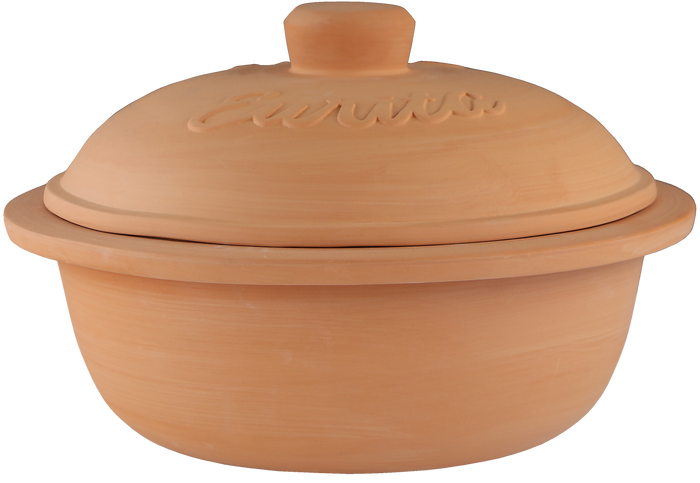
A traditional clay pot usually has a simple shape: a rounded base, sometimes with a lid, and handles. Some are glazed on the inside to prevent sticking or make cleaning easier. Unglazed pots, however, are more common and are valued for their ability to add earthy flavors to food.
Clay pots are prized for:
- Moisture retention: Foods cooked in clay pots stay juicy and tender.
- Gentle heat: The porous clay heats up slowly, preventing food from burning or drying out.
- Flavor enhancement: The minerals in clay can add a subtle, earthy taste.
Clay pots are used in dishes like Indian biryani, Moroccan tagines, and Chinese soups. They are often placed directly over a flame or into an oven.
What Is A Dutch Oven?
A Dutch oven is a heavy, thick-walled pot, usually made from cast iron. It often has an enamel coating for easy cleaning and rust prevention, but bare cast iron versions are also common. The Dutch oven’s design includes a tight-fitting lid, which traps moisture and heat inside.
Dutch ovens are loved for:
- Even heat distribution: Cast iron spreads heat uniformly.
- High-temperature tolerance: You can use them on the stovetop or in the oven.
- Long-lasting durability: With proper care, a Dutch oven can last generations.
They are the go-to choice for braised meats, stews, soups, and baking artisan bread. Dutch ovens are heavier than most pots, and their thick walls make them good for dishes that need slow, steady cooking.
Materials And Construction
Understanding what goes into each vessel helps explain how they cook.
Clay Pot Materials
Most clay pots are made from natural earthenware. The clay is shaped and then fired at a lower temperature than stoneware or porcelain. Some clay pots are glazed to make them less porous and easier to clean, but traditional versions are unglazed.
- Unglazed clay pots absorb water, which helps create steam during cooking.
- Glazed clay pots are less likely to stain but may lose some of the earthy flavor benefits.
These pots are rarely reinforced with metal, so they remain lightweight compared to Dutch ovens.
Dutch Oven Materials
Dutch ovens are almost always made from cast iron. The heavy, thick walls hold and distribute heat evenly. Enamel coatings are common today, which makes cleaning easier and prevents rusting. Some Dutch ovens use aluminum or stainless steel, but these are less traditional and usually lighter.
- Bare cast iron needs seasoning but can withstand high heat.
- Enameled Dutch ovens are easier for beginners and resist sticking.
The weight of a Dutch oven is part of its value, helping it retain heat for hours.
Cooking Results: Flavor, Texture, And Moisture
Clay Pot Cooking Results
Clay pots shine when it comes to moisture and flavor. The porous walls absorb water and slowly release it as steam, so your food cooks in a gentle, humid environment. This is perfect for dishes that can dry out, like chicken or beans.
- Flavor: Clay imparts a mild earthy taste, especially with repeated use.
- Texture: Foods stay soft and juicy, even after long cooking times.
- Moisture: Dishes rarely dry out, but can become too watery if you add too much liquid.
One non-obvious insight: clay pots actually improve with age. As you use them, their pores fill with oils and flavors, making your food taste richer over time.
Dutch Oven Cooking Results
Dutch ovens excel at browning and caramelization. The thick cast iron lets you sear meat at high heat before slow cooking. The tight lid traps steam, but not as much as a clay pot does.
- Flavor: Dutch ovens let you brown onions and meats, creating deep, complex flavors.
- Texture: You get tender meats and vegetables, but with more opportunity for a crispy crust.
- Moisture: Moisture is retained, but you can easily cook off excess liquid by removing the lid.
A Dutch oven’s main advantage is its versatility—you can start cooking on the stove and move directly to the oven.
Versatility: What Can You Cook?
Clay Pot Versatility
Clay pots are best for wet cooking methods—braising, stewing, or slow simmering. They are not suitable for dry roasting or frying. Because the pots heat up slowly, they are ideal for recipes that need gentle, even heat.
Popular dishes include:
- Indian biryani
- Moroccan tagine
- Chinese herbal soups
- Mexican beans
- Mediterranean vegetable stews
Clay pots are not good for quick sautéing or browning. You cannot use them on induction cooktops, and sudden temperature changes can cause cracking.
Dutch Oven Versatility
Dutch ovens are known for their all-purpose capabilities. You can sear, brown, bake, simmer, deep-fry, and even bake bread. They work on gas, electric, induction, and in the oven.
Popular uses include:
- Beef stew
- Chili
- No-knead bread
- Fried chicken
- Roast chicken or pork
Dutch ovens can go from stovetop to oven without issue. You can use them to cook almost anything except for very acidic dishes in bare cast iron, which may react with the metal.
Heat Retention And Distribution
Clay Pot Heat Properties
Clay pots absorb heat slowly and release it gently. This means:
- Food is less likely to burn.
- Cooking takes longer, but results are more tender.
- Hot spots are rare, but the temperature stays relatively low.
However, clay pots can crack if exposed to sudden temperature changes (thermal shock). Always start with a cold oven or cold water when using a clay pot.
Dutch Oven Heat Properties
Dutch ovens are famous for superior heat retention. The thick cast iron heats up slowly but stays hot for a long time. They are great for:
- Searing meat at high temperatures.
- Keeping stews hot for hours after cooking.
- Evenly cooking large quantities of food.
Dutch ovens are safe to use on all types of stovetops and ovens, but the handles can become extremely hot.
Durability And Longevity
Clay Pot Durability
Clay pots are more fragile than Dutch ovens. They can last for years with proper care, but are prone to:
- Cracking from drops or sudden temperature changes.
- Chipping if banged against hard surfaces.
- Staining, especially if unglazed.
On the plus side, clay pots do not rust and are lightweight.
Dutch Oven Durability
Dutch ovens are extremely durable. A good cast iron Dutch oven can last several generations. They are resistant to:
- Warping
- Chipping (especially if enameled)
- High heat
However, enameled versions can chip if dropped, and bare cast iron can rust if not dried and oiled after use.
Maintenance And Cleaning
Clay Pot Care
Clay pots need special care:
- Soak before first use (and sometimes each use) to fill the pores with water.
- Avoid soap—just rinse with hot water and scrub gently.
- Dry thoroughly before storing to prevent mold.
- Never put a hot clay pot on a cold surface, or vice versa.
A common mistake is using detergent, which can soak into the clay and affect flavor.
Dutch Oven Care
Dutch ovens are easier to clean, especially enameled ones:
- Wash with warm, soapy water.
- Dry immediately to prevent rust (for bare cast iron).
- Season bare cast iron by applying a thin layer of oil.
- Avoid metal utensils on enamel to prevent scratching.
A non-obvious tip: don’t store food in a Dutch oven for long periods. Acidic foods can damage the enamel over time.
Bread Baking: Clay Pot Vs Dutch Oven
Baking bread at home is more popular than ever. Both clay pots and Dutch ovens are used for artisan bread, but their results differ.
Clay Pot Bread
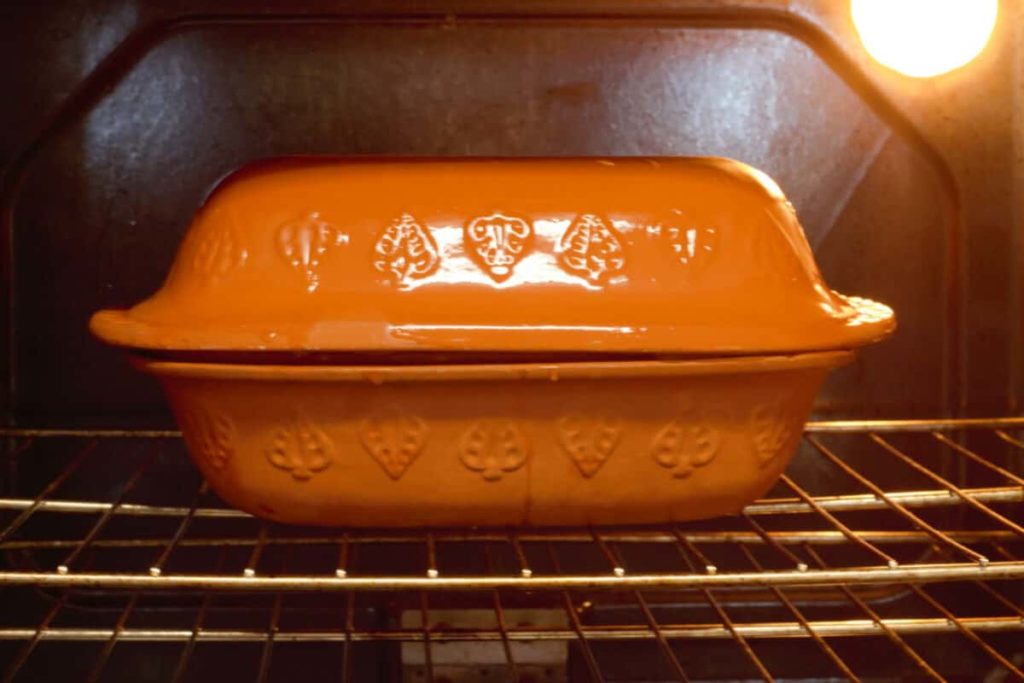
Clay pots, like the popular cloche, mimic old-fashioned bread ovens. They create a humid environment which helps bread rise well and develop a thin, crispy crust.
Benefits:
- Crispy, thin crust.
- Excellent oven spring.
- Subtle earthy flavor.
Drawbacks:
- Needs to be pre-soaked.
- Can crack if preheated empty.
- More fragile when removing hot bread.
Dutch Oven Bread
Dutch ovens are now the gold standard for no-knead bread recipes. Their heavy lids trap steam, making a chewy, thick crust.
Benefits:
- Thick, crunchy crust.
- Consistent results.
- Can preheat for a dark, caramelized loaf.
Drawbacks:
- Heavier and harder to handle.
- If not seasoned, bread can stick.
- Thicker crust may be too much for some.
A non-obvious insight: Dutch ovens allow for a “cold start,” where you put dough into a cold pot and bake as the oven heats, for a lighter crust.
Health And Safety
Clay Pot Health
Cooking in clay pots is generally safe, but you must be sure your pot is made from food-grade clay and free of lead. Some older or decorative pots may contain harmful glazes.
- Always buy from reputable sources.
- Avoid sudden temperature changes, which can cause breakage.
- Clay is naturally non-reactive, so it doesn’t leach metals into food.
Dutch Oven Health
Dutch ovens are safe, especially enameled ones. Bare cast iron can leach small amounts of iron into food, which is healthy for most people. But avoid:
- Using very acidic foods in uncoated cast iron.
- Letting enamel chip, exposing the iron underneath.
Dutch ovens are a good choice for people wanting to avoid chemicals found in some non-stick cookware.
Credit: www.reddit.com
Price And Value
Clay Pot Pricing
Clay pots are usually inexpensive. You can find quality clay cooking vessels for $20–$60. Handmade or imported versions may cost more.
- Affordable for most home cooks.
- Shorter lifespan may mean replacing more often.
Dutch Oven Pricing
Dutch ovens can range from $40 for budget versions to over $300 for high-end brands like Le Creuset or Staub.
- Expensive, but lasts decades.
- Considered an investment piece.
- Resale value is high for quality brands.
A Dutch oven can replace several pots and pans, making it a good value for serious cooks.
Environmental Impact
Clay Pot Sustainability
Clay pots are made from natural materials and have a small carbon footprint to produce, especially when handmade. They are biodegradable at the end of their life.
- Minimal energy used in production.
- No toxic chemicals if unglazed.
- Fragility means more frequent replacement.
Dutch Oven Sustainability
Dutch ovens, especially cast iron, are resource-intensive to produce due to mining and energy use in casting. However, their long lifespan balances this out.
- Long-lasting: Can be passed down generations.
- Recyclable metal.
- Enamel may contain chemicals, but is generally safe.
If you want the most sustainable option, a well-cared-for Dutch oven can last a lifetime, reducing overall waste.
Comparing Clay Pot And Dutch Oven At A Glance
To make things clearer, here’s a side-by-side comparison of the main features:
| Feature | Clay Pot | Dutch Oven |
|---|---|---|
| Material | Natural clay (unglazed or glazed) | Cast iron (bare or enameled) |
| Heat Source | Stovetop (with heat diffuser), oven | Stovetop, oven, induction |
| Cooking Method | Braising, stewing, steaming | Searing, browning, baking, roasting |
| Durability | Fragile, may crack or chip | Very durable, lasts decades |
| Maintenance | Hand wash, no soap, soak before use | Wash with soap, season if bare |
| Price Range | $20–$60 | $40–$300+ |
When To Choose A Clay Pot
A clay pot is the right choice if you:
- Want an affordable cooking vessel.
- Love gentle, moist cooking.
- Enjoy dishes that benefit from earthy flavors.
- Don’t mind special care and hand washing.
- Are looking for a lightweight pot.
Clay pots are ideal for classic recipes like tagine, biryani, and slow-cooked beans. If you mostly make soups, stews, or rice-based dishes and want a natural, old-world cooking experience, a clay pot is perfect.
When To Choose A Dutch Oven
A Dutch oven is better if you:
- Want a multi-purpose, durable tool.
- Need to brown, bake, or roast as well as stew.
- Prefer easy cleaning (especially with enamel).
- Are willing to invest in a long-lasting piece.
- Don’t mind a heavier pot.
Dutch ovens are unbeatable for bread baking, beef stew, chili, and roasted meats. If you want a do-it-all pot that moves from stovetop to oven, a Dutch oven is the gold standard.
Common Mistakes To Avoid
Clay Pot Mistakes
- Placing a hot clay pot on a cold surface or vice versa (causes cracking).
- Using dish soap (absorbs flavors).
- Not soaking before cooking (can cause uneven cooking or burning).
- Cooking on high heat (can break the pot).
Dutch Oven Mistakes
- Using metal utensils on enameled surface (causes scratches).
- Leaving wet (bare) cast iron to air dry (causes rust).
- Cooking highly acidic foods for long periods in bare cast iron (damages seasoning).
- Dropping the pot (chips enamel or cracks cast iron).
Credit: www.earthfoodandfire.com
Real-world Cooking Examples
Clay Pot Example
Cooking Moroccan chicken tagine in a clay pot creates a rich, aromatic stew. The gentle steam makes the chicken tender, and the spices blend with the earthy clay flavor. Most home cooks are surprised how much softer meat turns out compared to using metal pots.
Dutch Oven Example
Making no-knead bread in a Dutch oven gives a bakery-quality loaf with a crispy crust and chewy interior. The pot’s heat retention and steam-trapping lid make results almost foolproof, even for beginners.
Which Is Easier For Beginners?
If you’re new to slow cooking, a Dutch oven is usually easier:
- Less fragile, so fewer worries about breaking.
- Simple cleaning, especially with enamel.
- Versatile: Bake, brown, stew, and fry.
Clay pots have a learning curve. You must soak them, avoid temperature shocks, and clean them carefully. But once you learn the basics, they are rewarding for dishes that need gentle, moist heat.
Popular Brands And Where To Buy
Clay Pot Brands
- Romertopf (Germany): Famous for glazed and unglazed clay bakers.
- Donabe (Japan): Used for rice and hot pots.
- La Chamba (Colombia): Black clay pots prized for flavor.
You can find quality clay pots in specialty kitchen stores or online. Always check for “food safe” labeling.
Dutch Oven Brands
- Le Creuset (France): High-end, enameled, colorful.
- Lodge (USA): Affordable, classic cast iron.
- Staub (France): Enameled, heavy-duty.
Dutch ovens are available at most kitchen stores, department stores, and online. High-quality ones often come with a lifetime warranty.
How To Decide: Key Questions
Ask yourself these questions before buying:
- What dishes do I cook most often?
- Do I need a pot for baking bread or braising meats?
- Is ease of cleaning important to me?
- Will I use it on the stove, oven, or both?
- Do I want a lightweight or heavy pot?
- Am I willing to pay more for a pot that lasts decades?
Most home cooks benefit from having both—a clay pot for slow, moist dishes and a Dutch oven for everything else.
Credit: reston-lloyd.myshopify.com
Direct Feature Comparison Table
Here’s a quick look at feature-by-feature differences:
| Aspect | Clay Pot | Dutch Oven |
|---|---|---|
| Weight | Light | Heavy |
| Flavor Impact | Earthy, subtle | Rich, caramelized |
| Best For | Stews, rice, beans | Bread, meats, stews |
| Skill Level | Intermediate | Beginner to expert |
| Care Required | High | Medium |
Final Thoughts
Both the clay pot and the Dutch oven have special places in the kitchen. The clay pot is steeped in tradition, offering gentle, moist heat and earthy flavors perfect for slow-cooked classics. The Dutch oven is the workhorse, capable of nearly any cooking method with unmatched durability.
If you want old-world charm and subtle flavors, choose a clay pot. If you need versatility and convenience, invest in a Dutch oven. Serious home cooks may want both, enjoying the strengths of each.
Cooking is about more than just tools. It’s about experience, tradition, and the joy of sharing a meal. Whichever you choose, you’ll be adding a valuable tool to your kitchen—and unlocking delicious new possibilities.
For more on the history and science of these cooking tools, check the Dutch oven Wikipedia page.
Frequently Asked Questions
What Foods Are Best Cooked In A Clay Pot?
Clay pots are ideal for stews, braised meats, beans, rice dishes, and soups. They work best for recipes that benefit from gentle, moist heat and slow cooking, like Moroccan tagine or Indian biryani.
Can I Use My Dutch Oven On A Glass-top Stove?
Yes, you can use a Dutch oven on a glass-top stove, but be careful with its weight. Lift rather than slide it to avoid scratching the surface. Always check your stove’s manual for weight limits.
How Do I Prevent My Clay Pot From Cracking?
To prevent cracking, always soak your clay pot before use, avoid sudden temperature changes, and never put a hot pot on a cold surface. Let the pot cool naturally and handle it carefully.
Is Bread Better In A Clay Pot Or Dutch Oven?
Both work well, but a Dutch oven is generally better for no-knead, artisan bread. It creates a thicker, crunchier crust. Clay pots produce a thinner, crisp crust with a slightly earthy flavor.
Which Is Safer: Clay Pot Or Dutch Oven?
Both are safe when used correctly. For clay pots, ensure they are food-grade and lead-free. For Dutch ovens, enameled versions are safest for all foods, while bare cast iron should not be used for long-cooked acidic dishes.