
Concrete floors are strong and useful, but sometimes they develop a problem called sweating. This happens when you see water droplets forming on the surface of the concrete, almost as if the floor is sweating. It can make floors slippery, damage stored items, and even cause mold growth. Many people are frustrated because their floors look clean and dry, yet water appears again and again. If you’re facing this issue, you’re not alone. But the good news is that you can fix it—and even stop it from happening again.
Understanding why your concrete floor sweats is the first step. The moisture may come from the air, the ground beneath, or even from inside your building. The solution is not always simple, but with the right approach, you can enjoy dry, safe floors again. In this guide, you’ll discover the main causes of sweating, how to identify the source, and a series of proven steps to stop it for good. You’ll also learn about mistakes to avoid, maintenance tips, and when you should call in an expert.
Let’s dive into everything you need to know to solve the sweating floor problem—so you can enjoy a safer, cleaner, and more comfortable space.
What Is Concrete Floor Sweating?
Concrete floor sweating is when moisture forms on the surface of a concrete slab. It’s often confused with leaks or spills, but it happens even when there is no visible water source. This sweating usually appears as small drops of water, making the floor look wet or shiny.
There are two main reasons for this:
- Condensation: Warm, humid air touches the cool concrete, and water vapor turns into liquid.
- Moisture migration: Water rises from the ground below the slab through small pores in the concrete.
Both problems can lead to safety risks, damage to items, and even health issues if not handled correctly.
Why Do Concrete Floors Sweat? (main Causes)
Understanding why your concrete floor sweats is key to solving the problem. Here are the main causes:
- High Humidity: If the air inside your building is humid and the concrete floor is cool, the water vapor in the air turns into liquid on the floor.
- Temperature Differences: When warm air meets a cold concrete surface, condensation happens—just like a cold drink “sweats” on a hot day.
- Moisture from Below: If there’s no vapor barrier under the slab, moisture from the ground can move upward and appear on the surface.
- Improper Ventilation: Poor airflow traps moisture indoors, making it harder for the floor to stay dry.
- Building Location and Climate: Areas with high rainfall, high groundwater, or sudden temperature swings face more sweating problems.
It’s common for more than one factor to play a role. That’s why fixing just one thing may not always solve the problem completely.
How To Identify The Source Of Moisture
Before you try to stop the sweating, you need to know where the moisture is coming from. Is it condensation from the air, or is it coming up from the ground?
Here are some practical ways to check:
- Plastic Sheet Test: Tape a piece of clear plastic (about 2 feet by 2 feet) to the concrete floor. Seal all edges tightly. Leave it for 24–48 hours. If moisture forms under the plastic, water is rising from below. If moisture forms on top, the problem is condensation from the air.
- Check Weather Patterns: Does the sweating happen more during humid or rainy days? If yes, it’s likely air condensation. If it happens all the time, ground moisture is probably the cause.
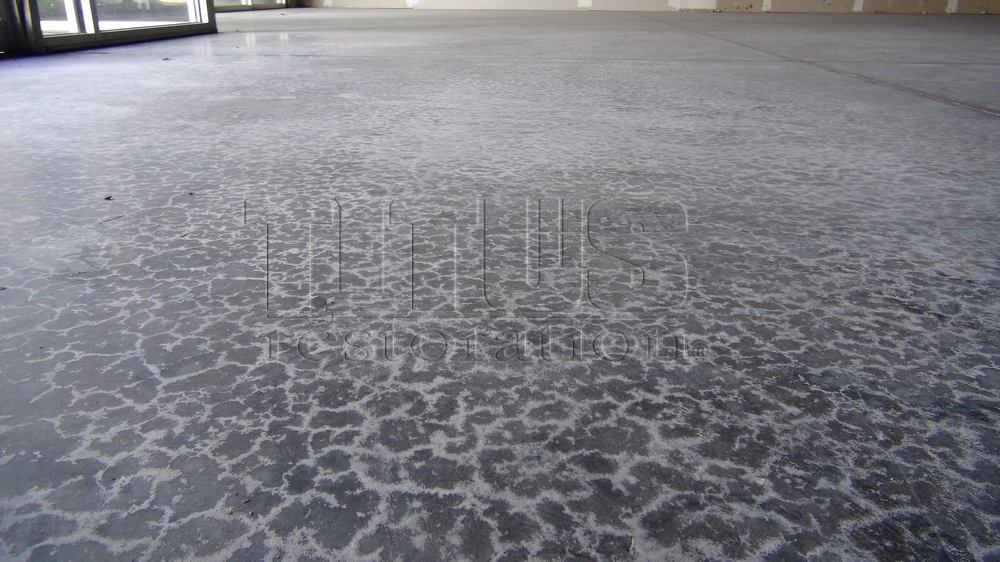
- Look for White Powder (Efflorescence): If you see a white, chalky substance on the surface, it means water is moving through the slab and leaving mineral deposits behind.
- Inspect Walls and Edges: Moisture at the edges or where the wall meets the floor often points to groundwater problems.
- Test with a Moisture Meter: This tool can measure how much water is in the concrete. It can help you decide if the slab is absorbing moisture from below.
Proper identification saves time and money because you can focus your efforts where they’ll make a real difference.
Step-by-step Solutions To Stop Concrete Floor Sweating
Now that you know the causes and the source, let’s look at the best ways to stop your concrete floor from sweating. Each method works for a different type of problem. In some cases, you may need to use more than one solution.
1. Improve Ventilation
Good airflow helps remove humid air that causes condensation. Here’s how you can improve ventilation:
- Open windows and doors on dry, windy days to let fresh air in and moist air out.
- Use exhaust fans or ventilation systems in basements and garages.
- Install ceiling fans to keep air moving.
- Make sure vents are not blocked.
Tip: For rooms below ground level, consider adding vents near the floor and ceiling to create a path for air movement.
2. Control Indoor Humidity
If humidity is the main issue, reducing it can make a big difference.
- Use dehumidifiers to lower moisture levels in the air.
- Run your air conditioner; it cools the air and removes humidity.
- Avoid drying clothes indoors or boiling water for long periods without ventilation.
- Fix leaks in pipes or walls that may add moisture to the air.
For best results, keep indoor humidity below 60%. A hygrometer is a simple tool to measure this.
3. Warm Up The Concrete Floor
If your floor is much colder than the air, consider ways to keep it warmer:
- Add area rugs or carpets with a vapor-resistant backing.
- Lay down foam mats in areas where people walk often.
- Install radiant floor heating for a long-term solution (expensive, but effective).
- Increase indoor temperature during cold, humid weather.
Raising the floor temperature just a few degrees can prevent condensation.
4. Apply Concrete Sealers
Concrete sealers create a barrier that blocks moisture from coming up through the slab.
- Choose a penetrating sealer for best results, as it enters the concrete and blocks water at the molecular level.
- Use a film-forming sealer (like epoxy or acrylic) for a surface barrier, but be aware that it can peel if moisture is high.
- Apply the sealer according to the manufacturer’s instructions—usually after cleaning and drying the floor.
Here’s a quick comparison of common sealer types:
| Sealer Type | Application | Durability | Best For |
|---|---|---|---|
| Penetrating | Soaks into concrete | High | Moisture from below |
| Epoxy | Coats surface | Very high | Heavy traffic areas |
| Acrylic | Coats surface | Medium | Decorative finish |
Sealers are not a magic solution. If there’s a lot of water coming up from the ground, solve that problem first.
5. Install A Vapor Barrier
A vapor barrier is a thick plastic sheet installed under the concrete slab. It blocks ground moisture from reaching the surface.
- For new construction, always use a vapor barrier.
- For existing floors, you can add a vapor barrier on top of the slab, but you’ll need to cover it with flooring (like vinyl, laminate, or carpet tiles).
- Use a high-quality, puncture-resistant material to avoid tears.
Here’s how different vapor barrier solutions compare:
| Solution | Where Installed | Effectiveness | Cost |
|---|---|---|---|
| Under-slab barrier | Below new concrete | Excellent | Low to medium |
| On-slab barrier + flooring | On top of existing slab | Good | Medium to high |
| Paint-on vapor barrier | Surface of slab | Medium | Low |
Adding a vapor barrier after the floor is built can be tricky. Get professional advice if you’re unsure.
6. Grade The Ground Away From The Building
If rainwater collects near your building, it can seep under the slab and cause sweating.
- Check the slope of the ground. It should fall away from the building at a rate of 1 inch per foot for at least 6 feet.
- Fill low spots with soil and pack it firmly.
- Keep gutters and downspouts clear and direct water at least 10 feet from the foundation.
This step is often forgotten but makes a big difference for ground moisture problems.
7. Repair Cracks And Joints
Cracks and gaps let water move easily from below or from outside.
- Clean out cracks with a wire brush and vacuum.
- Use a concrete crack filler or expansion joint sealant.
- For large cracks, use a backer rod before sealing.
Non-obvious insight: Even small, hairline cracks can allow enough moisture to cause sweating, especially in humid climates.
8. Insulate The Floor
Adding insulation under or over the concrete helps control temperature differences.
- For new floors, use rigid foam insulation under the slab.
- For existing floors, install insulated flooring panels or underlayment before adding new flooring.
- Insulation reduces both condensation and energy costs.
Practical tip: Make sure the insulation is moisture-resistant to avoid mold problems.
9. Install Floor Coverings With Vapor Barriers
Some flooring products come with built-in vapor barriers.
- Look for laminate, vinyl plank, or engineered wood with a vapor barrier layer.
- For carpets, use a vapor barrier pad underneath.
Warning: Never install solid hardwood or porous flooring directly on a sweating concrete slab—it will warp and rot.
10. Use Desiccants In Small Spaces
Desiccants are materials that absorb moisture from the air.
- Place desiccant packs or silica gel containers in closets, cabinets, or other small enclosed spaces with sweating floors.
- Replace or recharge desiccants as needed.
This method won’t solve the root cause, but it helps protect valuables in problem areas.
11. Regular Cleaning And Maintenance
Dirt and debris can trap moisture on the floor, making sweating worse.
- Sweep and mop regularly.
- Use a neutral pH cleaner to avoid damaging sealers.
- Dry the floor with fans after cleaning.
Extra tip: Avoid using too much water when mopping—damp, not wet, is best.
12. Monitor And Adjust As Needed
Sweating problems can change with the seasons or after home improvements.
- Check for moisture at least once a month.
- Keep an eye on indoor humidity and outdoor drainage.
- Adjust your solutions if sweating returns.
Real-world example: If you add new landscaping or a sprinkler system, check the basement or garage for new signs of sweating.
13. Consult A Professional
If you’ve tried several solutions and nothing works, or if you see large amounts of water, call an expert.
- Foundation specialists can check for serious drainage or structural issues.
- Waterproofing companies offer advanced solutions like trench drains, sump pumps, or full slab replacement.
- Ask for written moisture readings and a clear plan before starting major repairs.
Non-obvious insight: Sometimes, local building codes require specific moisture control measures—especially for basements and commercial spaces.
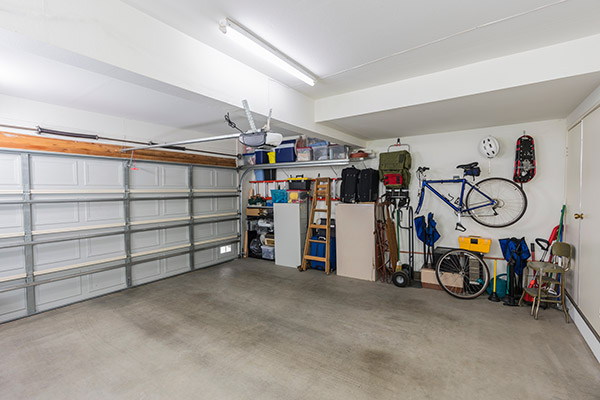
Credit: www.danleys.com
Common Mistakes To Avoid
Stopping concrete floor sweating is possible, but many people make these mistakes:
- Ignoring the Source: Applying a sealer without fixing ground moisture just traps water inside, making things worse.
- Using the Wrong Sealer: Not all sealers block water. Read the label carefully.
- Skipping Drainage Fixes: Poor grading and blocked gutters can cause endless sweating.
- Covering Wet Floors: Laying carpet or wood on a damp floor leads to mold and rot.
- Not Monitoring Changes: Failing to check humidity or floor temperature means problems can return unnoticed.
Avoiding these mistakes will save you time, money, and stress.
Cost Comparison Of Solutions
Wondering how much these fixes cost? Here’s a simple breakdown:
| Solution | DIY Cost (Approx.) | Professional Cost (Approx.) | Difficulty |
|---|---|---|---|
| Ventilation upgrade | $100–$500 | $500–$2,000 | Easy to Medium |
| Dehumidifier | $200–$1,000 | N/A | Easy |
| Concrete sealer | $50–$300 | $500–$1,500 | Easy to Medium |
| Vapor barrier | $100–$1,000 | $1,000–$5,000 | Medium to Hard |
| Floor insulation | $200–$2,000 | $1,000–$5,000 | Medium to Hard |
Prices can change based on location, room size, and material quality.

Credit: www.youtube.com
Practical Maintenance Tips For Dry Concrete Floors
Keeping your concrete floor dry is an ongoing process. Here are easy tips for long-term success:
- Check humidity with a hygrometer once a week, especially during weather changes.
- Clean up spills immediately to prevent extra moisture.
- Inspect gutters and downspouts every season—blockages cause water to pool near your slab.
- Reseal your concrete every 2–3 years (or as recommended by the product).
- Move storage items away from walls to allow air to circulate.
- Watch for any new cracks or leaks and fix them quickly.
A little maintenance goes a long way to keep your floor sweat-free.
When To Call A Professional
Most sweating problems can be handled by homeowners, but sometimes expert help is needed:
- Large amounts of water appear suddenly.
- Mold or mildew keeps coming back.
- There are structural cracks in the slab or walls.
- You have tried several fixes with no success.
- You’re planning to finish a basement or add expensive flooring.
A professional has the right tools and experience to find hidden problems and offer guaranteed solutions.
Credit: www.titusrestoration.com
Real-life Example: Garage Floor Sweating In Houston
Let’s look at a common situation. In Houston, Texas, the weather is hot and humid. Many homeowners notice sweating in their garage floors every summer. Here’s what one family did:
- They used a plastic sheet test and found no moisture coming from below.
- They installed a dehumidifier and ran a ceiling fan.
- They added foam mats on the garage floor.
- The sweating stopped, and the floor stayed dry all season.
Lesson: In humid climates, controlling air moisture and temperature difference is often enough.
Latest Research And Expert Recommendations
Recent studies show that combining multiple solutions is most effective. For example, using a sealer plus a dehumidifier and proper ventilation can reduce sweating by up to 80%. Experts at the Portland Cement Association recommend checking both air and ground moisture before choosing a solution.
According to the U.S. Department of Energy, buildings with vapor barriers and good drainage have 90% fewer sweating problems than those without.
For more details on building science and moisture control, see Building Science Corporation.
Frequently Asked Questions
What Is The Main Cause Of Concrete Floor Sweating?
The most common cause is condensation, where humid air touches a cool concrete floor, and water droplets form. Sometimes, moisture also comes up from the ground below the slab.
Can I Use A Regular Floor Paint To Stop Sweating?
No. Regular floor paint does not block water vapor. You need a concrete sealer or vapor barrier designed to stop moisture transmission.
How Do I Know If I Need A Vapor Barrier?
If the plastic sheet test shows moisture under the plastic, a vapor barrier is needed. Also, if you live in a wet climate or have a basement, a vapor barrier is a good idea.
Will A Dehumidifier Solve The Problem Completely?
A dehumidifier can help control sweating caused by air moisture, but it won’t stop water coming up from below. It is best used with other solutions like sealing or drainage.
Is Concrete Floor Sweating Dangerous?
Yes, it can be. Sweating floors are slippery, causing falls. They also lead to mold growth, which can affect health, and damage stored items or flooring.
Stopping concrete floor sweating is possible with the right approach. By understanding the source, choosing the correct solutions, and maintaining your floors, you’ll keep your home or workspace safe, dry, and comfortable for years to come.