
Dating Pulaski Furniture: The Complete Guide For Collectors And Enthusiasts
Pulaski Furniture is one of America’s most respected furniture brands, known for its beautiful craftsmanship and timeless designs. If you own a piece of Pulaski or found one at an antique store or estate sale, you might wonder how old it is or from which era it came.
Dating Pulaski Furniture is not always simple—styles, labels, and construction methods have changed over the decades. But learning to date your piece can add value, help with restoration, and deepen your appreciation for its place in American furniture history.
In this guide, you’ll learn how to date Pulaski Furniture using labels, construction clues, serial numbers, catalogs, and style details. You’ll also discover common mistakes beginners make, how to spot reproductions, and tips for evaluating the authenticity and value of your Pulaski piece.
Whether you’re a collector, reseller, or just curious about your family heirloom, this article will help you unlock your furniture’s history with confidence and clarity.
Understanding Pulaski Furniture’s History
To date Pulaski Furniture accurately, you need to know the company’s history and how its products have evolved.
Pulaski Furniture was founded in Pulaski, Virginia in 1955. The company quickly became known for its high-quality curio cabinets, bedroom suites, and accent pieces. Over the years, Pulaski adapted to changing tastes, offering styles from Colonial Revival to modern and transitional designs. By the 1990s and 2000s, Pulaski expanded into the hospitality and contract markets, making furniture for hotels and public spaces. In 2008, the company became part of Home Meridian International, and later, the Hooker Furniture Corporation.
Knowing these milestones helps you match your furniture to the right era. For example, a Pulaski piece with a Hooker Furniture tag is from 2016 or later, while mid-century pieces have distinct markings and construction methods.
How To Identify Pulaski Furniture
Dating Pulaski Furniture starts with identification. Many pieces look similar to other brands, so first make sure you have a genuine Pulaski item.
- Look for the Label or Mark
- Most Pulaski Furniture has a label, stamp, or metal tag. Early labels often say “Pulaski Furniture Corporation, Pulaski, Virginia” or similar wording.
- Later pieces might have a sticker with a barcode and model number.
- Check Inside Drawers and Cabinets
- Labels are often inside drawers, on the back, or underneath the furniture.
- Curio cabinets may have labels on the inside walls or floor.
- Study the Construction
- Pulaski is known for solid construction, dovetail joints, and quality veneers.
- Cheaper construction or staples could mean a reproduction.
- Compare with Catalog Photos
- If you’re unsure, look at vintage Pulaski catalogs or advertisements online. Matching details like handles, inlays, and legs can confirm the brand.
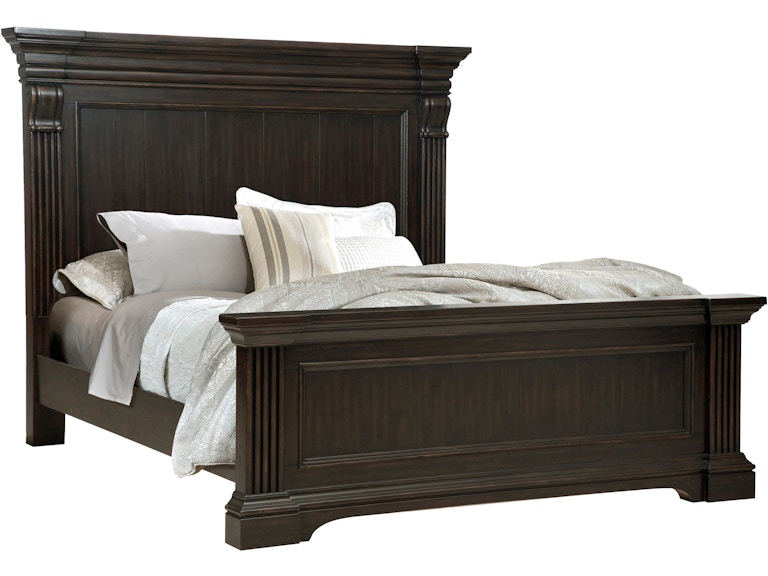
Credit: www.pulaskifurniture.com
Reading And Understanding Pulaski Labels
Labels are the best clue for dating Pulaski Furniture. However, the style and format of labels have changed over the decades.
Common Pulaski Labels By Era
Here’s a comparison of how Pulaski labels have changed:
| Era | Label Type | Features |
|---|---|---|
| 1950s-1960s | Paper or metal tag | “Pulaski Furniture Corp.”, town name, often nailed or glued |
| 1970s-1980s | Paper label | Block print logo, style number, sometimes a date code |
| 1990s-2000s | Sticker with barcode | Modern logo, serial/model numbers, “Made in USA” or country of origin |
| 2010s-present | Sticker, barcode, sometimes Hooker tag | Current branding, safety info, import info if made outside US |
If you find a Pulaski Furniture Corp. metal plate, your piece is likely from the 1950s or 1960s. A barcode label usually means it’s from the 1990s or later.
Decoding Serial And Model Numbers
Many Pulaski labels include a serial number or model number. These numbers are useful for dating and identifying your piece.
- Model numbers usually start with a letter, followed by numbers (e.g., P1234, 312-100).
- Some labels include a date code. For example, “85-04” may mean April 1985.
- If you see a five or six-digit number, it’s likely a model or production code, not a date.
Pulaski has not published a public database for these codes, but you can often find similar numbers in old catalogs or auction listings.
Dating Pulaski Furniture By Style
The style of your Pulaski piece can give important clues to its age. Pulaski has produced a wide range of designs, from classic to contemporary.
Major Styles And Their Time Periods
| Style | Main Years | Key Features |
|---|---|---|
| Colonial Revival | 1950s-1960s | Bracket feet, cherry wood, brass pulls, traditional shapes |
| French Provincial | 1960s-1970s | Curved legs, ornate drawer fronts, white/gold finishes |
| Modern/Contemporary | 1980s-1990s | Sleek lines, lighter woods, glass, laminate surfaces |
| Transitional | 2000s-present | Mix of classic and modern, simple hardware, neutral finishes |
For example, if you have a curio cabinet with a mirrored back, glass shelves, and interior lights, it’s likely from the 1980s or later—Pulaski became famous for these in that era.
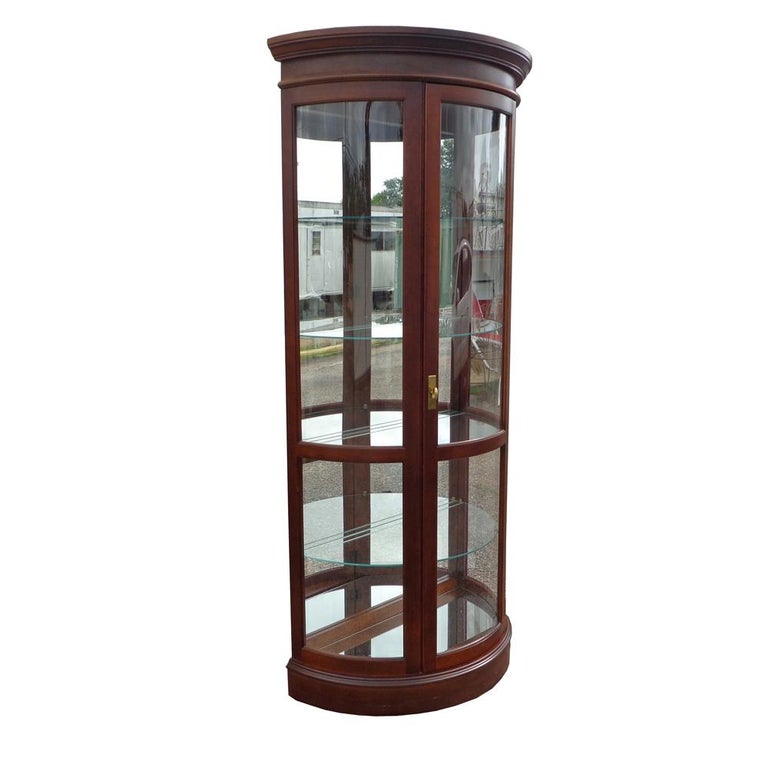
Credit: www.1stdibs.com
Using Construction Clues
The way furniture is made changes over time. Pulaski’s construction methods are a practical clue for dating.
- Dovetail joints: Early Pulaski dressers and chests often have solid wood drawers with dovetail joints (the interlocking teeth at the corners).
- Veneer patterns: Older Pulaski used real wood veneer with bookmatched patterns; newer pieces may have machine-applied veneer or printed finishes.
- Back panels: Solid wood or plywood backs suggest an older piece. Thin particleboard or stapled backs are common after the 1980s.
- Hardware: Brass handles and solid hardware are found on mid-century Pulaski. Lighter, simpler hardware usually indicates a newer date.
If you see screws or nails that look hand-driven, or irregular saw marks, this might indicate an earlier production date—or possibly a piece from a custom line.
Researching With Vintage Catalogs And Advertisements
Old Pulaski catalogs and advertisements are valuable resources. They help verify style, model numbers, and even specific collections.
You can find vintage Pulaski catalogs:
- On auction sites (e.g., eBay) where sellers list old catalogs or brochures
- In online archives of furniture magazines from the 1950s-1990s
- On collector forums or Facebook groups
Tip: If you know the collection name (for example, “Keepsakes” or “Eden House”), searching for Pulaski plus the collection name and year will often lead to catalog scans or old dealer listings. This helps you confirm the original look and release date of your piece.
Identifying Reproductions And Fakes
Pulaski is a respected name, so some newer or imported furniture is misrepresented as “Pulaski” to boost value. Here’s how to spot a fake or reproduction:
- No Label or Tag
- Most real Pulaski pieces have some form of identification. Absence of any mark is a red flag.
- Low-Quality Materials
- Thin particleboard, poor veneer, or plastic hardware are not typical of vintage Pulaski.
- Inconsistent Style Features
- If the style doesn’t match any known Pulaski line from that era, be suspicious.
- Incorrect Construction
- Machine staples, glue-only joints, or mismatched screws suggest a newer, non-Pulaski piece.
- Too-Good-To-Be-True Prices
- If a seller claims an item is “rare vintage Pulaski” but the price is unusually low, research carefully.
If you’re still unsure, compare your piece against several verified Pulaski items from trusted antique dealers.
Common Mistakes When Dating Pulaski Furniture
Many beginners make errors when trying to date their Pulaski pieces. Avoid these common pitfalls:
- Confusing Style with Age
- Styles like French Provincial were revived many times. Don’t date a piece by style alone.
- Trusting Seller Claims
- Sellers may be mistaken or exaggerate an item’s age. Always check for labels and construction details.
- Ignoring Small Changes
- Hardware and finishes can change slightly from year to year. Even within the same collection, there might be updates.
- Overlooking Replacements
- Drawers, handles, or glass panels may have been replaced over decades. Check for mismatched parts that don’t fit the era.
- Assuming All Labels Are Original
- Sometimes, old furniture is relabeled. Look for signs of label removal or new labels over older ones.
Practical Steps To Date Your Pulaski Furniture
Now, let’s walk through a proven process for dating your Pulaski piece:
- Locate All Labels or Marks
- Check all sides, inside drawers, back panels, and underneath for any tags or stickers.
- Photograph the Piece
- Take clear photos of the entire item, close-ups of labels, joints, hardware, and any unique features.
- Compare with Catalogs
- Search online for Pulaski catalogs from the likely decade. Match your piece’s design and label.
- Analyze Construction
- Look at how the drawers, doors, and back panels are made. Compare with known Pulaski construction methods for that era.
- Check Serial/Model Numbers
- Search for your serial or model number in online auction records, collector sites, or Pulaski discussion forums.
- Consult Experts
- Post photos and details in antique furniture forums, or ask a local appraiser with experience in American furniture.
- Document Your Findings
- Keep a record of all information you gather. This helps with resale, insurance, or future research.
Examples: Dating Real Pulaski Pieces
Here are a few real-world examples to help you practice:
Example 1: 1970s Pulaski French Provincial Dresser
- Label: Paper tag inside top drawer, reads “Pulaski Furniture Corp., Pulaski, VA”
- Construction: Dovetail drawers, solid wood sides, curved legs
- Style: Ornate white with gold trim, typical of French Provincial
- Date: Likely early 1970s (matches catalog photos from 1972)
Example 2: 1990s Pulaski Curio Cabinet
- Label: Barcode sticker on the back, model number 2100-123, “Made in USA”
- Features: Glass shelves, mirrored back, interior lighting
- Construction: Particleboard back, machine screws, modern hardware
- Date: Mid-1990s (matches 1995 catalog entry for model 2100-123)
Example 3: 2018 Pulaski Accent Chest
- Label: Sticker with Hooker Furniture logo, barcode, “Imported by Pulaski Furniture, Martinsville, VA”
- Features: Simple lines, neutral finish, soft-close drawers
- Date: 2018 or later (after Hooker acquisition)
Pulaski Furniture Value And Collectibility
Understanding the age of your Pulaski piece can help with appraisal and selling. Here’s what affects value:
- Age: Older (mid-century) Pulaski is more collectible, especially in original condition.
- Style: Certain lines, like curio cabinets and French Provincial, are more sought after.
- Condition: Original hardware, finish, and glass increase value.
- Provenance: Documentation or catalog references add credibility.
While not as expensive as some antique brands, quality Pulaski pieces can fetch several hundred dollars, or more for rare items.
Useful Resources For Pulaski Furniture Collectors
If you want to learn more or seek help, check out these resources:
- Furniture Forums: Websites like Antique Forums and dedicated Facebook groups often have Pulaski experts.
- Auction Archives: Sites like LiveAuctioneers and Invaluable list past sales and photos of Pulaski pieces.
- Official Website: The Pulaski Furniture site has information on current lines and company history.
Pro tip: When posting in forums, always include clear photos of labels, joints, and the full piece. This speeds up identification and dating.
Quick Reference: Pulaski Dating Checklist
Here’s a summary to keep handy when you’re evaluating a Pulaski piece:
- Label present? What does it say?
- Type of label: Paper, metal, sticker, barcode
- Serial/model number format
- Construction: Dovetail, veneer, hardware material
- Style: Matches known era?
- Catalog or photo confirmation?
- Any signs of replacement parts?
- Seller’s claims verified?
If all signs point to a specific decade or collection, you can be confident in your dating.
Frequently Asked Questions
How Can I Tell If My Pulaski Furniture Is Vintage Or Modern?
Look for the label type and construction details. Vintage Pulaski usually has a metal or paper tag and solid wood construction with dovetail joints. Modern pieces use barcode stickers and often have particleboard or imported materials. Matching your item to old catalogs or advertisements also helps confirm the era.
Where Are The Most Common Places To Find The Pulaski Label?
The label is often found inside drawers, on the back panel, or underneath the furniture. Curio cabinets may have labels on the interior wall or floor. Always check all sides and compartments, as labels can be hidden or faded.
Can I Date Pulaski Furniture By Serial Number Alone?
Not always. Serial numbers and model numbers help, but Pulaski did not publish a public code list. Use the serial number as one clue, but always compare with catalogs, style features, and construction methods to confirm.
What Styles Did Pulaski Furniture Make In The 1960s And 1970s?
The 1960s and 1970s Pulaski lines include Colonial Revival and French Provincial styles. Look for bracket feet, ornate drawer fronts, curved legs, and white/gold finishes. These features were popular in that era and are easy to spot in old catalogs.
Are Pulaski Curio Cabinets From The 1980s Valuable?
Yes, especially if they are in original condition with all glass shelves and lighting. Some rare models can sell for several hundred dollars. Value depends on age, style, and condition. Matching the model to vintage catalogs can help prove authenticity and increase value.
Pulaski Furniture is a rewarding brand for collectors, decorators, and anyone who loves fine American furniture. By learning to date your Pulaski pieces using labels, style, construction, and catalogs, you’ll gain a deeper appreciation and be able to share your piece’s story with confidence.
Use the tips in this guide every time you discover a potential Pulaski—your detective work will pay off both in knowledge and value.

Credit: www.pulaskifurniture.com