
Should You Insulate Pipes Under The Sink
When you think about home comfort, safety, and saving money, the pipes hidden under your kitchen or bathroom sink may not be the first thing that comes to mind. Many homeowners and renters focus on what’s visible—appliances, flooring, faucets—but the pipes under the sink play a key role in daily life. These pipes carry both hot and cold water and sometimes even act as drain lines. But should you insulate pipes under the sink? The answer isn’t always simple. Let’s take a deep, practical look at this question, considering real-world situations, benefits, drawbacks, costs, and expert guidance to help you make the best choice for your home.
Why Insulating Pipes Under The Sink Is Considered
Pipes under the sink are often left exposed, especially in kitchens and bathrooms. Most people don’t think about these pipes unless there’s a leak or a clog. However, pipe insulation is a simple upgrade that can make a big difference in several ways.
First, temperature changes in the kitchen or bathroom can affect the pipes. In winter, cold air from outside can make the space under the sink very cold, especially if the sink is against an outside wall. In summer, the area can get hot and humid. These conditions can have real effects on your pipes.
Second, energy efficiency is becoming more important. Many people are looking for ways to cut heating costs and reduce energy waste. Insulating pipes is one small way to help with this.
Third, pipe sweating (when moisture forms on cold water pipes) can lead to mold, mildew, and even damage to cabinets or flooring. Insulation can stop this problem.
Finally, in cold climates, there’s the risk of frozen pipes. When water freezes, it expands, which can burst pipes and cause thousands of dollars in damage.
But is insulating the pipes under your sink truly necessary? Or is it just a “nice to have”? Let’s look at the key factors.
The Main Benefits Of Insulating Pipes Under The Sink
There are several strong reasons why you might want to insulate pipes in this area. Here are the most important benefits:
1. Protecting Against Freezing
In cold regions, pipes under the sink are often at risk because the cabinet space may not be heated. If your sink is on an exterior wall, the risk is even higher. Frozen pipes can crack or burst, leading to leaks, water damage, and expensive repairs. Insulation helps keep water in the pipes above freezing, even during cold nights.
2. Preventing Pipe Sweating And Moisture Damage
When cold water runs through pipes in a warm, humid room, condensation (pipe sweating) forms on the outside of the pipe. This water can drip onto the cabinet, damage wood or particle board, and promote mold growth. Insulation acts as a barrier, stopping warm air from touching the cold pipe and preventing condensation.
3. Improving Hot Water Efficiency
Hot water pipes lose heat as water travels from the water heater to the faucet. Insulation reduces this heat loss, so you get hot water faster and use less energy to keep the water warm. This can save money on utility bills, especially in homes where the water heater is far from the sink.
4. Reducing Noise
Water moving through pipes can make noise, especially when the pipes are metal. Insulation dampens sound, making your kitchen or bathroom quieter.
5. Extending Pipe Life
Condensation and temperature changes can lead to rust, corrosion, or mineral buildup inside pipes. Insulation protects pipes from these effects, increasing their lifespan.
6. Protecting Against Accidental Burns
Some homes have exposed hot water pipes under the sink. If you have children or pets, touching a hot pipe can cause burns. Insulation creates a safer environment.
7. Improving Home Value And Appeal
Insulated pipes are a sign of a well-cared-for home. Home inspectors often look for signs of pipe damage, leaks, or mold. Proper insulation can make your home more attractive to buyers or renters.
When You Should Definitely Insulate Under The Sink
There are situations where insulating pipes is not just “nice”—it’s essential.
- If you live in a cold climate (where winter temperatures go below freezing), you should always insulate pipes under sinks, especially on exterior walls.
- If you have had frozen pipes before in your kitchen or bathroom, insulation can prevent this problem from coming back.
- If you see mold, mildew, or water damage under your sink, pipe condensation could be the cause. Insulation can stop further damage.
- If your hot water takes a long time to reach the sink, insulation can help by keeping the water warmer on its way to the tap.
- If you have children or elderly family members who might touch hot pipes, insulation is a smart safety measure.
- If your home is older and has metal pipes (copper or steel), these are more likely to sweat and lose heat compared to newer plastic pipes.
When Insulation Might Not Be Necessary
Insulating pipes is not always a must. Here are some cases where you might skip it:
- Mild climate: If you live in a place where it never gets close to freezing, pipe insulation under the sink is less important for freeze protection.
- Interior walls: If your sink is against an interior wall, the risk of freezing drops a lot.
- Modern, heated cabinets: Some new homes have heated cabinets or extra insulation in the walls. This can make pipe insulation less critical.
- All-plastic pipes: Plastic pipes (like PEX or PVC) don’t sweat as much as metal pipes, although they still benefit from freeze protection.
Still, even in these cases, pipe insulation can help with energy savings and prevent moisture issues.
Types Of Pipe Insulation: What Works Best Under The Sink
There are several types of insulation you can use. The best choice depends on your budget, space, and goals.
| Type | Material | Best For | Pros | Cons |
|---|---|---|---|---|
| Foam Tubing | Polyethylene or Rubber | Most under-sink pipes | Easy to install, affordable, flexible | Can degrade if exposed to sunlight |
| Fiberglass Wrap | Fiberglass + vapor barrier | High heat, large pipes | High temperature resistance, very effective | Itchy, must be sealed well |
| Self-Sealing Tape | Rubber or foam tape | Odd shapes, small spaces | Good for tight spots, easy to cut | Less durable, less insulation value |
| Pre-Slit Pipe Sleeves | Polyethylene foam | Quick installs | Simple, no tools needed | May not fit larger pipes |
For most homes, foam tubing is the top choice because it’s cheap, easy to handle, and fits most pipes under sinks. Fiberglass is more common in basements or for steam pipes. Tape is useful for small or hard-to-reach sections.
Step-by-step: How To Insulate Pipes Under The Sink
If you want to do it yourself, here’s how to get the best results:
- Measure the pipes: Use a tape measure to find the diameter and length of the exposed pipes.
- Choose your insulation: Foam tubing fits most needs. Make sure to buy the right size (usually 1/2-inch or 3/4-inch inside diameter).
- Turn off the water: Not always needed, but it’s safer.
- Clean the pipes: Wipe off dust, grease, and any mold. Dry pipes make insulation stick better.
- Cut insulation to length: Use scissors or a sharp knife. Cut pieces to match the pipe sections.
- Install the insulation: Open the slit in the foam, fit it over the pipe, and press closed. For tight corners, use tape or cut angles in the foam.
- Seal the seams: Use duct tape or the self-adhesive strip (if included) to close gaps and seams, especially near joints.
- Check for gaps: Make sure no bare pipe is showing.
- Inspect every year: Look for damage or signs of pests.
Practical Tips
- For hot and cold pipes, insulate both. Cold pipes benefit from condensation control. Hot pipes save energy.
- Don’t block shut-off valves. Leave them accessible in case you need to turn off the water.
- If you find mold, clean and dry the area before insulating.
- For pipes close to the wall, use thinner insulation or tape to fit the space.
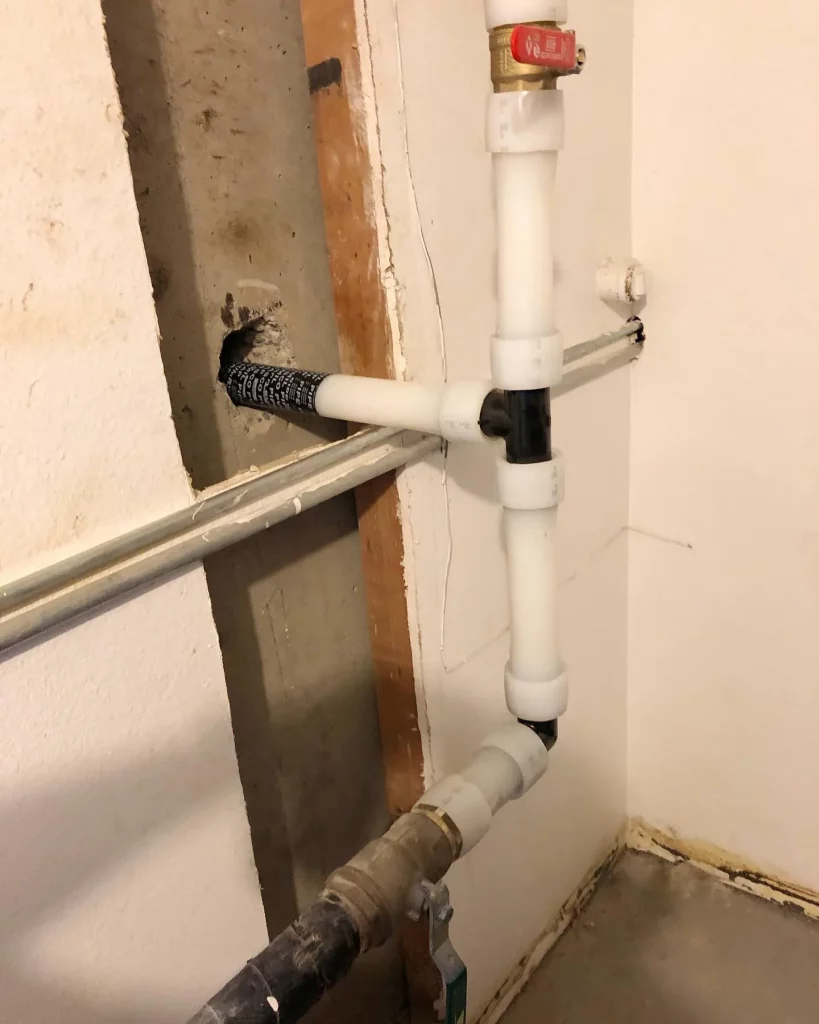
Credit: plumbernw.com
Cost Of Pipe Insulation Under The Sink
How much will this project set you back? The good news: pipe insulation is cheap compared to the cost of a burst pipe or water damage repair.
- Foam tubing: $1–$3 for a 6-foot length at most hardware stores.
- Tape: About $5–$10 per roll.
- Fiberglass wrap: $5–$10 for a small roll.
- Labor (if hiring a plumber): $50–$150 for a simple under-sink job.
Most kitchens or bathrooms only need $10–$20 in materials for a standard sink. Doing it yourself can save a lot of money, and most homeowners can complete the job in less than an hour.
Common Mistakes To Avoid
Even a simple project like this can go wrong if you’re not careful. Here are the most frequent errors:
- Using the wrong size insulation: Too loose, and it won’t work. Too tight, and it won’t fit.
- Leaving gaps: Exposed pipe means lost protection. Always cover the full length.
- Blocking valves or traps: You need access to these parts in emergencies.
- Ignoring leaks or mold: Insulation won’t fix leaks or mold. Deal with these problems first.
- Stopping at just hot water pipes: Cold pipes need insulation too, especially to stop condensation.
- Not checking for pests: Mice sometimes nest in warm, hidden areas. Make sure your insulation isn’t inviting them.
- Not sealing joints: Use tape or sealant to keep insulation in place, especially around bends.
Credit: www.reddit.com
How Does Insulating Under The Sink Compare To Other Pipe Locations?
Is it more important to insulate pipes under the sink than in the basement, crawl space, or attic? Here’s a quick comparison.
| Location | Freeze Risk | Condensation Risk | Energy Savings | Typical Priority |
|---|---|---|---|---|
| Under Sink | Medium-High (if on outside wall) | High | Medium | Medium-High |
| Basement | High | Medium | High | High |
| Attic | Very High | Low | Medium | High |
| Crawl Space | Very High | Medium | Medium | High |
| Interior Walls | Low | Low | Low | Low |
Pipes under the sink are at risk, but basements, crawl spaces, and attics are usually even higher priority for insulation, especially if they are unheated. Still, under-sink insulation is quick and cheap and can prevent common household problems.
Energy Savings And Environmental Impact
Insulating pipes under the sink saves energy, but by how much? The U.S. Department of Energy suggests that insulating hot water pipes can raise water temperature by 2°F–4°F compared to uninsulated pipes, allowing you to lower your water heater setting and save 3%–4% on energy used for water heating.
While the savings from just the under-sink area are small, every bit helps. If you insulate all accessible pipes, you could save $8–$12 per year in a typical home. Over the years, this adds up. Plus, less energy use means a smaller carbon footprint, which is better for the planet.
Moisture And Mold Prevention: The Hidden Value
Most people focus on freezing or energy, but one of the biggest hidden benefits is mold prevention. Kitchens and bathrooms are humid, and pipe condensation is a perfect recipe for mold growth under the sink. Mold can trigger allergies and asthma and even damage cabinets and walls. Pipe insulation sharply reduces condensation, making your home healthier and easier to keep clean.
Special Situations: What If You Have A Garbage Disposal Or Dishwasher?
If you have a garbage disposal under the sink, you may notice extra vibration or noise. Insulating the pipes and even the disposal unit itself can reduce sound. Be sure not to block moving parts or vents.
For dishwasher connections, the same rules apply: insulate any exposed hot and cold water supply lines, but leave access to shut-off valves.
If your under-sink area is crowded, use thinner insulation or tape for a better fit.
Safety Tips For Diy Insulation
Working under a sink can be awkward. Here’s how to stay safe and get better results:
- Turn off water if you need to move pipes.
- Wear gloves if working with fiberglass.
- Use a mask if you see mold—clean and dry before insulating.
- Use a flashlight for better visibility.
- Always check for leaks after finishing.
Professional Vs Diy: When To Call An Expert
Most under-sink insulation projects are easy enough for homeowners. But you may want to call a plumber or contractor if:
- You see signs of major leaks, rust, or corrosion.
- There’s visible mold or a musty smell.
- Pipes are very old or damaged.
- You’re not comfortable working in tight spaces.
A pro can check for hidden problems and make sure everything is done safely.
How To Choose The Right Insulation Product
Not all insulation is created equal. Here’s what to look for:
- R-value: The higher the R-value, the better the insulation works. For under-sink pipes, R-2 to R-3 is usually enough.
- Diameter: Match the insulation to your pipe size for a snug fit.
- Material: Foam is easiest for most homes. Fiberglass is best for very hot pipes.
- Fire safety: Use insulation rated for residential plumbing.
- Ease of install: Self-seal or tape options can save time.
Look for products with good reviews and clear instructions. Don’t buy the cheapest option if it looks flimsy.
Real-life Examples And Case Studies
Let’s look at two real situations.
Case 1: Winter Freeze Disaster
A family in Minnesota had a kitchen sink on an outside wall. One cold night, the pipes froze and burst, flooding the kitchen and causing over $5,000 in damage. After repairs, they insulated all under-sink pipes with foam tubing for less than $30.
They haven’t had a problem since.
Case 2: Persistent Mold in the Bathroom
A homeowner in Florida kept finding mold under the bathroom sink. Cleaning helped, but the problem returned. A plumber found that condensation on cold water pipes was dripping into the cabinet. After adding foam pipe insulation and improving cabinet ventilation, the mold stopped coming back.
These examples show how a small investment in pipe insulation can prevent big problems.

Credit: www.reddit.com
Environmental And Health Factors
Some insulation products contain chemicals or fibers that can cause irritation. Choose materials labeled as low VOC (volatile organic compounds) and follow safety instructions, especially with fiberglass.
Also, consider that mold prevention is not just about home damage—it’s about health. Mold under the sink can spread spores into the air, affecting allergies and breathing.
How Pipe Insulation Under The Sink Affects Home Value
If you plan to sell your home, small upgrades like pipe insulation show buyers you care for your property. Home inspectors often look for water damage, leaks, or mold. Insulated, dry under-sink areas make a better impression and can speed up sales.
What Experts Say
The U.S. Department of Energy and most plumbing professionals recommend insulating all accessible hot water pipes and any cold pipes at risk for condensation. The under-sink area is easy to access and a common source of problems, so it’s a smart place to start. For more detailed technical data, see the U.S. Department of Energy.
Frequently Asked Questions
Is It Worth Insulating Pipes Under Every Sink In My House?
If your sinks are on exterior walls or in unheated areas, yes—it’s worth it for freeze protection, energy savings, and moisture control. For interior walls in mild climates, it’s less critical but still helpful.
How Do I Know If My Pipes Need Insulation?
Look for signs like water stains, mold, or condensation under the sink, or if you live in a cold region. If you’ve had frozen pipes before or hot water takes a long time to arrive, insulation can help.
Will Pipe Insulation Stop All Condensation?
Insulation greatly reduces condensation, but you also need good ventilation and no leaks. If moisture keeps appearing, check for plumbing leaks or air gaps.
Can I Use The Same Insulation For Both Hot And Cold Water Pipes?
Yes, foam tubing works for both. For very hot pipes, fiberglass wrap is better, but for most homes, foam is enough.
How Long Does Pipe Insulation Last?
Quality foam or fiberglass insulation can last 10–20 years if kept dry and undamaged. Inspect every year for pests, mold, or wear.
Insulating pipes under the sink is a simple, low-cost way to protect your home and save money. While not always essential, it’s smart in most climates and can prevent expensive problems. With a little effort, you’ll enjoy a warmer, quieter, and healthier kitchen or bathroom for years to come.