
Gas stoves are a common sight in kitchens around the world. Many people enjoy using them because they offer instant heat and easy temperature control. But sometimes, you might hear news stories or warnings about gas stove explosions. This can make people worried: are gas stoves really dangerous? Can they explode in normal use? Or are these rare events that only happen if you make serious mistakes?
This guide looks closely at the risks of gas stove explosions. You will learn what causes explosions, how often they happen, and—most important—how to keep your home safe. We will also explore myths, common mistakes, and what experts say. If you use a gas stove, or are thinking about buying one, this article will give you the clear, practical answers you need.
How Gas Stoves Work
To understand if a gas stove can explode, you need to know the basics of how it works. Most home stoves use natural gas (methane) or liquefied petroleum gas (LPG) like propane or butane. Gas travels from a pipeline or tank to the stove, where it mixes with air and burns in the burner.
A gas stove has several important parts:
- Burner: Where gas and air mix and burn to produce a flame.
- Ignition system: Creates a spark or flame to light the gas.
- Control knobs: Let you adjust the gas flow.
- Pipes and hoses: Carry gas from the supply to the stove.
When you turn the knob, gas flows out and mixes with air. The ignition system lights it, creating a blue flame. This heat cooks your food. The system is designed to be safe if used correctly. But if something goes wrong—like a leak or a broken part—gas can escape and build up.
If this gas finds a spark or flame, an explosion can happen.
What Causes Gas Stove Explosions?
It is important to know that gas stove explosions are rare, but not impossible. They usually do not happen during normal cooking. Explosions need a very specific mix of gas and air, plus a spark to start the fire. Here are the main reasons explosions can happen:
1. Gas Leaks
The most common cause is a gas leak. This can come from:
- Loose or damaged hoses
- Faulty connections
- Cracked or corroded pipes
- A burner left on without ignition
When gas leaks into a room, it can fill the air. If the mixture of gas and air reaches a certain level (called the lower explosive limit, or LEL), it can ignite and explode. Even a small spark from a switch or static electricity is enough.
2. Faulty Ignition Systems
Modern stoves use electric igniters or pilot lights to start the flame. If the igniter sparks at the wrong time, or if the pilot light goes out but gas still flows, unburned gas can build up. If the gas lights suddenly, a small explosion (called a “flashback” or “puffback”) can occur.
3. Blocked Burners
Sometimes food or grease can block a burner. Gas may not burn evenly, and can collect under the stovetop. If enough unburned gas builds up, lighting the stove later can cause a small explosion.
4. Poor Installation Or Maintenance
A gas stove must be installed and checked by a qualified person. If the stove, pipes, or gas lines are not set up correctly, leaks are more likely. Old or damaged stoves also have a higher risk of problems.
5. Wrong Gas Or Pressure
Stoves are made for a specific type of gas and pressure. Using the wrong gas, or connecting to a high-pressure line, can overload the system. This might cause leaks, flames that are too large, or even explosions.
6. User Mistakes
Simple mistakes can be dangerous:
- Forgetting to light the burner after turning on the gas
- Leaving the gas running without a flame
- Not noticing the smell of gas
- Using a stove for heating (not cooking)
These errors let gas escape and build up in the kitchen.
How Common Are Gas Stove Explosions?
Gas stove explosions are not common. In the United States, the National Fire Protection Association (NFPA) reports that cooking equipment is a leading cause of home fires, but actual explosions are rare compared to other types of fires.
Some facts:
- Most gas stove accidents are caused by fires, not explosions.
- The majority of explosions come from gas leaks that fill a room, not from the stove itself.
- According to the NFPA, there are about 4,200 home structure fires per year involving natural gas, but only a small number involve stoves exploding.
Gas companies add a rotten egg smell (mercaptan) to gas so leaks are easy to notice. Most people will smell a leak and fix it before it gets dangerous.
That said, when explosions do happen, they can be deadly. In rare cases, a gas explosion can destroy a kitchen or even a house. News stories about these events are dramatic, but they are not a normal risk for most people.
Signs Your Gas Stove May Be Dangerous
Knowing the warning signs is key to safety. Here are things to watch for:
- Smell of gas: The most obvious sign. If you smell rotten eggs, act fast.
- Hissing sound: Gas escaping under pressure can make a quiet hiss.
- Yellow or orange flame: A healthy gas flame is blue. Yellow or orange means something is wrong—possibly incomplete burning or a blocked burner.
- Soot or scorch marks: Black marks around burners or on walls can show gas is not burning correctly.
- Burners that won’t light: If you turn the knob and nothing happens, gas may be leaking without burning.
- Pilot light problems: A pilot light that keeps going out can signal a problem.
- Strange noises: Popping or banging sounds can mean a faulty ignition system.
If you see any of these signs, turn off the stove and call a professional right away.

Credit: www.reddit.com
What To Do If You Smell Gas
Reacting quickly can save lives. If you smell gas:
- Do not turn on lights or use electrical switches.
- Do not use your phone inside the house.
- Open windows and doors to let gas escape.
- Turn off the stove and the main gas supply if safe.
- Leave the house right away.
- Call the gas company or fire department from outside.
Never try to find the leak with a match or lighter. Gas is heavier than air and can collect in low places, so airing out the room is important.
How To Prevent Gas Stove Explosions
Prevention is the best way to stay safe. Follow these steps:
1. Regular Maintenance
Have your stove and gas lines checked by a licensed technician every year. They can spot leaks, worn parts, and other dangers.
2. Proper Installation
Always have a new stove installed by a professional. They will use the right pipes, seals, and pressure settings.
3. Use The Right Gas
Make sure your stove is set up for the kind of gas you have. Propane and natural gas need different burners and pressures.
4. Keep Burners Clean
Wipe up spills and remove food or grease from burners. Clean the holes in the burners with a brush.
5. Don’t Block Air Vents
Gas needs air to burn safely. Never cover vents or block airflow around the stove.
6. Use Caution With Ignition
Light the burner right after turning on the gas. If it does not light, turn the knob off and wait a few minutes before trying again.
7. Watch For Leaks
Check hoses, connections, and the area around the stove for signs of leaks—especially if your stove is old.
8. Install Gas Detectors
A gas leak detector can warn you if gas is in the air before you smell it.
9. Know The Warning Signs
Review the warning signs above with everyone in your home.
10. Never Use The Stove For Heating
A stove is for cooking, not heating a room. Using it for heat can lead to dangerous gas buildup.
Comparing Gas Stoves To Other Cooking Appliances
Some people worry about gas stoves and think electric stoves are safer. Let’s compare:
| Feature | Gas Stoves | Electric Stoves |
|---|---|---|
| Explosion Risk | Possible if there is a leak | Very low |
| Fire Risk | Moderate (from open flame) | Lower (no open flame) |
| Heat Control | Very precise, instant | Slower to adjust |
| Energy Use | Usually cheaper to run | Can be more expensive |
| Common Problems | Leaks, ignition, blockages | Burned wires, element failure |
Gas stoves are not automatically more dangerous, but they require more attention to safety, especially to prevent leaks.
Common Myths About Gas Stove Explosions
Many fears about gas stoves come from myths or misunderstandings. Here are a few common ones:
Myth 1: Gas Stoves Can Explode At Any Time
In reality, an explosion needs a specific mix of gas and air, plus a spark. Stoves do not randomly explode during normal use.
Myth 2: Turning The Burner On And Off Is Dangerous
Turning the burner on and off quickly will not cause an explosion unless there is a leak or fault.
Myth 3: Any Gas Smell Means Immediate Danger
A small gas smell when lighting the stove is usually not dangerous, but you should not ignore strong or lasting smells.
Myth 4: All Explosions Are Huge
Most gas stove explosions are small “puffbacks” inside the burner, not house-level blasts.
Myth 5: Old Stoves Are Always Unsafe
Age alone does not make a stove dangerous. Good maintenance matters more than age.
Real-world Examples Of Gas Stove Explosions
Here are some real incidents to show how explosions happen:
- In 2018, a house in Massachusetts exploded after a natural gas leak filled the basement. The leak was from a broken pipe, not the stove itself.
- In 2020, a family in Texas left the gas on overnight. The next morning, lighting the stove caused a small explosion, injuring two people.
- In 2019, a restaurant in China suffered a kitchen explosion when a blocked burner caused gas to build up under the stovetop.
These cases show that explosions nearly always involve a leak, a blocked burner, or a buildup of gas. Regular stoves in good condition do not explode during everyday cooking.
The Science Of Gas Explosions
A gas explosion happens when a flammable gas (like natural gas or propane) mixes with air in the right proportion—usually between 5% and 15% gas in the air. This is called the explosive range.
If gas leaks and fills a room to this level, any spark can ignite it. The energy released is powerful enough to break windows, blow out doors, and cause serious burns. However, outside the explosive range, gas is either too diluted to burn or too rich to ignite.
Knowing this helps explain why leaving a burner on for a few seconds is not usually dangerous—but leaving it on for hours can be.

Credit: www.youtube.com
Safety Standards And Regulations
Gas stoves must meet strict safety standards. In the US, the American National Standards Institute (ANSI) sets rules for stove design. Stoves have built-in safety features like:
- Flame failure devices: Cut off gas if the flame goes out.
- Auto shutoff valves: Stop gas flow if there’s a problem.
- Sealed burners: Reduce leaks.
Many modern stoves also have child safety locks and warning systems.
Local building codes require safe installation by licensed professionals. Never try to install or repair a gas stove yourself unless you are trained.
Comparing Gas Types: Natural Gas Vs. Propane
Some homes use natural gas, others use propane or butane (LPG). Are the risks different?
| Property | Natural Gas | Propane (LPG) |
|---|---|---|
| Heavier or Lighter than Air? | Lighter (rises) | Heavier (sinks) |
| Explosion Risk | Serious if buildup occurs | Serious, collects in low spaces |
| Smell Added? | Yes (mercaptan) | Yes (mercaptan) |
| Common Use | City pipelines | Bottled tanks/rural |
Propane is heavier than air, so leaks can collect in basements or low areas. Natural gas rises and may escape through windows or vents more easily. Both can explode if enough gas builds up.
What Beginners Often Miss About Gas Stove Safety
Many people focus on the flame, but the real danger is invisible gas leaks. Beginners may forget to check hoses, connections, and under the stove. Another missed point is that ventilation is critical. A closed kitchen lets gas build up faster.
Also, the smell of gas fades if you are exposed for a long time. This is called “nose blindness.” If you suspect a leak, do not trust your nose—open windows and check with a detector.
Expert Tips To Stay Safe
To go beyond basic safety, try these expert tips:
- Test for leaks with soapy water. If you see bubbles around connections, gas is leaking.
- Keep a fire extinguisher in the kitchen, rated for gas fires.
- Teach children never to play with stove knobs.
- Check your stove after cleaning or moving it—hoses can get knocked loose.
- Know where your gas shutoff valve is and practice turning it off.
Small habits make a big difference.
When To Replace Your Gas Stove
A gas stove can last 10–20 years or more, but it should be replaced if:
- You find cracks, corrosion, or broken parts that cannot be fixed.
- The ignition system fails often.
- You smell gas even after repairs.
- The stove does not match your gas type (for example, you change from propane to natural gas).
Upgrading to a newer model with safety features adds peace of mind.
Should You Switch To Electric Stoves?
Some people choose electric stoves to avoid gas risks. Here are some factors to consider:
- Electric stoves do not have explosion risks from gas.
- They are safer if you have young children or elderly family members.
- However, electric stoves can still cause fires from overheating or electrical faults.
- Gas stoves are preferred by many chefs for precise heat control and fast response.
If you have good safety habits, a gas stove is not more dangerous than electric. The choice depends on your needs and comfort.
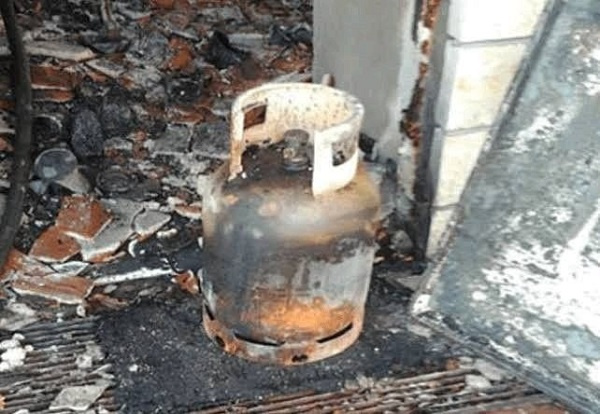
Credit: www.ghanaweb.com
Gas Stove Safety For Renters
If you rent your home, you may not have control over the stove’s installation or age. Here’s what you can do:
- Ask your landlord to check and maintain the stove yearly.
- Report any gas smells or problems right away.
- Use a plug-in gas leak detector if allowed.
- Never try to repair the stove yourself—this is the landlord’s job.
You have the right to a safe home.
What To Do After A Small Gas Explosion
If you have a small explosion (like a “puff” when lighting the burner):
- Turn off the gas right away.
- Do not use the stove until it is checked by a professional.
- Open windows to clear any remaining gas.
- Clean the burner and check for blockages.
A single puffback is not always a sign of major danger, but it should be taken seriously.
Gas Stoves And Insurance
Home insurance usually covers damage from gas explosions if it is not caused by neglect or illegal installation. If you smell gas and do nothing, your claim might be denied. Always follow safety rules and have records of maintenance.
The Bottom Line: Should You Worry About Gas Stove Explosions?
For most people, gas stoves are safe when used properly. Explosions are possible, but only if basic safety steps are ignored. The key risks are leaks, poor maintenance, and using the wrong type of gas. Paying attention to warning signs and getting regular checks will keep you safe.
If you are worried, consider adding a gas detector and reviewing emergency steps with your family. Awareness and good habits are your best protection.
For more detailed technical information, you can check the Wikipedia page on gas explosions.
Frequently Asked Questions
Can A Gas Stove Explode If I Leave It On Without A Flame?
Yes, leaving a gas burner on without a flame can let gas fill the kitchen. If enough gas builds up and meets a spark, it can explode. Always check that the burner lights and never leave gas running.
How Can I Tell If My Gas Stove Is Leaking?
The most common sign is the smell of gas (like rotten eggs). You may also hear a hissing sound or see bubbles if you test with soapy water. If you suspect a leak, turn off the gas and call for help.
Are Electric Stoves Safer Than Gas Stoves?
Electric stoves do not have gas leak or explosion risks, but they can still cause fires from overheating or bad wiring. Both types need safe use, but gas stoves require more attention to leaks.
What Should I Do If I Suspect A Gas Leak At Night?
Do not use lights or phones inside. Open windows, leave the house, and call the gas company or fire department from outside. Do not try to find the leak yourself.
Do Modern Gas Stoves Have Safety Features To Prevent Explosions?
Yes. Many modern stoves include flame failure devices, automatic shutoff valves, and sealed burners. These features help prevent gas leaks and reduce explosion risks.
Gas stoves can be safe and reliable with good habits and awareness. Understanding the real risks and how to prevent them gives you control and peace of mind in your kitchen.