
Shiny Metal Pan vs Dark Nonstick Pan: Which Is Right for Your Kitchen?
Choosing the right pan can change how your food tastes, looks, and even how easy cleanup is. Many home cooks stand in the kitchen aisle, holding a shiny metal pan in one hand and a dark nonstick pan in the other, wondering which one to buy. At first glance, both seem like good choices, but there are important differences between them. These differences affect how your food cooks, how long your pan lasts, and even your health.
This article explains everything you need to know about shiny metal pans and dark nonstick pans. You’ll learn how they work, the science behind browning and sticking, and how to choose the best one for your recipes. You’ll also discover tips most beginners miss, like how pan color affects baking and why some pans warp. By the end, you’ll feel confident choosing the right pan for your next meal.
What Makes A Pan “shiny Metal” Or “dark Nonstick”?
The first step is understanding what each type of pan really is. The words “shiny metal” and “dark nonstick” describe more than just how a pan looks. They tell us about the material, coating, and even how the pan behaves under heat.
Shiny Metal Pans
Most shiny metal pans are made of materials like aluminum or stainless steel. They have a smooth, silver surface that reflects light. Some have a polished finish, while others are brushed. These pans may be used for baking (like cake pans and cookie sheets) or for cooking on the stove (like frying pans and saucepans).
Key features:
- No nonstick coating (except for “natural” nonstick from seasoning)
- Surface is reflective and often smooth
- May be lightweight (aluminum) or heavier (stainless steel)
- Can go in ovens, dishwashers, and sometimes even broilers
Dark Nonstick Pans
Dark nonstick pans have a special coating that keeps food from sticking. This coating is usually PTFE (best known as Teflon), ceramic, or a similar material. The pans themselves are often made from aluminum or steel, but the dark, matte coating is what you see and touch.
Key features:
- Surface is dark gray or black, usually matte
- Nonstick coating makes for easy food release and cleanup
- Often lighter in weight than similar-size metal pans
- Not all are safe for high heat or metal utensils
The Science Of Cooking: How Pan Color And Material Affect Your Food
It might seem odd, but the color of your pan can change how your food cooks. There’s real science behind this, and it matters whether you’re baking cookies or frying eggs.
Heat Absorption And Reflection
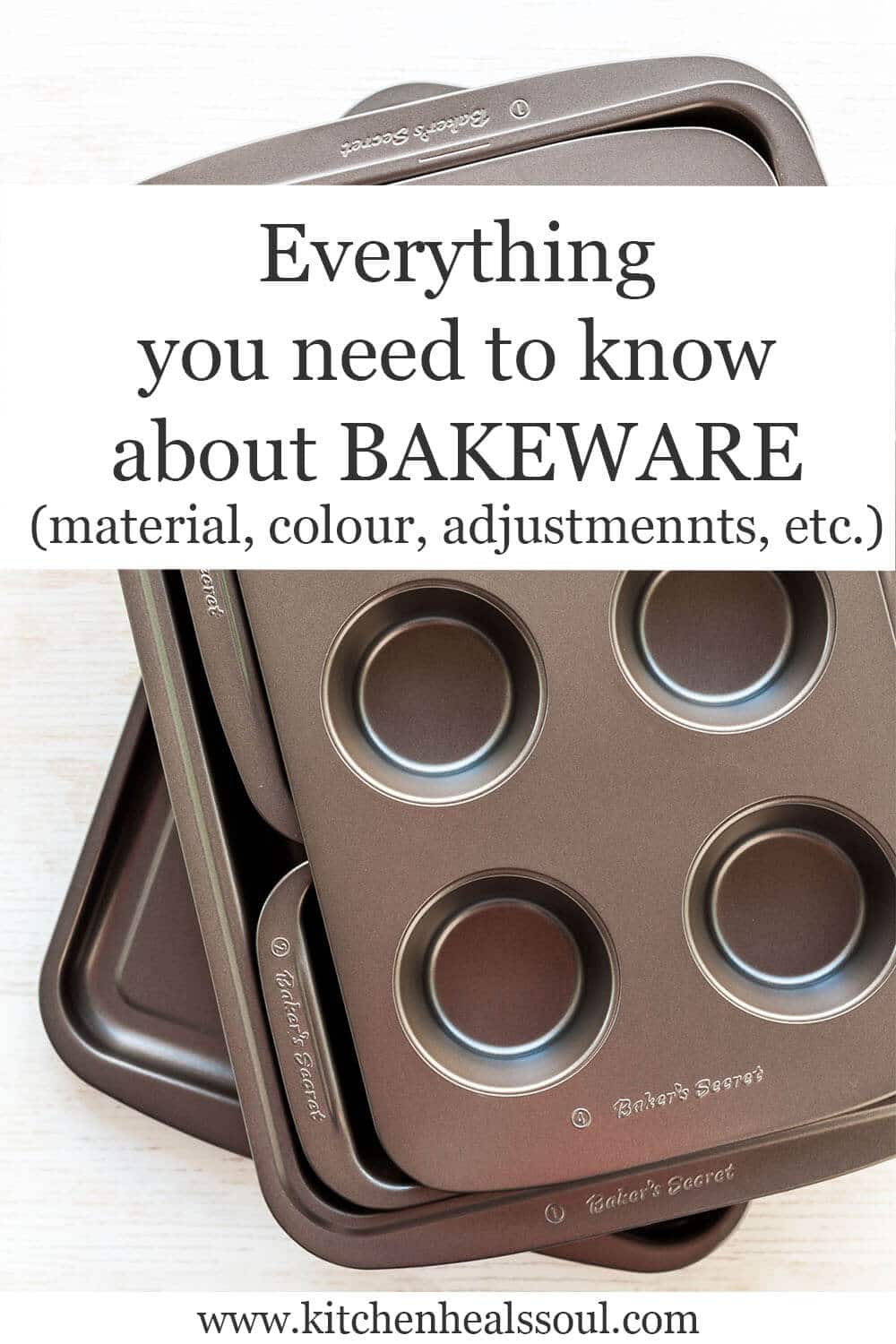
Shiny metal pans reflect heat, while dark nonstick pans absorb it. This means that in an oven, a shiny pan bounces heat away from the food, so your cookies or cakes bake more slowly and evenly. A dark pan soaks up heat and transfers it to your food faster, often making the bottoms brown more quickly.
This difference is especially important for baking. For example, using a dark nonstick pan for a recipe written for a shiny pan might mean your food is ready several minutes earlier and could burn if you’re not careful.
Material Matters
The base material of your pan (aluminum, steel, or stainless steel) also affects:
- Heat distribution: Aluminum spreads heat quickly and evenly, while stainless steel heats slowly and can have hot spots.
- Weight: Aluminum pans are lighter; stainless steel pans are heavier and often more durable.
- Reactivity: Some metals react with acidic foods (like tomatoes), which can change taste and color.
Cooking Performance: What To Expect From Each Type
Here’s how shiny metal pans and dark nonstick pans perform in real kitchens.
Shiny Metal Pan
Advantages:
- Better browning control: Shiny pans give a gentle, even bake, so food is less likely to burn.
- Great for roasting: They help meats and vegetables brown without burning the bottoms.
- Versatile: Can handle high heat, broilers, and dishwashers.
- Long-lasting: No coating to wear out, so they last for years.
Disadvantages:
- Food sticks: Eggs, pancakes, and fish might stick unless you use oil or butter.
- Harder to clean: Stuck-on bits need soaking or scrubbing.
- Some recipes need adjustments: Baking times may be longer compared to dark pans.
Dark Nonstick Pan
Advantages:
- Easy food release: Eggs, crepes, and cakes slide out with little or no oil.
- Simple cleanup: Wipe with a sponge—no soaking required.
- Faster cooking: Absorbs heat, so food browns and cooks faster.
Disadvantages:
- Delicate coating: Scratches easily; metal tools or harsh scrubbers can ruin it.
- Not for high heat: Most nonstick coatings break down above 500°F (260°C), releasing fumes or flaking.
- Shorter lifespan: Coating can wear off over time, especially if misused.
- Some baking recipes can burn: Dark color means more heat, so you may need to lower the oven temperature.
When To Use Each Pan: Best Uses And Common Mistakes
It’s not just about what’s in your cupboard—it’s about the right tool for the job. Here’s how to choose between a shiny metal pan and a dark nonstick pan for different tasks.
Baking
- Cookies, cakes, brownies: Use a shiny metal pan for even baking and golden bottoms. If using a dark nonstick pan, lower the oven temperature by 25°F and check for doneness earlier.
- Bread and pizza: Shiny pans give a lighter crust; dark pans give a crisp, deep brown bottom.
Stovetop Cooking
- Eggs, pancakes, crepes: Dark nonstick pans are ideal. Food won’t stick, and you can use less oil.
- Searing meat: Shiny metal (especially stainless steel) pans create a better sear and fond (the tasty brown bits for sauces).
- Sauces and stir-fries: Both can work, but shiny stainless steel pans are better for high heat and deglazing.
Roasting And Broiling
- Vegetables and chicken: Shiny metal pans brown food nicely without burning. Dark pans brown faster but risk burning.
- Broiling: Shiny metal pans are safe; most nonstick pans are not (the coating can break down).
Common Mistakes
- Wrong pan for baking: Using a dark nonstick pan for delicate cakes or cookies without adjusting the temperature leads to burnt edges.
- High heat with nonstick: Overheating nonstick pans can ruin the coating and release fumes.
- Metal tools on nonstick: Scratching destroys the nonstick layer, making it less useful and possibly unsafe.
- No oil in stainless pans: Food will stick badly if you don’t use enough oil in shiny metal pans.
Durability And Maintenance
A pan is an investment. How you care for it decides how long it will last and how well it will perform.
Shiny Metal Pans
- Stainless steel: Withstands scrubbing, dishwashers, and high heat. Can last decades. Needs oil to prevent sticking.
- Aluminum: Lighter and good for baking, but can dent. Uncoated aluminum can react with acidic foods.
- Care tips: Clean with mild soap and a soft sponge. For stuck food, soak in warm water. Avoid steel wool if the pan has a finish.
Dark Nonstick Pans
- Nonstick coating: Lasts 2–5 years with gentle care. Avoid metal utensils.
- Care tips: Use wooden, silicone, or plastic tools. Wash by hand, even if the label says dishwasher safe. Store carefully so nothing scratches the surface.
- When to replace: If the coating is peeling, flaking, or deeply scratched, replace the pan.
Non-obvious tip: Always heat your nonstick pan with a little oil or fat, even for “oil-free” cooking. This extends the life of the coating and prevents overheating.
Health And Safety Considerations
Cooking is not just about taste—it’s also about health.
Shiny Metal Pans
- Safe at high temperatures: No coating to break down.
- May leach metals: Uncoated aluminum can react with acidic foods, but stainless steel is safe.
Dark Nonstick Pans
- Low oil cooking: Great for people who want to reduce fat.
- Coating safety: Modern nonstick pans are mostly PFOA-free, but overheating can still release fumes that are harmful to birds and possibly people.
- Replace damaged pans: Never use a pan with a peeling or flaking nonstick surface.
Insider advice: If you have birds, avoid using nonstick pans at high heat, as fumes can be fatal to them.
Credit: bakeschool.com
How Pan Choice Affects Food Quality
Small details in pan choice can have a big impact.
Browning And Texture
- Shiny pans: Produce lighter, softer crusts on cakes and cookies. Better for gentle roasting.
- Dark pans: Give crispier, browner bottoms—great for pizza and roasted potatoes, but risky for delicate baked goods.
Food Appearance
- Even color: Shiny pans make food look more uniform.
- Darker edges: Dark pans can cause “over-browning” on edges and bottoms.
Taste
- Fond: Searing in a shiny metal pan builds up fond, which adds deep flavor to sauces.
- Nonstick pans: Less fond, but cleaner taste for simple dishes.
Price, Value, And What To Look For
Budget matters, but so does quality.
Shiny Metal Pan
- Price range: $10–$50 for most home-use pans.
- What to look for: Thick, sturdy construction. Rolled edges to prevent warping. For baking, straight sides are best.
- Value: Lasts longer, especially if uncoated. Good for serious cooks.
Dark Nonstick Pan
- Price range: $15–$60, depending on brand and size.
- What to look for: Reputable brands with safe, PFOA-free coating. Comfortable handle. Even coating—no bubbles or thin spots.
- Value: Great for beginners or anyone who wants easy cleanup. Plan to replace every few years.
Common mistake: Choosing the cheapest nonstick pan can be costly. Thin, poor-quality pans warp easily and the coating peels fast.

Credit: cookieexperiment.blogspot.com
Environmental Impact
Cookware has an effect on the environment, both in how it’s made and how long it lasts.
- Shiny metal pans (especially stainless steel) are recyclable and last many years.
- Dark nonstick pans can be harder to recycle due to the coating, and their shorter life means more waste.
- Some newer nonstick pans use “greener” ceramic coatings, but these still wear out faster than metal.
If sustainability matters to you, invest in a quality metal pan that will serve you for decades.
Real-world Examples And Data
A 2020 survey by a major cookware retailer showed:
- 68% of home bakers prefer shiny metal pans for cookies and cakes.
- 72% of people making eggs or pancakes use dark nonstick pans.
- 45% of new nonstick pans showed scratches or coating loss after only 18 months (with regular use).
Professional chefs often use stainless steel or aluminum pans for most cooking but keep a nonstick pan for eggs and delicate foods.
Side-by-side Comparison
Let’s see how these pans compare for key features.
| Feature | Shiny Metal Pan | Dark Nonstick Pan |
|---|---|---|
| Heat Handling | High heat safe | Low–medium heat only |
| Food Release | Needs oil/fat | Easy release, low oil |
| Durability | Very durable, lasts decades | Coating wears in 2–5 years |
| Browning/Color | Lighter, even browning | Darker, faster browning |
| Best Use | Baking, searing, roasting | Eggs, pancakes, delicate food |
| Maintenance | Scrubbing OK, dishwasher safe | Hand wash, gentle tools only |
How To Choose: Key Questions To Ask Yourself
Still not sure? Ask yourself these questions before buying:
- What do I cook most? If you love baking and roasting, choose shiny metal. If you make a lot of eggs and crepes, go nonstick.
- Do I want easy cleanup? Nonstick is best, but you’ll need to replace it eventually.
- Will I use high heat? Shiny metal is safer for searing and broiling.
- Do I care about longevity? Metal pans last longer. Nonstick pans are “disposable” over time.
- Do I need to reduce oil? Nonstick lets you cook with less fat.
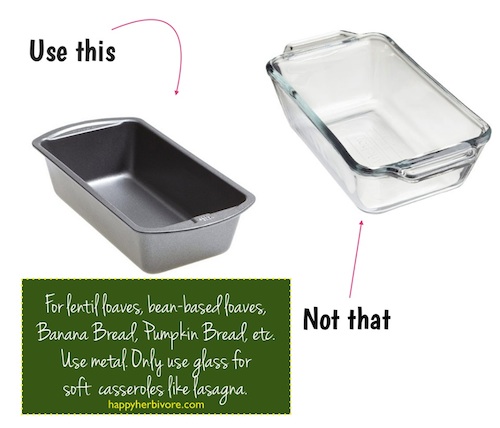
Credit: happyherbivore.com
Care And Cleaning Tips Most People Miss
- Preheat pans: Always preheat your shiny metal pan before adding food—this helps prevent sticking.
- Use the right utensils: Only use plastic, wood, or silicone on nonstick surfaces.
- Don’t soak nonstick pans: Soaking can sometimes loosen the coating over time.
- Season your metal pan: Some shiny pans (like carbon steel) improve with seasoning—rub with a little oil and bake empty at 350°F for an hour.
- Dry thoroughly: Never stack wet pans, especially nonstick, to avoid rust or damage.
Troubleshooting: Fixing Common Problems
- Food sticks to metal pan: Pan wasn’t hot enough, or not enough oil. Let the pan heat, then add oil and let it shimmer before adding food.
- Nonstick pan losing coating: Stop using metal tools and harsh scrubbers. If the coating is badly damaged, replace the pan.
- Warped pan: Rapid temperature changes (like cold water on a hot pan) can warp both types. Let pans cool before washing.
What About Other Types Of Pans?
There are also pans like ceramic, cast iron, and enameled steel. Each has its own benefits, but for most kitchens, a shiny metal pan and a dark nonstick pan will cover nearly every need.
Practical Examples: How Your Choice Changes The Result
Imagine you’re baking a batch of cookies.
- Shiny pan: Cookies are golden, soft, and evenly baked.
- Dark nonstick pan: Cookies are darker on the bottom, sometimes crisp or even burnt if not watched closely.
Frying an egg:
- Shiny pan: Needs oil and practice to avoid sticking.
- Dark nonstick pan: Egg slides out easily, even with little oil.
Roasting vegetables:
- Shiny pan: Vegetables brown gently, don’t burn.
- Dark nonstick pan: Vegetables brown quickly, possibly too much.
A Quick Reference Table
Here’s a simple guide to help you decide at a glance.
| Task | Best Pan | Why |
|---|---|---|
| Baking cookies/cakes | Shiny metal | Even, gentle browning |
| Frying eggs/pancakes | Dark nonstick | No sticking, easy release |
| Searing meat | Shiny metal | High heat, good fond |
| Roasting vegetables | Shiny metal | Even browning, less burning risk |
| Low-fat cooking | Dark nonstick | Less oil needed |
Advanced Insights: What Most Beginners Don’t Realize
- Pan color changes baking times. Recipes are often tested on shiny pans. If you use a dark pan, reduce the oven temperature by 25°F and check for doneness early.
- Nonstick pans are not forever. Every nonstick surface wears out, even with gentle use. Plan to replace them every few years.
- You can “season” some metal pans. Just like cast iron, carbon steel and some aluminum pans get better with time and use, forming a natural nonstick surface.
- Not all nonstick is the same. Cheap nonstick pans often use thinner, less safe coatings.
- Professional bakers use both. Shiny pans for cakes and cookies, dark pans for crispy pizza and quick breads.
Frequently Asked Questions
Why Do My Cookies Burn On The Bottom In A Dark Nonstick Pan?
Dark nonstick pans absorb more heat, making the bottoms of cookies cook and brown faster than the tops. To avoid burning, lower your oven temperature by 25°F and check for doneness earlier than the recipe suggests.
Can I Use Metal Utensils On A Shiny Metal Pan?
Yes, you can use metal utensils on most shiny metal pans, especially stainless steel or uncoated aluminum. However, avoid metal tools on nonstick pans, as they can scratch the coating.
Is Nonstick Cookware Safe For Health?
Modern nonstick pans are generally safe if used properly—do not overheat them and replace when the coating is damaged. For more details, you can visit Wikipedia’s Nonstick Cookware page.
How Do I Know When To Replace My Nonstick Pan?
Replace your dark nonstick pan when you see scratches, flaking, or if food starts to stick even with oil. These signs mean the coating is wearing off and may not be safe.
Do Shiny Metal Pans Need Special Cleaning?
No special cleaning is needed. Most shiny metal pans can be washed in the dishwasher or scrubbed with a sponge. For stuck-on food, soak in warm water, then scrub gently.
Choosing between a shiny metal pan and a dark nonstick pan doesn’t have to be hard. Think about what you cook, how you clean, and what matters most to you. With the right pan, your food will taste—and look—better than ever.