
Washing a bandana may sound simple, but if you want to keep it looking bright, clean, and durable, there’s more to consider than just tossing it in with the rest of your laundry. Bandanas are popular for many reasons—they’re practical, stylish, and useful in all kinds of situations. From blocking sweat during a workout to making a fashion statement or even covering your face for protection, these small squares of fabric work hard. But because bandanas touch skin, absorb sweat, and face the outdoors, they get dirty quickly. Learning how to wash a bandana the right way will help you keep it fresh, hygienic, and in top condition for years.
Whether your bandana is made from cotton, polyester, silk, or a blend, knowing the correct washing method makes a real difference. Some people prefer to hand wash their bandanas to keep colors bright and fabrics soft. Others choose the washing machine for convenience.
There are also bandanas with prints, embroidery, or delicate materials that need extra attention. Even small mistakes, like using hot water on a dyed bandana, can lead to fading, shrinking, or color bleeding. This guide covers all the details you need, from pre-wash checks to drying and ironing.
By the end, you’ll not only know the basics but also discover tips that many beginners miss—like why you shouldn’t wring a wet bandana or which detergents to avoid.
Let’s get started with everything you need to know about washing a bandana, so it stays fresh, clean, and ready for your next adventure.
Understanding Bandana Fabrics
Before you wash a bandana, you need to know what it’s made of. The fabric type affects how you should clean and care for it.
Common Bandana Fabrics
- Cotton: Most bandanas use 100% cotton. Cotton is soft, breathable, absorbent, and generally easy to wash. However, it can shrink if washed in hot water or dried on high heat.
- Polyester: Some bandanas are made of polyester or a cotton-poly blend. Polyester is less likely to shrink, dries quickly, and holds color well.
- Silk: Less common, but silk bandanas are popular as fashion accessories. Silk is delicate and needs gentle washing.
- Rayon or Viscose: These synthetic materials can look and feel like silk. They are soft but can become weak when wet.
- Microfiber: Used in sports or outdoor bandanas for moisture-wicking properties. Microfiber dries fast but can be sensitive to heat.
How Fabric Impacts Washing
- Cotton: Can handle regular washing but may fade or shrink.
- Polyester: Colorfast, but can pill with rough handling.
- Silk/Rayon: Needs cold water, gentle detergents, and air drying.
- Microfiber: Avoid fabric softeners as they reduce absorbency.
Check the label on your bandana if possible. If there’s no tag, you can usually guess the material by feel: cotton feels soft and a bit thick; polyester is slicker; silk is smooth and shiny.
Why Washing Your Bandana Matters
Bandanas touch your face, neck, and sometimes your nose and mouth. They pick up sweat, oils, dust, germs, and even bacteria. Washing isn’t just about appearance—it’s about hygiene.
- Prevents skin irritation: Washing removes dirt and sweat that can cause breakouts.
- Removes bacteria: Especially important if you use your bandana as a face covering.
- Keeps colors fresh: Regular gentle washing keeps prints vibrant.
A dirty bandana can also develop odor or even mold if left damp. So, make washing a habit, especially after heavy use.

Credit: www.youtube.com
Preparing Your Bandana For Washing
Start with a few quick checks and prep steps. This protects your bandana and helps you get the best results.
Step 1: Check For Stains
Look for stains from sweat, makeup, food, or other sources. Treat stains before washing to avoid setting them.
- For oil-based stains (like sunscreen or makeup), gently blot with a little dish soap and cool water.
- For dirt or grass stains, apply a bit of gentle laundry detergent directly on the spot and rub lightly with your fingers.
Step 2: Read The Care Tag
If your bandana has a care tag, read it. Follow any special instructions about water temperature, detergents, or drying.
Step 3: Test For Colorfastness
Some bandanas bleed color, especially the first few washes. To check:
- Dampen a small hidden corner.
- Press a white cloth or paper towel against it.
- If color transfers, wash separately and use cold water.
Step 4: Remove Accessories
Take off any pins, beads, or ties. These can damage the bandana or washing machine.
Step 5: Shake Out Debris
Dust, sand, or small bits often get stuck. Shake the bandana outdoors before washing.
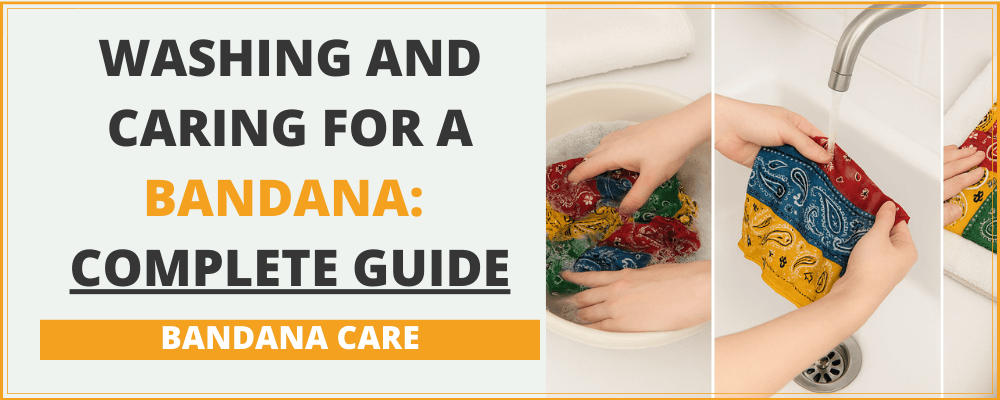
How To Wash A Bandana By Hand
Hand washing is the safest method for most bandanas, especially those made from cotton, silk, or with delicate prints.
Supplies Needed
- Mild laundry detergent (or baby shampoo for silk)
- Clean sink or basin
- Cold or lukewarm water
- Towel for drying
Steps For Hand Washing
- Fill the sink or basin with cold or lukewarm water. Cold is best for bright or dark colors.
- Add detergent: Use just a small amount—about a teaspoon per bandana.
- Submerge the bandana fully. Swish it around gently with your hands.
- Soak for 5–10 minutes. This helps loosen dirt and sweat.
- Gently rub the fabric. Focus on stained or soiled areas. Avoid twisting or wringing, especially for silk or delicate material.
- Rinse well under cool running water until all soap is gone. Squeeze gently to remove water (never twist).
- Roll in a towel: Lay the bandana flat on a clean towel, roll up, and press to absorb excess water.
- Air dry: Lay flat on a rack or hang to dry away from direct sunlight.
Practical Tips
- For stubborn stains, repeat the process or use a soft toothbrush to scrub lightly.
- Do not use bleach unless the bandana is plain white, as bleach damages colors and fibers.
- If you need to disinfect (for example, after illness), soak in a solution of 1 part vinegar to 4 parts water for 10 minutes, then rinse thoroughly.
How To Wash A Bandana In The Washing Machine
Machine washing is faster and more convenient, but it’s not suitable for every bandana. It works well for sturdy cotton or polyester bandanas.
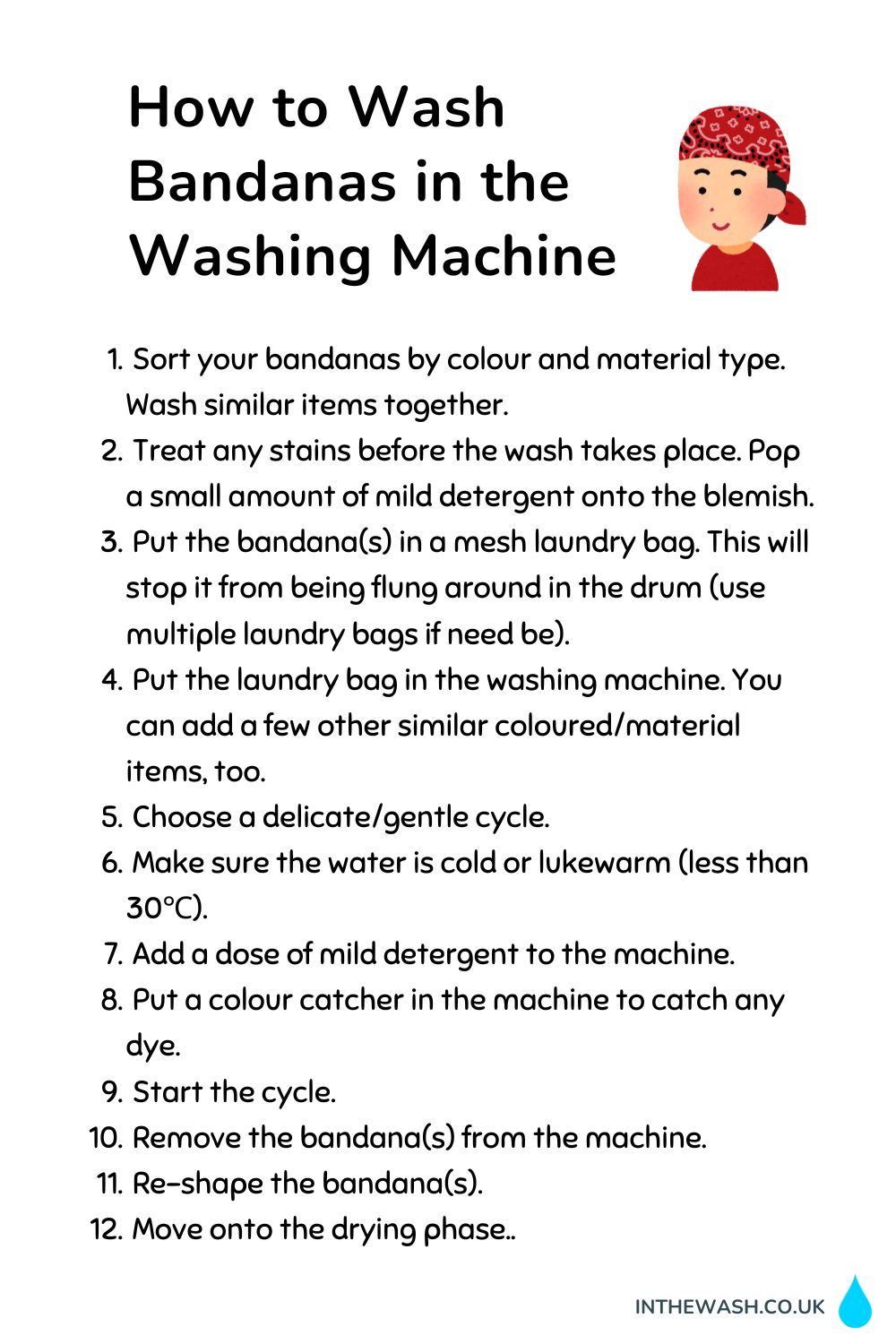
Machine Washing Steps
- Sort by color: Wash colored or dark bandanas with similar colors to avoid bleeding.
- Use a mesh bag: Place the bandana in a laundry bag to prevent tangling or stretching.
- Choose gentle cycle: Use the “delicate” or “hand wash” setting.
- Select cold water: Hot water can shrink cotton and fade colors.
- Add mild detergent: Avoid harsh cleaners or bleach.
- Avoid fabric softeners: These can coat fibers and reduce absorbency.
- Remove promptly after the cycle to prevent wrinkles.
Example Wash Settings Comparison
Here’s how different wash settings affect your bandana:
| Setting | Water Temp | Effect on Bandana |
|---|---|---|
| Delicate/Hand Wash | Cold | Low risk of fading/shrinking |
| Regular/Normal | Warm | Possible fading, more wear |
| Hot | Hot | High risk of shrinkage, color loss |
Machine Washing Do’s And Don’ts
- Do wash with similar items (like t-shirts or pillowcases).
- Do check for color bleeding during the first wash.
- Don’t overload the machine—bandanas need space to move.
- Don’t use chlorine bleach on colored bandanas.
Drying Your Bandana
How you dry your bandana affects its shape, texture, and color.
Air Drying (best Method)
- Lay the bandana flat on a clean towel or drying rack.
- Shape it gently to avoid wrinkles or misshaping.
- Keep out of direct sunlight, especially for bright or dark colors, to reduce fading.
Hanging
- Use a hanger or clothespin at one corner.
- Make sure the bandana isn’t stretched out.
- For silk or rayon, hang indoors to prevent sun damage.
Machine Drying
- Only use for sturdy cotton or polyester.
- Select the lowest heat setting.
- Remove while still slightly damp to prevent deep wrinkles and shrinkage.
Drying Method Comparison
A quick reference for drying methods:
| Method | Time Needed | Risk | Best For |
|---|---|---|---|
| Flat Air Dry | 2–4 hours | Low | All fabrics |
| Hanging | 2–3 hours | Possible stretching | Cotton, polyester |
| Machine Dry | 20–30 min | Shrinking, fading | Sturdy cotton/polyester |
Ironing And Storing Your Bandana
A crisp, wrinkle-free bandana looks better and folds more neatly. Here’s how to finish the cleaning process.
Ironing Steps
- Check the fabric first. Cotton and polyester can be ironed with a warm iron. Silk and rayon need very low heat.
- Place a thin cloth or handkerchief on top of the bandana to protect prints or delicate fabric.
- Iron on the reverse side if possible, especially for bandanas with prints or embroidery.
- Use steam for stubborn wrinkles, but avoid direct steam on silk.
Storing Your Bandana
- Fold neatly after drying and ironing.
- Store in a cool, dry place, away from direct sunlight.
- For long-term storage, keep in a clean drawer or box to avoid dust.
- Do not store when damp, as this can cause mildew.
Special Bandana Types And Their Care
Not all bandanas are created equal. Some need extra care based on their design or material.
Printed Or Embroidered Bandanas
- Wash inside out to protect the design.
- Use a mesh bag in the washing machine.
- Avoid direct ironing on the print or embroidery.
Silk Or Satin Bandanas
- Always hand wash with cold water and gentle detergent.
- Do not wring or twist.
- Lay flat to dry away from heat and sunlight.
White Bandanas
- Can be washed with whites.
- For stubborn stains, use a little baking soda or oxygen bleach (not chlorine).
- Sun drying can help naturally whiten fabric.
Performance Or Outdoor Bandanas
- Often made from microfiber or moisture-wicking blends.
- Avoid fabric softeners and dryer sheets—they reduce performance.
- Wash after each heavy use, especially if used as a mask.
Bandanas Used For Face Covering
- Wash daily, especially after public use.
- Use a disinfecting cycle if available, but avoid bleach on colored fabric.
- Dry thoroughly before reuse.
How Often Should You Wash A Bandana?
The answer depends on how you use it:
- After workouts or outdoor activity: Wash after every use, as sweat and dirt build up quickly.
- As a face covering: Wash daily for hygiene.
- For fashion (light wear): Wash every 2–3 wears, unless it looks or smells dirty.
- If exposed to illness: Wash immediately.
A good rule: If in doubt, wash it. Clean bandanas are healthier and last longer.
Common Washing Mistakes To Avoid
Many beginners make simple errors that reduce the life of their bandana. Here are some to watch for:
- Using hot water: Causes shrinking and fading, especially for cotton.
- Overusing detergent: Leaves residue, stiffens fabric, and may irritate skin.
- Wringing out water: Twisting damages fibers, especially in silk or rayon.
- Skipping the rinse: Soap left in the fabric can attract dirt and irritate skin.
- Drying in direct sun: Fades bright colors quickly.
- Ignoring stains: Untreated stains often set permanently during washing.
- Not checking for colorfastness: Risk of dye transfer to other clothes.
- Ironing at high heat: Can scorch or melt synthetic fibers.
Credit: en.royalbandana.com
Eco-friendly Tips For Washing Bandanas
If you want to reduce your environmental impact, bandanas make it easy.
- Wash with other small items to save water and energy.
- Use biodegradable detergent or soap nuts.
- Air dry instead of using a dryer.
- Reuse rinse water for plants if you use natural soap.
When To Replace Your Bandana
Even with the best care, bandanas don’t last forever.
- If you see holes, fraying edges, or thin spots, it’s time to replace.
- Faded colors or set-in stains that won’t budge mean the fabric is breaking down.
- For face coverings, replace at the first sign of wear.
A well-cared-for cotton bandana can last 1–3 years with regular use.
Credit: inthewash.co.uk
Fun Facts About Bandana Washing
- In the 1800s, cowboys boiled bandanas with lye soap to remove trail dust and germs.
- Many vintage bandanas survive today because they were hand washed and air dried.
- Some collectors pay over $100 for rare, well-preserved bandanas from the 1940s.
Bandana Washing Myths Debunked
Let’s clear up a few common myths:
- Myth: “All bandanas can go in the dryer.”
Fact: Many shrink or get damaged. Air drying is safer.
- Myth: “Bleach is the best cleaner for bandanas.”
Fact: Bleach ruins colors and weakens fibers.
- Myth: “You don’t need to wash new bandanas.”
Fact: New bandanas may have dyes, starch, or chemicals from the factory—wash before first use.
- Myth: “Fabric softener makes bandanas better.”
Fact: It reduces absorbency and can leave residue.
Bandana Washing: Quick Reference Guide
For those who need a fast reminder, here’s a handy summary:
| Fabric | Wash Method | Water Temp | Drying |
|---|---|---|---|
| Cotton | Hand or Machine | Cold/Lukewarm | Air or Low Heat |
| Polyester | Machine | Cold | Air or Low Heat |
| Silk/Rayon | Hand | Cold | Flat Air Dry |
| Microfiber | Machine | Cold | Air Dry |
Real-world Bandana Care: Examples
Example 1:
You wear a cotton bandana every day on your bike ride. After each ride, you hand wash it with cool water and mild soap, rinse well, and hang it to dry. The colors stay bright, and the fabric remains soft.
Example 2:
Your favorite silk bandana is part of your work outfit. You wash it by hand once a week, lay it flat to dry, and iron it on low. It looks new for months.
Example 3:
You washed your new red bandana in hot water with white t-shirts. The red dye bled, turning everything pink. Next time, you test for colorfastness and wash it separately in cold water.
Frequently Asked Questions
How Do I Wash A White Bandana With Stains?
Pre-treat stains with a bit of mild detergent or baking soda paste. Wash in cold or warm water with whites only. Sun drying can help lift stains naturally. Avoid chlorine bleach if possible; use oxygen bleach for tough spots.
Can I Wash A Bandana With Other Clothes?
Yes, if the bandana is colorfast and made from cotton or polyester. Wash with similar colors and gentle items. Use a mesh laundry bag to prevent tangling.
How Do I Stop My Bandana From Shrinking?
Wash in cold water and air dry. Avoid hot water and high dryer heat, which shrink cotton and some blends. For silk or rayon, always hand wash and lay flat to dry.
What Detergent Is Best For Washing Bandanas?
Use a mild, fragrance-free detergent. Avoid bleach and fabric softeners. For silk or delicate fabrics, baby shampoo or a detergent for delicates works best.
How Often Should I Wash A Bandana Used As A Face Covering?
Wash after every use. Bandanas used for face coverings collect germs, sweat, and dirt quickly. Daily washing keeps them clean and safe for your skin.
Washing your bandana well means it stays clean, soft, and colorful—ready for whatever you need next. With these steps and tips, you can keep your bandanas in great shape, avoid common mistakes, and enjoy them for a long time. For more information about fabric care and laundering, you can check the official care guidelines at CDC Handwashing Science.