
Pairing nightstands with your bed seems simple. But, as anyone who’s struggled with mismatched or awkward bedroom furniture knows, it’s far more nuanced. The right combination can elevate your bedroom from basic to beautiful, making it feel cohesive, stylish, and functional.
On the other hand, the wrong nightstands can throw off the balance and flow of the room, make your space look cluttered, or even interfere with your daily comfort.
So, how do you pair nightstands with your bed to create a harmonious, practical, and visually appealing setup? Whether you’re moving into a new home, redecorating, or simply replacing old furniture, understanding the basics—and a few advanced tricks—will help you make confident choices.
This guide walks you through everything you need to know, from matching heights and styles to clever mixing strategies and expert tips that even experienced decorators sometimes overlook.
Understanding The Role Of Nightstands
Nightstands serve both practical and aesthetic purposes. They provide a convenient spot for lamps, books, glasses, or your phone. They also act as framing elements, giving your bed a sense of completeness.
But not every bedroom or bed requires the same approach. Large master bedrooms often need larger, bolder nightstands. Small guest rooms might benefit from compact, open-sided tables. Before you start shopping, think about how you use your bedroom. Do you need lots of storage?
Do you love symmetry, or do you prefer an eclectic look?
Key Principles Of Pairing Nightstands With Bed
Pairing nightstands with your bed isn’t just about picking two pieces you like. There are some core principles that help achieve balance and function.
1. Proportion And Scale
The size of your nightstands should relate to both your bed and the room. Oversized nightstands can dwarf a small bed, while tiny nightstands next to a king bed look out of place.
- For twin or full beds, choose nightstands around 18–22 inches wide.
- For queen beds, 20–28 inches is usually ideal.
- For king beds, nightstands between 24–36 inches wide look proportional.
2. Height Harmony
The height of your nightstands is perhaps the most critical factor. The top of your nightstand should align with your mattress for easy access and visual balance.
- Standard beds: Nightstands should be within 2–4 inches of the mattress height.
- Platform or low beds: Look for shorter nightstands, or consider using stools or small tables.
- Tall beds: Don’t be afraid to use taller chests or cabinets as nightstands.
If your mattress is 24 inches high, your nightstand should be 22–26 inches tall.
3. Symmetry Vs. Asymmetry
Symmetry creates a classic, calming look. Matching nightstands and lamps on each side of the bed make the room feel orderly. This is common in master bedrooms.
Asymmetry can add visual interest. Use different nightstands—maybe a table on one side, a small dresser on the other. As long as they’re similar in height and visual weight, it works.
4. Storage Needs
Do you need drawers for hidden storage, or do you prefer open shelves for display? Think about what you reach for at night—books, water, medicine, electronics—and choose a nightstand that fits your habits.
5. Style And Finish
Your nightstands don’t need to match your bed exactly, but they should complement it. If your bed is upholstered, wooden nightstands can add warmth. If your bed is a dark wood, painted or metal nightstands can lighten the look.
How To Choose Nightstands Based On Bed Type
Different beds call for different nightstand strategies. Let’s look at the most common bed types.
Platform Beds
Platform beds are usually low to the ground and have a modern look. Choose nightstands that are also low and sleek, ideally within a few inches of the mattress height. Avoid bulky or ornate nightstands—they can look too heavy beside a simple platform frame.
Panel Beds
Panel beds have a headboard and footboard, often in wood. They work well with classic, medium-height nightstands. Matching wood finishes isn’t necessary, but similar tones help tie the look together.
Upholstered Beds
These beds are covered in fabric or leather, which can look plush and inviting. Glass, metal, or mirrored nightstands can add shine and contrast. If your bed is tufted or has nailhead trim, keep nightstands simple to avoid visual clutter.
Canopy Beds
Canopy beds are dramatic and tall. They need substantial nightstands so the bed doesn’t overwhelm them. Consider nightstands with a bit of height and weight, such as chests or cabinets.
Sleigh Beds
Sleigh beds have curved headboards and footboards, usually in wood. Traditional nightstands with a bit of detail—like turned legs or brass hardware—pair nicely.
Adjustable Beds
Adjustable beds are often higher, especially when raised. Look for nightstands that are tall and stable, with enough surface area for remotes and other essentials.
Matching Nightstand Height To Bed Height
A common mistake is ignoring the relationship between mattress and nightstand height. Here’s a quick reference to help you get it right:
| Mattress Height | Ideal Nightstand Height | Comments |
|---|---|---|
| 18–22 inches (low bed) | 16–24 inches | Try stools, short tables, or floating shelves |
| 23–28 inches (standard bed) | 22–28 inches | Most standard nightstands fit here |
| 29–36 inches (tall bed) | 28–34 inches | Look for small chests or tall cabinets |
If you can’t find the perfect height, add books or trays to raise a lamp or essentials.
Mixing And Matching Nightstands
You don’t have to buy a matching set. Mixing nightstands can add personality and flexibility.
Strategies For Mixing Nightstands
1. Match Heights, Mix Shapes
Use two nightstands of similar height but different silhouettes. For example, a round table on one side and a square chest on the other.
2. Match Styles, Mix Finishes
Choose nightstands with similar shapes or details but in different finishes, like one in walnut, the other painted white.
3. Mix Storage Types
If you need more storage on one side, use a small dresser as a nightstand. On the other, use a simple table.
4. Unify With Accessories
Even if the nightstands are different, matching lamps or art can tie them together.
When Mixing Doesn’t Work
Mixing works best when the two pieces share at least one common element: height, color, material, or hardware. Don’t mix random pieces with totally different heights and styles—it can look chaotic.
Choosing The Right Nightstand For Your Needs
Your lifestyle should shape your nightstand choice.
For Book Lovers
Choose nightstands with shelves or a lower surface for stacks of books. A lamp with a focused beam is helpful for reading.
For Tech Users
If you charge devices overnight, look for nightstands with built-in USB ports or outlets. Drawers help keep cords tidy.
For Small Spaces
Opt for wall-mounted nightstands or slim tables. Floating shelves can also work, freeing up floor space.
For Storage Seekers
Nightstands with two or three drawers hold much more than open tables. Consider a small chest if you need extra space.
For Minimalists
Choose simple, leggy tables or even a single shelf. Keep the surface clear except for one or two essentials.

Credit: stylebyemilyhenderson.com
Color And Material Combinations
Pairing your nightstands and bed by color and material creates a balanced look. Here are some popular and effective combinations:
Wood With Upholstery
A wooden nightstand paired with an upholstered bed blends warmth and softness. Light woods (oak, ash) keep the room airy; dark woods (walnut, mahogany) add richness.
Painted With Metal
White or pastel-painted nightstands work beautifully with metal beds, giving a vintage or cottage feel.
Glass And Mirrored Surfaces
Mirrored or glass nightstands bounce light and make small rooms feel larger. Pair with fabric or wood beds for a glamorous touch.
All-wood Looks
Pairing a wood bed and wood nightstands works if you mix stains or styles. For example, a dark bed with lighter nightstands adds contrast.
Nightstand Storage Options Compared
Here’s how common nightstand designs compare for storage and function:
| Type | Storage | Best For |
|---|---|---|
| Open Table | None or one shelf | Minimalists, small rooms |
| One-drawer | Small drawer, open shelf | Basic storage |
| Two/Three-drawer | Multiple drawers | Hidden storage, clutter control |
| Chest/Cabinet | Large drawers/cabinet space | Extra storage, large rooms |
| Floating Shelf | None | Small rooms, modern look |
How To Style Nightstands With Your Bed
Once you pick the right nightstand, styling is just as important. Here’s how to make your setup look intentional.
Lamp Size And Placement
A lamp should be in easy reach and the bottom of the shade should sit at about eye level when you’re sitting in bed. For king beds, use larger lamps; for twins, petite lamps work best.
What To Keep On Top
Less is more. Choose 2–3 items:
- A lamp
- A small tray or dish for jewelry
- A book or clock
- A plant or photo
Art And Accessories
Hang art or a mirror above the nightstand, not too high—about 6 to 8 inches above the surface. This draws the eye up and gives a finished look.
Keeping It Tidy
Cluttered nightstands can ruin the whole effect. Use trays or small boxes to organize essentials, and edit regularly.
Common Mistakes To Avoid
Many people make the same mistakes when pairing nightstands with their bed. Here’s what to watch out for:
1. Ignoring Height
If your nightstand is too high or too low, it’s uncomfortable and looks awkward.
2. Overcrowding
Nightstands that are too wide or deep can block pathways or feel bulky.
3. Skipping Storage
If you don’t have enough storage, clutter builds up quickly.
4. Too Much Matching
Buying a “bedroom set” where everything matches perfectly can look dated. Mix things up for a fresher feel.
5. Forgetting Lighting
A nightstand without a lamp isn’t very useful, especially for reading or winding down.
6. Mismatched Visual Weight
If one nightstand is heavy and the other is delicate, the room feels lopsided. Try for visual balance, even if not identical pieces.
Special Situations: Odd Spaces, Shared Beds, And More
Some bedrooms need creative solutions.
Small Or Awkward Spaces
If there’s little room, use wall-mounted shelves, slim tables, or even a stack of books as a nightstand. Floating nightstands keep the floor clear.
Shared Beds With Different Needs
If one person needs more storage and the other less, use a chest on one side and a table on the other. Unify them with matching lamps or accessories.
No Room For Two Nightstands
If your bed is against a wall, place a single nightstand on the open side. Use wall sconces for lighting on both sides.
Coordinating With Bedroom Decor
Your nightstands and bed should relate to the rest of the room. Consider:
- Wall color: Light nightstands pop against dark walls, and vice versa.
- Flooring: Wood nightstands stand out on carpet; painted or metal pieces on wood floors add contrast.
- Other furniture: Nightstands don’t need to match dressers exactly, but similar hardware or details can help them blend.
How To Shop For Nightstands
Shopping for nightstands can be overwhelming. Here’s a quick checklist:
- Measure your bed height and available space.
- Decide on storage needs: Drawers, shelves, or open tables.
- Set a budget: Quality nightstands range from $50 to over $500.
- Choose a style: Modern, traditional, rustic, etc.
- Compare options in-store or online.
- Check return policies in case the nightstand doesn’t work with your bed.
Nightstand Trends And Popular Styles
Looking for inspiration? Here are some trending styles:
- Mid-century modern: Clean lines, tapered legs, often in walnut or teak.
- Industrial: Metal frames with wood or concrete tops.
- Scandinavian: Light woods, simple shapes, minimal hardware.
- Glam: Mirrored surfaces, metallic finishes, crystal knobs.
- Rustic/Farmhouse: Distressed wood, chunky shapes, visible grain.
Remember: trends come and go, but classic styles always work.

Credit: studio-mcgee.com
Expert Tips And Advanced Insights
Here are two insights many beginners miss:
- Don’t forget outlet placement. If your nightstand blocks outlets, charging devices or plugging in lamps becomes a hassle. Measure and plan before you buy.
- Nightstand depth matters. A nightstand that’s too deep can make a room feel cramped, especially in smaller spaces. Standard depth is about 16–20 inches; in tight rooms, look for 12–14 inches.
And one more: If you use an adjustable bed, make sure your nightstand doesn’t interfere with the bed’s movement.
Real-life Example: Pairing Nightstands In Different Bedrooms
To show how these principles work, let’s look at three real-life scenarios.
Modern Master Bedroom
A king-sized upholstered bed is paired with two walnut nightstands, each 28 inches tall and 26 inches wide. Both have two drawers for storage. Tall, slender lamps sit on top, and matching art hangs above each side. The look is balanced, practical, and warm.
Small Guest Room
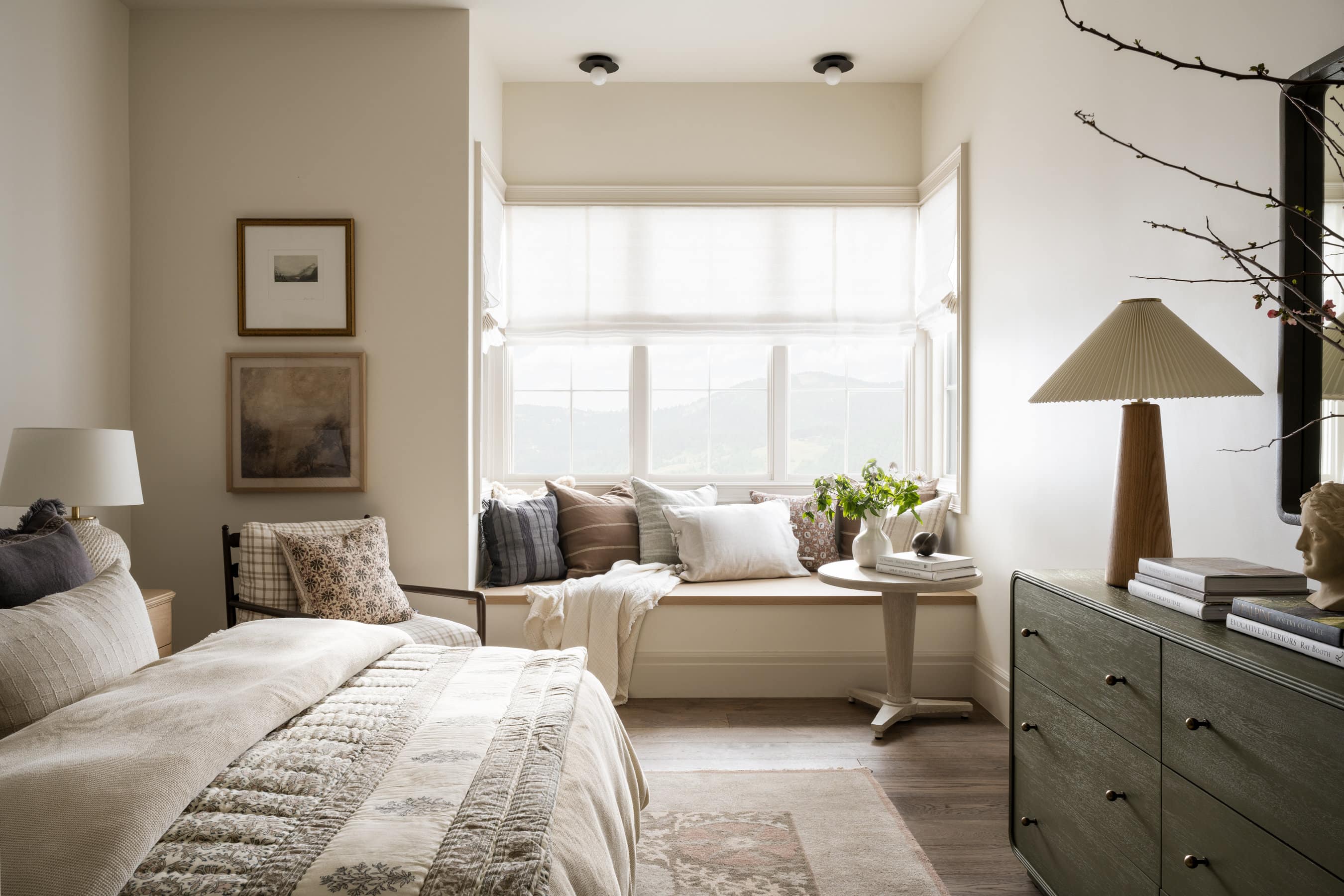
A full bed sits in a tight corner. On one side, there’s a floating shelf at mattress height, holding a lamp and book. On the other, a small round table. Different shapes, but similar heights and wood tones. The effect is cozy and uncluttered.
Eclectic Apartment
A queen platform bed is flanked by a vintage cabinet on one side (for extra storage) and a modern metal stool on the other. The cabinet is painted navy blue, while the stool is gold. Matching globe lamps bring the look together.
Credit: studio-mcgee.com
Sustainability And Nightstand Choices
If you care about the environment, there are sustainable options. Look for nightstands made from FSC-certified wood, bamboo, or recycled materials. Vintage or secondhand pieces are also eco-friendly and add character.
For more on sustainable furniture choices, the EPA’s guide to sustainable materials management is a good resource.
Budgeting For Nightstands
Nightstand prices vary widely:
- Budget: $50–$150 (basic tables, many flat-pack styles)
- Mid-range: $150–$350 (solid wood, more design options)
- High-end: $350–$1000+ (designer, custom, or antique pieces)
Remember: you don’t have to spend a lot to get a good look. Sometimes painting or refinishing an old table is all it takes.
Sample Nightstand And Bed Pairings (quick Reference)
Here’s a summary of classic pairings:
| Bed Type | Recommended Nightstand | Notes |
|---|---|---|
| Platform | Low, sleek table | Keep visual lines low and clean |
| Panel | Medium-height chest | Match or complement wood tones |
| Upholstered | Glass/metal, simple shapes | Contrast soft bed with hard materials |
| Canopy | Tall, substantial piece | Balance the height of the bed |
| Adjustable | Stable, taller nightstand | Leave space for bed movement |
Frequently Asked Questions
What If My Nightstand Is Taller Than My Mattress?
A nightstand that’s a little taller than the mattress (by 1–2 inches) is usually fine. More than that can feel awkward and make it hard to reach things. If your nightstand is too tall, try lowering the bed frame or using a shorter lamp.
Is It Okay To Use Different Nightstands On Each Side Of The Bed?
Yes. Mixing nightstands is a popular look. Just keep their heights and visual weight similar, and use accessories (like matching lamps) to create unity.
Can I Use A Small Dresser As A Nightstand?
Absolutely. Small dressers or chests work well, especially if you need extra storage. Just make sure the height is right for your bed.
What’s The Best Nightstand For A Small Bedroom?
Slim tables, floating shelves, or wall-mounted nightstands save space. Look for pieces with open legs or clear surfaces so the room feels open.
Do Nightstands Need To Match My Bed Frame?
No. Nightstands should complement your bed, not necessarily match. Contrast in color, material, or shape can add style—as long as the overall look is balanced.
Pairing nightstands with your bed is about more than just function; it’s an opportunity to express your style and create a comfortable, organized retreat. Take your time, measure carefully, and choose pieces that fit both your needs and your room’s personality.
With the right approach, your nightstand and bed will work together for years of restful nights and stylish mornings.