
Do Chefs Use Non Stick Pans? The Truth Behind Professional Kitchens
Step inside a busy restaurant kitchen and you’ll see a dance of flames, clanging pots, and focused cooks moving fast. But look closely—what kind of pans are they using? Many home cooks love nonstick pans for easy cleanup and simple cooking, but do professional chefs really use nonstick cookware, or is it something left for home kitchens only? The answer is more complex than you might think. Let’s dive into the real reasons why chefs choose their pans, the role of nonstick surfaces in pro kitchens, and what this means for your own cooking at home.
Why Nonstick Pans Became Popular
Nonstick pans changed home cooking. The main reason: food doesn’t stick. Frying eggs, pancakes, or fish is much easier for most people with a nonstick surface. Cleanup is fast, and you can use less oil or butter.
The technology behind nonstick pans started with Teflon, a coating made from polytetrafluoroethylene (PTFE). This material is very slick, so food slides right off. Since the 1960s, nonstick pans have become a standard in home kitchens around the world.
But does this same convenience matter in a professional kitchen? Or do chefs prefer something different?
What Kinds Of Pans Do Chefs Use?
Walk into a restaurant kitchen and you’ll notice a mix of pan types. Professional chefs use pans for specific reasons. Here are the main types you’ll see:
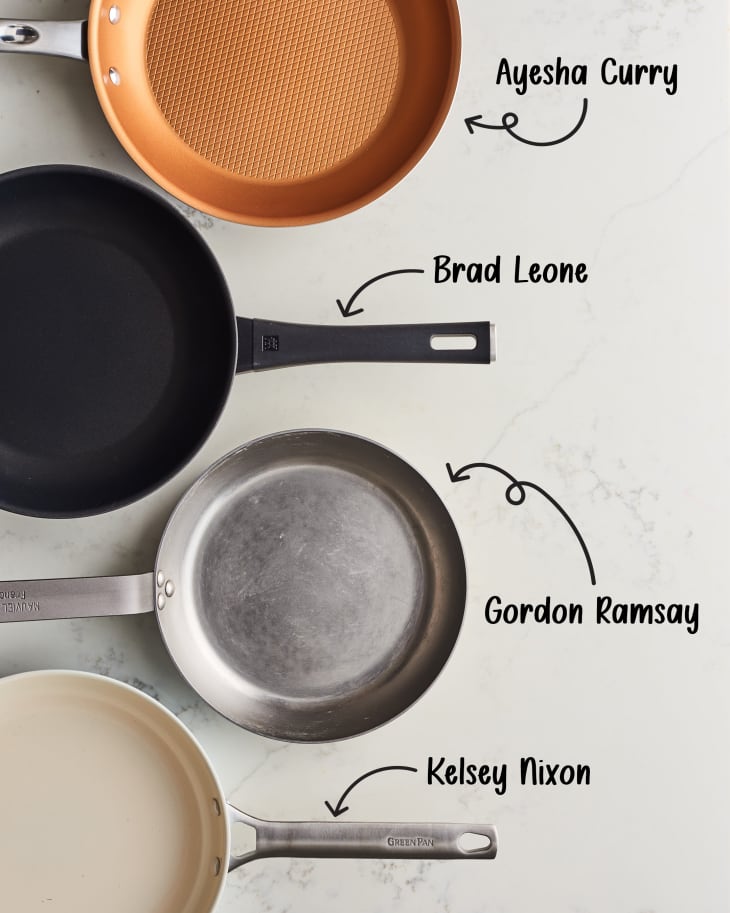
- Stainless steel pans – These are tough, handle high heat, and are good for browning food. They don’t have a nonstick coating.
- Cast iron pans – Heavy and great for holding heat. When seasoned, they develop a natural nonstick layer.
- Carbon steel pans – Lighter than cast iron, but similar in how they work. Also develop a natural nonstick surface with use.
- Aluminum pans – Light, heat up fast, and are often used for sauces.
- Copper pans – Excellent heat control, but expensive and need care.
- Nonstick pans – Used for certain foods, but not as common as in home kitchens.
It’s important to note: no single pan is perfect for everything. Chefs choose based on what they’re cooking.

Credit: www.reddit.com
Do Chefs Use Nonstick Pans In Restaurants?
The short answer: Yes, but only for specific tasks.
Most professional kitchens don’t rely on nonstick pans for everyday cooking. They have a few nonstick pans for delicate jobs—like cooking eggs or fish fillets. But for most other tasks, they use stainless steel, cast iron, or carbon steel.
Why? Nonstick pans have limits. They can’t handle very high heat. The coating can wear off with heavy use. And they’re not great for making pan sauces because food bits (fond) don’t stick to the pan, which is needed for building flavor.
Let’s break down the reasons chefs might choose—or avoid—nonstick.
Advantages Of Nonstick Pans (and Why Chefs Sometimes Use Them)
Nonstick pans have a few clear strengths, even in a restaurant:
- Eggs and omelets: Most nonstick pans in pro kitchens are used for eggs. Scrambled eggs, omelets, and frittatas come out clean and smooth.
- Delicate fish: Some fish fillets are so gentle they’ll break apart or stick to metal pans. Nonstick makes flipping easy.
- Low-fat cooking: Nonstick surfaces need less oil or butter, helpful for lighter menu items.
- Fast cleanup: In a busy kitchen, a nonstick pan can be wiped clean and reused quickly.
Still, these benefits matter most for certain recipes. For high-heat searing, browning, or making sauces, chefs look elsewhere.
Why Chefs Avoid Nonstick Pans Most Of The Time
Despite the benefits, there are real reasons why nonstick pans aren’t the main tool in pro kitchens:
- Heat Limits: Nonstick coatings break down at high temperatures (usually above 500°F / 260°C). Professional ranges often run hotter than this.
- Coating Wears Off: Heavy use, metal utensils, and abrasive cleaning damage nonstick surfaces quickly. Chefs need pans that last years, not months.
- No Fond for Sauces: Browning meat leaves tasty bits on the pan. With nonstick, these don’t form, so sauces have less flavor.
- Cost Over Time: Constantly replacing nonstick pans gets expensive. Stainless steel and cast iron last much longer.
- Food Safety Concerns: Damaged nonstick coatings can flake into food. Some people worry about chemicals (like PFOA in old Teflon), though most new pans are safer.
Because of these reasons, chefs use nonstick only when they must.
What Chefs Prefer For Most Cooking
For most tasks, chefs use stainless steel, cast iron, or carbon steel pans. Here’s why:
- High Heat: These pans can get very hot—great for searing steaks or caramelizing vegetables.
- Flavorful Browning: You get a deep, tasty crust and fond for pan sauces.
- Durability: With care, these pans last decades.
- Versatility: From stovetop to oven, these pans do it all.
Many chefs also season their cast iron and carbon steel pans, creating a naturally slick surface that gets better with use.
Credit: www.thekitchn.com
Comparing Common Pan Types
To see the main differences, here’s a comparison of the most common pans in pro kitchens:
| Type | Heat Tolerance | Durability | Best For | Nonstick? |
|---|---|---|---|---|
| Stainless Steel | Very high | Lasts decades | Searing, browning, sauces | No |
| Cast Iron | Very high | Lasts decades | Grilling, frying, baking | Yes (when seasoned) |
| Carbon Steel | High | Lasts decades | Searing, stir-frying | Yes (when seasoned) |
| Aluminum | Medium | Can warp or pit | Quick sauces | No (unless coated) |
| Nonstick (PTFE/Teflon) | Low/Medium | Wears out fast | Eggs, pancakes, delicate fish | Yes |
When Do Chefs Use Nonstick Pans?
Let’s look at a few real examples from restaurants:
- Breakfast spots: Short-order cooks use nonstick pans for eggs and pancakes. They want fast, clean results.
- Hotel omelet stations: Cooks flip hundreds of omelets daily. Nonstick makes this possible.
- Sushi and fine dining: For delicate fish or egg-based Japanese dishes (like tamagoyaki), nonstick is sometimes preferred.
- Pastry kitchens: Some pastry chefs use nonstick pans for crepes or thin desserts.
But in most other cases—like searing steaks, sautéing vegetables, or roasting chicken—chefs skip nonstick.
What About Tv Chefs And Cooking Shows?
Watch a cooking show and you’ll often see nonstick pans in use. Why? For TV, nonstick has a few advantages:
- Food doesn’t stick, so the finished dish looks perfect.
- Quick cleanups between takes.
- Less chance of burning on camera.
But this isn’t always how restaurant kitchens work. TV shows are about visuals and speed. Real chefs use a wider range of pans for flavor and technique.
Non-obvious Insights: What Beginners Miss
Most people think pro chefs hate nonstick pans. This isn’t true—chefs just use nonstick for the right jobs. Here are two insights many miss:
- Chefs value control over stickiness. In many dishes, a little sticking is good. It means flavor (fond) is developing. Chefs know how to control sticking with temperature, oil, and timing.
- Seasoned pans become nonstick naturally. With cast iron or carbon steel, repeated use and oil create a slick, almost nonstick surface. Many pros prefer this, as it gets better with age and never peels.
How Pros Prevent Sticking Without Nonstick
Chefs have tricks to keep food from sticking in regular pans:
- Preheat the pan: Hot pans make food less likely to stick.
- Add oil after heating: This creates a barrier between food and metal.
- Dry food before cooking: Moisture makes things stick.
- Don’t move food too soon: Let a crust form before flipping.
- Use the right amount of fat: Not too little, not too much.
These techniques allow chefs to use stainless steel or cast iron for almost everything—with no sticking problems.
Are New Nonstick Technologies Changing Chefs’ Minds?
In the last decade, new types of nonstick pans have appeared. Some use ceramic coatings, others use diamond or titanium particles. They claim to be more durable, safer, and better at high heat.
Are these new pans winning over chefs? Not widely. Most pros find even the best new nonstick pans still can’t match the heat tolerance and longevity of steel or iron. Some chefs use them for special diets or allergy-safe cooking, but they’re still a small part of the kitchen.
Environmental And Health Factors
There has been concern about chemicals like PFOA and PFAS in older nonstick coatings. Most modern brands are now PFOA-free, but chefs are careful. Scratched or overheated nonstick pans may release fumes or particles.
Chefs also consider waste. Replacing nonstick pans every few months creates more trash. Cast iron and steel pans, on the other hand, last a lifetime with care.
For more on the safety of nonstick coatings, the Environmental Protection Agency offers resources: EPA: PFAS Information.
Home Kitchen Vs Restaurant: What Should You Use?
At home, nonstick pans are still useful. But you can learn from the pros:
- Use nonstick for eggs, pancakes, and delicate fish.
- Use stainless steel or cast iron for searing, browning, and sauces.
- Take care of your pans. Avoid metal utensils on nonstick. Season your cast iron.
- Don’t put nonstick pans in the dishwasher or use them over high heat.
A good home kitchen might have one or two nonstick pans, plus a few steel or iron pans for everything else.
Real-world Chef Opinions
Let’s look at what actual chefs say about nonstick pans:
- Gordon Ramsay: Prefers stainless steel for searing, but uses nonstick for eggs.
- Anthony Bourdain: Famous for saying, “Nonstick is for eggs and delicate fish. That’s it.”
- Julia Child: Loved her cast iron pans, but also used nonstick for specific French egg dishes.
Many chefs agree: nonstick is a tool, not a solution for everything.
How Long Do Nonstick Pans Last In A Pro Kitchen?
In a busy restaurant, a nonstick pan might last only a few weeks to a few months. Heavy use, high heat, and frequent washing wear out the coating fast. This is another reason chefs avoid relying on them.
At home, with gentle use, a good nonstick pan can last 1 to 3 years before it needs replacing.
Nonstick Vs Seasoned Cast Iron: A Quick Comparison
Both can be used for eggs and delicate foods, but they have key differences.
| Feature | Nonstick Pan | Seasoned Cast Iron |
|---|---|---|
| Initial nonstick quality | Excellent | Good, improves with use |
| Heat tolerance | Low/Medium | Very high |
| Longevity | 1-3 years (home) | Decades |
| Care needed | Gentle, no metal tools | Must be seasoned, avoid soaking |
| Flavor development | Low | High |
| Oven safe? | Usually not | Yes |
How To Choose The Right Pan For Your Needs
When picking a pan, think about:
- What you cook most: Eggs? Go nonstick. Steaks? Choose stainless or cast iron.
- How much care you want to give: Nonstick needs gentle handling. Cast iron needs seasoning.
- Budget: Stainless and cast iron cost more up front, but last longer.
- Health and environment: Avoid old nonstick pans with scratched surfaces.
Most home cooks will do best with a mix of pan types, just like chefs.
The Bottom Line: Nonstick Has A Place, But Not The Main Role
So, do chefs use nonstick pans? Yes—but only when the job demands it. For eggs, pancakes, and the gentlest fish, nonstick shines. For everything else, stainless steel, cast iron, and carbon steel rule the professional kitchen.
Chefs know that nonstick is a tool, not a shortcut. They respect its strengths and know its limits. At home, you can do the same—choose the right pan for the right job, and your cooking will improve.
Frequently Asked Questions
Why Don’t Chefs Use Nonstick Pans For Everything?
Nonstick pans can’t handle high heat and the coating wears out fast. Chefs need pans that last and work at high temperatures. Stainless steel, cast iron, and carbon steel give better flavor and last much longer.
Is Nonstick Cookware Safe To Use?
Modern nonstick pans are safe when used at medium heat and not scratched. Never overheat an empty nonstick pan. Avoid using metal utensils that can damage the coating. Old pans (made before 2013) may have unsafe chemicals, so replace them if you’re unsure.
What’s The Best Pan For Cooking Eggs?
Most chefs use a nonstick pan for eggs and omelets—especially for scrambled or fried eggs. At home, a well-seasoned cast iron or nonstick pan works well. Use medium heat and a little fat for best results.
How Do I Keep Food From Sticking To My Stainless Steel Pan?
Make sure the pan is hot before adding oil and food. Dry the food first, and don’t move it right away—let a crust form. Use enough oil to cover the pan lightly. Practice helps, and over time you’ll get a feel for when food is ready to flip.
How Long Should A Nonstick Pan Last?
With gentle home use, a good nonstick pan should last 1-3 years. Don’t use metal tools, avoid high heat, and wash by hand. In a pro kitchen, nonstick pans often wear out in a few months due to heavy use.
—
Whether you’re cooking at home or dreaming of running a restaurant, knowing when—and why—to use nonstick pans will make your food better and your kitchen skills stronger. Choose wisely, care for your pans, and cook with confidence.

Credit: madeincookware.ca