
A floor drain with standing water is a problem that can quickly turn from annoying to urgent. Water that sits and doesn’t flow means there’s a blockage. Over time, this can lead to bad smells, water damage, and even health risks from bacteria and mold.
Most people feel frustrated or overwhelmed when they see water pooling above their drain cover. But the truth is, unclogging a floor drain with standing water is often possible without calling a plumber—if you know the right steps.
This guide explains, in clear and simple language, every step you need to take. You’ll learn what causes clogs, how to assess the situation, which tools to use, and when it’s better to get professional help. You’ll also find practical tips, expert insights, and common mistakes to avoid.
Whether your floor drain is in the basement, laundry room, garage, or shower, these instructions will help you handle it with confidence.
Understanding Why Floor Drains Get Clogged
Before you start unclogging, it’s important to know why your floor drain may have standing water. Most floor drains are designed to remove water from floors, but several things can cause a blockage.
Common causes include:
- Hair and soap scum (in shower or bathroom drains)
- Lint, dirt, and debris (in laundry or basement drains)
- Grease or food particles (in garage or utility areas)
- Mineral buildup from hard water
- Objects accidentally dropped down the drain (toys, bottle caps, etc.)
- Tree roots growing into underground pipes
- Broken or collapsed pipes
Often, it’s a mix of these factors. For example, lint may stick to soap scum, creating a thick mass that water can’t pass through. Sometimes the problem is inside your home’s plumbing, but other times it’s outside, like tree roots in the main sewer line.
Understanding the likely cause helps you pick the right solution.
Assessing The Situation Before You Start
Not every floor drain problem is the same. Some are simple, others are serious. Take a few minutes to check the situation. This can save you time and prevent damage.
Key Things To Check:
- How much water is standing? If it’s only an inch or so, it’s usually a simple clog. If the water is deep or rising quickly, you may have a bigger problem.
- How long has the water been there? If the clog just happened, immediate action helps. If it’s been standing for days, bacteria and mold may be present.
- Are other drains in your home also slow or clogged? If yes, the blockage could be in your main drain line or sewer.
- Is there a bad smell? Sewer gas means the clog is serious or the trap is dry.
- Any signs of backup when you use other water fixtures? For example, if the basement drain backs up when you flush a toilet upstairs, the main line may be blocked.
If water is rising fast, or if you see sewage, turn off your main water supply and call a plumber. Otherwise, you can usually try to clear the clog yourself.
Safety Precautions And What You Need
Before you get started, take safety seriously. Standing water can contain bacteria, chemicals, and sharp objects. Protect yourself and your home.
Wear And Use:
- Rubber gloves (long cuff if possible)
- Old clothes or waterproof coveralls
- Eye protection (goggles)
- Sturdy shoes (not flip-flops or bare feet)
- A bucket and rags for cleanup
If you need to use chemical cleaners (covered below), make sure the area is well-ventilated.
Essential Tools And Supplies
Most clogs can be cleared with basic household tools. Here’s what you may need:
- Plunger (cup-shaped, not flange type)
- Drain snake or hand auger
- Wet/dry shop vacuum
- Baking soda and vinegar (for eco-friendly cleaning)
- Enzyme drain cleaner
- Pipe wrench (if you need to remove the cover or trap)
- Bucket, old towels, or sponges
- Flashlight (to see inside the drain)
Not every tool is needed for every clog. The next sections explain which to use and when.
Initial Steps: Remove Standing Water
Before you unclog, try to remove as much standing water as possible. This makes the job less messy and helps you see what’s happening.
How To Remove Standing Water:
- Use a wet/dry shop vacuum. This is the fastest and easiest way. Set the vacuum to “wet” mode, place the nozzle at the bottom of the drain, and suck out the water.
- Bail with a bucket or cup. Scoop water out and pour it into another drain or outside. Use sponges or towels for the last bits.
- Don’t pour the water into another floor drain—it could back up again.
Removing the water lets you see if anything is stuck at the top of the drain, like hair or debris.
Remove The Drain Cover And Inspect
Most floor drains have a metal or plastic cover. Sometimes the clog is right under this cover, so start here.
- Use a screwdriver or wrench to remove the screws holding the cover.
- Lift the cover off and set it aside.
- Shine a flashlight down the drain.
- Look for visible debris, hair, or objects.
If you see a blockage at the top, use tongs, needle-nose pliers, or a bent coat hanger to pull it out. Wear gloves, as this material can be dirty and sharp.
If the drain is clear at the top, move to the next step.
The Plunger Method
A simple plunger is often enough to clear a floor drain with standing water, especially if the blockage is not too deep.
How To Use A Plunger:
- Place the cup of the plunger directly over the drain opening.
- Add a small amount of water if the drain is dry—this helps create suction.
- Push down firmly, then pull up quickly.
- Repeat 10-15 times with strong, even strokes.
- Remove the plunger and check if water flows.
If water starts to drain, flush with hot water to clear any remaining debris.
Pro Tips:
- If the clog is stubborn, seal any overflow holes or nearby drains with a wet rag to improve suction.
- Don’t use a toilet plunger (flange type) on floor drains; a cup plunger works better.
Using A Drain Snake Or Hand Auger
If plunging doesn’t work, it’s time for a drain snake (also called a hand auger). This flexible steel cable can reach deep into pipes to break up clogs.
How To Use A Drain Snake:
- Insert the end of the snake into the drain opening.
- Turn the handle clockwise, feeding the cable further into the pipe.
- When you feel resistance, you’ve reached the clog.
- Keep turning and gently push forward. This breaks up or hooks the clog.
- Pull the snake back out, bringing debris with it.
- Repeat if needed, then flush the drain with hot water.
Two Key Insights:
- Don’t force the snake if it won’t go further. Pipes can bend or break. Try pulling back and rotating instead.
- If you pull out a lot of hair or gunk, clean the snake before reinserting.
A hand auger is best for medium clogs. For very deep or tough clogs, a longer, motorized snake may be needed. These can be rented at home improvement stores.
Wet/dry Shop Vacuum Technique
A wet/dry shop vacuum can sometimes suck out clogs that are close to the drain opening.
Steps:
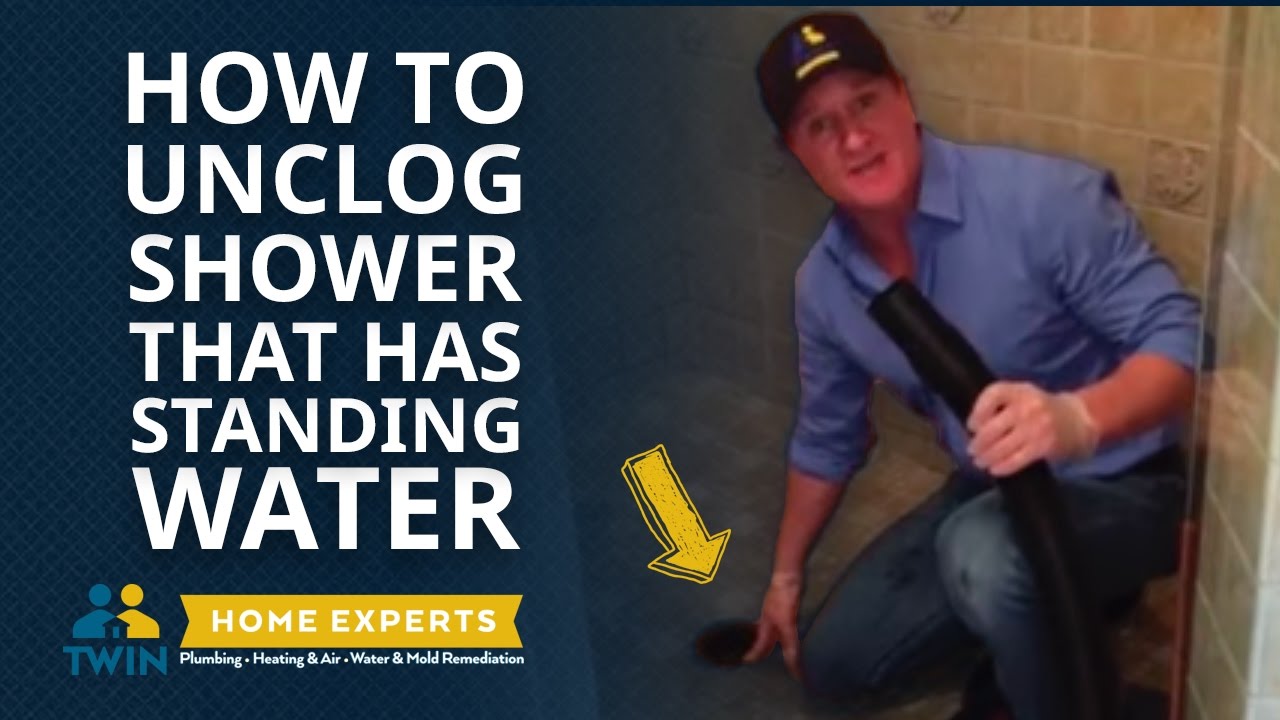
- Set the vacuum to “wet” mode and empty the canister first.
- Place the hose over the drain opening, creating a tight seal (use a wet rag if needed).
- Turn the vacuum on for 30 seconds.
- Check the canister for debris.
- Repeat as needed.
This works well for loose debris, but is less effective for deep or solid clogs.
Natural Drain Cleaners: Baking Soda And Vinegar
If you prefer a chemical-free method, try baking soda and vinegar. This combination creates a fizzing reaction that can break up minor clogs and deodorize.
How To Do It:
- Pour 1 cup of baking soda into the drain.
- Add 2 cups of white vinegar.
- Let the mixture fizz for 15-30 minutes.
- Flush with a kettle of boiling water.
This is a good option for slow drains or light buildup, but it won’t work on solid or deep clogs.
Credit: www.youtube.com
Enzyme Drain Cleaners
Enzyme drain cleaners use natural bacteria or enzymes to eat away organic matter, like hair and soap scum. They are slower than chemical cleaners but safer for pipes and the environment.
- Pour as directed (usually at night, so the enzymes have time to work).
- Wait 8-12 hours before flushing with water.
These are great for preventive maintenance or mild clogs but not for emergencies.
Chemical Drain Cleaners: When And How To Use
Most experts recommend avoiding harsh chemical drain cleaners (like lye or acid-based products) because they can damage pipes, especially older metal or PVC pipes. However, if other methods fail and you need a quick fix, use them with caution.
- Always follow label instructions.
- Wear gloves and eye protection.
- Ventilate the area.
- Never mix different chemicals.
If the drain is still blocked after one treatment, don’t pour more in—call a professional.
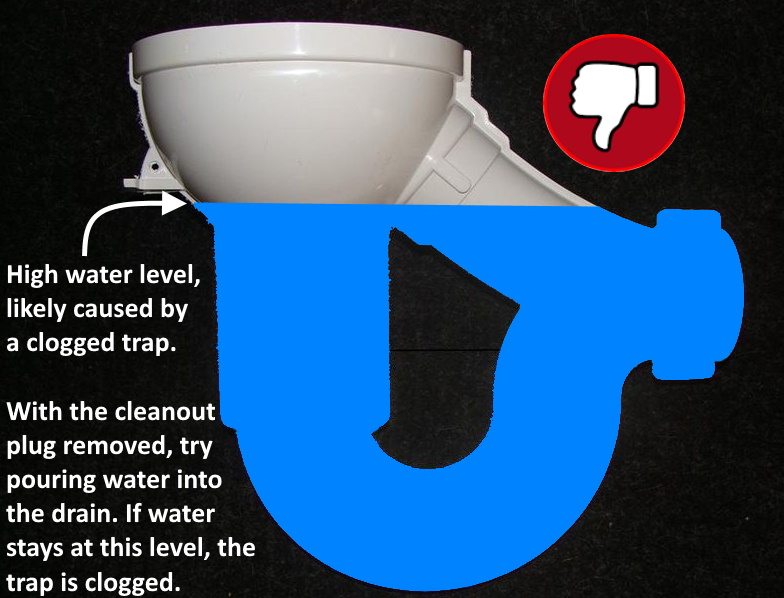
Advanced Step: Checking And Cleaning The Trap
Some floor drains have a trap (U-shaped pipe) that can collect debris. If you’re comfortable with basic plumbing, you can remove and clean it.
- Place a bucket under the trap to catch water.
- Use a pipe wrench to loosen the slip nuts.
- Remove the trap and clean out debris.
- Reassemble, making sure all connections are tight.
If you’re unsure, it’s better to leave this to a plumber.
Comparing Unclogging Methods: Effectiveness, Cost, And Difficulty
Here’s a quick comparison of the most common methods:
| Method | Effectiveness | Cost | Skill Level |
|---|---|---|---|
| Plunger | Good for light/medium clogs | Low ($5-$15) | Beginner |
| Drain Snake | Good for deeper clogs | Moderate ($20-$40) | Intermediate |
| Shop Vacuum | Great for loose debris | High ($60+) | Intermediate |
| Baking Soda & Vinegar | For mild buildup only | Very Low ($3-$5) | Beginner |
| Enzyme Cleaner | Slow, best for prevention | Moderate ($10-$20) | Beginner |
| Chemical Cleaner | Quick, but risky | Low ($5-$10) | Beginner |
Credit: structuretech.com
Preventing Future Floor Drain Clogs
Unclogging is just part of the job. To keep your floor drains clear, follow these simple preventive steps.
- Install a drain screen or strainer. This catches hair, lint, and large debris. Clean it weekly.
- Pour hot water down the drain monthly. This melts grease and loosens buildup.
- Use an enzyme cleaner once a month to keep organic buildup from forming.
- Sweep or vacuum floors regularly. Less dirt means fewer clogs.
- Don’t pour grease, oil, or paint down the drain.
- Keep an eye on tree roots if your home is older or has large trees nearby.
- Repair leaks or cracks in pipes quickly.
Being proactive saves time, money, and headaches later.
When To Call A Professional Plumber
Sometimes, a clog is too tough for home solutions. Don’t waste time or risk damage if you notice:
- Multiple drains in your home are clogged or backing up
- Water is rising quickly or sewage is present
- You hear gurgling sounds in pipes
- The clog returns after repeated attempts to clear it
- You see signs of broken or collapsed pipes (wet spots, mold, or foundation cracks)
A licensed plumber has special tools and experience to handle these issues. For very serious blockages (like tree roots or broken pipes), you may need a camera inspection or pipe replacement.
Real-world Example: Basement Laundry Drain
Imagine this: You notice water pooling around your basement laundry drain after running the washing machine. You remove the cover and see lint, but the drain is still slow after cleaning the top. You use a plunger, but nothing changes. Next, you try a hand auger and feel resistance two feet down. After a few turns, you pull out a wad of lint and hair. Suddenly, the water drains away.
This shows that sometimes you need to use more than one method—and that deeper clogs are not always visible.
Common Mistakes To Avoid
Many people make the same errors when trying to unclog a floor drain with standing water. Here’s what to watch out for:
- Using too much force with a plunger or snake (can damage pipes)
- Pouring chemicals repeatedly (dangerous and can worsen the problem)
- Ignoring slow drains until a full clog forms
- Skipping safety gear (gloves, goggles)
- Forgetting to clean up standing water, leading to mold
Stay patient and methodical, and you’ll have better results.
What To Do If The Problem Returns
If your floor drain clogs again soon after you clear it, there may be a bigger issue, such as:
- A partial clog further down the line
- Tree roots in main pipes
- A damaged or collapsed pipe
At this point, a video inspection by a plumber can find the root cause. Recurring clogs are a sign that DIY methods may not be enough.
Quick Reference: Step-by-step Process
Here’s a summary for easy recall:
- Assess the situation for safety and urgency.
- Remove standing water.
- Take off the drain cover and inspect.
- Try a plunger.
- Use a drain snake or hand auger.
- Try a wet/dry shop vacuum.
- Use baking soda and vinegar or enzyme cleaner for mild clogs.
- Use chemical cleaners as a last resort.
- Reassemble and flush the drain.
- Prevent future clogs with regular maintenance.
Cost Comparison: Diy Vs. Professional Help
What’s the difference between fixing a clogged floor drain yourself and calling a pro? Here’s a practical comparison:
| Solution | Estimated Cost | Time Required | Success Rate |
|---|---|---|---|
| DIY Plunger/Snake | $5–$50 | 30–90 minutes | 70–80% (for minor clogs) |
| Professional Plumber | $150–$400 | 1–2 hours | Near 100% |
DIY is effective for most light-to-medium clogs, but don’t hesitate to call a plumber for tough or recurring issues.
Key Insights Beginners Miss
Many beginners think all clogs are the same. In reality, floor drains often connect to main sewer lines, so a clog here can affect your whole home. Another common oversight: water can leak under floors if you let standing water sit too long. Always act quickly, even if the clog seems minor.
Also, most people overlook the importance of regular drain maintenance. A simple monthly routine can prevent 90% of future clogs.

Credit: www.wikihow.com
Useful Resources
If you want to learn more about home plumbing, there are many free guides and videos online. For reliable information on drain cleaning and pipe maintenance, check out the Family Handyman website.
Frequently Asked Questions
What Causes Standing Water In My Floor Drain?
Standing water in a floor drain is usually caused by a clog of hair, debris, lint, or grease blocking the pipe. Sometimes, it can be a sign of a deeper problem like tree roots in the main line or a broken pipe.
Is It Safe To Use Chemical Drain Cleaners?
Chemical drain cleaners can clear some clogs, but they may damage pipes over time, especially if used often. Always follow safety instructions and use as a last resort. For old homes or PVC pipes, enzyme-based cleaners are safer.
How Can I Prevent My Floor Drain From Clogging Again?
Install a drain strainer, clean the cover regularly, pour hot water down the drain monthly, and avoid pouring grease or large debris into the drain. Regular use of enzyme cleaners can also help.
When Should I Call A Plumber?
Call a plumber if multiple drains are clogged, you see sewage or water rising quickly, hear gurgling noises, or the clog returns after DIY attempts. These are signs of a serious blockage or pipe damage.
Can I Use A Regular Plunger On A Floor Drain?
Yes, a cup-shaped plunger works best on floor drains. Avoid using a toilet plunger (flange type), as it won’t seal properly.
Dealing with a floor drain clog can be messy and stressful, but with the right steps, you can solve most problems yourself. Remember: act quickly, use the right tools, and don’t hesitate to seek help if the clog is stubborn or returns. Your home—and your peace of mind—will thank you.