
If you’ve ever browsed the cookware aisle or read a recipe blog, you’ve probably heard about cast iron pans. But there’s a detail that often confuses both beginners and even some experienced cooks: the difference between seasoned and unseasoned cast iron. At first glance, they look similar—heavy, dark, and solid. Yet, there’s a world of difference between these two types when it comes to cooking results, maintenance, and even flavor. Understanding these differences can help you make a better choice for your kitchen, save you time, and prevent common cooking mistakes.
Let’s break down everything you need to know about seasoned vs unseasoned cast iron. You’ll learn what seasoning really means, how it affects your food, which type fits your lifestyle, and some tips that even many home cooks miss. By the end, you’ll have the confidence to pick, use, and care for cast iron like a pro.
What Is Cast Iron?
Cast iron is a type of cookware made by pouring molten iron into molds. This method makes pans, skillets, Dutch ovens, and more. The result is a very strong and heavy piece of metal with excellent heat retention. Cast iron can get extremely hot and holds that heat, so it’s perfect for searing, frying, baking, and even slow cooking.
But raw cast iron has a problem: iron reacts with water and air, which makes it rust easily. That’s why seasoning exists.
What Does ‘seasoning’ Mean?
Seasoning, in the world of cast iron, is not about adding salt or spices. It’s a special layer on the surface of the pan. This layer is made by heating oil or fat on the pan until it turns into a hard, black, shiny surface. The process is called polymerization.
This seasoning does three important things:
- Prevents rust – The oil layer keeps water and air from touching the iron.
- Creates a non-stick surface – Food releases more easily from a seasoned pan.
- Adds flavor over time – The more you cook, the more seasoning builds up, improving taste.
Seasoned Cast Iron: Features And Benefits
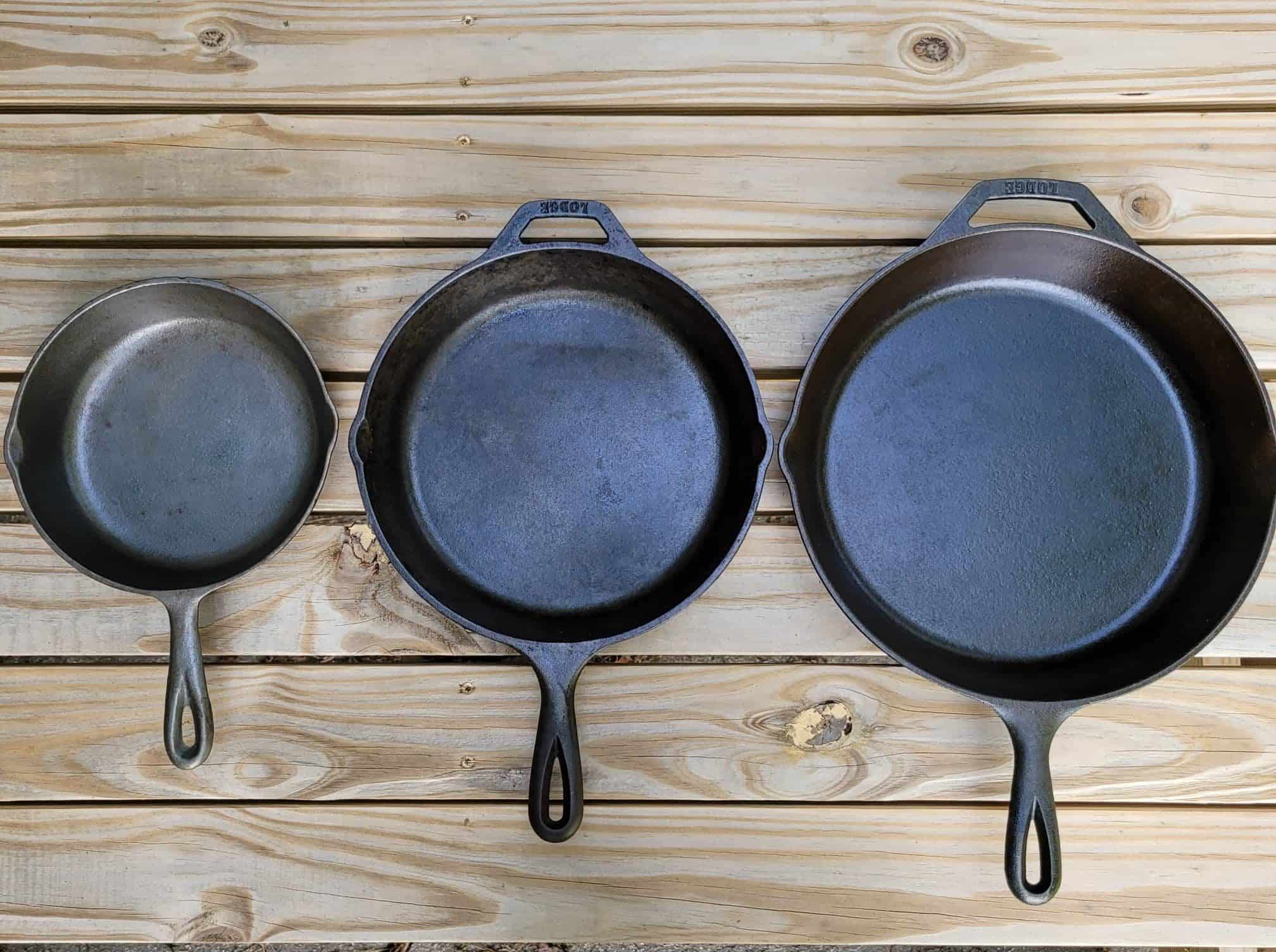
A seasoned cast iron pan is ready to use right out of the box. Most brands today, like Lodge and Victoria, sell their pans already seasoned.
Key Benefits
- Non-stick ability: While not as slick as Teflon, a well-seasoned pan lets eggs, pancakes, and meats release easily.
- Rust protection: The seasoning layer acts as a shield, making the pan less likely to rust.
- Better flavor: Over time, tiny bits of fat and oil add to the seasoning, giving your food a unique taste.
- Easier cleaning: Food doesn’t stick as much, so you can wipe the pan clean with a brush or cloth.
What Does ‘pre-seasoned’ Mean?
Many new pans are labeled “pre-seasoned. ” This means the factory has already applied a layer or two of seasoning. You can start cooking after a quick rinse and dry. However, some cooks add another seasoning layer at home for extra protection.
Example: Cooking With Seasoned Cast Iron
If you fry a steak in a well-seasoned skillet, the surface browns the meat evenly, and you get a beautiful crust. Cleanup is simple—just a wipe, maybe some hot water, and a quick dry.
Unseasoned Cast Iron: Features And Drawbacks
Unseasoned cast iron is bare metal. It looks gray, sometimes rough, and needs preparation before use.
Key Drawbacks
- Prone to rust: Without seasoning, water and air hit the iron, causing rust quickly—even overnight.
- Sticky surface: Food clings to the bare metal, making cooking and cleaning difficult.
- No flavor layer: You miss out on the taste benefits that come from layers of seasoning.
- Extra work required: You must season the pan yourself before first use.
Why Is Unseasoned Cast Iron Still Sold?
Some traditionalists or professional chefs prefer to season a new pan themselves. They believe this gives better control over the coating and flavor. Unseasoned pans can also be cheaper, but the savings often aren’t worth the extra effort for beginners.
Example: Using Unseasoned Cast Iron
If you crack an egg into an unseasoned skillet, it will likely stick hard, break apart, and leave a mess. It may also develop rust spots if you leave it wet for a short time.
Credit: campfiresandcastiron.com
Seasoning Process Explained
If you buy an unseasoned pan, you need to season it before cooking. Here’s how it works:
Basic Steps
- Wash and dry the pan thoroughly to remove factory residue.
- Apply a thin layer of oil (vegetable oil, flaxseed oil, or shortening) to all surfaces.
- Bake the pan upside down in an oven at 400-450°F (200-230°C) for an hour. Place foil below to catch drips.
- Let it cool in the oven.
- Repeat 2-3 times for a stronger seasoning layer.
Tips For Better Seasoning
- Use a neutral oil with a high smoke point.
- Don’t use too much oil—a thin layer is key to a smooth finish.
- The more you use your pan, the better the seasoning will become.
Main Differences: Seasoned Vs Unseasoned Cast Iron
Let’s look at a side-by-side comparison to make the differences even clearer.
| Feature | Seasoned Cast Iron | Unseasoned Cast Iron |
|---|---|---|
| Ready to Use | Yes | No |
| Non-stick Surface | Develops with use | None |
| Rust Protection | Yes | No |
| Maintenance Required | Low (just keep dry and oiled) | High (must season before use, then keep up) |
| Flavor Improvement | Yes, builds over time | No |
| Price | Usually a bit higher | Sometimes cheaper |
How To Identify If Your Cast Iron Is Seasoned
It’s easy to check if a cast iron pan is seasoned:
- Color: Seasoned pans are black or very dark brown. Unseasoned pans are gray or silver.
- Feel: Seasoned pans are smooth and slightly shiny. Unseasoned pans are rougher and dull.
- Water test: Drop a little water on the pan. If it beads and sizzles, it’s seasoned. If it soaks in, it’s not.
Cooking Experience: Seasoned Vs Unseasoned
Cooking with seasoned cast iron is a pleasure, especially as the seasoning improves. Here’s what you might notice:
Seasoned Cast Iron
- Eggs, pancakes, and fish slide off more easily.
- Steaks and burgers get a perfect sear.
- Cornbread and baked goods develop a crispy, golden crust.
- Cleaning is fast—often just a wipe with a paper towel.
Unseasoned Cast Iron
- Eggs and delicate foods stick badly and break apart.
- Meats can tear or leave bits behind.
- Baking might leave a metallic taste.
- Cleaning is much harder and usually needs scrubbing.

Credit: www.youtube.com
Maintenance: Seasoned Vs Unseasoned
Both types need care, but the steps are different.
Seasoned Cast Iron Maintenance
- After each use: Wipe out food bits, rinse with hot water (avoid soap if possible), dry well, and rub a little oil on the surface.
- If food sticks: Use a brush or coarse salt to scrub gently.
- If rust appears: Scrub off the rust and re-season.
Unseasoned Cast Iron Maintenance
- Before first use: Must fully season it.
- After each use: Clean, dry, and oil, but watch for rust.
- If rust appears: You may need to strip and start seasoning over.
Quick Reference: Maintenance Steps
| Task | Seasoned Cast Iron | Unseasoned Cast Iron |
|---|---|---|
| Wash After Use | Hot water, little or no soap | Same, but be extra gentle |
| Drying | Thoroughly, may heat on stove | Same |
| Oiling | Light coat after cleaning | Must oil every time |
| Re-seasoning | Rarely needed | Often needed |
Common Mistakes With Cast Iron
Even experienced cooks make mistakes with cast iron. Here are a few to avoid:
- Soaking in water: Water can damage both types, but especially unseasoned pans. Always dry immediately.
- Using too much soap: Soap can strip away seasoning, especially if it’s not fully developed.
- Cooking acidic foods too soon: Tomatoes, vinegar, or wine can eat away at the seasoning, especially in new pans.
- Not drying the pan fully: This is the quickest way to cause rust.
- Stacking pans without protection: The rough surface can scratch and remove seasoning. Place a towel between pans.
When To Choose Seasoned Vs Unseasoned Cast Iron
Which is better for you? It depends on your cooking style, experience, and patience.
Choose Seasoned Cast Iron If:
- You want to start cooking right away.
- You’re new to cast iron.
- You want less maintenance.
- You cook sticky or delicate foods often.
Choose Unseasoned Cast Iron If:
- You enjoy DIY and want to customize your seasoning.
- You want to save a few dollars.
- You plan to use the pan mainly for high-heat searing or grilling.
- You have experience with cast iron care.
Real-world Example
Many home cooks regret starting with unseasoned pans because the first few uses are often disappointing—sticky, rusty, and hard to clean. With a seasoned pan, you get results right away and build confidence.
The Science Of Seasoning: What’s Happening On The Surface?
When you heat oil on cast iron, the molecules change. The process, called polymerization, turns the oil into a plastic-like layer. This layer bonds with the iron. Each time you cook with oil or fat, you add a new microscopic layer, making the surface smoother and more non-stick.
A well-seasoned pan can last for generations. Some families pass down their pans, and the seasoning holds both memories and flavor.
Health And Safety: Is Cast Iron Safe?
Some people worry about iron leaching into food. The truth is, a small amount of iron does get into your food, especially with acidic dishes or new pans. For most people, this is safe—and can even be helpful if you’re low on iron.
If you have hemochromatosis (too much iron), check with your doctor.
Seasoned pans leach less iron than unseasoned pans. And unlike some nonstick coatings, cast iron doesn’t contain chemicals like PTFE or PFOA.
Myths About Cast Iron
Let’s clear up a few common myths:
- Myth: You can’t use soap on cast iron. Truth: A little mild soap won’t hurt a well-seasoned pan. Just don’t soak or scrub too hard.
- Myth: Cast iron heats evenly. Truth: Cast iron holds heat well, but it takes time to heat up and can have hot spots if not preheated.
- Myth: Seasoning lasts forever. Truth: Seasoning can wear off, but it’s easy to fix by reapplying oil and heating.
Environmental Impact: Seasoned Vs Unseasoned
Cast iron is one of the most eco-friendly cookware options. Both seasoned and unseasoned types can last 50+ years, reducing the need for replacement. Many old pans are restored and reused, keeping them out of landfills. Because seasoning uses simple oils, there are no harmful chemicals to worry about.
Cost Comparison: Is Seasoned Worth The Extra Money?
While seasoned cast iron usually costs a bit more, the difference is often small—maybe $10 to $20. The time and effort you save are worth it, especially if you’re not used to seasoning pans. And because seasoned pans last longer with less maintenance, you’ll likely save money in the long run.
Brands That Offer Seasoned And Unseasoned Cast Iron
Some brands focus on seasoned cast iron (Lodge, Victoria), while others offer both options (Camp Chef, Smithey Ironware). If you want an unseasoned pan to do it yourself, check the label carefully—most modern pans are pre-seasoned.
For more on cast iron brands and their seasoning processes, see this Wikipedia cast iron cookware guide.
How Seasoned Cast Iron Changes Over Time
As you cook, your seasoned cast iron changes:
- The surface gets smoother.
- Food sticks less.
- The color darkens.
- The seasoning gets stronger.
- Old “hot spots” even out as new layers build up.
If your pan loses seasoning (for example, after cooking something acidic), just clean, dry, and re-season it. Many cooks find their pans get better every year.
Advanced Seasoning Tips
Many beginners miss these important tricks:
- Multiple thin layers beat one thick layer. Thin coats of oil create a smoother finish.
- Baking upside down in the oven prevents sticky spots.
- Use your pan often. The best seasoning comes from frequent use, especially frying or roasting with oil.
Comparing Cast Iron To Other Cookware
How Does Cast Iron Stack Up Against Other Options?
| Cookware Type | Non-Stick Ability | Durability | Maintenance | Price Range |
|---|---|---|---|---|
| Cast Iron (Seasoned) | Good, improves with use | Very High | Moderate | Low to Medium |
| Cast Iron (Unseasoned) | Poor until seasoned | Very High | High | Low |
| Stainless Steel | Medium | High | Low | Medium to High |
| Nonstick (Teflon) | Excellent | Low to Medium | Low | Low to Medium |
| Ceramic | Good at first | Medium | Low to Moderate | Medium |

Credit: x.com
Why Cast Iron Is Still Popular
Cast iron has been used for over 2,000 years. It’s popular because:
- It’s nearly indestructible.
- It cooks evenly and holds heat.
- It’s chemical-free.
- It improves with age.
- It’s affordable.
Many chefs swear by seasoned cast iron for the flavor and texture it brings to food.
Frequently Asked Questions
Why Does My Seasoned Cast Iron Still Stick?
New seasoning layers can be patchy or too thin. Try adding a few more thin layers of oil and baking. Also, preheat the pan before adding food and use enough cooking fat.
How Often Should I Re-season My Cast Iron Pan?
If food starts sticking or the surface looks dull, re-season it. For most people, this is once or twice a year, but frequent use with oils can keep it seasoned longer.
Is It Safe To Cook Acidic Foods In Cast Iron?
You can cook acidic foods in well-seasoned cast iron for short periods. However, with new or thin seasoning, acids can strip the layer and make food taste metallic. Use enameled cast iron for lots of tomato sauces or vinegar-based dishes.
Can I Use Metal Utensils With Cast Iron?
Yes, metal spatulas and spoons are fine on seasoned cast iron. They may scratch a little, but this rarely damages a good seasoning layer. Avoid scraping too hard on thin or new seasoning.
Is There A Difference In Taste Between Seasoned And Unseasoned Cast Iron?
Yes. Seasoned cast iron can add a subtle, rich flavor to foods, especially after years of use. Unseasoned cast iron can give food a metallic taste until a good seasoning builds up.
Choosing between seasoned and unseasoned cast iron can shape your cooking for years to come. For most people, seasoned cast iron offers the best mix of ease, performance, and flavor. But if you love tradition and don’t mind the work, starting with an unseasoned pan can be rewarding too. Whatever you choose, caring for your cast iron is simple—cook often, keep it dry, and enjoy the unique benefits only cast iron can provide.