
Is Pan Frying Healthy?
Pan frying is a cooking method that turns simple food into something flavorful and satisfying. The sizzle, golden crust, and aroma are hard to resist. But as we pay more attention to nutrition, many people wonder: Is pan frying healthy? This question is important, especially for those who want to enjoy tasty meals without risking their health.
The answer is not a simple yes or no. Like many things in nutrition, it depends. The type of oil, the food, the temperature, and your personal health goals all play a role. Some believe pan frying is unhealthy because it uses oil, while others say it’s fine in moderation.
To really understand, we need to look at science, compare pan frying to other methods, and explore practical tips.
This article dives deep into pan frying and health. You’ll learn how pan frying works, what makes it healthy or not, how to make better choices, and common mistakes to avoid. We’ll compare pan frying to baking, deep frying, and grilling.
You’ll also find facts, tables, and expert advice to help you cook smarter. By the end, you’ll know exactly how pan frying fits into a balanced diet—and how to enjoy it without guilt.
What Is Pan Frying?
Pan frying means cooking food in a small amount of oil in a shallow pan, usually on a stovetop. The food is often cut into pieces or thin slices for even cooking. The oil helps transfer heat and creates a crisp, browned surface.
Key features of pan frying:
- Uses less oil than deep frying
- Cooks food quickly at medium-high heat
- Creates a crispy or golden exterior
- Works well for vegetables, chicken, fish, eggs, and more
Unlike deep frying, where food is submerged in oil, pan frying uses just enough oil to cover the bottom of the pan. This makes it different from sautéing (which uses even less oil and higher heat) and shallow frying (which uses more oil and is closer to deep frying).
How Does Pan Frying Affect Food?
Pan frying changes the taste, texture, and nutrition of food. When you fry, the oil gets hot (usually 320–400°F / 160–200°C). This high temperature causes reactions that add flavor and color.
The Maillard Reaction
One reason pan fried food tastes so good is the Maillard reaction. This is a chemical reaction between proteins and sugars that happens at high heat. It creates the brown color and rich, savory taste in fried and roasted foods.
Oil Absorption
Pan fried food soaks up some oil during cooking. How much oil is absorbed depends on:
- The type of food (battered or breaded foods absorb more)
- The temperature of the oil (hotter oil leads to less absorption)
- Cooking time (longer time means more oil taken in)
Most pan fried foods absorb less oil than deep fried ones, but more than baked or grilled foods.
Nutrient Changes
Cooking in oil can change the nutrient content of food. Some vitamins (like vitamin C and some B vitamins) are sensitive to heat and may be lost. But pan frying can also make fat-soluble vitamins (A, D, E, and K) more available, especially in vegetables.
Health Benefits Of Pan Frying
Pan frying has some surprising health advantages if done right.
1. Retains Nutrients
Quick cooking at high heat helps preserve some nutrients, especially compared to boiling or stewing, where vitamins can leach into water.
2. Promotes Satiety
The small amount of oil adds flavor and helps you feel full. Healthy fats can slow digestion and keep you satisfied longer.
3. Preserves Texture And Taste
Pan frying keeps food crisp and appealing. This can help you eat more vegetables or lean proteins if you enjoy the way they taste.
4. Control Over Ingredients
Cooking at home means you choose the oil, seasoning, and how much fat goes into your food.
5. Versatility
Works for many foods—vegetables, chicken, fish, tofu, eggs, and more. You can make healthy dishes with the right choices.
Potential Health Risks Of Pan Frying
Even though pan frying can be healthy, there are risks if you don’t pay attention to the details.
1. Extra Calories And Fat
Oil is high in calories—one tablespoon of vegetable oil has about 120 calories. Pan frying can quickly add fat and calories, especially with breaded or starchy foods.
2. Unhealthy Oils
Some oils have lots of saturated fat or unhealthy trans fats. These can raise cholesterol and increase heart disease risk.
3. Formation Of Harmful Compounds
When oil gets too hot, it can form unhealthy substances like acrylamide (in starchy foods) or advanced glycation end products (AGEs), which are linked to inflammation and disease.
4. Oxidation Of Oil
Reheating or using oil past its smoke point can cause oxidation, creating compounds that are bad for your arteries and cells.
5. Digestive Issues
Some people find fried foods harder to digest, especially if the food is greasy or oily.
Comparing Pan Frying To Other Cooking Methods
How does pan frying stack up against other ways of cooking? Here’s a comparison.
| Method | Oil Used | Texture | Health Impact |
|---|---|---|---|
| Pan Frying | Small amount | Crispy outside, moist inside | Moderate calories, depends on oil |
| Baking | Little or none | Dryer, less crisp | Lower fat, fewer calories |
| Deep Frying | Fully submerged | Very crispy | High fat, more calories |
| Grilling | Usually none | Charred, smoky flavor | Low fat, can form HCAs/PAHs |
| Steaming | None | Soft, moist | Very healthy, preserves nutrients |
Key insight:
Pan frying uses more oil than baking or steaming, but less than deep frying. The health impact depends on the oil and the food.
Choosing The Healthiest Oil For Pan Frying
The type of oil you use changes everything. Some oils are better for high heat and have healthier fats.
Best Oils For Pan Frying
- Extra virgin olive oil: Rich in monounsaturated fats, antioxidants, and has a moderate smoke point (375°F / 190°C).
- Avocado oil: Very high smoke point (520°F / 270°C), lots of healthy fats.
- Canola oil: Neutral flavor, high in omega-3s, smoke point (400°F / 205°C).
- Peanut oil: Great for high heat, smoke point (450°F / 230°C).
Oils To Use Less Often
- Butter: Tasty, but high in saturated fat and a lower smoke point.
- Coconut oil: Popular, but high in saturated fat.
- Vegetable shortening/margarine: May contain trans fats, less healthy.
Oils To Avoid
- Partially hydrogenated oils: High in trans fat, bad for the heart.
- Repeatedly used oils: Reused oil can develop harmful compounds.
Non-obvious tip:
Always check the oil’s smoke point. If you heat oil past this point, it smokes, tastes bad, and creates unhealthy chemicals.
Oil Comparison Chart
Here’s a look at popular pan frying oils:
| Oil | Smoke Point (°F) | Main Fat Type | Best For |
|---|---|---|---|
| Olive (extra virgin) | 375 | Monounsaturated | Vegetables, fish, eggs |
| Avocado | 520 | Monounsaturated | All-purpose, high heat |
| Canola | 400 | Monounsaturated | General cooking |
| Peanut | 450 | Monounsaturated | Stir-fry, Asian foods |
| Butter | 350 | Saturated | Flavor, low-heat dishes |
How To Pan Fry In A Healthier Way
Pan frying can be part of a balanced diet if you use smart techniques. Here’s how to make pan frying healthier:
1. Use Less Oil
Measure oil with a spoon instead of pouring straight from the bottle. Use just enough to coat the pan.
2. Choose The Right Pan
Nonstick pans need less oil. Cast iron holds heat well and gives a good crust.
3. Preheat The Pan
Add food only after the pan and oil are hot. This reduces oil absorption and gives a crispier finish.
4. Dry Your Food
Pat food dry before frying. Wet food causes oil to splatter and may not brown well.
5. Avoid Heavy Breading
Breading soaks up oil. Try a light dusting of flour or skip breading for vegetables and lean proteins.
6. Drain Excess Oil
After cooking, set food on a paper towel to soak up extra oil.
7. Don’t Reuse Oil
Used oil can break down and form unhealthy chemicals. Use fresh oil each time.
8. Watch Your Portions
Fried food is calorie-dense. Serve with lots of vegetables or whole grains to balance your meal.
9. Cook At Proper Temperature
Keep oil hot but not smoking. Medium-high heat (350–375°F) is usually best.
10. Try Oven Finishing
For thicker foods, start pan frying, then finish in the oven. This uses less oil and ensures even cooking.
Expert insight:
Many home cooks use too much oil without realizing. For most dishes, one tablespoon is enough for a family-size pan.
Common Mistakes When Pan Frying
Even skilled cooks make errors that make pan frying less healthy. Avoid these:
1. Using The Wrong Oil
Not all oils are safe at high heat. Some can break down and taste bad.
2. Cooking At Low Temperature
If the oil isn’t hot enough, food absorbs more and gets greasy.
3. Overcrowding The Pan
Too much food lowers the temperature, leading to soggy, oily results.
4. Not Draining Food
Skipping the paper towel step means more fat stays on your meal.
5. Reusing Oil
Used oil is full of broken-down fats and particles. Always use fresh oil.
6. Not Measuring Oil
Pouring without measuring can double or triple calories.
Non-obvious tip:
Even “healthy” oils like olive or avocado oil are high in calories. Measure carefully.
Pan Frying And Weight Loss
Many people worry that pan frying leads to weight gain. The truth is, it depends on the food, oil, and how often you fry.
Pan Frying Vs. Other Methods For Weight Loss
- Baking and steaming are lower in calories, but pan frying with little oil can fit a calorie-controlled diet.
- If you’re trying to lose weight, focus on the amount of oil and what you’re frying. Lean proteins (chicken breast, fish, tofu) and vegetables are better than breaded or starchy foods.
How To Make Pan Frying Weight-loss Friendly
- Use a spray bottle to mist oil, reducing calories.
- Pan fry vegetables and lean meats.
- Avoid breaded or battered foods.
- Pair with a salad or whole grains to make your meal more filling.
Pro tip:
If you crave something crispy, try pan frying in a nonstick pan with just a teaspoon of oil. You’ll get flavor and crunch with fewer calories.
Is Pan Frying Safe For Heart Health?
Heart health is a top concern. The good news: pan frying can be heart-healthy with the right approach.
What Makes Pan Frying Heart Friendly?
- Use oils rich in monounsaturated and polyunsaturated fats (olive, canola, avocado).
- Avoid saturated fat-rich oils and butters.
- Fry fish, chicken, or vegetables instead of red meat.
What To Avoid For Heart Health
- Don’t pan fry heavily processed foods.
- Limit fried foods to a few times per week if you have high cholesterol.
Fact:
A 2021 study found that people who used olive oil for frying had a lower risk of heart disease compared to those who used animal fats or reused oils.
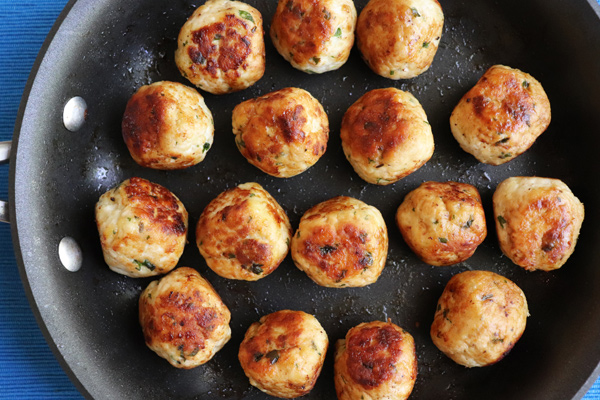
Credit: www.jennycancook.com
Pan Frying For People With Diabetes
People with diabetes need to watch both fat and carbs. Pan frying can work if you follow a few rules:
- Skip breaded foods (they spike blood sugar).
- Choose healthy oils.
- Fry non-starchy vegetables (zucchini, eggplant, peppers).
- Pair pan fried food with a fiber-rich side.
Pro insight:
Frying vegetables in olive oil can help the body absorb more antioxidants, which may help protect against disease.
Pan Frying And Cancer Risk
Some worry that frying increases cancer risk. Here’s what research says:
- Frying starchy foods (like potatoes) at high heat can form acrylamide, a possible carcinogen.
- Overheated oil can make harmful compounds.
- Using fresh oil, not burning food, and eating a variety of foods reduces risk.
Practical tip:
Don’t fry food until it’s very dark or burnt. Golden brown is best.
Pan Frying Vegetables: Healthy Or Not?
Pan frying vegetables with a bit of healthy oil can actually boost nutrition. Some vitamins (A, D, E, K) are fat-soluble, meaning your body absorbs them better with oil.
Best Vegetables For Pan Frying
- Bell peppers
- Zucchini
- Mushrooms
- Green beans
- Eggplant
- Broccoli florets
How To Pan Fry Vegetables For Best Results
- Cut into even pieces for even cooking.
- Use medium-high heat for crisp-tender texture.
- Add herbs and spices instead of extra salt.
- Finish with a squeeze of lemon for flavor.
Science fact:
A study showed that frying vegetables in olive oil increases the amount of antioxidants compared to boiling them.
How Often Should You Pan Fry?
Pan frying is fine in moderation. Most health experts suggest:
- 2–3 times per week is reasonable if you use healthy oils and don’t overdo breading.
- Balance with steamed, baked, or grilled foods for variety.
If you have heart disease or are trying to lose weight, limit pan fried foods more strictly.
Simple rule:
If pan fried food is a treat, not the main part of every meal, it can fit a healthy lifestyle.
Practical Examples: Healthy Pan Fried Dishes
Here are a few ideas for healthy meals using pan frying:
1. Pan Fried Salmon
Season salmon fillets, pan fry with a teaspoon of olive oil, and serve with steamed broccoli and quinoa.
2. Stir Fried Vegetables
Use a nonstick pan, a spray of avocado oil, and lots of fresh vegetables—add tofu or shrimp for protein.
3. Eggs And Greens
Sauté spinach and cherry tomatoes in olive oil, add eggs, and cook until set.
4. Chicken Breast Cutlets
Lightly flour thin chicken slices, pan fry in canola oil, and top with fresh herbs.
5. Pan Fried Tofu
Press tofu to remove water, slice, fry in peanut oil, and toss with soy sauce and green onions.
Tip:
Even for classic comfort foods, you can use less oil and still get great taste.
Pan Frying Vs. Air Frying
With air fryers becoming popular, many ask: Is air frying healthier than pan frying?
Key differences:
- Air fryers use hot air and little or no oil.
- Pan frying uses direct contact with oil and higher fat.
Result:
Air frying is generally lower in calories and fat. But you can still make pan frying healthy by using a small amount of good oil and not overcooking.
| Pan Frying | Air Frying |
|---|---|
| Uses more oil | Uses little to no oil |
| Traditional texture and flavor | Similar crispiness, less fat |
| Higher calories if not careful | Lower calories, easier cleanup |
Insight:
Pan frying gives a unique flavor and is easier for quick meals. If you’re managing calories, air frying is a good alternative.

Credit: www.amazon.com
Scientific Research On Pan Frying And Health
Research on frying and health is ongoing. Here are a few highlights:
- A 2020 review in the journal Nutrients found that using olive oil for frying does not increase heart disease risk when part of a Mediterranean diet.
- Studies show that frying in fresh, unsaturated oils (like olive or canola) is much safer than frying in animal fats or reused oil.
- Eating pan fried vegetables can increase your intake of some antioxidants and fat-soluble vitamins.
For more scientific detail, see this research review.
What most people miss:
The way you fry (oil type, temperature, and food) matters more than the method itself. Home pan frying with healthy oil is not the same as eating fried fast food.
Who Should Limit Pan Fried Foods?
Some people should be extra careful with pan fried foods:
- Those with heart disease: Limit saturated fat and choose oils wisely.
- People with gallbladder issues: High fat meals may trigger symptoms.
- Anyone trying to lose weight: Watch portion size and frequency.
- People with digestive problems: Fried foods can cause discomfort.
If you fall into these groups, talk to a doctor or nutritionist for personalized advice.
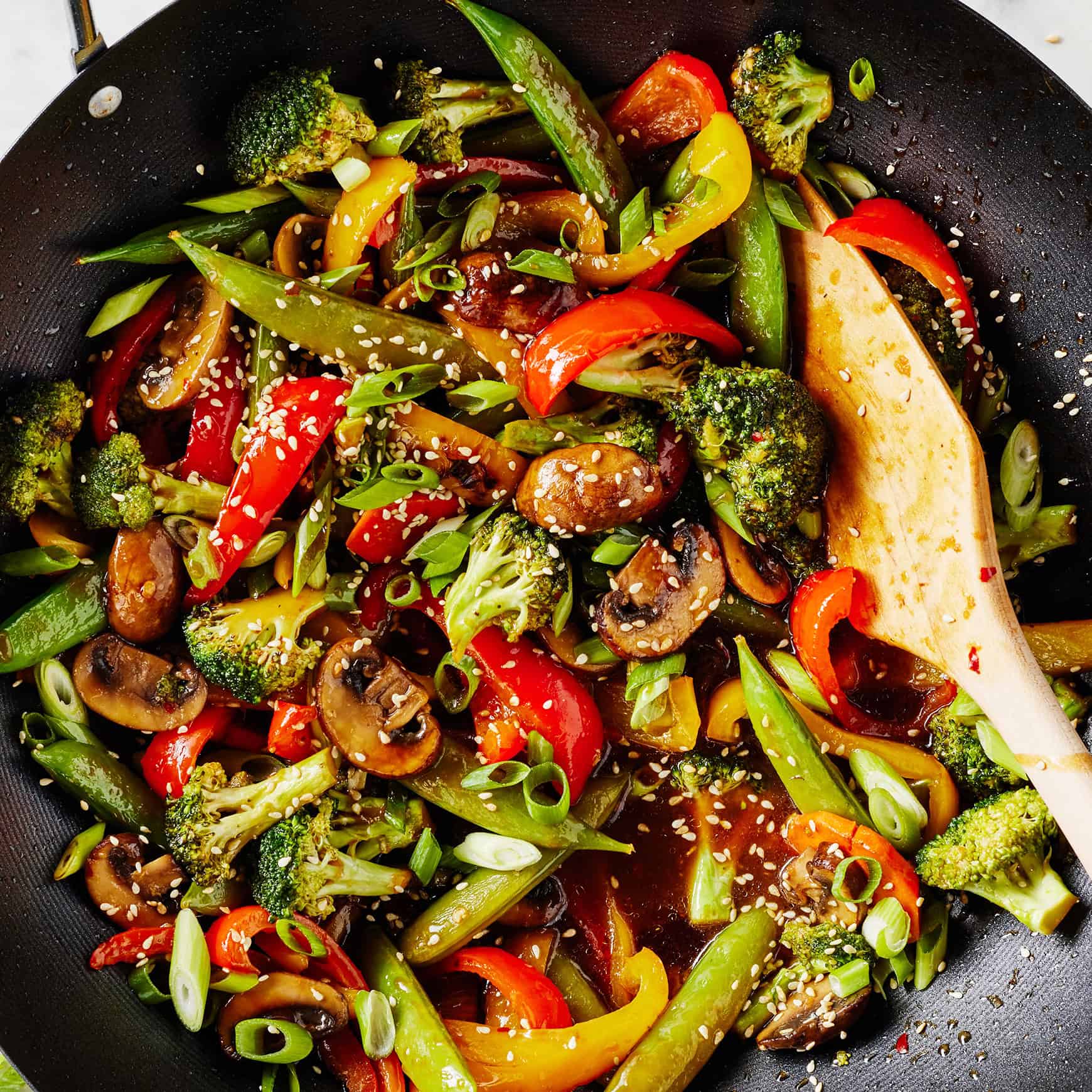
Credit: www.loveandlemons.com
Final Thoughts: Is Pan Frying Healthy?
Pan frying is not all good or all bad. It depends on how, what, and how often you fry. Using a small amount of healthy oil, frying lean proteins and vegetables, and avoiding heavy breading makes pan frying a sensible choice for most people.
It’s easy to turn pan frying unhealthy by using lots of oil, frying processed or breaded foods, or eating fried meals too often. But if you use smart techniques and balance your meals, pan frying can fit into a healthy diet.
Enjoy the flavor and texture, but remember that variety and moderation are key.
Frequently Asked Questions
Is Pan Frying Healthier Than Deep Frying?
Yes, pan frying uses much less oil than deep frying. This means fewer calories and less fat are absorbed by the food. Pan frying also lets you control the oil and ingredients, making it a better choice for health.
What Is The Healthiest Oil For Pan Frying?
Extra virgin olive oil and avocado oil are both great choices. They have healthy fats and good smoke points. Canola oil is also a good, budget-friendly option. Always use fresh oil and avoid overheating.
Can I Lose Weight If I Pan Fry My Food?
Yes, you can lose weight if you use a small amount of healthy oil, avoid breaded foods, and watch your portion sizes. Pair pan fried foods with lots of vegetables and whole grains for best results.
Does Pan Frying Destroy Nutrients?
Pan frying can lower some heat-sensitive nutrients, like vitamin C. But it also helps your body absorb fat-soluble vitamins (A, D, E, K) in vegetables. Quick frying at the right temperature keeps more nutrients than boiling.
How Often Is It Safe To Eat Pan Fried Food?
Most experts say 2–3 times per week is fine for healthy adults, if you use good oil and healthy ingredients. Balance your meals with other cooking methods and lots of plant-based foods.
Pan frying can be a delicious and healthy part of your kitchen routine. Make smart choices, enjoy your meals, and remember—how you cook matters as much as what you cook.