
Washing baby shoes can feel like a small task, but for many parents, it’s a challenge full of questions. Baby shoes get dirty quickly from crawling, walking, and outdoor play. Mud, food, milk, and even playground sand end up stuck in every part.
But washing them the wrong way can damage the fabric, cause shrinking, or ruin cute designs. If you want to keep your little one’s shoes fresh, safe, and looking new, you need to know the right cleaning methods. In this guide, you’ll learn everything about how to wash baby shoes, from different types of shoes to cleaning routines, drying tips, and even how to handle tough stains.
By the end, you’ll feel confident every time those tiny shoes need a good clean.
Why Washing Baby Shoes Matters
Most parents focus on washing baby clothes, but baby shoes are often overlooked. However, they come in contact with the ground, dust, bacteria, and spills every day. Clean shoes help protect your baby’s sensitive skin from rashes and infections. Dirty shoes can also make your whole house less clean, especially if your baby crawls indoors. Regular washing makes shoes last longer and keeps them smelling fresh.
Babies often put shoes in their mouths or touch them and then touch their faces. This is why hygiene is so important. Clean shoes reduce the risk of germs spreading. Plus, clean shoes are softer and more comfortable for babies’ little feet.
Understanding Baby Shoe Materials
Before you start washing, it’s important to know what the shoes are made of. Different materials need different cleaning methods. Using the wrong method can damage shoes permanently.
Here’s a quick look at the most common types:
| Material | Common Examples | Cleaning Method |
|---|---|---|
| Fabric/Cotton | Soft crib shoes, canvas sneakers | Hand or machine wash |
| Leather | Dress shoes, moccasins | Wipe with damp cloth, mild soap |
| Suede | Booties, fashion shoes | Brush gently, avoid water |
| Rubber/Plastic | Rain boots, sandals | Soapy water, rinse well |
| Mesh/Synthetics | Sport shoes, running shoes | Hand or gentle machine wash |
Some shoes are a mix of materials. Always check the care label first. If you’re unsure, stick to hand washing, which is usually the safest.
How Often Should You Wash Baby Shoes?
There’s no single answer for how often to wash baby shoes. It depends on how often your child wears them, the weather, and the activity. For everyday shoes, a light cleaning once a week is usually enough. If shoes get muddy or stained, clean them right away. Special shoes (like for weddings) can be cleaned as needed.
For babies who are crawling, wash shoes more often—every 3-5 days is a good habit. Remember, babies can’t tell you if their shoes are uncomfortable or dirty, so check them regularly.
Preparing Shoes For Washing
Taking time to prepare shoes before washing helps avoid mistakes. Here’s what to do:
- Remove the laces and insoles if possible. Wash these separately.
- Shake out sand or dirt by tapping the shoes together outside.
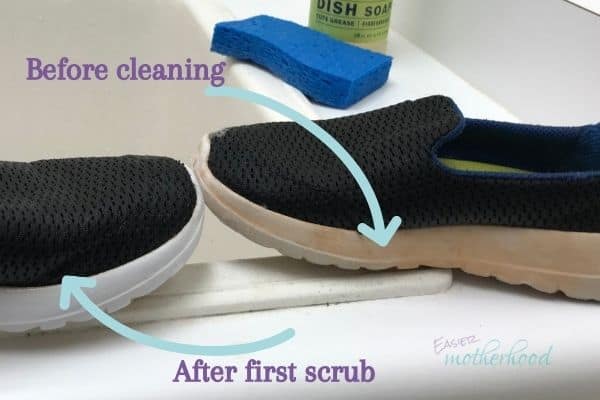
- Brush off loose dirt with a soft brush or old toothbrush. This prevents dirt from sinking deeper during washing.
- Check for stains and treat them before washing (more on this later).
- Close any Velcro straps so they don’t catch or fray.
A good prep routine makes washing easier and protects delicate parts like decorations or stitching.
Credit: thedefaultcook.com
Hand Washing Baby Shoes
Hand washing is gentle and works for almost all baby shoes. Here’s a simple step-by-step process:
- Fill a small basin with warm (not hot) water.
- Add a few drops of mild baby detergent or gentle soap.
- Dip a soft cloth or toothbrush into the soapy water.
- Scrub the shoes gently, focusing on dirty areas. Don’t soak shoes unless they’re fully fabric.
- For stubborn spots, make a paste of baking soda and water. Rub gently.
- Rinse shoes with clean water using another cloth.
- Squeeze out extra water carefully; don’t twist or wring.
- Let shoes air dry (see drying tips below).
Hand washing is best for leather, suede, and decorated shoes. It also gives you more control, so you can avoid damage.
Machine Washing Baby Shoes
Some fabric or synthetic baby shoes can go in the washing machine. But not all! Always check the care label. Here’s how to do it safely:
- Remove laces and insoles.
- Place shoes in a mesh laundry bag to protect them.
- Wash with a few towels to balance the load and reduce banging.
- Use a gentle cycle with cold water.
- Add a small amount of baby-safe detergent.
- Never use bleach or harsh chemicals.
- After washing, reshape the shoes and let them air dry.
Machine washing is quick, but it can shorten the life of shoes if done too often. Only use it when shoes are very dirty or made for machine washing.
Cleaning Specific Types Of Baby Shoes
Each type of baby shoe needs special care. Here’s how to handle the most common ones:
Fabric Or Canvas Shoes
These are the easiest to clean. Hand or machine wash with gentle detergent. Scrub the soles with a brush. Air dry in a well-ventilated place. Avoid hot dryers—they can shrink shoes.
Leather Shoes
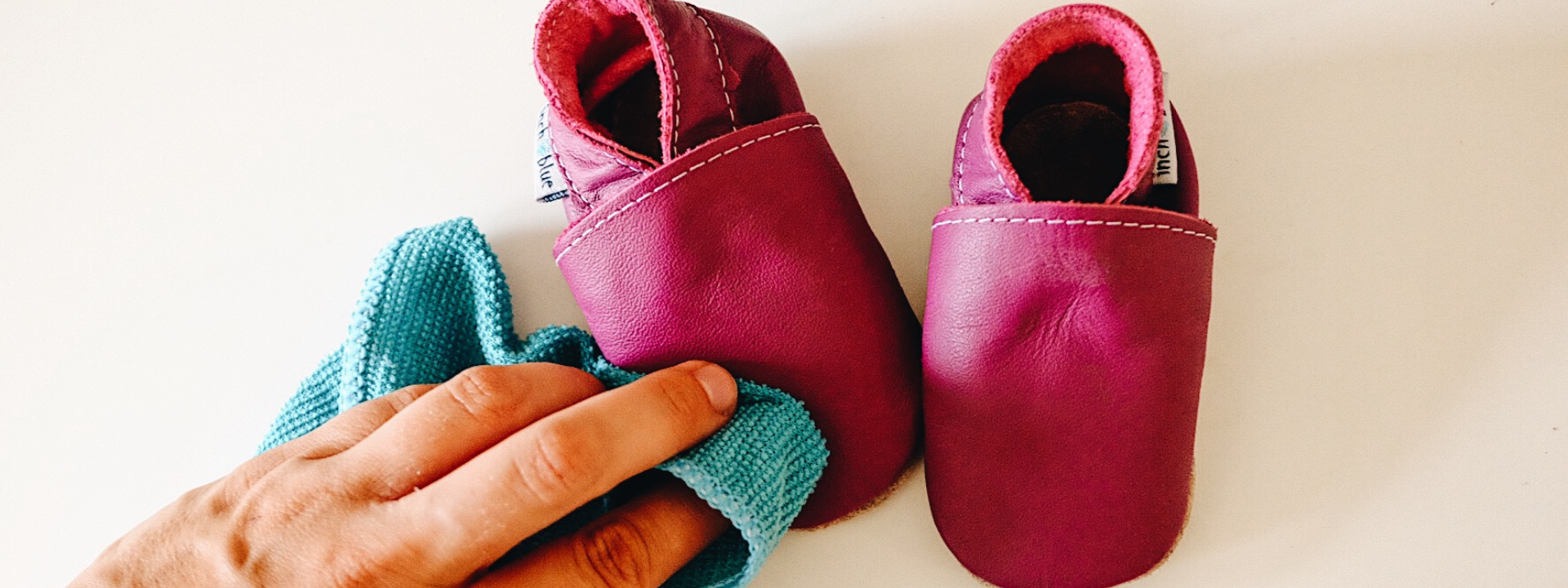
Wipe the outside with a damp cloth and mild soap. Never soak leather. For stubborn dirt, use a leather cleaner. Dry with a towel and let air dry away from direct sunlight. Apply a small amount of baby-safe leather conditioner to keep the material soft.
Suede Shoes
Use a suede brush to remove dirt. Never use water—it causes stains. For tough spots, try a suede eraser. If shoes get wet, stuff with paper to keep their shape and let them air dry.
Rubber Or Plastic Shoes
Wash with warm soapy water. Scrub with a brush if needed. Rinse well and dry with a towel. Make sure no water is trapped inside. These shoes can be sanitized by wiping with a mild vinegar solution.
Mesh Or Synthetic Shoes
Hand wash or use the gentle machine cycle. Mesh can snag easily, so always use a laundry bag. Air dry only; heat can warp or melt the material.
Stain Removal Tips
Stains on baby shoes are common—from food, mud, grass, and more. Here’s how to handle them:
- Act fast. The sooner you treat a stain, the better the result.
- Use a baby-safe stain remover or mild detergent. Test on a hidden spot first.
- For greasy stains, sprinkle cornstarch or baby powder to soak up oil before washing.
- Mud: Let it dry, then brush off before washing.
- Food or milk: Blot with a damp cloth, then clean with soapy water.
- Grass: Rub with a bit of white vinegar and rinse well.
Never use harsh chemicals or bleach—they can damage materials and irritate baby’s skin.
Drying Baby Shoes Properly
Drying is just as important as washing. Wet shoes can shrink, lose shape, or smell bad if not dried correctly.
- Air dry only. Avoid dryers, which can ruin most baby shoes.
- Place shoes in a well-ventilated spot, away from direct sunlight.
- Stuff shoes with paper towels or clean cloths to help them keep their shape and dry faster.
- For leather or suede, use only a little paper and change it often.
- Open up shoes fully—loosen laces or undo straps.
- Never place shoes on a radiator or heater.
If shoes are still damp after 24 hours, replace the stuffing and move them to a different spot.
How To Wash Baby Shoe Accessories
Many baby shoes have laces, insoles, or Velcro straps. These need special attention:
Laces
- Hand wash with warm soapy water.
- Rinse well and let air dry.
- For white laces, soak in a bit of water with baking soda for extra brightness.
Insoles
- If removable, hand wash gently.
- Do not soak foam insoles; wipe with a damp cloth.
- Dry flat, never in direct sunlight.
Velcro Straps
- Close straps before washing.
- Use a toothbrush to remove lint from the Velcro.
- If Velcro loses stickiness, clean with a pin or tweezers to pull out trapped fibers.
These small steps help shoes last longer and stay comfortable.
How To Wash Baby Shoes With Decorations
Many baby shoes have cute bows, beads, glitter, or embroidery. These decorations are delicate and need gentle care.
- Never scrub hard or use rough brushes on decorations.
- For bows or glued items, hand wash only and avoid soaking.
- Dab dirty spots with a soft cloth and mild soap.
- For glitter, avoid direct water; wipe gently instead.
- Embroidery can be cleaned with a damp cotton swab.
If decorations start to come loose, fix them with fabric glue before the next wash.
Keeping Baby Shoes Odor-free
Baby shoes can get smelly, especially after a lot of play. Here’s how to keep them fresh:
- Sprinkle a little baking soda inside after each wash; shake out before wearing.
- Let shoes air out between wears. Don’t store them in closed boxes.
- For strong odors, put dry tea bags or a small piece of charcoal inside overnight.
- Wash socks often—clean socks mean less odor in shoes.
Avoid using air fresheners or strong sprays, which can irritate your baby’s skin.
Sanitizing Baby Shoes
Sometimes shoes need a deeper clean, especially after illness or heavy use. Safe ways to sanitize include:
- Wipe the inside with a cloth dipped in diluted white vinegar (mix 1 part vinegar, 3 parts water).
- Let shoes dry completely before wearing again.
- For rubber shoes, a quick dip in soapy water with a few drops of vinegar is enough.
- Do not use bleach or strong disinfectants.
Sanitizing is important if your baby wears shoes to daycare or public play areas.
Quick Reference: Washing Methods By Shoe Type
Here’s a summary to help you choose the right cleaning method for each type of shoe:
| Shoe Type | Best Washing Method | Drying Method |
|---|---|---|
| Fabric/Canvas | Hand/Machine wash | Air dry, stuff with paper |
| Leather | Wipe clean, no soaking | Air dry, no sun |
| Suede | Brush only | Air dry, stuff with paper |
| Rubber/Plastic | Soapy water | Towel dry, then air dry |
| Mesh/Synthetics | Hand wash or gentle machine | Air dry only |
Credit: www.inchblue.com
Common Mistakes To Avoid
Even experienced parents can make mistakes when washing baby shoes. Here are some to watch out for:
- Using hot water. This can shrink shoes or loosen glue.
- Washing too often. Overwashing wears out shoes quickly.
- Skipping the prep step. Not brushing off dirt first makes stains worse.
- Ignoring care labels. These contain the best advice for each shoe.
- Drying with heat. Heaters and dryers can ruin shoes.
- Using harsh chemicals. Baby shoes need gentle products only.
- Washing all shoes the same way. Each material needs its own method.
Taking time to avoid these mistakes keeps shoes safe and long-lasting.
Eco-friendly Tips For Washing Baby Shoes
Caring for baby shoes can be done in a way that’s gentle on the planet. Here’s how:
- Use eco-friendly detergents free from dyes and perfumes.
- Wash only when needed, not after every use.
- Air dry to save energy.
- Reuse soft toothbrushes as shoe cleaning tools.
- Donate outgrown, gently worn shoes to charities.
These simple steps help reduce waste and save money.
When To Replace Baby Shoes
No matter how well you wash, all shoes wear out. Here’s when to get a new pair:
- Soles are worn down or have holes.
- Shoes are too tight or leave marks on your baby’s feet.
- Decorations or parts won’t stay on after repair.
- Shoes lose their shape and can’t be cleaned well anymore.
- Foul odors won’t go away, even after cleaning.
Babies grow fast, so check the fit every month. A good rule: if your baby resists wearing shoes or seems uncomfortable, it may be time for new ones.
Special Considerations For Different Ages
Washing routines can change as your baby grows.
Newborns (0-6 Months)
Shoes are mostly soft booties or socks. Wash more often since babies chew and suck on them. Always use the gentlest detergents.
Crawlers (6-12 Months)
Shoes get dirtier from the floor. Wash weekly and check for fit often.
Early Walkers (12-24 Months)
Shoes take more wear. Clean them as soon as they’re dirty. Inspect soles and seams regularly.
Toddlers (2+ Years)
Shoes get muddy, sandy, and wet. Teach kids to take shoes off at the door. Wash as needed, focusing on stain removal and odor control.
Credit: www.livieandluca.com
Professional Cleaning Services: Are They Necessary?
Most baby shoes can be cleaned at home. But for expensive leather or delicate designs, you may want a professional cleaner. Ask if they use baby-safe products. For most families, home washing is enough, but for special occasions, professional cleaning can help.
Storing Baby Shoes After Washing
Clean, dry shoes should be stored properly to stay fresh:
- Make sure shoes are completely dry before storing.
- Place in a well-ventilated area, not a closed box or bag.
- Store with silica gel packets to absorb moisture.
- For outgrown shoes you want to keep, wrap in acid-free paper and store in a cool, dry place.
Avoid plastic bags, which can trap moisture and cause odors or mold.
Making Shoe Cleaning Fun
Involving your child in shoe cleaning can be a fun activity:
- Let toddlers help wipe shoes with a cloth.
- Sing a song or play a game while cleaning.
- Let them choose their favorite shoes to clean.
This teaches good habits early and makes cleaning less of a chore.
Non-obvious Insights For Better Results
Many parents forget these two important tips:
- Rotate shoes. Letting shoes rest between wears keeps them dry and fresh.
- Check for loose parts before washing. Even small decorations can become a choking hazard if they come off unnoticed.
Also, using a UV shoe sanitizer (available online) can help kill bacteria without chemicals, but it’s not essential for most families.
Safety Reminders When Washing Baby Shoes
- Always rinse shoes thoroughly to remove soap.
- Avoid scented products that could irritate baby’s skin.
- Check shoes for sharp or loose parts after washing.
- Never use chlorine bleach on baby shoes.
Keeping safety in mind ensures shoes are both clean and healthy for your child.
Where To Learn More
For more detailed information on shoe materials and cleaning, the Verywell Family Guide offers expert tips and advice.
Frequently Asked Questions
How Do I Know If Baby Shoes Are Machine Washable?
Check the care label inside the shoe. If the label says “machine washable,” it’s safe. If there’s no label, look for clues: fabric or mesh shoes are usually safe, but leather, suede, and decorated shoes are not.
Can I Use Bleach To Clean Baby Shoes?
No, avoid bleach. It’s too harsh for baby shoes and can irritate your child’s skin. Use mild baby detergent or natural cleaners like baking soda or white vinegar instead.
What Should I Do If Baby Shoes Smell Bad After Washing?
Let them dry completely, then sprinkle baking soda inside and leave overnight. Shake out before wearing. If odor stays, check for hidden damp spots or replace the shoes.
How Can I Dry Baby Shoes Faster?
Remove laces and insoles, stuff shoes with paper towels, and place near a fan in a well-ventilated room. Never use direct heat, which can damage shoes.
Is It Safe To Wash Baby Shoes With Other Laundry?
Only if shoes are in a mesh laundry bag and made of fabric or mesh. Don’t wash with delicate clothes, and avoid mixing with adult shoes.
Caring for baby shoes doesn’t have to be hard. With these tips, you’ll keep your child’s shoes fresh, clean, and ready for every step of their journey. Clean shoes mean happy feet and a healthy baby!