
Keeping your engineered hardwood floors looking beautiful is not as hard as you might think. Many people worry about scratching, dullness, or water damage, but with the right care, these floors can last for decades and keep their shine. If you’ve just installed engineered hardwood or moved into a home with these floors, you may be asking: “How do I clean them without causing damage?” This guide covers everything you need to know—what to do daily, weekly, and occasionally, plus what to avoid and how to handle tough problems. You’ll also learn non-obvious tips that even experienced homeowners often miss.
Let’s get your engineered hardwood floors clean, shiny, and protected for years to come.
What Are Engineered Hardwood Floors?
Before you start cleaning, it helps to know what makes engineered hardwood floors different from solid wood or laminate.
Engineered hardwood is made from a real wood top layer (called the veneer) attached to several layers of plywood or fiberboard underneath. This design gives it strength and stability, which means it handles changes in humidity better than solid hardwood.
The top layer is real wood, so it looks and feels like traditional hardwood. But the layers below make it less likely to warp.
Because the surface is real wood, cleaning rules are similar to hardwood, but the layered design means you need to avoid too much moisture. Understanding this difference will help you protect your floors.
Essential Tools And Supplies
You don’t need a closet full of cleaning products for engineered hardwood, but some tools work better than others. Here’s what you should have:
- Soft-bristle broom or dust mop – for daily dust and dirt.
- Vacuum cleaner with a hardwood setting – make sure it doesn’t have a beater bar, which can scratch.
- Microfiber mop – gentle and effective for picking up fine dust.
- Spray bottle – for misting cleaning solution.
- PH-neutral hardwood floor cleaner – avoid harsh chemicals.
- Clean, soft towels – for drying and spot cleaning.
- Felt pads – for placing under furniture legs to prevent scratches.
Avoid using steam mops, wax, or oil soaps unless the floor manufacturer says it’s okay. The right tools help you clean faster and keep your floor safe.
Daily Cleaning Routine
Most of the damage to engineered hardwood floors happens because of small particles: dust, sand, or pet hair. These can act like sandpaper, slowly scratching the surface as you walk.
To prevent this:
- Sweep with a soft-bristle broom or use a dust mop once a day in high-traffic areas.
- Vacuum once or twice a week, especially under furniture and along baseboards.
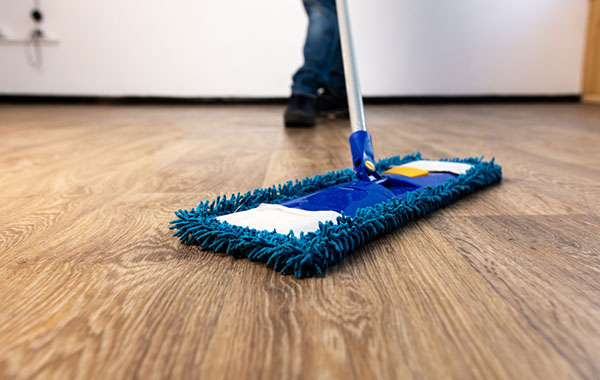
- Use a microfiber mop for a quick, dry wipe-down.
One non-obvious tip: Always check your vacuum wheels. If they’re worn or dirty, they can leave marks. Consider a stick vacuum made for hardwood floors.
Weekly And Deep Cleaning
Sweeping is good for daily dirt, but sometimes you need a deeper clean. Here’s how:
- Vacuum thoroughly – Pick up as much dust as possible.
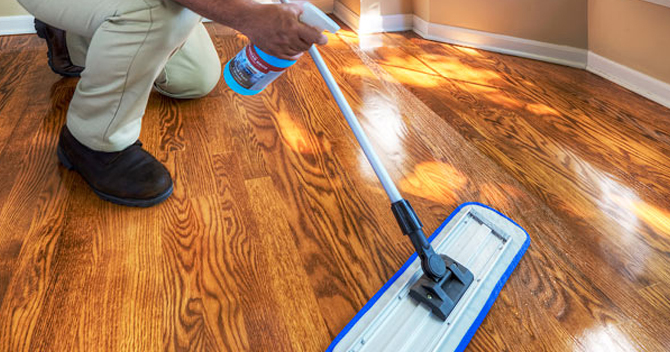
- Damp mop – Lightly mist a microfiber mop with your pH-neutral cleaner. Never soak the floor—just enough to lift dirt.
- Spot treat – For sticky spots (like spills or footprints), spray a little cleaner on the area and gently rub with a soft towel.
- Dry immediately – Use a dry towel to wipe any wet spots.
Do not use vinegar, ammonia, or homemade mixtures unless your floor manufacturer says it’s safe. These can strip the finish and dull the wood over time.
Deep Cleaning Frequency
You only need deep cleaning once a month or as needed, depending on your household activity. Pet owners or families with small children might need it more often.
Credit: twentyandoak.com
Comparing Cleaning Methods
It helps to see how different cleaning methods stack up for engineered hardwood floors:
| Cleaning Method | Effectiveness | Risk Level | Best For |
|---|---|---|---|
| Sweeping/Dust Mopping | High | Low | Daily dust and debris |
| Vacuuming (no beater bar) | High | Low | Regular clean-ups |
| Damp Mopping | Medium-High | Medium | Monthly deep cleaning |
| Steam Cleaning | High | High | Not recommended |
A key insight: Steam cleaning is often advertised as safe, but for engineered hardwood, it can force moisture into seams and cause swelling or delamination.
How To Remove Stains And Spills
Even with the best care, accidents happen. The way you handle spills and stains makes a big difference.
Immediate Action
- Blot, don’t wipe: Use a clean, dry towel to blot up spills as soon as they happen. Wiping can spread the liquid.
- Avoid letting moisture sit: Standing water is the enemy of engineered wood.
Handling Different Stains
- Food and drink: Dampen a towel with a little hardwood floor cleaner, blot the stain, then dry.
- Sticky spots (like gum or wax): Harden with an ice cube, then gently lift with a plastic scraper. Do not use metal tools.
- Grease or oil: Sprinkle a bit of baking soda, let it sit, then gently wipe with a damp cloth. Clean again with a small amount of floor cleaner.
If you have a stubborn stain, do not use abrasive pads or harsh chemicals. If unsure, test in a hidden spot first.
Credit: www.urbanfloor.com
How To Protect Your Engineered Hardwood Floors
Preventing damage is easier than fixing it. Here’s how you can keep your floors looking new:
- Use mats and rugs: Place them at entryways to catch dirt and grit.
- Felt pads: Stick these under chair and table legs.
- No high heels: Shoes with hard soles or spikes can dent wood.
- Trim pet nails: Pets can scratch the surface when they run or play.
- Control humidity: Keep indoor humidity between 35% and 55%. Too much or too little moisture can cause boards to swell or shrink.
- Move furniture carefully: Lift, don’t drag, heavy items.
A non-obvious insight: Rotate area rugs and furniture every few months. Sunlight can fade some areas, so moving rugs prevents uneven color.
How To Clean Engineered Hardwood Floors After Renovation
Renovation dust is one of the hardest things to remove. It’s fine, sticky, and can scratch if not handled carefully.
Step-by-step After-renovation Cleaning
- Remove loose debris with a broom or dust mop.
- Vacuum thoroughly, including corners and under baseboards.
- Use a slightly damp microfiber mop to lift dust. Change or rinse the mop head often.
- Repeat if necessary. It’s better to do several gentle passes than one aggressive clean.
- Check for sticky residue. Some renovation dust contains adhesives. Spot clean with a pH-neutral cleaner.
- Inspect for damage. Sometimes tools or ladders leave marks—treat these as soon as possible.
Never use a shop vac with a beater bar or stiff bristles. These can cause thousands of tiny scratches in minutes.
Choosing The Right Cleaner For Engineered Hardwood
Not all cleaning products are safe for engineered wood. Here’s what to look for:
- PH-neutral formula: Won’t strip the finish or dry out the wood.
- No wax or oil: These can leave a sticky film that attracts dirt.
- No ammonia or bleach: Too harsh for wood surfaces.
Popular Brands Comparison
Here’s a look at some common floor cleaners:
| Brand | pH Level | Residue-Free | Safe for Engineered Hardwood |
|---|---|---|---|
| Bona Hardwood Floor Cleaner | Neutral | Yes | Yes |
| Murphy Oil Soap | Mildly Acidic | No | No* |
| Bruce Hardwood Cleaner | Neutral | Yes | Yes |
| Vinegar/Water Mix | Acidic | Yes | No |
*Some manufacturers warn against using oil soaps, even if they look safe. Always check your floor’s care guide.
Tackling Common Problems
Scratches
For light scratches, use a wood floor repair marker that matches your floor color. For deeper scratches, you might need a touch-up kit or even a professional.
Dullness
If your floors look dull, it’s often because of residue buildup or using the wrong cleaner. Use a residue remover designed for wood floors (always check the label).
Squeaky Boards
This usually happens when the boards are too dry. Use a humidifier in winter, or try sprinkling a little talcum powder between boards and sweeping it in.
Gaps Or Cupping
This is usually caused by changes in humidity. Try to keep your home’s humidity stable. If boards are moving a lot, call a flooring professional.
Seasonal Cleaning And Care Tips
Different seasons can affect your engineered hardwood:
- Winter: Salt and ice-melt can leave white stains. Use mats at entryways and wipe up any residue quickly.
- Spring: More mud and pollen come in. Increase vacuuming and spot cleaning.
- Summer: Humidity can make boards swell. Run air conditioning or a dehumidifier.
- Fall: Leaves and grit can scratch. Sweep more often and check under mats.
A tip most people miss: Change your cleaning schedule with the season. This prevents buildup and damage from weather-related dirt.
Mistakes To Avoid
Many people use too much water, harsh cleaners, or the wrong tools. Here’s what to avoid:
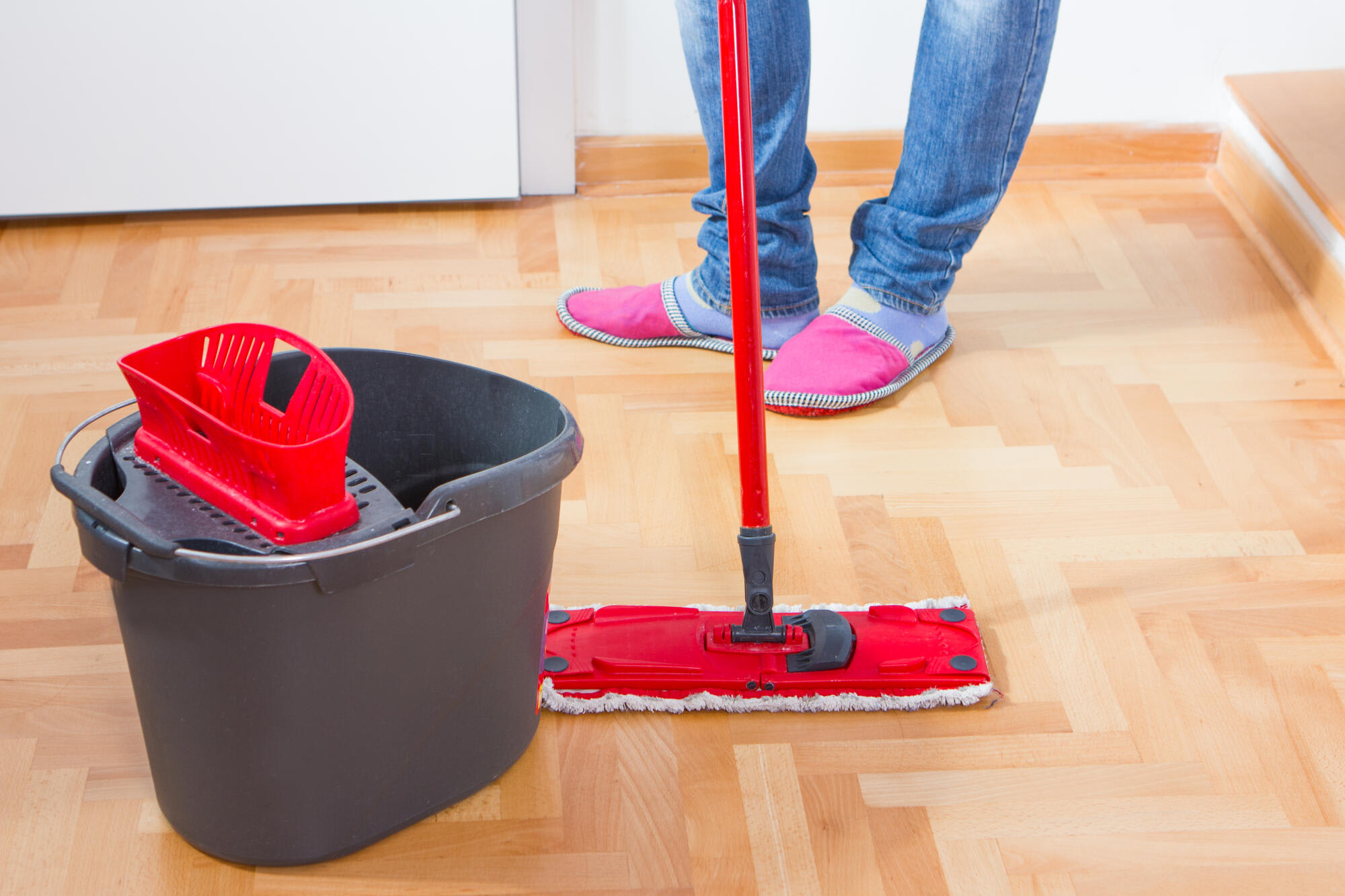
- Wet mops or steam mops: These force water into seams and cause swelling.
- Vinegar or ammonia: Can dull or damage the finish.
- Abrasive pads or scrubbers: Will scratch the surface.
- Wax, oil, or polish: Unless your manufacturer says it’s safe.
- Ignoring spills: Even a small water spill can cause staining or warping if left too long.
A common mistake is thinking “more cleaner means cleaner floor. ” In fact, using too much product can leave a sticky residue.
How To Restore Shine
If your engineered hardwood floors look cloudy or dull, here’s how to bring back their shine:
- Clean with a residue remover: Pick a product made for engineered hardwood.
- Buff with a dry microfiber cloth: After cleaning, buff the floor in small sections.
- Polish only if allowed: Some floors can handle a special hardwood floor polish, but always check your floor’s warranty.
Shiny floors come from regular, gentle cleaning—not from heavy scrubbing or waxing.
Pets And Engineered Hardwood
Pets add love and joy, but they can also bring scratches, hair, and accidents. Here’s how to handle pets and keep your floors safe:
- Trim nails regularly: This reduces scratches.
- Wipe paws: Keep a towel by the door to wipe muddy or wet paws.
- Clean accidents fast: Enzyme cleaners help remove odors and prevent staining.
- Use rugs: Place in areas where pets like to sleep or play.
A tip: Use light-colored floors if you have pets with dark hair (and vice versa). It hides hair between cleanings.
Engineered Hardwood Vs. Other Flooring: Care Differences
It’s easy to confuse care instructions for engineered hardwood with other floors. Here’s a quick comparison:
| Floor Type | Water Tolerance | Cleaner Type | Best Cleaning Tool |
|---|---|---|---|
| Engineered Hardwood | Low | pH-neutral only | Microfiber mop |
| Solid Hardwood | Low | pH-neutral only | Microfiber mop |
| Laminate | Very low | Laminate-specific | Dry mop/vacuum |
| Vinyl/Tile | High | Multi-purpose | Wet mop/vacuum |
Engineered hardwood is more water-resistant than solid wood, but not waterproof. Always use as little moisture as possible.
When To Call A Professional
Most cleaning can be done at home, but sometimes you need expert help:
- Deep scratches or gouges: May need sanding or refinishing.
- Water damage: Stains, swelling, or cupping require professional drying and repair.
- Persistent dullness: If residue won’t come off, pros have special products and machines.
Professional cleaning once every few years can extend the life of your engineered hardwood.
Credit: www.nationalfloorsdirect.com
Eco-friendly Cleaning Options
If you prefer green cleaning, there are safe options:
- Microfiber mops: Use just water or a tiny amount of pH-neutral cleaner.
- Plant-based cleaners: Look for brands with the EPA Safer Choice label.
- Avoid vinegar: Even though it’s natural, it can damage wood over time.
A non-obvious eco tip: Open windows after cleaning, not just for drying but to let any cleaner fumes escape.
Signs Your Floor Needs More Than Cleaning
Sometimes problems need more than just cleaning:
- Deep stains: Might need sanding or replacing boards.
- Peeling finish: The top layer may need re-coating.
- Creaks or movement: Could mean a problem with the subfloor.
If you see these signs, call a flooring expert to prevent bigger problems.
Frequently Asked Questions
How Often Should I Clean Engineered Hardwood Floors?
Daily sweeping or dust mopping is best for high-traffic areas. Vacuum or damp mop once a week, and deep clean monthly. Adjust based on pets, kids, and weather.
Can I Use Vinegar To Clean Engineered Hardwood Floors?
No. Vinegar is acidic and can dull the finish. Use only pH-neutral cleaners designed for engineered hardwood floors.
Is It Safe To Use A Steam Mop On Engineered Hardwood?
No, steam mops can force moisture into the layers and cause warping or delamination. Stick to a slightly damp microfiber mop for best results.
How Do I Remove Pet Stains From Engineered Hardwood?
Blot up as much as possible right away. Use an enzyme-based cleaner safe for wood floors, then dry the area completely. Avoid soaking the wood.
What’s The Best Way To Protect Engineered Hardwood In High-traffic Areas?
Use area rugs or runners at entrances, add felt pads under furniture, and sweep daily. This stops dirt and grit from scratching the surface.
Keeping your engineered hardwood floors in top shape doesn’t have to be stressful. With the right tools, gentle cleaners, and a few good habits, your floors will stay beautiful and durable for years. For more details on wood flooring care, check resources like the National Wood Flooring Association. Remember: clean regularly, avoid excess water, and enjoy the warmth and beauty of real wood under your feet.