
Low Water Pressure in the Kitchen Sink: Causes, Solutions, and Expert Guidance
Imagine turning on your kitchen faucet, expecting a strong stream of water, but all you get is a weak trickle. Low water pressure in the kitchen sink is a common problem that frustrates homeowners and renters alike. It slows down your cooking, cleaning, and makes daily life less convenient. Yet, many people don’t know what causes it, or how to fix it effectively.
While it may seem like a minor annoyance, low water pressure can sometimes signal bigger issues in your plumbing system. Addressing it early can save you time, money, and prevent further damage. This guide will help you understand why low water pressure happens, how to diagnose it, and what you can do to restore normal flow.
Whether you are a hands-on DIYer or someone who prefers to call a professional, you’ll find everything you need to tackle the problem with confidence.
Understanding Water Pressure
Water pressure is the force that pushes water through the pipes in your home. It’s measured in pounds per square inch (PSI). The ideal water pressure for most households is between 40 and 60 PSI. If pressure drops below 30 PSI, you’ll likely notice a weak flow, especially at the kitchen sink.
A sudden decrease or consistently low pressure at the kitchen sink often has specific causes. It’s important to understand the basics of your plumbing system to identify where things might be going wrong.
Common Causes Of Low Water Pressure In The Kitchen Sink
Understanding the source of the problem is the first step toward a solution. Here are the most common reasons for low water pressure in the kitchen sink:
1. Clogged Aerator
The aerator is the small screen at the tip of your faucet. It mixes air with water to create a smooth flow, but over time, minerals and debris can clog the tiny holes. This is one of the easiest fixes but also one of the most overlooked.
2. Blocked Cartridge
Inside many modern faucets is a cartridge that controls water flow and temperature. Mineral buildup or debris can block the cartridge, causing low pressure.
3. Shut-off Valve Not Fully Open
Under your sink, there are usually one or two shut-off valves. If one is partially closed, water won’t flow freely. Sometimes, these valves are accidentally bumped or not fully opened after repairs.
4. Supply Line Problems
The flexible supply lines that connect your faucet to the home’s plumbing can kink, clog, or corrode. Old or poorly installed supply lines often restrict water flow.
5. Clogged Pipes
Over years, pipes can develop internal buildup from minerals, rust, or debris, especially in older homes. This narrows the inside diameter and reduces pressure.
6. Faulty Pressure Regulator
Some homes have a pressure regulator to control water pressure. If it fails, it can cause pressure to drop throughout the house, often first noticed at the kitchen sink.
7. Municipal Water Supply Issues
Sometimes the problem isn’t inside your home at all. City water supply issues, such as repairs or main breaks, can lower pressure temporarily.
8. Hot Water Heater Problems
If you only notice low pressure when using hot water, your water heater may have sediment buildup or a partially closed valve.
9. Leaky Pipes
A leak somewhere in your plumbing system means less water reaches your sink. This problem can be hidden behind walls or under floors.
10. Water Softener Or Filter Issues
If your home has a water softener or a filter system, it can become clogged, restricting flow to the kitchen sink.
How To Diagnose The Cause
Before you can fix the problem, you need to identify the root cause. Here’s a step-by-step approach to diagnose low water pressure at your kitchen sink.
Step 1: Check Other Faucets
First, check if the problem is only at the kitchen sink or affects other fixtures. If only the kitchen sink is affected, the issue is likely local (aerator, supply line, or faucet). If pressure is low throughout the house, the problem is more likely with the main supply or pressure regulator.
Step 2: Test Hot And Cold Water
Turn on the hot and cold water separately. If only hot water is weak, the issue may be with the water heater or its supply line. If both are weak, focus on shared components like the aerator or main supply.
Step 3: Inspect The Aerator
Unscrew the aerator from the faucet. If the flow improves, the aerator is clogged. Clean it with vinegar and a brush, then reinstall.
Step 4: Examine Supply Lines
Look under the sink for kinks, leaks, or corrosion in the supply lines. Old, flexible hoses can collapse inside, blocking water flow.
Step 5: Check The Shut-off Valves
Make sure the shut-off valves under the sink are fully open. Sometimes, turning them back and forth can break up minor blockages.
Step 6: Look For Leaks
Inspect under the sink and in the basement or crawl space for signs of leaks. Wet spots, mold, or a musty smell can be clues.
Step 7: Consider The Plumbing Age
If your home is old, pipes may be corroded inside. Galvanized steel pipes are especially prone to this problem.
Step 8: Ask Your Neighbors
Sometimes a call to your water supplier or a quick chat with neighbors can reveal if it’s a municipal problem.
Solutions For Low Water Pressure
Once you know the cause, you can take the right steps to fix the problem. Here’s how to address each common cause:
Cleaning A Clogged Aerator
- Unscrew the aerator from the faucet tip.
- Rinse it under water to remove loose debris.
- Soak in white vinegar for 30 minutes to dissolve minerals.
- Scrub with an old toothbrush.
- Reattach and test water flow.
This fix takes just a few minutes and often restores normal pressure instantly.
Replacing Or Cleaning The Cartridge
- Turn off water supply under the sink.
- Remove the faucet handle (usually with a screw).
- Pull out the cartridge.
- Soak in vinegar or replace if damaged.
- Reassemble and turn on the water.
If you’re unsure, check your faucet brand’s manual or look up a YouTube tutorial for your specific model.
Opening The Shut-off Valves
Turn the valves under the sink counterclockwise until they stop. If they’re hard to turn, use a wrench gently.
Fixing Or Replacing Supply Lines
Old or kinked supply lines should be replaced. Flexible braided hoses are inexpensive and easy to install with basic tools.
Clearing Clogged Pipes
For minor clogs, you can try:
- Pouring a mixture of vinegar and baking soda down the drain.
- Using a plumbing snake to clear blockages.
- For severe buildup (like rust in old steel pipes), you may need to replace sections of pipe—a job best left to a plumber.
Adjusting Or Replacing Pressure Regulator
Locate the pressure regulator near your main water line. You may need a wrench to adjust it. If adjusting doesn’t help, replacement is best done by a professional.
Addressing Municipal Supply Issues
If the city is working on water lines, all you can do is wait. Temporary drops in pressure usually resolve within hours or days.
Flushing The Water Heater
Sediment buildup in the water heater restricts flow. Flushing the tank annually helps prevent this. Turn off the heater, attach a hose to the drain valve, and let water flow out until clear.
Repairing Leaks
Small leaks can sometimes be fixed with pipe tape or a clamp. Bigger leaks or hidden leaks require a plumber’s help.
Servicing Water Softeners And Filters
Change filters as recommended by the manufacturer. If the system is clogged, clean or service it according to the manual.
How To Prevent Future Low Pressure Problems
Prevention is easier and cheaper than repair. Here’s how you can keep your kitchen water pressure strong:
- Clean aerators every few months to prevent buildup.
- Flush water heaters annually to remove sediment.
- Replace filters in softeners or filtration systems on schedule.
- Inspect supply lines yearly for signs of wear or leaks.
- Use water softeners if you live in a hard water area to reduce mineral buildup.
- Schedule regular plumbing inspections for older homes.
These simple habits can keep your kitchen faucet flowing freely for years.
When To Call A Professional
Some problems are best left to a licensed plumber, especially if you:
- Suspect a major leak inside walls or under floors.
- Have old pipes that may need replacement.
- Can’t find the source of the low pressure after basic checks.
- Experience low pressure throughout the house, not just at the kitchen sink.
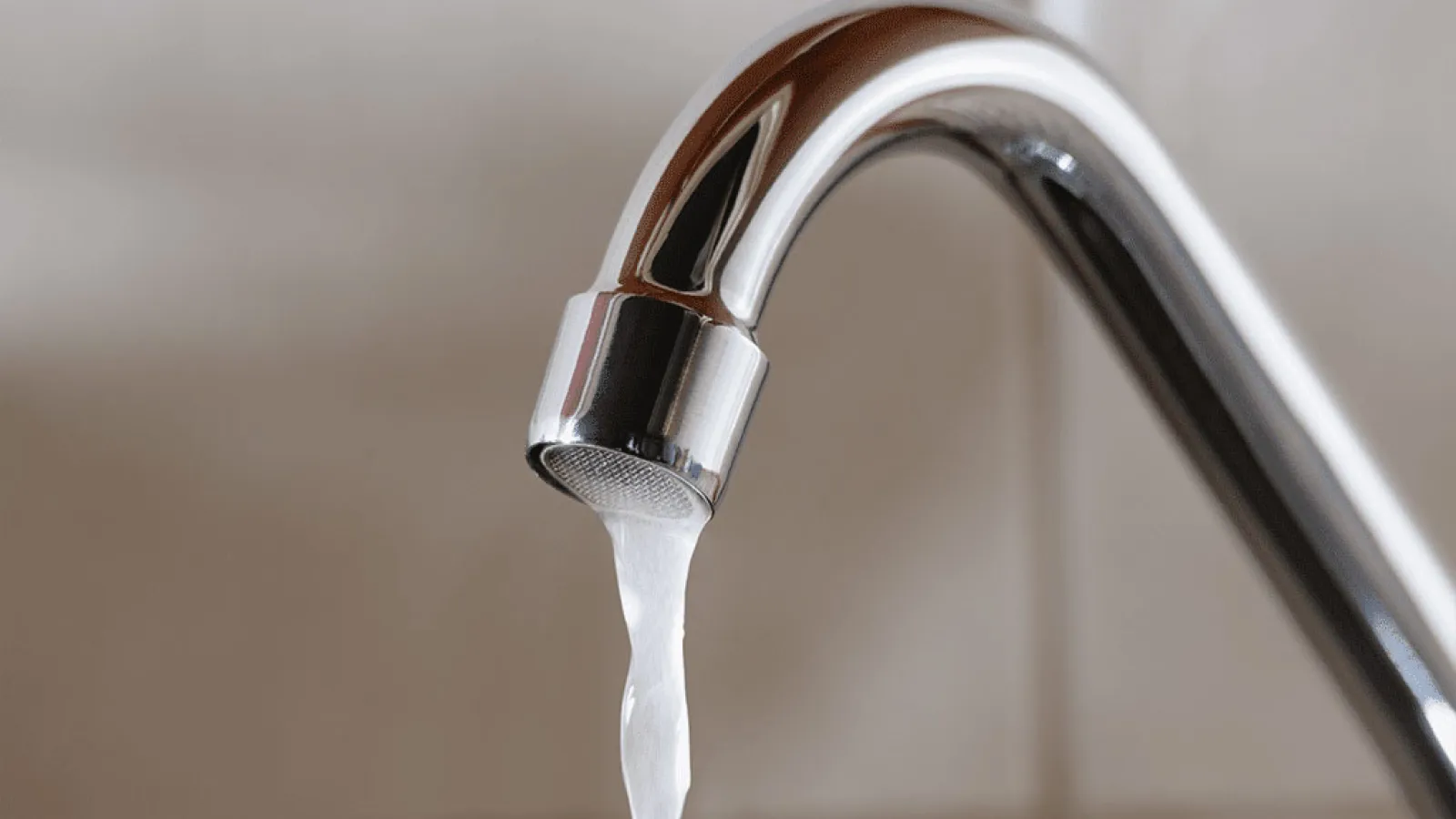
A professional can use special tools like pressure gauges and cameras to diagnose hidden issues.
Credit: www.estesair.com
Real-world Example: A Case Study
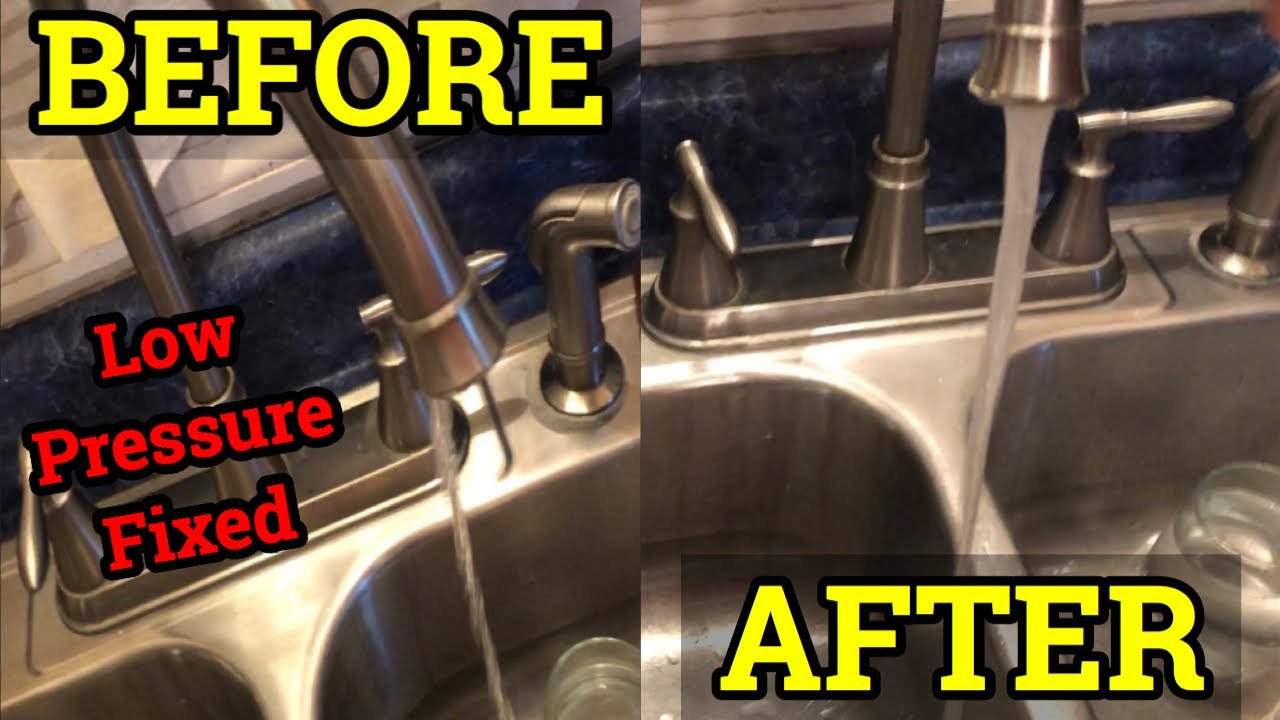
Let’s look at how low water pressure was solved in a real kitchen. Jane, a homeowner, noticed her kitchen faucet had weak flow, but the bathroom worked fine. She checked the aerator, and it was clogged with white mineral flakes.
After cleaning, the pressure improved slightly. Next, she replaced the old supply lines, which restored full pressure.
This case shows that sometimes multiple small issues combine to reduce flow. Fixing both the aerator and supply lines was necessary.
Key Differences: Kitchen Sink Vs. Other Fixtures
Low water pressure at the kitchen sink often has different causes than in showers or toilets.
| Feature | Kitchen Sink | Shower | Toilet |
|---|---|---|---|
| Common Issue | Aerator clog, supply line kink | Shower head buildup | Fill valve problems |
| Main Solution | Clean aerator, replace lines | Clean shower head | Replace fill valve |
| DIY Level | Easy-Moderate | Easy | Moderate |
This comparison helps you target the right solution for each fixture.
Diy Vs. Professional Repairs: What To Know
Not all low pressure problems require a plumber. Here’s a look at what you can fix yourself versus what needs expert help.
| Problem | DIY Possible? | Tools Needed | When to Call a Pro |
|---|---|---|---|
| Clogged Aerator | Yes | Pliers, vinegar | Rarely |
| Supply Line Replacement | Yes | Wrench | If leak persists |
| Cartridge Replacement | Maybe | Screwdriver, pliers | If unsure of model |
| Pipe Corrosion | No | – | Always |
| Pressure Regulator Fault | No | – | Always |
Knowing your limits can save you time and prevent further damage.
Non-obvious Insights For Homeowners
Most people focus on the faucet, but pressure issues often start further down the line. Here are two insights that beginners often miss:
- Hidden supply line damage: Even new homes can have supply lines that look fine but are kinked or partially collapsed inside. Always feel along the length of the line, not just visually inspect.
- Water pressure can mask leaks: If you fix a pressure problem and suddenly notice a wet spot, you may have revealed a leak that was previously hidden by low flow. Always check for leaks after restoring pressure.
Credit: www.youtube.com
The Role Of Water Quality
Hard water, rich in minerals like calcium and magnesium, causes faster buildup inside pipes and faucets. If you live in a hard water area, you’re more likely to face low pressure due to clogs.
Installing a water softener can help, but it needs regular maintenance. Neglecting the softener can lead to blockages and low pressure, especially at the kitchen sink where water is used most.
Upgrading Your Kitchen Faucet: Does It Help?
Upgrading to a modern, high-quality faucet can improve flow if your old model has internal blockages or worn parts. But remember, the faucet is just one part of the system. Replacing it won’t fix supply line or pipe issues.
Look for faucets with easy-to-clean aerators and durable cartridges. Some models are designed for areas with hard water, making them less likely to clog.
What Water Pressure Is Too Low?
Any pressure below 30 PSI is considered too low for normal kitchen use. You can buy a simple pressure gauge at a hardware store to check. If you consistently measure low PSI, and cleaning the faucet doesn’t help, it’s time to investigate further.
How Much Does It Cost To Fix?
Costs vary widely:
- Aerator cleaning: Free to $10
- Supply line replacement: $15–$50
- Cartridge replacement: $15–$40
- Professional plumber visit: $100–$300
- Replacing old pipes: $1,000+ (for whole house)
DIY fixes are usually cheap. Major repairs or pipe replacements can be expensive but are sometimes necessary for older homes.
Environmental Impact
Low water pressure usually means you spend more time with the tap running, which can waste water. Fixing the issue not only improves convenience but also helps conserve water, especially important in drought-prone areas.
According to the Environmental Protection Agency (EPA), fixing leaks and pressure problems can save an average household up to 10,000 gallons of water per year.
How To Talk To Your Plumber
If you decide to call a plumber, having clear information helps:
- Note when the problem started.
- List what steps you’ve tried.
- Mention if the issue affects hot, cold, or both.
- Describe any recent plumbing work or changes.
This speeds up diagnosis and may lower your bill.
Reliable Resources For Further Learning
For a deeper dive into plumbing systems and water pressure, visit the EPA WaterSense page. It offers guides for homeowners on saving water and troubleshooting plumbing issues.
Frequently Asked Questions
What Is The Most Common Cause Of Low Water Pressure In The Kitchen Sink?
The most common cause is a clogged aerator. Mineral deposits and debris restrict the flow through the small holes in the aerator, reducing pressure. Cleaning or replacing the aerator is an easy and inexpensive fix that often solves the problem.
Why Is My Kitchen Sink’s Hot Water Pressure Lower Than The Cold?
If only the hot water is affected, the issue is likely with the water heater or its supply line. Sediment buildup inside the heater or a partially closed valve can block flow. Flushing the water heater or checking the shut-off valve often restores normal pressure.
Can Low Water Pressure Mean A Leak In My Plumbing?
Yes, a hidden leak can lower water pressure at the kitchen sink. Water escapes before reaching the faucet, reducing flow. Look for wet spots, mold, or higher water bills as signs of a possible leak.
How Do I Know If My Pressure Regulator Is Faulty?
A faulty pressure regulator can cause low pressure at all fixtures, not just the kitchen sink. If you notice weak flow throughout your house and your neighbors don’t, the regulator may need adjusting or replacement. A plumber can test and repair it.
Will Installing A New Faucet Fix Low Water Pressure?
Replacing the faucet can help if the problem is inside the faucet cartridge or aerator. However, if supply lines, pipes, or regulators are the cause, a new faucet won’t solve the issue. Always check for deeper problems before upgrading.
Low water pressure in the kitchen sink is more than just an inconvenience—it can signal underlying plumbing issues or lead to wasted water. By understanding the common causes and solutions, you can restore strong, steady flow and keep your kitchen running smoothly for years to come.
If you ever feel uncertain, don’t hesitate to seek expert help. A little attention now can prevent bigger problems later.

Credit: www.youtube.com