
Keeping your gloves clean is more important than most people realize. Whether you use gloves for work, sports, cleaning, or daily warmth, they touch many surfaces and collect dirt, sweat, and bacteria. Clean gloves last longer, smell better, and protect your hands more effectively.
Yet, many people are unsure about the right way to wash them. Washing gloves might seem simple, but different materials and uses require unique care. If you’ve ever wondered why your gloves feel stiff or shrink after washing, or if you’re worried about damaging expensive gear, you’re not alone.
This guide explains exactly how to wash your gloves, no matter the type—leather, cotton, rubber, synthetic, winter, sports, or specialty gloves.
You’ll learn step-by-step methods, the science behind glove care, and smart tips to avoid common mistakes. By the end, you’ll have everything you need to keep your gloves fresh, comfortable, and safe to use.
Understanding Glove Materials
Before you start, it’s crucial to recognize what your gloves are made of. Each material reacts differently to water, soap, and heat. Using the wrong method can ruin your gloves or make them uncomfortable.
Common Glove Types
- Leather gloves: Durable, stylish, and often expensive. Used for fashion, driving, and some work.
- Cotton gloves: Soft, breathable, and washable. Common for household chores and light work.
- Rubber or latex gloves: Waterproof and flexible. Used for cleaning, medical, and laboratory work.
- Synthetic gloves: Made from materials like polyester, nylon, spandex, or blends. Used in sports, winter gear, and mechanics.
- Wool gloves: Warm and insulating. Popular in cold climates.
- Specialty gloves: Includes sports gloves (baseball, golf, cycling), work gloves (gardening, construction), and heat-resistant gloves.
Non-obvious insight: Many gloves are made from blends. Always check the care label, as blended materials may need a combination of methods.
Why Material Matters
- Leather can dry out and crack if washed improperly.
- Rubber can degrade with harsh chemicals.
- Wool can shrink with hot water or agitation.
- Synthetics might melt or lose shape with high heat.
Knowing your glove material is the first step to proper washing.
General Preparation Steps
No matter what gloves you have, preparation is the key to safe cleaning.
Check The Care Label
Most gloves have a care label inside. It tells you if the gloves are machine-washable, hand-wash only, or need dry cleaning. If the label is missing or unclear, search for instructions from the manufacturer’s website.
Remove Surface Dirt
Shake out your gloves to remove loose dirt, dust, or debris. For sticky dirt, brush gently with a soft brush or cloth.
Turn Gloves Inside Out (if Possible)
Turning gloves inside out helps you clean sweat and bacteria from the lining—often the dirtiest part. For lined gloves (like winter or sports gloves), be gentle to avoid damaging the seam.
Pro tip: For thin gloves, turning inside out is easy. For thick or leather gloves, skip this step if it feels risky.
Washing Leather Gloves
Leather gloves need special care. Water, soap, and heat can damage leather if not used correctly.
Step-by-step Leather Glove Cleaning
- Prepare a mild soap solution: Mix a few drops of gentle soap (baby shampoo or saddle soap) in a bowl of cool water.
- Dampen a soft cloth: Do not soak the gloves. Dip a cloth in the soapy water and wring it out.
- Wipe the outside: Gently clean the leather’s surface. Do not rub too hard.
- Wipe the inside: If the gloves smell or feel dirty inside, use a slightly damp cloth. Do not soak the lining.
- Rinse with a clean cloth: Dampen another cloth with cool, clean water. Wipe off any soap residue.
- Dry naturally: Lay gloves flat on a towel away from direct sunlight or heat. Do not wring or twist.
- Shape while damp: Put the gloves on your hands or use a glove shaper to keep their form.
- Condition the leather: Once dry, apply a small amount of leather conditioner to keep the leather soft.
Non-obvious insight: Leather can dry out even if you use water carefully. Always condition after washing.
Common Mistakes
- Using hot water or soaking gloves.
- Drying with direct heat (hairdryer, radiator).
- Skipping conditioning.
Washing Cotton And Fabric Gloves
Cotton and most fabric gloves are easy to wash, but care is still needed to avoid shrinking or stretching.
Hand Washing Cotton Gloves
- Fill a basin with warm water: Add a small amount of mild laundry detergent.
- Soak and gently agitate: Place the gloves in water and move them around.
- Scrub gently: Use your hands to rub dirty areas.
- Rinse thoroughly: Use clean, warm water to remove all soap.
- Squeeze out water: Press gently. Do not twist.
- Air dry flat: Lay on a towel and reshape.
Machine Washing Cotton Gloves
Many cotton gloves are machine washable. Place them in a mesh bag and use a gentle cycle with cold or warm water. Skip the dryer—air drying is best to prevent shrinking.
Example: Gardening gloves made of thick cotton may have rubber grips. Hand wash these if the label says so.

Credit: www.youtube.com
Cleaning Rubber, Latex, And Nitrile Gloves
Rubber gloves (including latex and nitrile) are usually used for cleaning, medical, or food prep. They need frequent washing to remove bacteria and chemicals.
Quick Cleaning After Each Use
- Rinse under cold water: While wearing the gloves, rinse off dirt or chemicals.
- Wash with mild soap: Still wearing the gloves, scrub with a mild soap and rinse.
- Remove gloves: Take off without touching the outside.
- Wash hands: Always clean your hands after removing gloves.
- Dry inside and out: Hang gloves upside down to dry completely.
Non-obvious insight: Sweat trapped inside rubber gloves can grow bacteria and fungus. Turn gloves inside out often to clean and dry.
Deep Cleaning
For extra dirty gloves, fill with soapy water, swish, rinse, and air dry. Never use harsh chemicals or bleach, as these can weaken the material.
Tip: If gloves start to feel sticky, they may be breaking down. Replace them for safety.
Washing Synthetic And Sports Gloves
Synthetic gloves include polyester, nylon, acrylic, and blended fibers. Sports gloves (cycling, golf, baseball, gym) often have synthetic materials, padded areas, and special linings.
How To Wash Synthetic Gloves
- Check the care label: Some can be machine washed, others not.
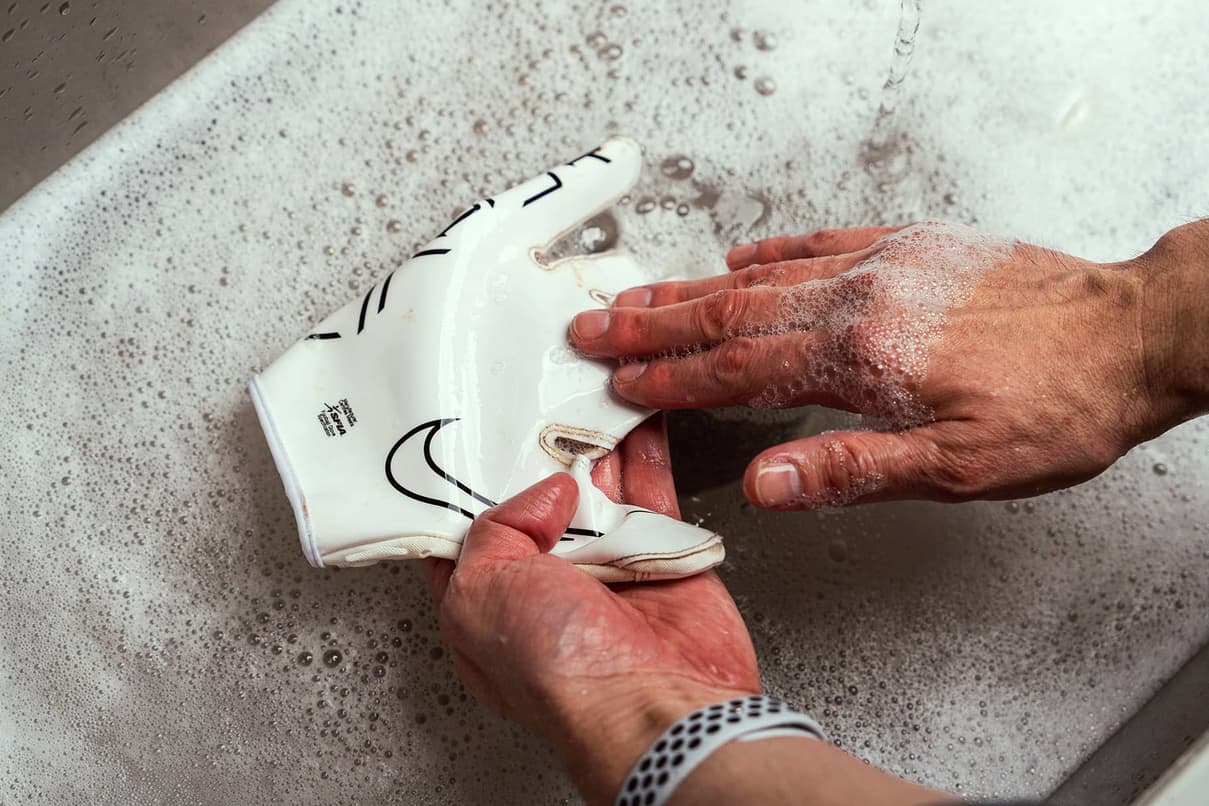
- Hand wash preferred: Fill a basin with cool water and mild detergent.
- Spot clean: Focus on stained or smelly areas.
- Rinse well: Squeeze out water gently.
- Air dry: Avoid dryers, which can damage synthetic fibers.
Case Study: Cycling gloves often get sweaty. Frequent washing keeps them smelling fresh and stops skin irritation.
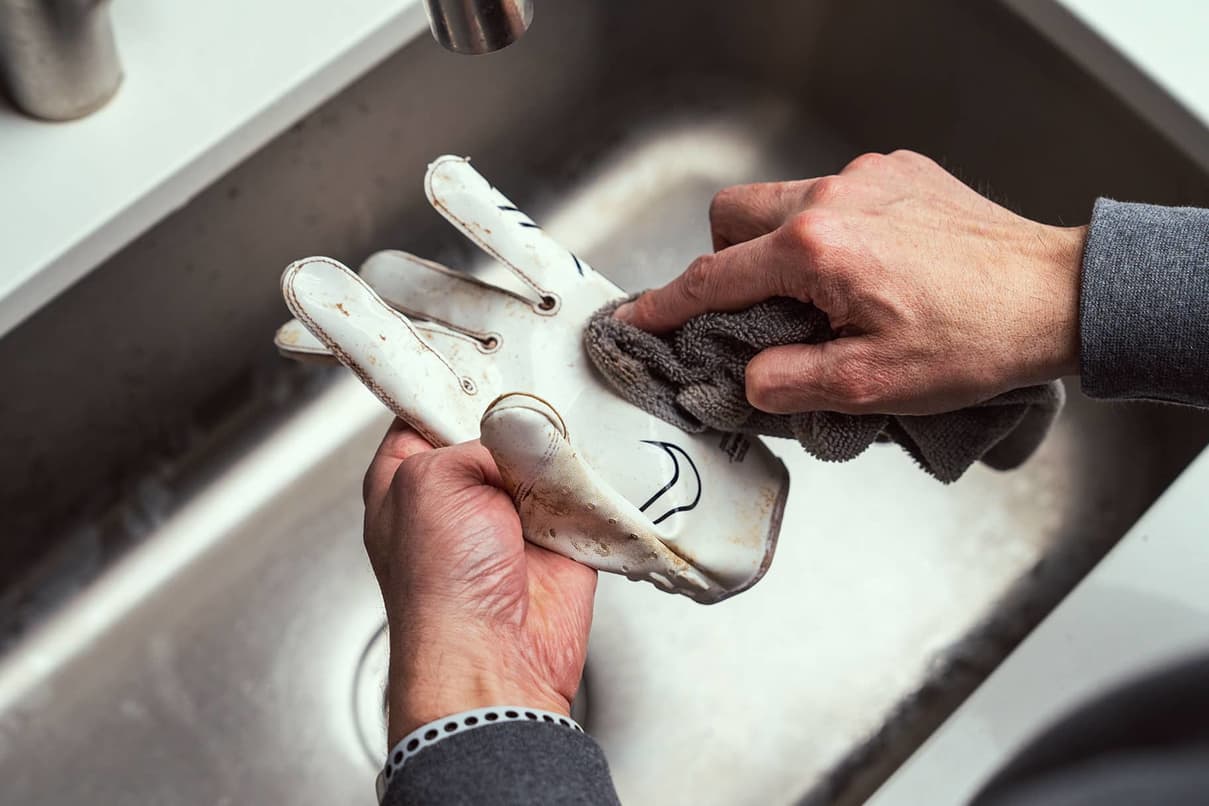
Washing Sports Gloves
Each sport may have its own glove type:
- Baseball gloves: Usually leather—see the leather section above.
- Golf gloves: Usually leather or synthetic—hand wash gently.
- Gym gloves: Often synthetic or cotton—hand wash, air dry.
- Goalkeeper gloves: Use cool water and gentle soap, never machine wash.
Pro tip: Velcro and elastic bands should be closed before washing to prevent snags.
Credit: www.nike.com
Cleaning Wool And Winter Gloves
Wool gloves are warm but shrink and felt easily. Winter gloves may be a mix of wool, fleece, or synthetics, sometimes with waterproof membranes.
Washing Wool Gloves
- Fill a basin with cool water: Add wool-safe detergent (like Woolite).
- Soak gently: Press gloves into the water, avoid rubbing.
- Rinse carefully: Use cool water.
- Remove water carefully: Place gloves between towels and press. Do not wring.
- Reshape and air dry flat: Wool loses shape easily, so reshape while damp.
Winter Gloves With Multiple Layers
Some winter gloves let you separate the liner from the shell. Wash the liner and shell separately, following label directions. For waterproof gloves, never machine wash unless the label says so.
Non-obvious insight: Using a gentle detergent for wool keeps fibers soft and prevents itchiness.
Deep Cleaning And Disinfecting Gloves
Sometimes, your gloves need more than a basic wash—especially if you use them for medical, cleaning, or food prep work.
When To Disinfect
- After contact with hazardous chemicals.
- After use in hospitals or caring for sick people.
- When gloves develop odor that washing does not remove.
Disinfecting Methods
- Soak in diluted disinfectant: Use a disinfectant safe for the glove’s material. Rinse very well.
- Use hydrogen peroxide (for fabric gloves): Dilute and soak for 10 minutes, then rinse.
- Sunlight: UV rays can help kill bacteria, but do not leave gloves in sun for too long, especially for leather or rubber.
Warning: Bleach can ruin most gloves. Use only on white cotton gloves if the label allows.
Drying Gloves Properly
How you dry your gloves affects their shape, softness, and lifespan.
Best Drying Methods
- Air dry flat: For most gloves, lay flat on a towel and reshape.
- Hang dry: For rubber, synthetic, and some fabric gloves, hang upside down.
- Inside-out drying: For gloves that trap moisture inside, dry inside out first, then turn back.
- Stuff with paper: For leather and wool, stuff with paper to keep shape and absorb moisture.
What To Avoid
- Direct heat: Do not use hair dryers, radiators, or direct sun for most gloves.
- Tumble dryers: Only use if the care label says it’s safe.
- Leaving damp: Damp gloves can grow mold and bacteria.
Non-obvious insight: Changing the drying method can solve issues like stiffness or shrinking.
Glove Care After Washing
Washing is only part of glove maintenance. Proper care after washing extends the life of your gloves.
Conditioning Leather Gloves
Leather loses natural oils during washing. Use a small amount of leather conditioner and rub gently with a soft cloth. This keeps the leather soft and prevents cracking.
Deodorizing Fabric Gloves
If gloves still smell after washing, sprinkle a little baking soda inside and leave for a few hours, then shake out.
Storing Gloves
- Store flat or on a glove rack: Prevents wrinkles and keeps shape.
- Keep dry: Avoid plastic bags, which trap moisture.
- Pair gloves together: Attach with a clip or string to avoid losing one.
Pro tip: For work or sports gloves, keep a spare pair so you can rotate and wash more often.
Comparing Washing Methods
Sometimes it’s hard to decide between hand washing and machine washing. Here’s a quick comparison to help you choose:
| Glove Type | Hand Wash | Machine Wash |
|---|---|---|
| Leather | Best method | Not recommended |
| Cotton | Safe | Usually safe (gentle cycle) |
| Rubber/Latex | Safe | Not recommended |
| Synthetic | Safe | Possible (check label) |
| Wool | Best method | Risk of shrinking |
| Sports/Specialty | Usually best | Sometimes (if label allows) |
Frequency Of Washing
How often should you wash your gloves? The answer depends on use and material.
| Glove Type | Recommended Frequency |
|---|---|
| Work gloves | After heavy use or weekly |
| Winter gloves | Every 1-2 weeks or as needed |
| Sports gloves | After each use (if sweaty) |
| Medical/cleaning gloves | After each use |
| Leather gloves | As needed, not too often |
| Rubber gloves | After each use |
Non-obvious insight: Over-washing can wear out gloves, especially leather and wool. Wash only when needed.
Credit: www.nike.com
Tips For Stubborn Stains And Odors
Some stains and smells are hard to remove with regular washing.
For Stains
- Leather: Use a leather cleaner or a mix of vinegar and water. Test on a small area first.
- Fabric: Rub with a mix of baking soda and water before washing.
- Rubber: Try a small amount of rubbing alcohol, but rinse well.
For Odors
- Baking soda: Sprinkle inside, leave overnight, then shake out.
- Vinegar rinse: For fabric gloves, soak in a mix of one part vinegar to four parts water, then rinse.
Warning: Do not use vinegar on leather or rubber.
Glove Care For Different Environments
How you wash and care for gloves can change depending on where you use them.
In Cold Climates
Gloves get wet from snow and sweat. Dry thoroughly after each use and consider using a waterproofing spray for fabric gloves.
In Hot, Humid Areas
Gloves can get very sweaty. Wash more often and use liners to absorb sweat.
For Allergies Or Sensitive Skin
Use hypoallergenic detergents and avoid scented soaps. Rinse gloves extra well to remove all soap.
When To Replace Gloves
Even with the best care, gloves wear out.
Signs You Need New Gloves
- Holes, tears, or worn spots.
- Loss of grip or padding.
- Persistent odor even after washing.
- Stiffness or cracking (especially leather or rubber).
- Loss of waterproofing or insulation.
Pro tip: Well-cared-for gloves last longer, but safety is most important. Replace when in doubt.
Eco-friendly Glove Washing
Caring for your gloves can be better for the environment, too.
- Use cold water: Saves energy.
- Mild, eco-friendly detergents: Less harm to the planet and your skin.
- Air dry: Avoids using dryers.
- Repair before replacing: Patch holes in fabric gloves if possible.
For more on eco-friendly cleaning, see EPA Greener Products.
Storing Gloves Between Uses
Proper storage keeps gloves clean and ready to use.
- Dry fully before storing: Prevents mold.
- Keep in a cool, dry place: Heat and sunlight damage many materials.
- Use breathable bags: For travel or storage, use cotton or mesh bags.
Non-obvious insight: Storing gloves with cedar balls or sachets can help repel insects and add a fresh scent.
Troubleshooting Common Problems
Even with care, problems can happen. Here’s how to fix them.
Gloves Shrunk
- For wool or cotton: Soak in lukewarm water with conditioner, gently stretch back to shape.
- For leather: Condition while gently stretching.
Gloves Lost Shape
- Stuff with towels or paper while drying.
- Use a glove shaper if you have one.
Gloves Feel Stiff
- For leather: Condition with a quality product.
- For fabric: Rinse again to remove soap residue.
Persistent Odor
- Try a vinegar or baking soda soak (fabric only).
- Sun dry for a few hours.
Glove Washing Myths
Some myths can actually damage your gloves.
- Myth: All gloves can go in the washing machine. (False: Many will shrink or get ruined.)
- Myth: Hot water kills all germs. (True for some, but can shrink and ruin gloves.)
- Myth: Bleach is safe for all gloves. (False: Only for some white cotton gloves.)
- Myth: Leather does not need conditioning. (False: Conditioning is vital after washing.)
Frequently Asked Questions
How Do I Wash Touchscreen Gloves?
Touchscreen gloves are usually made from synthetic blends. Hand wash in cool water with mild detergent. Do not use fabric softener, as it can affect conductivity. Air dry flat to keep their shape and function.
Can I Wash Gloves With Other Clothes?
You can, but it’s safer to wash gloves separately—especially if they have Velcro, rubber, or leather. Washing with towels or denim can cause pilling or damage. For delicate gloves, use a mesh bag.
How Do I Make My Gloves Last Longer?
Clean them regularly, follow care labels, and avoid harsh chemicals. Dry gloves properly and store them in a dry, cool place. For leather, condition after each wash. Rotate between two pairs if you use gloves often.
What Should I Do If My Gloves Get Moldy?
Wash gloves immediately with hot soapy water (if safe for the material). For fabric gloves, soak in diluted vinegar to kill mold spores, then rinse thoroughly. For leather, wipe with a vinegar-water mix, air dry, then condition.
Are Disposable Gloves Washable?
No. Disposable gloves (latex, nitrile, vinyl) are designed for one use only. Washing them can make them unsafe and increase the risk of contamination. Always use a new pair for each task.
Keeping your gloves clean isn’t just about appearance—it’s about health, safety, and comfort. With the right washing method, your gloves will protect your hands and last longer. Whether you work, play sports, or just keep warm, well-cared-for gloves make a difference every day.