
Cut Down Kitchen: How to Simplify, Save Space, and Cook Better
A crowded, messy kitchen can make cooking feel stressful and slow. Many people dream of a clean, simple kitchen where every tool is easy to find, counters are clear, and nothing gets in the way. The good news is, you don’t need a big space or expensive remodeling to enjoy a better kitchen.
You just need to “cut down” — to simplify what you own, use, and store.
A cut down kitchen is about having less, but making that “less” work for you. It’s about choosing tools and organization that fit your life, not just copying what you see on TV or in magazines. In this article, you’ll learn how to create your own efficient kitchen — step by step. We’ll cover decluttering, smart storage, choosing the right tools, and even how to cook with less. Plus, you’ll get practical tips, expert insights, and answers to common questions.
If your kitchen feels too small, crowded, or confusing, this guide will help you change that. Let’s get started.
What Does “cut Down Kitchen” Really Mean?
The words “cut down kitchen” can mean different things to different people. For some, it’s about minimalism — keeping only the essentials. For others, it’s about making a small kitchen work better. In both cases, the goal is the same: create a space that’s easy to use, easy to clean, and enjoyable.
A cut down kitchen is not about having nothing. It’s about making better choices, so you have what you need — and nothing more. This can save time, money, and stress.
Benefits Of A Cut Down Kitchen
- Less clutter, more space: Clear counters and shelves make cooking faster and cleaning easier.
- Save money: You won’t buy gadgets or food you don’t use.
- Less waste: You’ll throw away less expired food and unused tools.
- Easier to clean: Fewer things mean less dust and grime.
- More focus: You can cook more calmly when you’re not distracted by mess.
A famous study from Princeton University found that physical clutter limits your ability to focus and process information. In a cut down kitchen, your mind is clearer, and cooking feels simpler.
Step 1: Declutter Your Kitchen
Most people’s kitchens are full of things they rarely use. Start by clearing out what you don’t need. This is the most important step — without it, nothing else will work.
How To Declutter
- Empty one area at a time — start with a drawer, shelf, or cabinet.
- Sort everything into three groups:
- Keep (use at least once a week)
- Donate/sell (good condition, but not used)
- Trash/recycle (broken, expired, or useless)
- Ask yourself: When did I last use this? Do I have something else that does the same job?
- Clean the empty space before putting things back.
Non-obvious Insight: The “duplicates Trap”
Many people own several tools that do the same thing. For example, three peelers, five spatulas, or two blenders. You only need one good version of most tools. Choose the best, and let go of the rest.
Non-obvious Insight: The “someday Syndrome”
You might keep things “just in case” — a bread maker you used once, fancy cake pans, or special gadgets. If you haven’t used something in a year, it’s time to let it go. Most people never miss these items.
What To Declutter
- Broken tools: Don’t keep things “just in case they work again.”
- Duplicate utensils: One or two of each is enough.
- Unused appliances: If it’s not used monthly, reconsider keeping it.
- Expired food and spices: Check dates on cans, boxes, and jars.
- Random containers: Old takeout boxes, stained Tupperware, or lids with no base.
Step 2: Keep Only Essential Tools
A cut down kitchen is about quality, not quantity. The right tools make cooking easier and more fun. You don’t need a gadget for every job. Instead, focus on essentials that do more than one thing.
The Essential Tools For Most Kitchens
Here’s a list of what most home cooks really need:
- Chef’s knife: A sharp, medium-sized knife for most cutting jobs.
- Paring knife: For peeling and small cuts.
- Cutting board: One or two, easy to clean.
- Large pot: For boiling, soups, pasta.
- Medium saucepan: For sauces, rice, reheating.
- Frying pan/skillet: For eggs, meat, vegetables.
- Baking sheet or tray: For roasting and baking.
- Mixing bowls: Two or three, different sizes.
- Measuring cups and spoons: For baking and cooking.
- Spatula and wooden spoon: For stirring and flipping.
- Colander or strainer: For draining pasta, washing veggies.
- Can opener: Manual type is fine.
- Peeler: If you often cook with vegetables.
- Tongs: Useful for turning food and serving.
Each of these can do many jobs. For example, a chef’s knife can chop, slice, and even crush garlic. A large pot works for soups, pasta, or steaming. If you have these, you can cook almost anything.
Appliances: What’s Worth Keeping?
- Stovetop kettle: If you drink tea or coffee often.
- Toaster: If you eat toast regularly.
- Blender or food processor: Only if you often make smoothies, soups, or sauces.
- Microwave: Saves time, but not essential for everyone.
- Rice cooker or slow cooker: Great if you often cook rice or stews, but not necessary for all.
If you use an appliance less than once a month, you probably don’t need it. Ask a friend or neighbor if you can borrow theirs for special events.
Table: Essential Tools Vs. “nice To Have”
| Essential Tool | Nice to Have | Rarely Needed |
|---|---|---|
| Chef’s knife | Microplane grater | Egg separator |
| Cutting board | Salad spinner | Pasta maker |
| Large pot | Slow cooker | Fondue set |
| Mixing bowls | Hand mixer | Ice cream maker |
Step 3: Organize For Efficiency
Once you have less, you need to organize it well. Good organization saves time and makes cooking less stressful. The goal is to make everything easy to reach and easy to put away.
Storage Tips
- Store by use: Keep daily tools near where you use them. For example, spatulas near the stove, knives and cutting boards together, coffee items near the kettle.
- Use vertical space: Add hooks, shelves, or magnetic strips to walls for knives and utensils.
- Stack smart: Nest bowls, pans, and containers to save space.
- Clear containers: Use glass or clear plastic for dry goods so you can see what’s inside.
- Label everything: Especially for flours, grains, and spices.
Drawer And Cabinet Organization
Most kitchens have at least one messy drawer. Use small boxes or trays to keep things sorted. Put the most-used items in the front.
Example: The “first Drawer Rule”
The first drawer near your stove or prep area should hold your most-used tools. For most people, that’s a spatula, tongs, a knife, and a wooden spoon. If you have to dig for these, it’s time to reorganize.
Table: Common Kitchen Storage Solutions
| Problem | Solution | Example |
|---|---|---|
| Messy utensils | Drawer dividers | Knife tray, spoon slots |
| Cluttered counters | Wall hooks or rails | Hang mugs, pans |
| Lost lids | Lid rack | Store upright in cabinet |
| Spices everywhere | Spice rack or drawer | Label each jar |
Smart Placement: The “golden Zone”
Keep the things you use most between your shoulders and knees — this is the easiest area to reach. Heavy or rarely used items can go higher or lower.
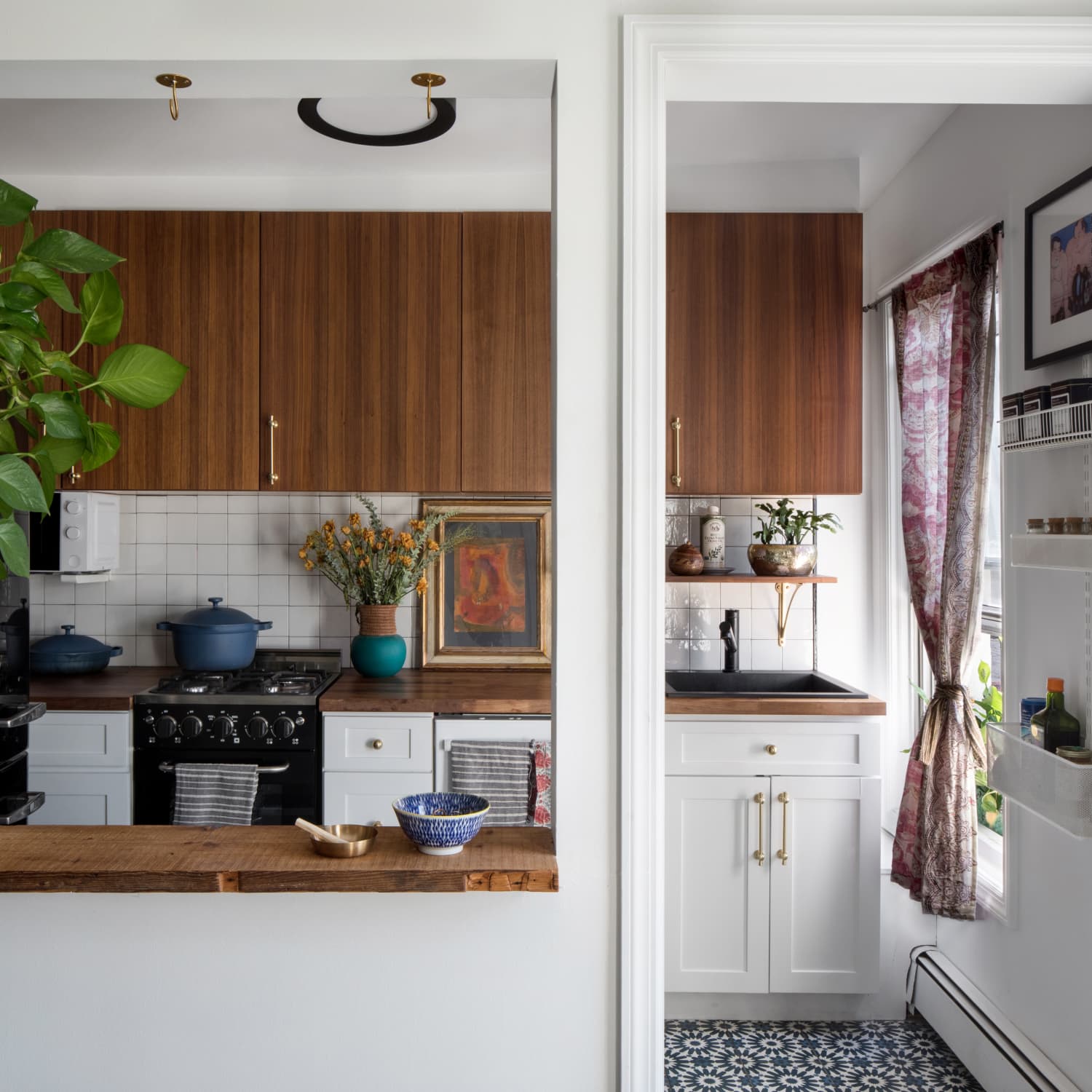
Credit: www.apartmenttherapy.com
Step 4: Smart Shopping And Restocking
A cut down kitchen also means buying food and supplies in a smarter way. Overbuying leads to waste and clutter. The key is to buy what you need, when you need it.
How To Shop For A Cut Down Kitchen
- Make a list: Always shop with a plan. List meals and needed items.
- Shop small, shop fresh: If possible, buy smaller amounts more often. Fresh food tastes better and you waste less.
- Avoid bulk for perishables: Large packs of fresh food often go bad before you use them.
- Buy multi-use ingredients: Choose foods that work in many dishes (like rice, eggs, onions, carrots).
Restocking Tips
- Check before you shop: Look in your fridge, freezer, and pantry before making a list.
- Use up what you have: Plan meals around what’s left before buying more.
- Rotate stock: Put new items at the back, old ones at the front.
Example: The “three-day Rule”
Try to keep only enough perishable food for three days. This keeps your fridge clearer and cuts waste.
Table: Smart Ingredient Choices
| Ingredient | Use in Dishes | Storage Life |
|---|---|---|
| Eggs | Breakfast, baking, dinner | 2-3 weeks (fridge) |
| Rice | Stir-fry, soup, side dish | 1+ year (dry) |
| Onions | Soups, salads, sauces | 1-2 months (cool, dry) |
| Carrots | Snacks, soups, roasts | 2-3 weeks (fridge) |
Step 5: Cooking With Less
A cut down kitchen works best if you change how you cook. Simple meals are fast, healthy, and use less equipment.
Simple Cooking Methods
- One-pot meals: Soups, stews, and casseroles use just one dish.
- Sheet pan dinners: Roast meat and veggies together on a tray.
- Stir-fry: Quick, healthy, and uses only a pan.
- Batch cooking: Make extra and save leftovers for another day.
Example: One-pot Pasta
Put dry pasta, water, vegetables, and sauce in one pot. Cook together. Less washing, more flavor.
Practical Tip: Mise En Place
This French term means “everything in its place. ” Prepare and measure all ingredients before you start cooking. You’ll move faster and make fewer mistakes.
Reduce Cleaning Time
Wipe as you go. Fill the sink with warm soapy water before you start, and toss tools in as you finish using them.

Credit: commonwealthhomedesign.com
Step 6: Maintaining Your Cut Down Kitchen
It’s easy to let things pile up again. A little regular effort keeps your kitchen simple and easy to use.
Quick Maintenance Habits
- Five-minute tidy: Every day, spend five minutes putting things away.
- Weekly check: Once a week, look for anything you haven’t used or is out of place.
- Monthly mini-declutter: Each month, pick one drawer or shelf to tidy.
- Avoid impulse buys: Only buy new tools or gadgets if you truly need them.
When To Re-evaluate
If your kitchen starts to feel crowded, stop and ask: Has something changed? Are you cooking more, or less? Adjust what you keep to match your needs.
The Emotional Side: Why Letting Go Is Hard
Many people find it difficult to get rid of kitchen items. You might feel guilty about wasting money or think you’ll need the item someday. Remember, space and calm are valuable too.
A helpful approach: focus on what you’re gaining — more space, less stress, and easier meals. If you’re unsure about an item, put it in a box out of sight for a month. If you don’t miss it, you can let it go.
Real-life Examples: How People Simplify
The Small Apartment Cook
Sara lives in a studio with a tiny kitchen. She keeps only one pan, one pot, and a few utensils. She shops every two days and makes simple meals. Her space is always clear, and she spends less time cleaning.
The Busy Family
The Tran family cooks dinner at home every night. By removing gadgets they rarely use and keeping only practical tools, their kids can help with meals. They have more counter space for homework and snacks.
The Retired Couple
After downsizing, Mike and Lisa gave away most of their baking gear. Now, they focus on simple, healthy meals and have more time to try new recipes together.
Common Mistakes To Avoid
- Keeping “just in case” items: If you haven’t used it in a year, you probably never will.
- Buying the latest gadgets: Most are not necessary and take up space.
- Storing rarely used appliances on the counter: This makes your kitchen feel smaller.
- Not labeling containers: Leads to confusion and waste.
- Ignoring regular maintenance: Small problems become big messes.
Advanced Tips For A Cut Down Kitchen
Multi-use Tools
Look for items that do more than one job:
- Cast iron skillet: Can fry, bake, and roast.
- Immersion blender: Blends soup, whips cream, and makes sauces.
- Measuring jug: Use for mixing, measuring, and serving.
Flexible Storage
- Stackable bins: Fit in small spaces and can be used for snacks, cleaning supplies, or utensils.
- Magnetic strips: Hold knives or spice jars on the wall.
Digital Recipes
Instead of keeping paper cookbooks, use a tablet or phone for recipes. Save favorites in a folder. This saves shelf space and makes it easy to search.
Borrow Or Share
For special occasions, borrow a tool from a friend instead of buying. Some neighborhoods have “kitchen libraries” where you can rent a slow cooker, mixer, or other items.
The Environmental Impact
A cut down kitchen is also better for the planet. Fewer things means less waste, less packaging, and less energy used to make and transport products. Cooking with simple, fresh foods also means fewer processed items and less plastic.
According to the US Environmental Protection Agency, Americans throw away more than 35 million tons of food each year. A simpler kitchen and smarter shopping can reduce your share of this waste.

Credit: www.reddit.com
When A Cut Down Kitchen Is Not Right For You
Some people truly love baking, hosting big parties, or experimenting with new gadgets. If your kitchen brings you joy, don’t feel pressured to get rid of things you use and love. The key is to balance your space and your lifestyle.
Further Reading And Resources
If you want more tips and examples, check out this guide from The New York Times.
Frequently Asked Questions
How Do I Start Decluttering If I Feel Overwhelmed?
Start small. Choose one drawer or one shelf. Set a timer for 10 minutes. You don’t have to do everything at once. As you see progress, you’ll feel more motivated.
What If My Family Wants To Keep Everything?
Talk about the benefits: more space, less cleaning, and easier meals. Involve everyone in the process. Let each person choose their essentials.
Can I Still Cook Complex Meals In A Cut Down Kitchen?
Yes. Most professional chefs use just a few high-quality tools. Complex meals are more about skill and planning than equipment.
How Do I Keep My Kitchen Organized After Decluttering?
Make it a habit. Put things back after use. Do a quick tidy each day. Check for unused items every month and adjust as your needs change.
What Should I Do With Items I Want To Get Rid Of?
Donate tools and appliances in good condition to local charities or shelters. Sell valuable items online. Recycle broken or unusable items if possible.
A cut down kitchen is not about having less for the sake of less. It’s about having the right things — and making your cooking, your space, and your life simpler and happier. Start today, and enjoy the calm and freedom of a kitchen that works for you.