
Washing microfiber sofa covers might look simple, but it’s easy to make mistakes that leave stains, watermarks, or even damage the fabric. Many people try to clean their covers with basic soap and water, but end up with a dull, rough surface or a cover that doesn’t fit right anymore. If you want your microfiber sofa covers to stay soft, clean, and last for years, you need the right approach.
Microfiber is popular for sofas because it’s soft, durable, and resists stains better than many other fabrics. But, its fine threads and synthetic fibers react differently to water, soap, and heat. This means the way you clean other fabrics might not work here.
Knowing the best way to wash, dry, and care for microfiber is key to saving time and money on replacements. In this guide, you’ll find clear steps, smart tips, and answers to common questions. You’ll also see what to avoid, and how to keep your sofa looking great, even with kids, pets, or daily use.
Understanding Microfiber Sofa Covers
Microfiber is a synthetic material made mostly from polyester and polyamide (a form of nylon). The fibers are much thinner than human hair, which makes the fabric feel soft and smooth. Microfiber is tightly woven, making it resistant to dust, stains, and moisture. This is why it’s a favorite for sofas and other furniture.
But, microfiber also has some weaknesses. It can attract static, hold onto pet hair, and if you use the wrong cleaner, it may leave marks that are hard to remove. Some microfiber reacts badly to water, forming “water rings” or stiff spots.
That’s why the right cleaning method matters.
There are two main types of microfiber sofa covers:
- Removable covers: These unzip or detach from the sofa, making them easier to wash.
- Non-removable covers: These are fixed to the sofa and must be cleaned while still attached.
Most quality microfiber covers are removable, but always check your sofa before starting.
Why Microfiber Needs Special Care
Microfiber’s tiny fibers trap dirt and oils easily. Using too much water or harsh chemicals can break down these fibers, leading to pilling or fading. Also, microfiber can shrink if washed or dried at high temperatures. The wrong cleaning process will make your cover look old long before it wears out.
Before You Wash: Preparation Steps
Preparation is just as important as washing. Skipping these steps can make stains worse or ruin your cover’s shape.
Check The Manufacturer’s Label
Look for a care label under the cushions or on the cover’s seams. Most labels use one of these codes:
- W: Use water-based cleaners only.
- S: Use solvent-based cleaners only.
- S/W: Safe for both water- and solvent-based cleaners.
- X: Vacuum only, no water or solvents.
If the label is missing, check the sofa’s model online, or test a hidden spot with a small amount of water or cleaner.
Vacuum The Cover
Use a vacuum with a soft brush attachment to remove dust, crumbs, and pet hair. This keeps dirt from turning into mud when wet. Focus on seams, creases, and under cushions.
Pre-treat Stains
For small stains, blot (don’t rub) with a clean white cloth. Use a mild cleaner that matches your cover’s label code. For example, rubbing alcohol for “S” codes, or a diluted mild soap for “W. ” Let it sit for 5–10 minutes, then blot dry.
Remove The Cover (if Removable)
Unzip or detach the cover carefully. Shake it outside to remove loose debris. Check for tears, weak seams, or worn zippers before washing. Fix problems now to prevent bigger issues after washing.
Choosing The Right Cleaning Solution
Using the wrong cleaner is a common mistake. Here’s a quick comparison of what works best for each code:
| Care Code | Best Cleaner | What to Avoid |
|---|---|---|
| W | Mild soap + water | Strong solvents |
| S | Isopropyl alcohol | Water-based solutions |
| S/W | Mild soap, water, or alcohol | Bleach, strong solvents |
| X | Vacuum only | All liquids |
Always spot test on an area that doesn’t show before using any cleaner.
How To Wash Microfiber Sofa Covers (removable)
Washing removable covers is easier, but you must do it right to avoid shrinking, fading, or stiffening.
Step 1: Read The Label Again
Some microfiber covers look machine-washable, but the label might say “dry clean only” or “hand wash. ” Follow the instructions to avoid mistakes.
Step 2: Pretreat Stains
For tough stains, spray with a small amount of cleaner (see previous section). Let it sit, then blot with a microfiber cloth. Avoid scrubbing, which can damage fibers.
Step 3: Choose The Right Detergent
Use a gentle, dye-free, and fragrance-free detergent. Avoid fabric softener and bleach. These can leave residues that attract dirt or weaken the fibers.
Step 4: Machine Wash Or Hand Wash
If the label says machine washable:
- Turn the cover inside out to protect the surface.
- Wash alone or with other microfiber items to prevent lint transfer.
- Select a cold water setting (never hot) and a gentle cycle.
- Use a small amount of gentle detergent.
If the label says hand wash:
- Fill a tub with cool water and a few drops of mild detergent.
- Submerge the cover and gently swish.
- Do not wring or twist. Squeeze gently to remove water.
Here’s a quick comparison of both methods:
| Washing Method | Time Needed | Best For | Risks |
|---|---|---|---|
| Machine Wash | 30–40 min | Most removable covers | Shrinking if wrong setting |
| Hand Wash | 20–30 min | Delicate or “hand wash only” covers | May not remove deep stains |
Step 5: Rinse And Check
After washing, rinse thoroughly to remove all soap. Soap left in the fibers can attract dirt and make the cover feel sticky.
Step 6: Air Dry Only
Never use a hot dryer for microfiber covers. Heat can shrink and stiffen the fabric. Instead:
- Lay the cover flat on a large towel.
- Roll up to remove excess water, then unroll.
- Lay flat or hang in a well-ventilated area, away from direct sunlight.
If you must use a dryer, choose air fluff (no heat) for a short time, but air drying is safest.
Step 7: Smooth And Reinstall
Once dry, gently stretch the cover to its original shape. If it feels stiff, rub gently with a soft brush or your hands. Reinstall on the sofa, smoothing out wrinkles.
How To Clean Non-removable Microfiber Sofa Covers
Many sofas have fixed covers. Cleaning them takes more care, but you can still get great results.
Step 1: Vacuum Thoroughly
Remove all crumbs, dust, and pet hair. Use a crevice tool for seams and corners.
Step 2: Spot Clean Stains
Use the right cleaner for your cover’s code. For “S” covers, spray a little isopropyl alcohol onto a microfiber cloth, dab the stain, then blot dry with a clean cloth. For “W,” use water with a tiny drop of mild soap.
Step 3: Clean The Surface
- For light cleaning, dampen a microfiber cloth with your solution and gently wipe the surface.
- Work in small sections to avoid over-wetting.
- Rinse the cloth often and wring out well.
Step 4: Dry The Surface
Blot with a dry towel to soak up moisture. Open windows or use a fan to help the fabric dry quickly. Avoid sitting on the sofa until it is 100% dry.
Step 5: Restore The Nap
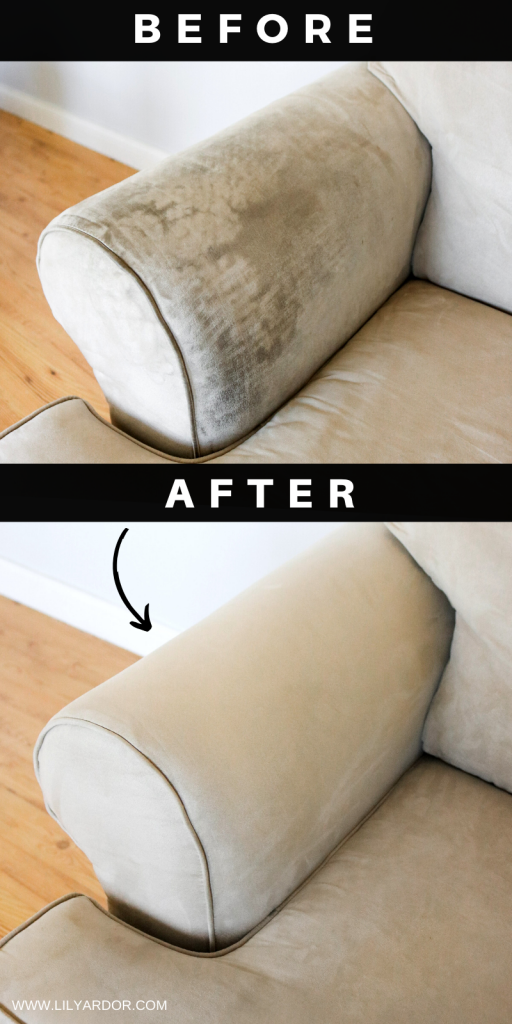
When microfiber dries, it sometimes looks flat or matted. Use a soft brush or a clean, dry sponge to gently fluff the fibers. This restores the soft feel and even color.
Common Mistakes To Avoid
Many people make simple mistakes that ruin their microfiber covers. Here are the biggest ones to watch for:
- Using too much water: Over-wetting can cause water stains and shrinkage.
- High heat drying: Heat can shrink, fade, or harden the fibers.
- Strong chemicals: Bleach and harsh cleaners break down microfiber and leave permanent marks.
- Skipping the vacuum: Dirt left on the surface can grind into the fabric during washing.
- Wrong detergent: Regular laundry soaps may have additives that attract dirt or leave residue.
- Not testing cleaners: Always test a small, hidden spot first.
- Reinstalling covers when damp: This causes mildew and odor.
Dealing With Tough Stains
Some stains need extra attention. Here’s how to handle the most common ones:
Grease And Oil
Sprinkle a small amount of baking soda on the stain. Let it sit for 10–15 minutes to absorb the oil, then vacuum. Dab with a small amount of isopropyl alcohol for “S” covers, or mild soap and water for “W.” Always blot, never rub.
Ink
Dab (don’t rub) the stain with a cotton swab dipped in isopropyl alcohol. Repeat with a clean area of the swab until the ink lifts. For “W” covers, try a small amount of diluted dish soap.
Pet Accidents
Blot up as much liquid as possible. Use an enzyme-based cleaner (safe for microfiber) to break down odors and stains. Let it sit, then rinse with a damp cloth. Dry quickly to avoid water rings.
Wine, Coffee, Juice
Blot immediately with a dry, clean cloth. For fresh stains, apply a mix of water and mild soap (for “W” covers) or alcohol (for “S”). For older stains, repeat cleaning and allow to air dry.
Drying And Fluffing For Best Results
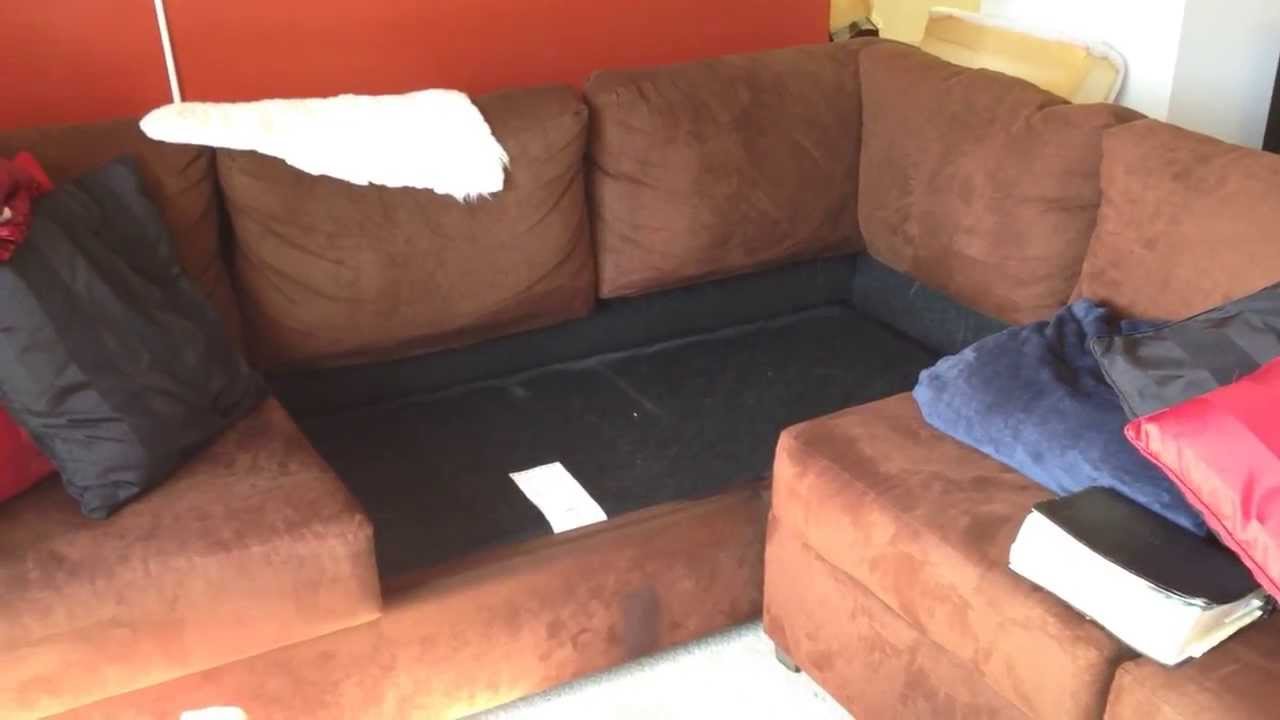
Microfiber looks and feels best when dried properly. Air drying is always safest. If your cover feels stiff after drying, lightly brush with a soft bristle brush or scrub gently with a clean, dry sponge.
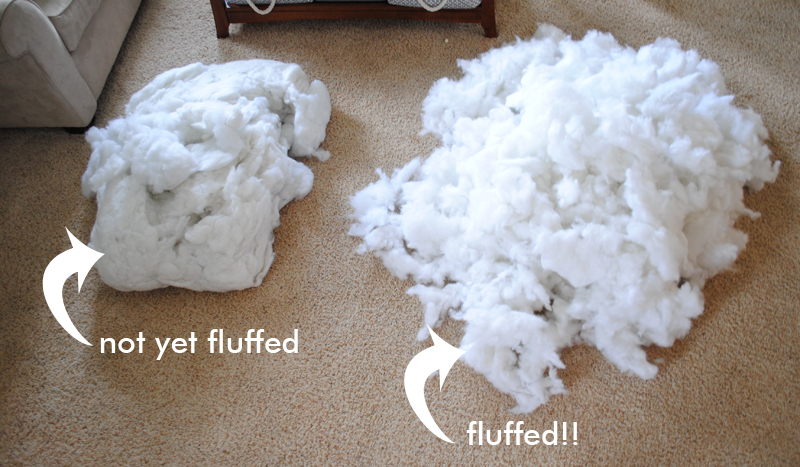
If you use a dryer for a few minutes on “air fluff,” add a few clean tennis balls or dryer balls. This will help fluff the fibers as the cover dries, but always finish with air drying.
Credit: www.youtube.com
How Often To Wash Microfiber Sofa Covers
Washing too often can wear out the fabric, but not washing enough allows dirt and oils to build up.
- Light use: Wash every 6–12 months.
- Heavy use (kids, pets, daily sitting): Wash every 3–4 months.
- Spot clean as needed, especially spills or stains.
Vacuuming weekly will reduce how often you need full washes.
Maintaining Microfiber Between Washes
Regular maintenance keeps your covers looking new longer.
- Vacuum weekly to remove dust and hair.
- Brush fibers gently if they look matted.
- Use arm covers or throws in high-use areas.
- Rotate cushions regularly to distribute wear.
These small steps make a big difference in how long your sofa looks clean and fresh.
Credit: bigaton.adv.br
When To Seek Professional Cleaning
Some stains or smells are too tough for home cleaning. If your cover is labeled “dry clean only,” or you’ve tried everything and still see marks or odors, call a professional. They have tools and solutions that are safe for microfiber.
Professional cleaning can also restore covers that look dull or heavily soiled. Expect to pay $50–$100 for a standard sofa, depending on your location and the size of the sofa.
Comparing Microfiber To Other Sofa Cover Fabrics
Microfiber is unique, but it’s helpful to see how it compares with other common materials:
| Fabric Type | Stain Resistance | Ease of Washing | Durability |
|---|---|---|---|
| Microfiber | High | Moderate (special care needed) | High |
| Cotton | Medium | Easy | Medium |
| Leather | Medium | Difficult (needs special products) | High |
| Polyester | Medium | Easy | Medium |
This shows why microfiber is a smart choice for families and pet owners, as long as you use the right cleaning methods.
Non-obvious Tips For Better Results
- Avoid overloading the washing machine: Even if your cover fits, too many items at once can twist or stretch the fabric.
- Use distilled water for “water-safe” covers: Tap water with minerals may leave marks on some microfiber. Distilled water prevents this.
- Let covers dry completely before reinstalling: Even a little moisture can lead to mildew, especially in humid climates.
- Store spare covers loosely folded: Never cram them in a small space, or they’ll wrinkle and lose shape.
Eco-friendly Cleaning Options
Many people want to avoid harsh chemicals. For “W” code covers, a mix of white vinegar and water (1:4 ratio) works as a gentle cleaner and deodorizer. Always test first. For “S” covers, isopropyl alcohol is less toxic than many solvents, but always ventilate the room.
You can also use a steam cleaner with a microfiber-safe attachment, but only if the label allows it. This uses just water vapor and no chemicals.
Credit: www.onebeautifulhomeblog.com
Signs It’s Time To Replace Your Microfiber Sofa Cover
Even with great care, every cover has a lifespan. Replace your cover if:
- The fabric is frayed, full of holes, or thin spots.
- Stains won’t come out, even after professional cleaning.
- The cover no longer fits the sofa (shrunk or stretched).
- Odors return soon after cleaning.
If you need a new cover, look for high-quality microfiber with a tight weave and a durable zipper.
Frequently Asked Questions
How Do I Know If My Microfiber Cover Is Washable?
Check the care label under the cushions or along the seams. If it says “machine washable” or “hand wash,” you’re safe to wash at home. If it says “dry clean only,” do not wash in water. When in doubt, test a small hidden spot or check the manufacturer’s website.
Can I Use A Steam Cleaner On Microfiber Sofas?
Steam cleaning is usually safe for “W” or “S/W” code covers but not for “S” or “X. ” Always check your care label first. Use a low setting and a microfiber attachment. Move the cleaner slowly and avoid soaking the fabric.
Let the sofa dry fully before sitting.
What If My Cover Shrinks After Washing?
If your cover shrinks, try stretching it gently while still damp. Do not force it onto the sofa if it’s too small, as this can tear seams. Next time, wash with cold water and air dry only. If it’s badly shrunk, you may need a replacement cover.
Are Commercial Upholstery Cleaners Safe For Microfiber?
Most commercial cleaners are safe only for “S” code microfiber. Always read both your sofa label and the cleaner’s instructions. Test in a hidden area first. Avoid any product with bleach, ammonia, or strong perfumes, as these can damage microfiber.
How Can I Remove Pet Hair From Microfiber Covers?
Vacuum with a brush attachment works best. For stubborn hair, use a lint roller or a dampened rubber glove. Wipe in one direction to gather hair. Regular vacuuming prevents buildup and keeps your sofa looking fresh.
—
Washing and caring for microfiber sofa covers is not as hard as it seems, but it does require attention to detail. By following the right steps—checking labels, using the correct cleaners, and drying properly—you’ll keep your sofa looking and feeling great for years. Remember, the small details matter, from vacuuming before you wash to avoiding hot dryers. With these tips, you can handle most stains and cleaning jobs yourself, saving money and keeping your home fresh. For more on fabric care, visit resources like Good Housekeeping for trusted advice. Your microfiber sofa will thank you with comfort and style every day.