
Many people today are choosing electric stoves for their kitchens. But a common question comes up: Do electric stoves use gas? This question might sound simple, but it actually involves understanding how stoves work, what fuels they use, and how their technology affects your cooking. If you want to make an informed decision about your next kitchen appliance or just want to understand more about what’s in your home, this guide will give you clear answers.
In this article, you’ll learn exactly how electric stoves work, how they differ from gas stoves, and why the fuel source matters. We’ll explore myths, real-world examples, safety concerns, energy usage, costs, and much more. Whether you’re remodeling your kitchen, moving into a new home, or just curious, you’ll leave with a complete understanding of the topic.
What Is An Electric Stove?
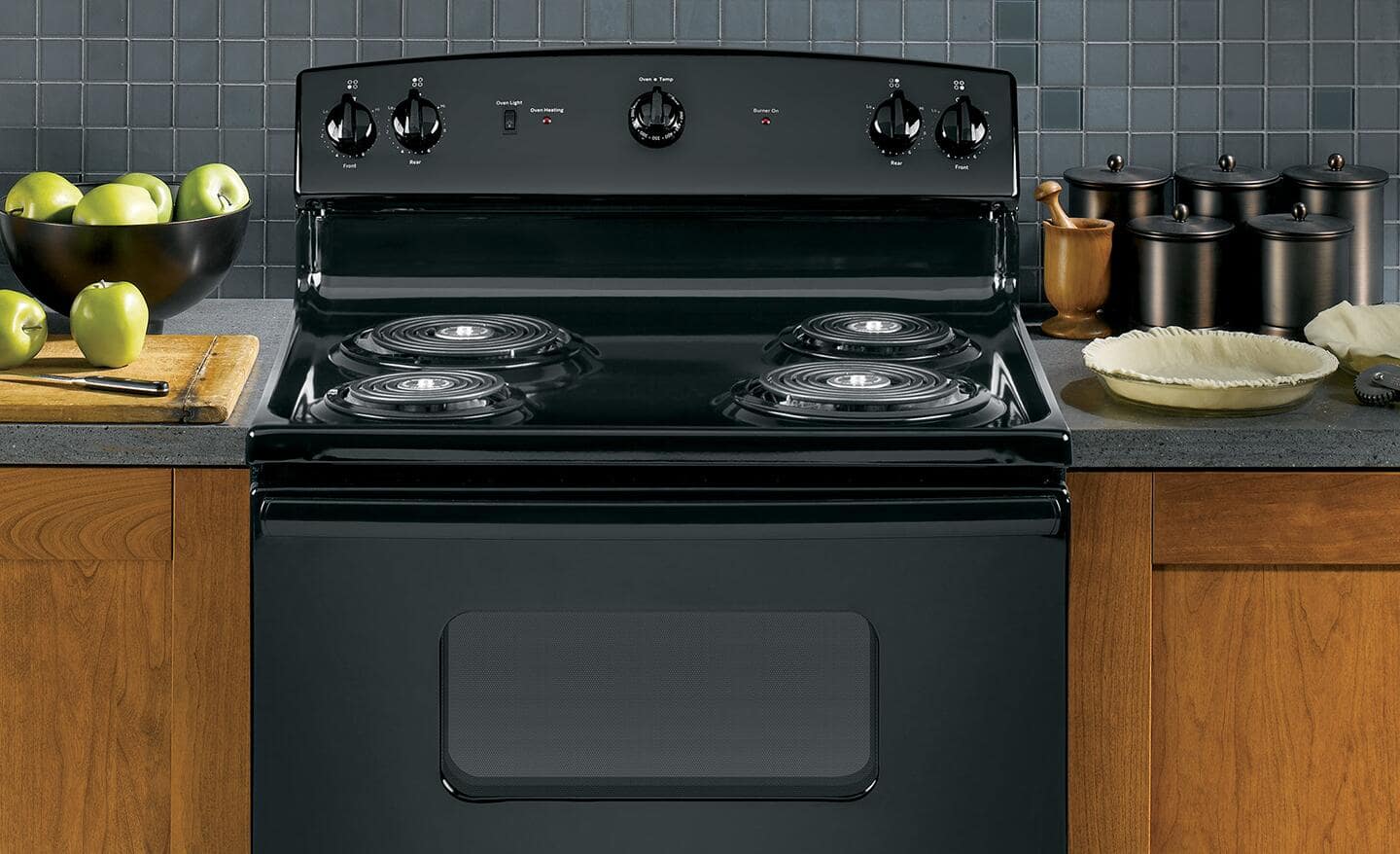
An electric stove is a kitchen appliance used for cooking food, but instead of using gas, it relies on electricity to produce heat. These stoves have heating elements—usually made of metal coils or smooth glass-ceramic surfaces—that get hot when electric current passes through them.
There are two main types of electric stoves:
- Coil electric stoves: You see raised metal coils on the cooktop.
- Smooth-top electric stoves: You see a flat, glass-ceramic surface. Heating elements are hidden underneath.
In both cases, the heat comes from electricity—not gas. When you turn the dial, electric current flows into the element, causing it to heat up and cook your food.
Key Differences From Gas Stoves
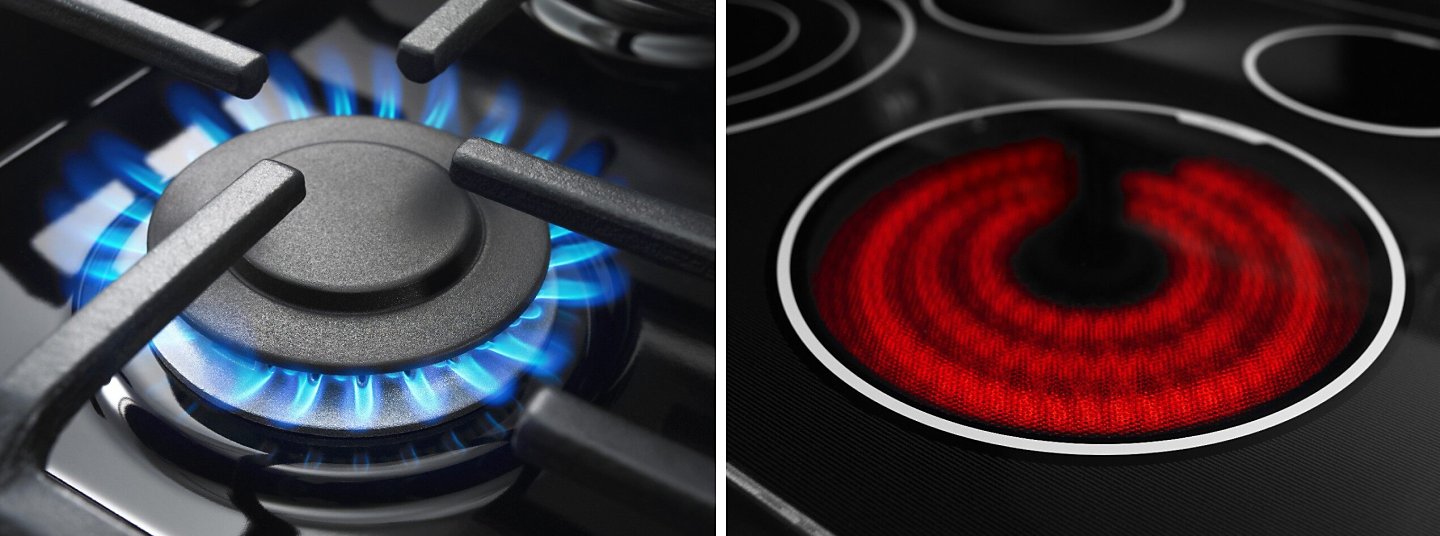
A gas stove uses natural gas or propane. When you turn the knob, gas flows out and is ignited by a spark or pilot light, creating an open flame. This is a very different process compared to electric stoves, which have no flame and no gas line.
Do Electric Stoves Use Gas?
The direct answer is: No, electric stoves do not use gas. They are designed to run only on electricity.
Electric stoves connect to your home’s electrical system, usually with a special 220-volt outlet. They do not need a gas line or gas hookup. All the heat is created by electrical resistance in the stove’s elements.
This means if you have an electric stove, you do not need to pay for or maintain a gas supply for cooking. Your cooking energy comes entirely from the power grid.

Credit: www.idlershome.com
Why The Confusion? Common Myths Explained
Many people believe that all stoves use gas, or that electric stoves can use both electricity and gas. This confusion comes from a few places:
- Dual-fuel stoves: Some high-end stoves combine electric ovens and gas burners. These are not standard electric stoves—they are special appliances called dual-fuel ranges.
- Old habits: In the past, gas was more common in kitchens. Some people still refer to “stoves” meaning “gas stoves” by default.
- Induction stoves: Some people think induction stoves are gas-powered, but they’re actually a type of electric stove that uses magnets to heat the cookware directly.
The important fact is, a standard electric stove does not and cannot use gas.
How Electric Stoves Work
Understanding the science behind electric stoves can clear up even more confusion.
The Heating Process
When you turn on an electric stove:
- Electricity flows into the heating element.
- The element, usually made of a metal like nickel-chromium, resists the flow of electricity.
- This resistance turns electrical energy into heat energy.
- The element heats up, and you can see it glowing red (especially on coil models).
- Heat transfers to your pots and pans, allowing you to cook food.
Components Of An Electric Stove
Let’s break down the main parts:
- Heating elements: Metal coils or ribbons that create heat.
- Thermostat: Measures temperature and controls power to the elements.
- Control knobs: Let you choose the heat level.
- Oven cavity (if present): For baking and roasting, using one or more electric heating elements.
There are no gas burners, no pilot lights, and no gas lines.
Credit: www.homedepot.com
Comparing Electric Stoves And Gas Stoves
To help you see the differences clearly, here’s a comparison:
| Feature | Electric Stove | Gas Stove |
|---|---|---|
| Fuel Source | Electricity only | Natural gas or propane |
| Heat Type | Heated coil or surface | Open flame |
| Installation | Requires 220V outlet | Requires gas hookup |
| Control | Dial for power level | Dial for flame size |
| Safety | No open flame | Open flame, gas leaks possible |
| Energy Cost | Depends on electric rates | Depends on gas rates |
This shows that electric stoves and gas stoves have different needs, costs, and safety considerations.
Different Types Of Electric Stoves
Electric stoves are not all the same. Here are the main types you’ll find:
1. Coil Electric Stoves
These have visible metal coils on the cooking surface. They are durable and affordable, but can be harder to clean.
2. Smooth-top (radiant) Electric Stoves
These have a flat glass or ceramic surface. The heating elements are under the glass. They look modern and are easier to clean but can be scratched.
3. Induction Stoves
These use electromagnetic fields to heat the pot directly, not the stove surface. They are very efficient, but you need special cookware that works with magnets (like cast iron or some stainless steel).
4. Freestanding Electric Ranges
The oven and cooktop are combined in one unit. Most common in homes.
5. Slide-in Electric Ranges
Designed to fit between cabinets for a built-in look.
All these types use only electricity for heating.
Credit: www.maytag.com
Dual-fuel Stoves: The Exception
A dual-fuel stove is a special appliance that combines both electric and gas power.
- The cooktop uses gas burners.
- The oven uses electric heating elements.
These are popular with serious home cooks who want the quick control of gas burners and the even baking of an electric oven. However, these are not standard electric stoves. If you have a dual-fuel stove, you will need both a gas line and an electric hookup.
Energy Usage: Electric Vs Gas Stoves
The cost and energy use of your stove depends on your local rates and how often you cook.
Energy Consumption
- Electric stoves typically use between 1000 and 3000 watts when in use.
- Gas stoves use about 7,000 to 18,000 BTUs per burner per hour.
If you use your stove for 1 hour a day, you can estimate monthly energy usage.
Cost Comparison Example
Let’s compare the estimated monthly cost for cooking 1 hour per day:
| Stove Type | Average Energy Used (per month) | Estimated Monthly Cost (US) |
|---|---|---|
| Electric Stove | ~90 kWh | $10–$15 (based on $0.11–$0.17 per kWh) |
| Gas Stove | ~5 therms (500,000 BTUs) | $3–$8 (based on $0.60–$1.60 per therm) |
This shows that, in most parts of the US, gas is usually cheaper for cooking, but the difference may not be large if you don’t cook often.
Other Factors Affecting Cost
- Older electric stoves use more power than newer models.
- Induction stoves are the most efficient type of electric stove.
- Local energy rates can change the cost comparison.
Installation: What You Need For An Electric Stove
If you want to install an electric stove, here’s what you’ll need:
- Dedicated 220-volt outlet: Most electric stoves need this special plug. A standard wall outlet (120V) is not enough.
- Proper wiring: The wiring must be strong enough for the stove’s power needs.
- No gas line required: You don’t need a gas hookup, but you do need reliable electricity.
If you are switching from gas to electric, you may need to hire an electrician to install the right outlet.
Safety: Electric Vs Gas Stoves
Safety is a big concern for any kitchen appliance.
Electric Stove Safety
- No open flame: Lower risk of burns or fires from direct contact.
- No gas leaks: You don’t have to worry about carbon monoxide or explosive leaks.
- Surface stays hot: After turning off the burner, the surface stays hot for a while. Always check before touching.
Gas Stove Safety
- Open flame: Risk of accidental fires if flammable materials are nearby.
- Gas leaks: Can cause explosions or carbon monoxide poisoning if not ventilated well.
- Ignition issues: Sometimes gas can flow without lighting, creating a safety hazard.
One non-obvious insight: Electric stoves are often chosen for apartments and condos because landlords and local laws want to avoid the risk of gas leaks.
Cooking Performance: Electric Vs Gas
Many cooks have strong opinions about their stoves. Here’s how they compare in real cooking:
Electric Stove Strengths
- Even heat: The whole element stays the same temperature, which is great for simmering or slow cooking.
- Good for baking: Electric ovens often have more stable temperatures than gas ovens.
Electric Stove Weaknesses
- Slower to heat up: It takes a little longer for the burner to get hot and cool down after you turn it off.
- Less control: You can’t adjust the heat instantly like you can with gas.
Gas Stove Strengths
- Instant heat: Flame is hot as soon as you turn it on.
- Fine control: Easily adjust the size of the flame for delicate cooking.
Gas Stove Weaknesses
- Uneven heat: The flame heats just the bottom of the pan.
- Baking challenges: Gas ovens can have hot spots and may not bake as evenly.
A practical tip: If you love to sear meat or need high heat quickly, gas might be better. If you do a lot of baking, electric ovens are often preferred.
Environmental Impact
Which Is Better For The Environment—electric Or Gas?
Electric Stoves
- The environmental impact depends on how the electricity is made. If your electricity comes from renewable sources (like wind or solar), electric stoves are cleaner.
- If your power comes from coal or natural gas plants, the impact is higher.
Gas Stoves
- Burning natural gas produces carbon dioxide and small amounts of other pollutants.
- Gas leaks (even small ones) can release methane, a strong greenhouse gas.
One insight that many people miss: In some areas, local governments are encouraging electric stoves to reduce indoor air pollution and climate impact.
Maintenance And Repair
Both types of stoves need care, but the details are different.
Electric Stove Maintenance
- Cleaning: Coil stoves need the drip pans cleaned often. Smooth-tops need gentle cleaning to avoid scratches.
- Element replacement: Heating elements can wear out, but are usually simple to replace.
- Less venting needed: No gas means you don’t need a vent for fumes.
Gas Stove Maintenance
- Burner cleaning: Burners can clog and need to be cleaned.
- Igniters and pilots: These can fail and need repair.
- Check for leaks: Gas lines and connections need regular checks for safety.
One thing beginners miss: Electric stoves may have electronic controls that are costly to fix if they fail, especially on newer models.
Upgrading Or Switching: What To Consider
If you’re thinking about switching from gas to electric, or vice versa, here are practical points to consider:
- Home wiring: Does your kitchen have a 220V outlet? If not, what’s the cost to add one?
- Cookware: Induction stoves need magnetic pots and pans.
- Energy rates: Which is cheaper in your area—gas or electricity?
- Local codes: Some cities now ban new gas hookups in homes to reduce pollution.
- Personal preference: Do you like the feel of instant heat, or do you want safer, flame-free cooking?
Pros And Cons Of Electric Stoves
To sum up the main points, here are the advantages and disadvantages of electric stoves:
Pros
- No gas line or gas bills
- Safer (no open flame)
- Easier to install in most homes
- Even heating for baking and simmering
- Modern designs (especially smooth-top and induction models)
Cons
- Slower to heat up and cool down
- Power outages mean no cooking
- Repair costs can be higher for electronic parts
- Can be less responsive for quick cooking changes
Real-world Examples
Let’s look at two families:
- The Martins live in a city apartment. Their building doesn’t allow gas lines for safety. They use a smooth-top electric range, love how easy it is to clean, and don’t worry about gas leaks.
- The Chandlers live in a rural home. They use propane for heat and cooking because electricity is expensive and unreliable in their area. Their gas stove lets them cook even during power outages.
These examples show there’s no one-size-fits-all answer—your best choice depends on your needs and where you live.
Future Trends: Electric Stoves Gaining Popularity
More cities and states are encouraging homeowners to choose electric stoves. There are a few reasons:
- Safety: No risk of gas leaks or carbon monoxide.
- Climate: Reduces fossil fuel use, especially as electricity gets greener.
- Indoor air quality: No burning gas means less indoor pollution.
According to the U.S. Energy Information Administration, electric stove use is rising while gas stove sales are leveling off, especially in new buildings.
For more details, you can read research and data at the U.S. Energy Information Administration.
Common Mistakes And Misconceptions
Here are mistakes many people make when thinking about electric stoves:
- Assuming all stoves use gas: Not true—many homes now use only electricity for cooking.
- Thinking electric stoves are always slow: Modern electric and induction stoves can heat very quickly.
- Believing you can switch fuels easily: Switching from gas to electric or vice versa may require major electrical or plumbing work.
- Not checking cookware: Induction stoves need special pots—your old set may not work.
- Ignoring local codes: In some cities, new gas stoves are no longer allowed in homes.
Tips For Choosing The Right Stove
If you’re shopping for a new stove, keep these points in mind:
- Check your kitchen’s power supply: Do you have the right outlet for an electric stove?
- Think about cleaning: Smooth-tops look great but show marks easily. Coil tops are tougher but harder to clean.
- Consider safety: If you have small children, an electric stove with no open flame can be safer.
- Budget for installation: Switching from gas to electric (or vice versa) might need professional help.
- Look at energy costs: Electric rates and gas prices can vary a lot by region.
A quick guide: If you want easy installation, modern design, and safety, an electric stove is a solid choice. If you value instant heat and cooking during power outages, consider gas.
Frequently Asked Questions
Do Electric Stoves Ever Use Gas For Any Function?
No, standard electric stoves do not use gas for any function. They use only electricity for both the cooktop and the oven. The only exception is a dual-fuel range, where the cooktop is gas and the oven is electric—but this is a special appliance, not a typical electric stove.
Can You Convert A Gas Stove To Electric?
It is possible, but it’s not simple. You’ll need to cap the gas line, remove the old stove, and install a dedicated 220V outlet for the new electric stove. This usually requires a licensed electrician and sometimes a plumber. It can be expensive, so check local codes and costs before starting.
Which Is Safer: Electric Or Gas Stoves?
Both types can be used safely, but electric stoves are generally considered safer because they have no open flame and no risk of gas leaks or carbon monoxide. However, the cooktop stays hot after use, so burns are still possible.
Always use caution with any stove.
Are Induction Stoves The Same As Electric Stoves?
Yes, induction stoves are a special type of electric stove. They use electromagnetic fields to heat the pan directly, making them very efficient and fast. They do not use gas at all. The only difference is the heating method compared to coil or radiant electric stoves.
Is It True That Electric Stoves Are Worse For The Environment?
Not always. The impact depends on how your electricity is made. If your power comes from clean sources like wind or solar, electric stoves can be much better for the environment than gas. If your electricity is mostly from coal or gas plants, the benefit is smaller, but as the grid gets cleaner, electric stoves become greener over time.
Choosing the right stove for your kitchen means understanding how each type works and what fits your needs. Electric stoves do not use gas—they rely only on electricity. They offer safety, modern design, and even heating, though they may heat up a little slower than gas. As more cities move toward electric appliances for safety and climate reasons, knowing these facts will help you make smart choices. Whether you’re upgrading, remodeling, or just curious, now you know: if it’s electric, it’s gas-free.