
Choosing the right color for your vinyl plank flooring can transform the look and feel of your home. Many people focus on durability or texture, but color is just as important. The right shade can make a small room feel bigger, a dark space look brighter, or an old house appear modern. However, with so many colors and styles available, picking the best one can feel overwhelming. If you want your space to look its best, you need to think about more than just what looks nice in a showroom. You should consider your lighting, wall colors, the style of your furniture, and even your lifestyle needs.
Most people don’t realize how much the floor color affects the mood of a room. It’s more than a background. The color you choose will set the stage for everything else. If you choose wrong, your room can feel cold, crowded, or mismatched.
But if you choose right, you’ll love your space for years. This guide will walk you through every step of picking the perfect vinyl plank flooring color. Whether you’re renovating a single room or your whole house, you’ll find tips, examples, and practical advice here.
Let’s make sure you pick a color you’ll love, not just today but for years to come.
Why Color Matters For Vinyl Plank Flooring
Color is not just about style. It changes how people feel in a space. Light colors can make a room feel open and fresh, while dark colors add warmth and coziness. Some colors hide dirt better, while others show every footprint. The right color can even help with resale value, making your home more attractive to buyers.
Many homeowners don’t realize that color can also affect how big or small a room feels. For example, cool tones (like gray or blue) can make a space seem larger and more relaxed. Warm tones (like brown or red) make it feel cozy and inviting. Color also influences the mood—calm, energetic, traditional, or modern.
One insight most people miss: flooring color can impact lighting costs. Dark floors absorb more light, which means you may need stronger lamps or bigger windows. Light floors reflect light, so rooms often feel brighter without extra fixtures. This is something to think about, especially if you have limited natural light.
Understanding Vinyl Plank Flooring Color Options
Vinyl plank flooring comes in a huge range of colors. The most common choices are:
- Natural wood tones (oak, walnut, maple)
- Grays and whites
- Blacks and espresso
- Beige and taupe
- Bold colors (blue, red, or even green)
Each has its pros and cons, depending on your style and needs.
Wood-look Vinyl Planks
These mimic the appearance of real wood, with grain patterns and knots. Popular shades include honey oak, espresso walnut, and whitewashed pine. They fit almost any decor—from rustic to modern.
Solid Colors And Unique Finishes
Vinyl planks also come in solid colors or special finishes, such as stone-look or metallic. These are less common but can make a statement in modern homes or commercial spaces.
Warm Vs. Cool Tones
Warm tones (like golden brown or cherry) make rooms feel cozy. Cool tones (gray, ash, or blue) create a calm, modern vibe. The best choice depends on your existing decor and the feeling you want for the room.

Credit: www.youtube.com
Key Factors To Consider When Picking A Color
Choosing a flooring color is not just about picking what looks good in a sample. You need to think about the whole room and your lifestyle.
1. Room Size And Ceiling Height
Light colors make small rooms feel bigger and ceilings higher. If you have a tiny bedroom or a low ceiling, consider pale shades like white oak or light gray. For large, open rooms, darker colors can make the space feel warmer and less empty.
Example: Installing pale gray vinyl planks in a small apartment living room can make it feel much more spacious, while dark walnut in a big dining room adds drama and intimacy.
2. Lighting (natural And Artificial)
Natural sunlight and artificial lights change how floor colors look. A color that looks great in the store can appear very different in your home.
- North-facing rooms: These get cool, bluish light. Warm-toned floors (like honey or chestnut) can balance out the coldness.
- South-facing rooms: These are full of warm light. Cool or neutral floors (like gray or taupe) work well.
- Low-light rooms: Light-colored flooring helps reflect light and brighten the space.
- Rooms with lots of windows: Almost any color works, but avoid very light floors if you don’t want glare.
Tip: Always view large samples in your actual room at different times of day before deciding.
3. Wall Color And Trim
Your floor should complement—not clash with—your walls and trim. If your walls are bold or colorful, a neutral floor is usually the safest bet. If your walls are white or gray, you have more freedom to use bold flooring colors.
Insight: Matching the undertones of your flooring and wall colors (for example, both warm or both cool) creates harmony and flow. Mixing undertones can make a space feel off-balance.
4. Existing Furniture And Decor
Think about your furniture and decor. If you have dark, heavy furniture, a light floor color can balance it out. Modern, minimal furniture pairs well with gray or black floors. Rustic or vintage pieces look better with warm, natural wood tones.
Example: Scandinavian design often uses pale wood floors with simple, light-colored furniture for a clean and airy look.
5. Lifestyle: Pets, Kids, And Cleaning
If you have pets or young children, practical color choices matter. Mid-tone floors (neither very light nor very dark) are best at hiding dirt, scratches, and pet hair. Very light floors show mud and dark hair, while very dark floors show dust and light hair.
Fact: Studies show that mid-tone and textured floors need less frequent cleaning to look tidy.
6. Style And Mood
Ask yourself what feeling you want for the room.
- For a cozy, traditional look: Use warm browns, chestnut, or reddish tones.
- For a modern, sleek look: Use gray, black, or whitewashed planks.
- For a beachy, relaxed vibe: Use light tan or sandy colors.
7. Resale Value And Trends
If you plan to sell your home in the next few years, neutral colors (like gray, beige, or natural wood**) are the safest. They appeal to the most buyers and won’t go out of style. Trendy colors may look dated after a few years.
Data point: According to the National Association of Realtors, homes with neutral flooring sell 15% faster than those with bold or unusual colors.
Comparing Popular Vinyl Plank Flooring Colors
Choosing between colors is easier when you compare their strengths and weaknesses. Here’s a side-by-side look at the most popular options:
| Color | Best for | Common Drawbacks | Cleaning Frequency |
|---|---|---|---|
| Light Gray | Modern, small rooms, brightening spaces | Shows dark dirt, may look cold | Medium |
| Natural Oak | Traditional, versatile, resale value | Can yellow with age | Low |
| Dark Walnut | Luxury, large rooms, warmth | Shows dust, makes rooms look smaller | High |
| Whitewashed | Beach, Scandinavian, airy feel | Shows stains, hard to maintain | High |
| Beige/Taupe | Neutral, hides dirt, busy homes | Can look bland if overused | Low |
Matching Flooring Color To Home Styles
Every home has a unique style. Your flooring should match or enhance it. Here are examples of good color choices for different styles:
Modern Or Contemporary Homes
Best colors: Gray, black, white, ash, or cool-toned planks. These create a clean, uncluttered look. Avoid yellow or red hues, which can feel outdated.
Traditional Homes
Best colors: Warm browns, reddish woods, or rich walnut shades. These add comfort and complement classic furniture.
Rustic Or Farmhouse Style
Best colors: Weathered gray, distressed oak, or honey brown. Look for planks with knots and varied tones for a lived-in look.
Beach Or Coastal Homes
Best colors: Whitewashed, light tan, sandy beige, or pale gray. These reflect sunlight and create a relaxed, vacation feel.
Urban Or Industrial Spaces
Best colors: Charcoal, stone-look, or even metallic finishes. These match exposed brick, metal, and concrete details.
How Light And Undertones Affect Flooring Color
A color’s “undertone” is the subtle hint of color beneath the main shade. For example, a gray plank may have blue, green, or brown undertones. The undertone can make a big difference in how the floor looks with your walls and furniture.
Common undertones:
- Cool undertones: Blue, green, or purple hints. Good for modern, calm spaces.
- Warm undertones: Yellow, red, or orange hints. Great for cozy, inviting rooms.
- Neutral undertones: Mix of warm and cool, very versatile.
Key insight: Even if two planks look “gray,” their undertones can clash with your decor if you’re not careful. Always compare samples in your space and check them with your wall and furniture colors.
How To Test Vinyl Plank Flooring Colors At Home
Don’t rely on a tiny sample. Bring home the largest samples you can. Place them in the room, and look at them during morning, afternoon, and evening. Notice how the color changes with the light.
Steps to test colors:
- Get at least two or three color samples you like.
- Lay them flat on the floor next to your main furniture pieces.
- View them at different times of day.
- Notice how they look next to your walls, curtains, and rugs.
- Walk on them, if possible, to see how they look in use.
Extra tip: If your room connects to other rooms, check how the flooring colors will flow from one space to the next. Abrupt changes can make your home look choppy.
Mistakes To Avoid When Choosing Vinyl Plank Flooring Color
Even experienced homeowners make mistakes. Here are common errors to watch for:
1. Ignoring Natural Light
Don’t pick a color based only on the showroom or a photo. Your home’s unique lighting will change how the color looks.
2. Following Trends Blindly
What’s “in” today may look outdated next year. Choose colors you actually like, not just what’s popular.
3. Forgetting About Pets And Kids
Glossy, dark, or very light floors show every mark. If you have an active home, choose textured or mid-tone planks.
4. Overmatching Everything
Some people try to match the floor to every detail in the room. This can look forced. Instead, focus on complementing, not matching, your decor.
5. Picking The Cheapest Option
Low-quality planks can fade or yellow over time. Invest in good brands with UV-resistant finishes, especially for light colors.

Credit: househomemade.us
How To Use Color To Solve Common Room Problems
Floor color isn’t just about style—it can fix real issues in your home.
Making Small Spaces Look Bigger
Use light colors like white oak, pale gray, or beige. Lay the planks parallel to the longest wall to draw the eye across the space.
Brightening Dark Rooms
Choose reflective, light shades. Avoid dark walnut or black. If possible, add rugs in similar light tones to increase the effect.
Hiding Dirt And Pet Hair
Go for mid-tone browns or grays with some texture. Avoid solid black or pure white, which show everything.
Adding Warmth To Cold Rooms
Pick warm tones—honey, chestnut, or reddish brown. These make spaces feel more inviting, especially in rooms with little sun.
How Vinyl Plank Flooring Color Affects Maintenance
Some colors are easier to live with than others. Here’s a quick look at how color impacts cleaning and care:
| Floor Color | Hides Dust & Hair? | Shows Scratches? | Maintenance Level |
|---|---|---|---|
| Light | No (shows dark hair, mud) | Yes, but less visible | Medium |
| Mid-tone | Yes (best for busy homes) | No (hides wear well) | Low |
| Dark | No (shows dust, light hair) | Yes, especially with glossy finish | High |
Expert tip: Textured finishes hide scratches and dirt better than smooth, shiny planks, no matter the color.
Matching Floor Color With Other Flooring In The Home
If you’re not replacing all floors at once, think about how new vinyl plank color will look next to your existing tile, carpet, or hardwood.
- For open floor plans, stick to similar tones for a smooth flow.
- For separate rooms, you can use different colors, but choose shades that coordinate.
- Avoid using two strong wood patterns side by side—they can compete for attention.
Pro insight: A slight contrast (like a lighter vinyl next to darker hardwood) works well, but too much difference can look random. Try to keep undertones similar for a unified feel.
The Role Of Finish (matte, Gloss, Textured) In Color Choice
The finish changes how the color appears. Glossy finishes reflect more light, making colors look lighter and more dramatic. Matte finishes absorb light for a softer, more natural look. Textured planks hide dirt and add realism to wood-look vinyl.
- Glossy, dark colors: Show every footprint and scratch. Best for low-traffic areas.
- Matte, light colors: More forgiving, ideal for busy spaces.
- Textured finishes: Great for homes with pets or kids.
Comparing Vinyl Plank Flooring Colors To Other Flooring Types
How do vinyl plank color choices compare to wood, laminate, or tile? Here’s a quick overview:
| Flooring Type | Color Options | Best For | Color Fading |
|---|---|---|---|
| Vinyl Plank | Huge variety, from woods to unique shades | Any room, basements, kitchens | Resistant, especially with UV coating |
| Hardwood | Natural wood colors, stains | Living rooms, bedrooms | Can fade in sunlight |
| Laminate | Many wood and stone looks | Dry areas, budget projects | Moderate resistance |
| Tile | All colors, patterns | Bathrooms, kitchens | No fading, but grout can stain |
Vinyl plank offers the most flexibility in color and is less likely to fade than real wood or laminate.
Sustainability And Color Choice
Most people don’t connect color with eco-friendliness, but it matters. Light-colored vinyl planks often use less pigment and fewer chemicals. Some brands now offer eco-friendly options with recycled content and low-VOC finishes. If you care about indoor air quality, ask for certifications like FloorScore.
Helpful resource: Learn more about sustainable flooring options from the EPA.
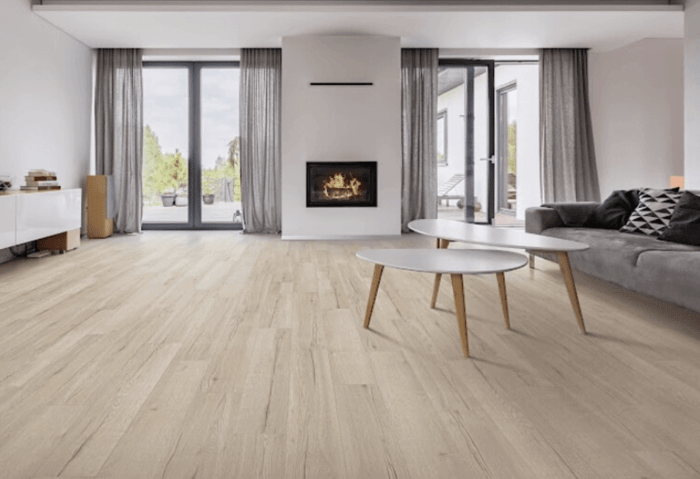
Credit: www.proximitymillsflooring.com
Final Steps: How To Decide
You’ve learned about room size, lighting, style, and maintenance. Here’s how to put it all together:
- List your needs: Brighten a dark room? Hide dirt? Match existing decor?
- Narrow down your color choices to two or three.
- Bring home large samples and test them in your space.
- Check how the samples look with your walls, furniture, and lighting.
- Think about future needs—will you change the wall color or furniture soon?
- Get advice from a pro if you’re unsure.
- Make your choice with confidence!
Remember, the right floor color is the one you’ll enjoy every day. Don’t rush—take time to test and compare.
Frequently Asked Questions
What Color Vinyl Plank Flooring Is Best For Small Rooms?
Light colors like pale gray, white oak, or beige are best for small rooms. They reflect more light, making the space feel open and larger. Avoid very dark colors, which can make rooms feel cramped.
How Do I Match Vinyl Plank Flooring Color With My Cabinets?
Look for undertones in both your cabinets and flooring. If your cabinets are warm (yellow, red, or orange hues), choose a warm-toned floor. For cool cabinets (gray, blue), select a cool-toned plank. Aim for contrast—a light floor with dark cabinets, or vice versa—so they don’t blend together.
Do Dark Vinyl Floors Show More Dirt And Scratches?
Yes, dark floors tend to show dust, pet hair, and light-colored dirt more easily. They also make scratches more visible, especially if the finish is glossy. Mid-tone and textured planks hide dirt and wear better.
Are Gray Vinyl Plank Floors Still In Style?
Gray floors remain popular, especially for modern and transitional homes. They work well with many colors and decor styles. However, trends are slowly shifting toward warmer neutrals. If you love gray, choose a shade with a warm undertone for long-lasting appeal.
Can I Install Different Color Vinyl Planks In Different Rooms?
Yes, but make sure the colors coordinate, especially if rooms connect or are visible from each other. Use similar undertones or a color palette that flows from one space to another. Too many unrelated colors can make your home look chaotic.
Picking the right color for your vinyl plank flooring is more than a quick decision—it’s an investment in your comfort and style. With these tips, you’ll be able to choose a color that fits your space, lifestyle, and taste for years to come.