
Broiling is a classic way to prepare food with a crispy top and juicy inside, making dishes like steaks, fish, and vegetables stand out. But what if you don’t own a broiler pan? Maybe yours is missing, damaged, or simply never came with your oven. Fortunately, you’re not stuck—there are many broiler pan substitutes that work well, sometimes even better, depending on your kitchen tools and the meal you want to make.
Understanding which substitute to use can help you get the results you want, keep cleanup easy, and avoid kitchen mistakes that can ruin your food or damage your oven. This guide explores the best broiler pan substitutes, how to use them correctly, what makes each one unique, and tips for broiling success at home.
What Is A Broiler Pan And Why Use One?
A broiler pan is a two-piece metal tray. The top has slits or holes to let fat and juices drip down as food cooks. The bottom catches these drippings so your food doesn’t sit in grease or burn. This setup is great for making meats crispy and brown while staying tender inside.
Broiler pans are usually made from stainless steel or porcelain-coated steel. They can handle very high heat, often up to 500°F or more. But not everyone has this special pan, and some modern ovens don’t include one.
Why does this matter? If you put food directly on a baking sheet or foil, it can cook unevenly, get soggy, or even smoke and set off your fire alarm. That’s why picking the right substitute is important.
Key Factors When Choosing A Broiler Pan Substitute
Not all pans and trays are safe for broiling. Before you use something as a substitute, consider these points:
- Material: Broiling needs high heat. Only use pans made from metal (like stainless steel or cast iron) that can handle temperatures above 450°F.
- Size: Food should fit with some space around it for air and heat to circulate.
- Surface: A raised or ridged surface helps fat drain away from food, making it crispier.
- Oven Compatibility: Some pans might warp or melt. Avoid non-stick coatings unless they are rated for broiling.
- Cleanup: Broiling is messy. Choose substitutes that are easy to clean or line with foil.
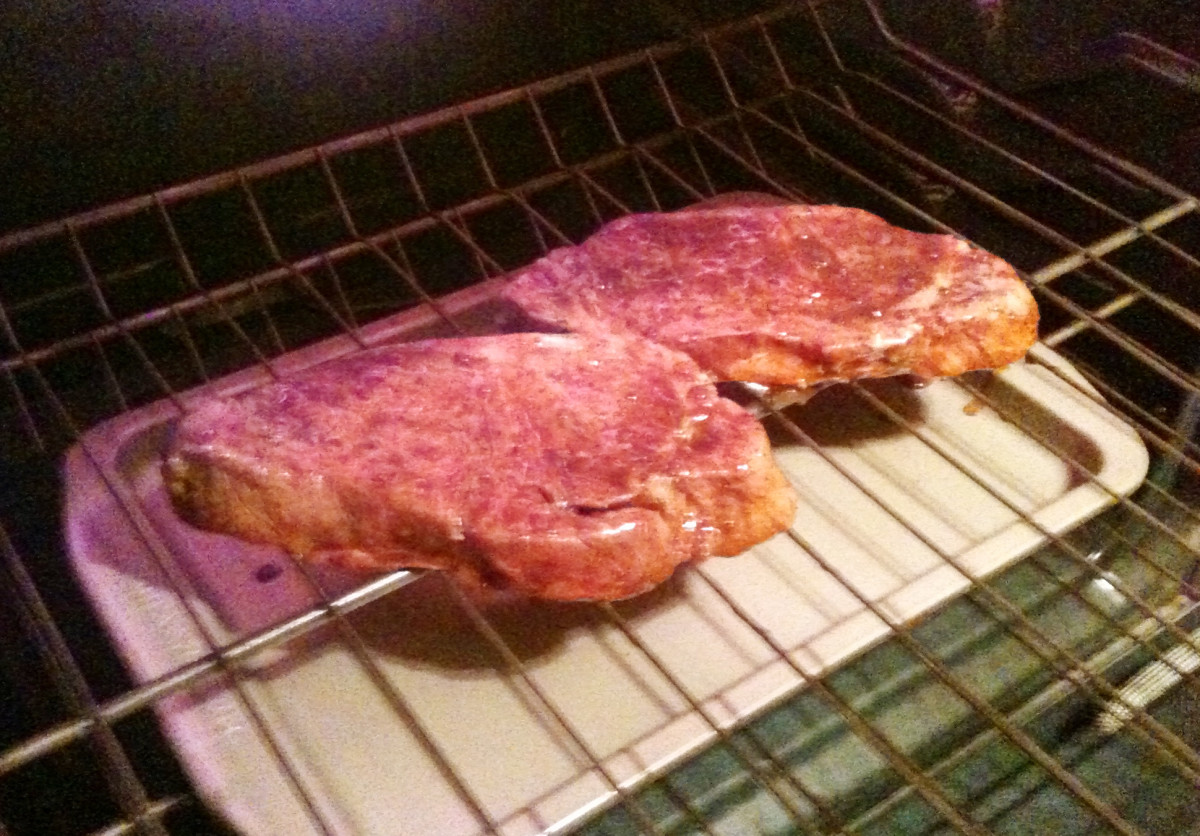
Many home cooks make mistakes by using glass dishes (which can shatter) or non-broiler-safe pans (which can smoke or warp). Always check the manufacturer’s guidance if you’re unsure.
Credit: discover.hubpages.com
The Best Broiler Pan Substitutes
Let’s look at the most reliable options to replace a broiler pan, including how to set them up and when each one works best.
1. Roasting Pan With Rack
A roasting pan with a rack is one of the closest matches to a broiler pan. Most kitchens have one for roasting turkeys or large meats. The rack keeps food raised, letting fat drip below and heat circulate.
To use it:
- Place the rack inside the pan.
- Put your food on top.
- Slide the pan under the broiler element.
The result is crispy, evenly cooked food. Clean-up is simple because you can line the pan with foil to catch drips.
Tip: Make sure the rack fits securely and is oven-safe. Some racks are not rated for broiler heat.
2. Cast Iron Grill Pan
A cast iron grill pan is heavy, durable, and can handle extreme temperatures. Its raised ridges mimic the effect of a broiler pan, giving food grill marks and keeping it above drippings.
How to use:
- Preheat the grill pan under the broiler for a few minutes.
- Place your food on the hot pan.
- Broil as usual, flipping if needed.
Cast iron holds heat well, which helps achieve a nice sear. It’s great for steaks, chicken, and vegetables.
Non-obvious insight: Always preheat the cast iron pan to get better browning and prevent sticking.
3. Baking Sheet With Wire Cooling Rack
A baking sheet paired with a wire cooling rack is a simple, effective substitute. The rack lifts food up so heat can reach all sides, while the baking sheet below catches drips.
Setup:
- Lay a sturdy, oven-safe wire rack inside a rimmed baking sheet.
- Place your food on the rack.
- Broil, watching closely to avoid burning.
This combo is especially good for broiling fish, bacon, or smaller cuts of meat.
Caution: Some cooling racks are not oven-safe. Only use racks labeled as safe for high heat.
4. Aluminum Foil “diy Broiler Pan”
If you don’t have any racks or special pans, you can make a broiler pan with aluminum foil.
How to do it:
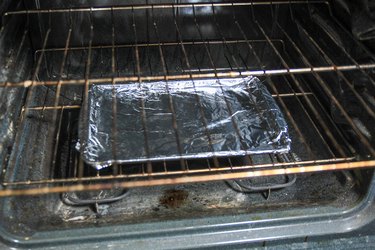
- Take a rimmed baking sheet and cover it with heavy-duty foil.
- Crumple another piece of foil and shape it into a rack or coil.
- Place your food on the foil “rack.”
This method lets fat drain away and keeps food from sitting in grease. It’s a good last-minute solution.
Pro tip: Poke holes in the top foil to let juices drain through, but be careful not to rip the foil and make a mess.
5. Broiler-safe Baking Dish
Some ceramic or metal baking dishes are safe for broiler use. Check the bottom of your dish for “broiler-safe” markings.
How it works:
- Place food directly in the dish.
- Position it under the broiler.
- Watch closely—ceramics heat slowly, so food may brown unevenly.
This method is best for foods that don’t release much fat (like vegetables or fish) since there’s no way for grease to drain away.
6. Grill Grate Over A Sheet Pan
For those who love outdoor grilling, a grill grate can be used indoors.
Steps:
- Place a clean grill grate over a rimmed baking sheet.
- Lay your food on the grate.
- Slide the setup under the broiler.
This gives your food grill marks and good airflow. It’s perfect for burgers or kabobs.
Non-obvious insight: Make sure the grill grate fits inside your oven and is clean; leftover grill residue can smoke.
7. Disposable Broiler Pans
Grocery stores often sell disposable broiler pans made from thin aluminum. These are cheap, lightweight, and convenient for quick meals or easy cleanup.
Usage:
- Place your food on the slotted top piece.
- Throw away after use.
These pans aren’t as sturdy as real broiler pans, but they work well for small jobs or when traveling.
8. Sheet Pan Alone
A simple rimmed sheet pan can work for broiling, especially for thin foods like vegetables or shrimp. There’s no rack, so food sits in juices, but it’s fast and easy.
How to use:
- Arrange food in a single layer.
- Broil quickly, removing as soon as food browns.
Common mistake: Overcrowding the pan can lead to steaming instead of crisping.
9. Cast Iron Skillet
A cast iron skillet is a kitchen workhorse. It can go from stovetop to broiler without worry.
How to use:
- Heat the skillet before adding food.
- Place under the broiler for a quick sear.
This method is ideal for dishes like steak or finishing frittatas.
Note: The handle gets extremely hot—always use oven mitts.
10. Enameled Steel Pan
An enameled steel pan is durable and easy to clean. Some brands make pans specifically for high-heat broiling.
To use:
- Place food in the pan.
- Broil as you would with a regular broiler pan.
These pans heat evenly and don’t react with acidic foods, making them a good choice for tomato-based recipes.
11. Pizza Stone With Aluminum Foil
A pizza stone can be used for broiling flat foods like pizza or open-faced sandwiches.
Steps:
- Preheat the stone in the oven.
- Place a piece of foil on top to keep food from sticking.
- Broil quickly, as the stone holds heat very well.
Warning: Pizza stones can crack if exposed to sudden temperature changes. Always preheat with the oven.
12. Griddle Pan
A griddle pan (flat or ridged) is useful for broiling larger pieces of meat or vegetables.
How to use:
- Preheat the pan.
- Arrange food in a single layer.
- Broil, flipping halfway through.
Griddle pans often have a non-stick surface, so check if yours can handle broiler temperatures.
13. Commercial-grade Stainless Steel Tray
Some kitchens have heavy-duty stainless steel trays. These are safe for broiling and provide even heating.
Usage:
- Place food directly on the tray.
- Broil as needed.
These trays are easy to clean but may need to be lined with foil to prevent sticking.
14. Ovenproof Glass Pan (with Caution)
Some ovenproof glass pans like Pyrex are technically safe up to certain temperatures, but most manufacturers warn against broiler use because the glass can shatter under direct high heat.
If you try this method:
- Place the pan on a lower rack, further from the broiler.
- Never expose a cold glass pan to a hot oven.
Advice: Only use this as a last resort and never for fatty foods that can cause flare-ups.
15. Air Fryer Tray (oven-safe Models)
Some air fryer ovens come with broiler trays or mesh racks that work in standard ovens.
Steps:
- Place the tray or rack in your oven.
- Broil food as usual.
These trays are designed to let air circulate, mimicking the effect of a traditional broiler pan.
—
Broiler Pan Substitutes At A Glance
Here’s a side-by-side look at some common broiler pan substitutes, their advantages, and best uses:
| Substitute | Best For | Cleanup | Notes |
|---|---|---|---|
| Roasting Pan + Rack | Meats, poultry | Easy, if lined with foil | Close match to broiler pan |
| Cast Iron Grill Pan | Steak, vegetables | Needs seasoning | Preheat for best results |
| Baking Sheet + Cooling Rack | Fish, bacon | Easy, if rack is nonstick | Check rack is oven-safe |
| Aluminum Foil DIY | Emergency use | Disposable | Poke holes for drainage |
| Disposable Broiler Pan | Small meals | Throw away | Not as sturdy as real pan |
—
What To Avoid When Broiling Without A Broiler Pan
Even with good substitutes, some mistakes can cause problems:
- Never use glass bakeware under a direct broiler unless the label says “broiler-safe.”
- Avoid non-stick pans unless specifically rated for broiler heat; coatings can release harmful fumes or peel.
- Don’t use plastic utensils or racks; they’ll melt.
- Watch food closely—substitutes might brown food faster or slower than a real broiler pan.
- Make sure substitutes are clean; leftover oil or food can burn and smoke.
Pro tip: Place a layer of foil on the oven rack below your broiling setup to catch any drips that might miss your pan. This keeps your oven clean.
—
Cleaning And Maintenance Tips For Broiler Pan Substitutes
Broiling can make a mess. Here’s how to handle cleanup and keep your substitutes in good shape:
- Soak pans and racks right after cooking to loosen stuck-on bits.
- Use a non-abrasive scrubber for nonstick or enameled surfaces.
- Season cast iron regularly to prevent rust and sticking.
- Replace disposable pans after one use; they’re not designed for reuse.
- Check for warping after broiling. Some cheap pans can bend under high heat.
Non-obvious insight: If your substitute pan has stubborn grease, sprinkle with baking soda and a bit of hot water—let sit, then scrub. This method is gentle and effective.
—
Broiling Techniques For Success With Substitutes
Using a substitute changes how food cooks. Here’s how to get the best results:
- Preheat your pan or rack. A hot surface will sear food better and reduce sticking.
- Position food correctly. The closer to the broiler element, the faster it cooks. Watch carefully to avoid burning.
- Flip food as needed. Some substitutes brown one side faster.
- Leave space around food for air to circulate.
- Use a meat thermometer for thick cuts to avoid undercooking.
Example: When broiling steak with a cast iron pan, preheat the pan for 5 minutes, broil the steak for 2-3 minutes per side, and check for doneness with a thermometer.
—
Choosing The Right Substitute For Your Food
Not all substitutes work for every recipe. Here’s a guide to match substitute and food type:
| Food Type | Best Substitute | Why |
|---|---|---|
| Steak/Chops | Cast Iron Grill Pan, Roasting Pan + Rack | High heat, good browning |
| Fish | Baking Sheet + Cooling Rack | Gentle, even cooking |
| Vegetables | Sheet Pan, Cast Iron Skillet | Fast, easy cleanup |
| Bacon | Wire Rack + Baking Sheet | Keeps bacon crisp |
| Poultry | Roasting Pan + Rack | Elevates, cooks evenly |
| Pizza | Pizza Stone + Foil | Crusty base |
—
Credit: www.ehow.com
Common Beginner Questions And Mistakes
Can I Use Any Metal Pan For Broiling?
No. While most metal pans can handle high heat, thin or low-quality metal can warp. Always check the manufacturer’s instructions.
Does Broiling Work The Same With Substitutes?
Not always. Some substitutes heat food faster or slower, and some don’t let fat drain away as well. Adjust cooking time and check food often.
Can I Use Nonstick Or Glass Pans?
Use only if labeled broiler-safe. Most nonstick and glass pans are not safe for broiling and can be dangerous.
What If I Don’t Have Any Pans?
You can make a temporary rack from crumpled foil on a sturdy baking sheet. It’s not perfect but works in a pinch.
Why Does My Food Smoke When Broiling?
Excess fat drips and burns, or dirty pans smoke. Use a rack to keep food above fat and keep pans clean.
—
When To Buy A Real Broiler Pan
While these substitutes work, a real broiler pan is the best choice for regular broiling. It’s built for high heat, easy to clean, and reduces the risk of accidents.
If you broil often, consider buying a quality broiler pan. It will improve your results and make broiling safer and less stressful.
You can find broiler pans online or at kitchen stores. Brands like GE, Frigidaire, and Nordic Ware offer pans designed to fit most ovens.
—
Safety Precautions When Using Broiler Pan Substitutes
Broiling uses intense heat, so safety matters:
- Always use oven mitts; pans and racks get extremely hot.
- Turn on your kitchen’s exhaust fan to remove smoke or fumes.
- Never leave food unattended under the broiler.
- Keep children and pets away from the oven when broiling.
Non-obvious safety tip: If your oven has a “broil” setting, use it rather than just setting a high temperature. The broil setting activates the top heating element only, which is essential for true broiling.
—
Broiler Pan Substitutes: Which Is Best For You?
Choosing a substitute depends on what you cook most, your kitchen tools, and how often you broil. If you love steak, a cast iron grill pan is hard to beat. For fish or bacon, a wire rack and baking sheet offer even results and easy cleanup. For vegetables, a simple sheet pan works well.
If you’re not sure, start with the tools you have and pay attention to how your food turns out. Make adjustments as needed, and don’t be afraid to experiment.
For more about safe cookware materials, visit Cook’s Illustrated.
—

Credit: www.youtube.com
Frequently Asked Questions
What Is The Safest Broiler Pan Substitute For High-heat Cooking?
The cast iron grill pan is one of the safest and most reliable substitutes for high-heat broiling. It can handle extreme temperatures, gives excellent browning, and is unlikely to warp or break.
Can I Use Foil Instead Of A Broiler Pan?
Yes, you can use heavy-duty aluminum foil to make a DIY broiler pan. Shape it into a rack or poke holes for drainage. However, always place foil on a sturdy baking sheet to avoid spills and keep your oven safe.
Why Shouldn’t I Use Glass Pans Under The Broiler?
Most glass pans are not designed for broiler use. The intense, direct heat can cause the glass to shatter, even if it’s labeled as ovenproof. Stick to metal pans for broiling.
How Do I Know If My Pan Is Broiler-safe?
Check the bottom or packaging of your pan. Look for terms like “broiler-safe” or a temperature rating above 450°F. If you can’t find this information, contact the manufacturer or use a proven substitute.
What Foods Should Not Be Broiled With A Substitute Pan?
Avoid broiling very fatty meats or foods with lots of marinade on a pan without drainage, like a flat baking sheet or glass dish. Fat can pool, causing smoke, flare-ups, or uneven cooking.
—
Finding the right broiler pan substitute can make broiling safe, easy, and delicious. With the options and tips in this guide, you can enjoy crispy, perfectly cooked food—even if your kitchen lacks a traditional broiler pan. Try different substitutes to see what works best for your recipes and equipment. Happy broiling!