
Caring For Terrazzo Floors: The Complete Guide
Terrazzo floors are famous for their durability, unique patterns, and classic style. You’ll find them in old schools, luxury hotels, modern homes, and airports. But many people don’t know how to keep terrazzo looking shiny and beautiful for years. If you’re new to terrazzo, you might worry: Will it stain easily? Does it need special cleaning? Can it lose its shine? Caring for terrazzo is simple, but it’s different from regular tile or stone floors. With the right steps, your terrazzo will stay bright and strong for decades.
This guide will show you how to clean, protect, and maintain terrazzo floors the right way. You’ll learn the best cleaning routines, products to avoid, and solutions for common problems. We’ll also cover expert tips that even experienced cleaners sometimes forget.
By the end, you’ll feel confident about caring for any terrazzo floor—at home, in a business, or anywhere else.
What Makes Terrazzo Floors Special?
Terrazzo is not just another stone floor. It’s a composite material—a mix of marble, quartz, granite, glass, or other chips, held together with cement or resin. After pouring, workers grind and polish the surface until it’s super smooth. The result is a hard, glossy floor with colorful designs and speckles.
Some facts about terrazzo:
- Terrazzo has been used since Venetian times (over 500 years ago).
- It’s common in high-traffic places because it’s so tough.
- Most terrazzo floors last 40-100 years with good care.
- Terrazzo can be poured in place or set as pre-made tiles.
The surface is non-porous after sealing, but the chips and binder can react to harsh chemicals or scratching. That’s why terrazzo care is different from wood, vinyl, or even granite floors.
Basic Daily And Weekly Terrazzo Floor Care
Most terrazzo floors stay beautiful with simple, regular cleaning. Dirt and grit are the biggest threats, not stains or spills. Here’s what you should do:
- Sweep or Dust Mop Daily: Fine dust and sand can scratch terrazzo’s glossy finish. Use a soft, untreated dust mop (not a broom with stiff bristles) every day, especially in busy areas.
- Vacuum Regularly: For homes, vacuuming once or twice a week removes dirt from corners and grout lines. Choose a vacuum with a hard floor setting and a soft brush.
- Damp Mop Weekly: Mop with warm water and a neutral pH floor cleaner. Avoid soaking the floor. Wring out the mop well so it’s damp, not wet.
- Spot-Clean Spills Quickly: Blot up liquids (wine, coffee, oil) right away to avoid stains. Use a soft cloth with a small amount of mild cleaner.
- Change Water Often: When mopping, replace dirty water frequently. This prevents spreading grit or leaving a film.
Many terrazzo problems come from using the wrong cleaning products. Never use acidic or alkaline cleaners, which can dull the shine or even pit the surface.
Daily Vs. Weekly Care
Here’s a quick comparison for busy homes or businesses:
| Frequency | Task | Products/Tools |
|---|---|---|
| Daily | Sweep or dust mop | Soft dust mop |
| Daily as needed | Spot-clean spills | Soft cloth, mild cleaner |
| Weekly | Damp mop | Neutral pH cleaner, mop |
| Weekly | Vacuum edges/corners | Vacuum with soft brush |
Choosing The Right Cleaning Products
Many terrazzo floors lose their shine because of harsh cleaning products. Here’s what to look for—and what to avoid:
Best Cleaning Solutions
- Neutral pH Cleaners: These are safe for terrazzo. The pH should be close to 7 (neither acidic nor alkaline). Many brands sell “neutral floor cleaner” for stone and terrazzo.
- Mild Dish Soap: In a pinch, a few drops of gentle dish soap in a bucket of water is safe.
- Water: For light cleaning, warm water alone often works.
Products To Avoid
- Vinegar and Lemon: Very acidic—these will etch and dull terrazzo.
- Ammonia or Bleach: Both are alkaline and can damage the binder.
- Powdered Cleaners: These scratch and wear away the surface.
- Wax or Oil-Based Polishes: They build up and make the floor slippery or yellow over time.
How To Read Labels
Look for cleaners that say “safe for terrazzo,” “neutral pH,” or “for natural stone. ” If you’re not sure, test on a small hidden area first.
Deep Cleaning Terrazzo Floors
Sometimes, daily and weekly cleaning isn’t enough. Grime, old polish, or stains can build up over months or years. Deep cleaning restores shine and removes tough spots.
Steps For Deep Cleaning
- Clear the Floor: Move furniture, rugs, and anything else off the floor.
- Sweep or Vacuum Thoroughly: Remove all loose dirt.
- Mix Neutral Cleaner: Use warm water and a neutral pH stone cleaner. Follow the label directions for dilution.
- Wet Mop in Sections: Mop a small area at a time. Let the cleaner sit for 2-3 minutes, but don’t let it dry.
- Scrub Stubborn Spots: Use a soft brush or non-abrasive pad for tough dirt. Do not use steel wool or anything rough.
- Rinse with Clean Water: Mop again with plain water to remove any leftover cleaner.
- Dry Completely: Use a clean towel or dry mop. Don’t let water puddle on the terrazzo.
How Often To Deep Clean
Homes may need deep cleaning once or twice a year. Busy public spaces may require it every month or two.
Warning Signs You Need Deep Cleaning
- The floor looks dull even after mopping.
- Sticky or dark spots don’t come off easily.
- You notice a yellow or gray haze.
Many beginners forget that using too much water can seep into the joints, especially if the floor is not perfectly sealed. Always use as little water as possible and dry quickly.
Stain Removal For Terrazzo Floors
Even sealed terrazzo can stain if spills are left too long. The most common stains are from oil, rust, food, and colored drinks.
How To Remove Different Stains
- Oil-Based Stains (oil, grease, food):
- Blot up as much as possible.
- Sprinkle baking soda or cornstarch to absorb oil. Let sit for 30 minutes, then sweep.
- Use a neutral pH cleaner with warm water and gently scrub.
- Rust Stains:
- Try a neutral cleaner first.
- If the stain remains, use a poultice made of baking soda and water.
- Apply the paste, cover with plastic wrap, and let sit for 2-3 hours. Wipe off and rinse.
- Organic Stains (wine, coffee, juice):
- Blot up right away.
- Mix hydrogen peroxide (3%) with a few drops of mild ammonia.
- Dab on the stain. Wait 1-2 minutes, then rinse well.
- Ink or Marker:
- Use a small amount of rubbing alcohol on a soft cloth.
- Gently blot, then rinse.
- Paint Splatters:
- Gently scrape with a plastic scraper.
- Use a mild cleaner and water to remove any residue.
Important Tips
- Never use colored cleaning pads—they can leave marks.
- For old or very tough stains, call a terrazzo professional. DIY fixes can make it worse.
Polishing And Restoring Shine
Over time, terrazzo floors can lose their glossy finish. This is often from tiny scratches, dirt, or dulling from old polish. Polishing brings back the natural shine.
Types Of Terrazzo Polishing
- Regular Polishing (DIY):
- Use a microfiber mop and a terrazzo polish or restorer (designed for home use).
- Apply a small amount, buff with a dry mop.
- Do this every few months or after deep cleaning.
- Professional Polishing:
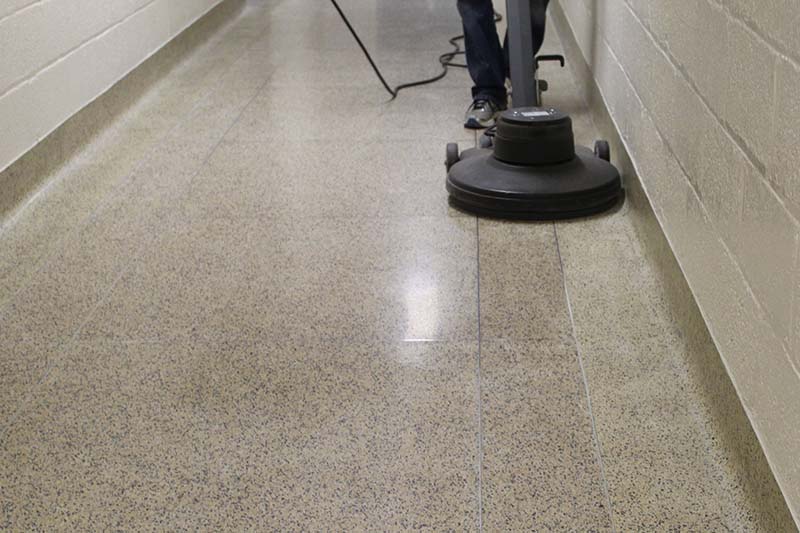
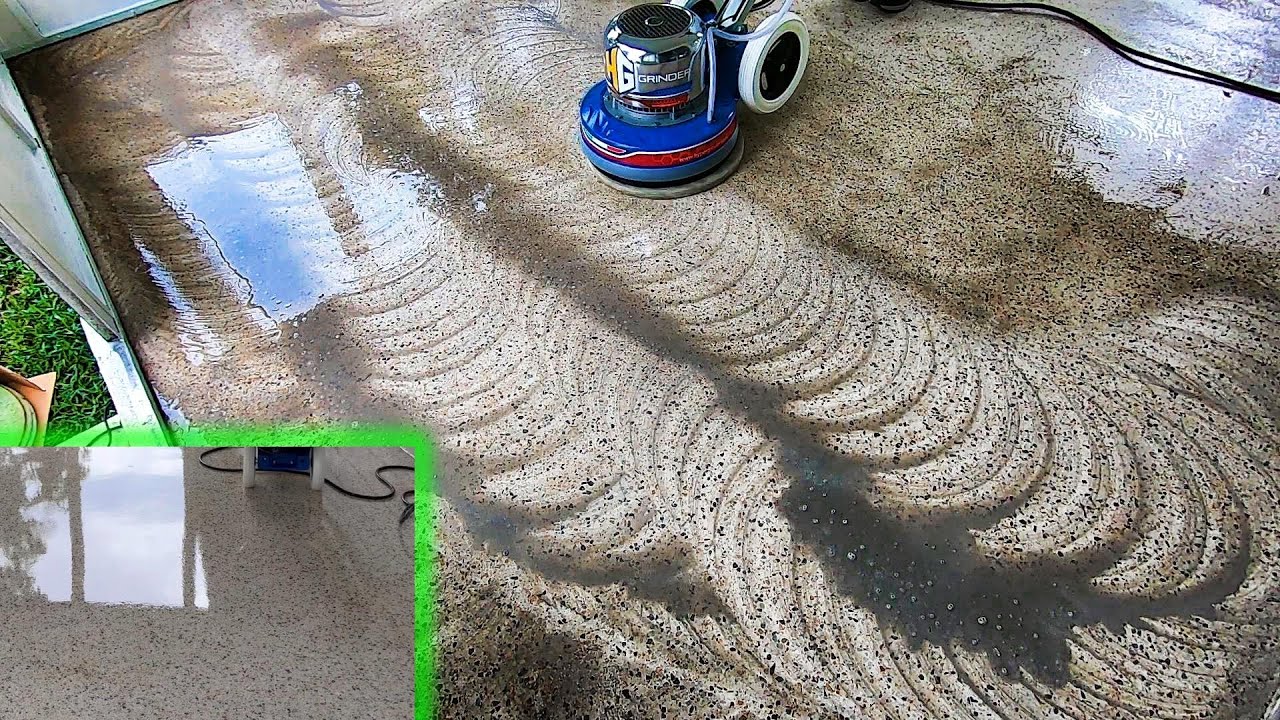
- Experts use diamond polishing pads and machines.
- The process removes scratches and restores the original luster.
- Needed every few years, or for badly worn floors.
When To Polish
- If the floor looks dull, gray, or scratched.
- After removing old wax or polish buildup.
- When you want a high-gloss, like-new look.
Caution
Never use wax polish made for wood or vinyl. It can make terrazzo slippery and attract dirt.
Polishing Frequency Comparison
| Floor Type | DIY Polish | Professional Polish |
|---|---|---|
| Home terrazzo | Every 3-6 months | Every 3-5 years |
| Commercial terrazzo | Monthly or as needed | Every 1-2 years |
Credit: cleanfax.com
Sealing Terrazzo Floors
Sealing is one of the most important steps in terrazzo care—but many people skip it. Sealer protects terrazzo from stains, dirt, and water damage.
Why Seal Terrazzo?
- Blocks spills from soaking in.
- Makes cleaning easier.
- Preserves shine and color.
How To Seal Terrazzo
- Clean the Floor: Remove all dust, dirt, and stains. The surface must be completely dry.
- Choose a Terrazzo Sealer: Look for “penetrating” or “impregnating” sealers for stone or terrazzo. Avoid surface-only sealers, which can yellow.
- Apply Evenly: Use a clean mop or microfiber pad. Apply in thin, even coats.
- Let It Dry: Follow the product instructions—usually 1-2 hours per coat.
- Apply More Coats: Most floors need 2 coats for best protection.
- Wait Before Using: Stay off the floor for at least 6-12 hours.
How Often To Reseal
- Homes: Every 1-2 years.
- Busy areas: Every 6-12 months.
Not all terrazzo needs sealing. Some modern resin-based terrazzo is less porous. Always check with your installer or product manufacturer.
Preventing Damage To Terrazzo Floors
Terrazzo is tough, but it’s not indestructible. Most damage comes from things you can easily prevent.
Simple Preventive Tips
- Use Mats and Rugs: Place mats at doorways to catch grit, sand, and water. Use non-slip, non-rubber-backed mats (rubber can stain).
- Furniture Pads: Put felt pads under all furniture legs. This stops scratches and gouges when moving chairs or tables.
- Avoid High Heels: Shoes with metal tips can chip or crack terrazzo. High heels concentrate a lot of force in a small area.
- Clean Spills Quickly: The faster you blot up spills, the less chance of stains.
- No Dragging Heavy Items: Always lift, never drag, furniture or appliances.
- Check for Leaks: Water from plants, pipes, or windows can cause stains or loosen the terrazzo binder.
What Beginners Often Miss
- Some cleaning products react with terrazzo sealers. Always test new products in a hidden spot.
- Rubber mats and feet can stain terrazzo. Use plastic or felt instead.
Common Terrazzo Floor Problems And Solutions
Even well-cared-for terrazzo can develop problems. Here’s how to spot and fix them.
Dull, Cloudy, Or Yellowed Surfaces
Causes: Old wax, wrong cleaners, or buildup.
Solution: Strip old wax with a terrazzo-safe stripper, then deep clean and reseal.
Small Chips Or Cracks
Causes: Dropping heavy items, high heels, or building settling.
Solution: Fill small chips with color-matched terrazzo filler. For large cracks, call a professional.
Stains That Won’t Come Out
Causes: Old spills, rust, or oil.
Solution: Try a poultice or call a terrazzo specialist for tough stains.
Water Marks Or Rings
Causes: Plant pots, spills left too long.
Solution: Dry the area, then polish with a soft cloth and mild cleaner.
Slippery Floor
Causes: Wax buildup or too much polish.
Solution: Strip the wax and clean thoroughly. Use only terrazzo-safe products.
Terrazzo Floor Care In Special Situations
Terrazzo is used in many different places—from homes to airports. Each setting has unique care needs.
Homes
- Regular dust mopping and gentle cleaners are enough.
- Watch for stains in kitchens and dining areas.
- Kids and pets can bring in grit—use more mats.
Offices And Businesses
- High-traffic areas need more frequent cleaning.
- Use mats at all entrances.
- Schedule professional polishing every year.
Outdoor Terrazzo
- Sweep leaves and dirt often.
- Clean with water and stone-safe soap.
- Re-seal more often to protect from rain and sun.
Historic Terrazzo Floors
- Use only products approved for historic preservation.
- Don’t grind, sand, or polish without expert advice.
- Save original materials and patterns.
Cost Of Terrazzo Floor Care
Terrazzo is an investment, but maintenance costs are usually low compared to carpet or wood.
| Care Task | DIY Cost (per year) | Professional Cost (per year) |
|---|---|---|
| Cleaning supplies | $30-$60 | — |
| Sealing | $40-$100 | $200-$500 |
| Polishing | $20-$50 | $400-$1,000 |
| Repairs (chips/cracks) | $10-$30 (filler) | $200-$600 |
Most homeowners spend less than $100 per year if doing it themselves. Professional services cost more but may be needed for large or historic floors.
Long-term Maintenance Plan
To keep terrazzo looking great for 50+ years, create a simple maintenance schedule:
- Every Day: Dust mop or sweep.
- Every Week: Damp mop.
- Every 3-6 Months: Polish with a terrazzo-safe product.
- Every 1-2 Years: Reseal.
- Every 3-5 Years: Professional polishing.
- As Needed: Spot-clean stains, repair chips, and check for water damage.
Set reminders for sealing and polishing. This helps you avoid expensive repairs later.
Credit: doyledickersonterrazzo.com
Environmental Impact And Sustainability
Terrazzo is one of the most sustainable flooring options. Here’s why:
- Made from recycled stone and glass chips.
- Can last more than 100 years.
- Needs fewer harsh chemicals for cleaning.
- Does not trap dust or allergens.
If you want eco-friendly cleaning, choose neutral, biodegradable cleaners and avoid overusing water.
For more on terrazzo’s green benefits, see the U.S. Green Building Council.
Frequently Asked Questions
How Often Should I Seal Terrazzo Floors?
Most terrazzo floors should be sealed every 1-2 years in homes. Busy public spaces may need sealing every 6-12 months. If water no longer beads up on the surface, it’s time to reseal.
Can I Use A Steam Mop On Terrazzo?
Steam mops are not recommended for terrazzo. The high heat and moisture can loosen the binder or damage the sealer. Stick to damp mopping with neutral cleaners.
How Do I Remove Scratches From Terrazzo?
Small scratches can be polished out with a terrazzo restorer and a microfiber cloth. For deeper scratches, professional diamond polishing is best. Avoid DIY sanding, which can make it worse.
Is Terrazzo Slippery When Wet?
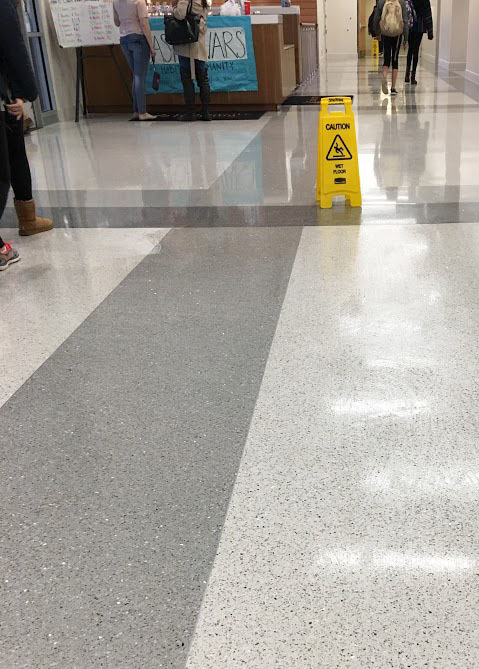
Like most polished stone, terrazzo can be slippery when wet. Use mats at entrances and clean up spills fast. Avoid waxes, which can make it more slippery.
What’s The Best Way To Keep Terrazzo Shiny?
Regular dust mopping, damp cleaning with neutral pH cleaner, and polishing every few months will keep terrazzo shiny. Avoid harsh chemicals and always reseal as needed.
Caring for terrazzo floors is easy when you know what to do. With the right habits and products, your terrazzo will keep its beauty and strength for decades. Whether your floor is new or historic, these tips will help you enjoy its unique style and value for years to come.
Credit: www.youtube.com