
Why Do Pans Smoke While Cooking
Cooking often brings small surprises, but seeing your pan suddenly start to smoke can feel alarming—especially for beginners or anyone who enjoys a calm, safe kitchen. Maybe you’re preparing eggs, sautéing vegetables, or just heating a pan before adding oil, and wisps of smoke begin to rise. Is this normal? Is it dangerous? Does it ruin your meal? Understanding why pans smoke while cooking is important for both safety and the quality of your food.
Pans smoke for many reasons, and not all of them are bad. Sometimes, smoking is a natural sign that your pan is hot enough for certain recipes, like searing steak. Other times, smoke means something is wrong—perhaps the oil is burning, there’s leftover food, or you’re using the wrong type of pan.
Many beginners mistakenly think all smoke means the pan is about to catch fire, but this is rarely the case. Still, frequent smoking can damage pans, ruin flavors, and even cause health concerns.
This article gives you a clear, in-depth look at what causes pans to smoke, how different pans and oils react to heat, and what you can do to avoid common mistakes. You’ll learn practical solutions, get helpful comparisons, and finish with answers to the most common questions.
Whether you’re a home cook or just starting, you’ll walk away with the knowledge needed to cook safely and confidently.
What Causes Pans To Smoke?
The most common reason pans smoke is high heat. When a pan gets very hot, anything inside it—oil, butter, or even food—can start to break down and produce smoke. However, there are several other factors that play a role.
1. The Oil’s Smoke Point
Every cooking oil has a smoke point—the temperature at which it starts to break down and create smoke. For example, butter smokes at a lower temperature than canola oil. If you heat oil past its smoke point, it quickly releases visible smoke and changes flavor.
- Butter: Smokes at about 300°F (150°C)
- Olive oil: Around 375°F (190°C)
- Canola oil: About 400°F (205°C)
- Grapeseed oil: Roughly 420°F (215°C)
If you heat your pan and add oil, but wait too long before adding food, the oil can easily reach its smoke point. Many beginners don’t realize that even a few seconds can make a big difference, especially on high heat.
2. Residue Or Old Food
Leftover bits of food, oil, or sauces on the pan’s surface burn much faster than fresh oil. Even if you clean your pan, sometimes small pieces remain. These residues quickly smoke when the pan is reheated, and this smoke often smells harsh or burnt.
3. Cooking At Too High A Temperature
Many recipes say to use “medium” or “medium-high” heat, but kitchen stoves vary a lot. What is “medium” on one stove can be very hot on another. When the pan gets hotter than needed, it will smoke—even before you add oil or food.
4. Using The Wrong Pan
Different pans handle heat differently. For example, nonstick pans should never be used on high heat. Stainless steel or cast iron pans can take higher temperatures, but they also smoke if left empty on the burner.
5. Water Or Moisture
If a pan is not completely dry, drops of water or moisture from washing can cause sizzling and smoke as they quickly evaporate. This is usually harmless but can alarm cooks who expect a dry pan to stay silent.
6. Cooking Sprays And Additives
Some cooking sprays and flavored oils contain additives that burn at lower temperatures. These can smoke much faster than pure oils.
7. Pan Material And Age
Old pans, especially those with worn coatings or discoloration, are more likely to smoke. The surface may have small cracks or buildup that burns even at lower temperatures.
The Science Behind Smoking Pans
At the heart of smoking pans is a simple concept: thermal decomposition. When oil, fat, or food is heated, its chemical structure begins to change. If you go past a certain temperature, molecules break down, releasing visible smoke and sometimes acrid fumes.
Smoke Point And Its Importance
The smoke point is the temperature where oil or fat starts to break down and produce smoke. Every oil has a different smoke point. For example, extra virgin olive oil smokes faster than refined avocado oil. When you cook above the smoke point, not only does the oil smoke, but it can also produce harmful substances and make your food taste bitter.
Pan Surface And Heat Transfer
Different pan materials conduct heat in different ways:
- Stainless steel: Heats evenly but can get very hot quickly.
- Cast iron: Holds heat well, but takes longer to warm up.
- Nonstick: Heats fast but should not be used at very high temperatures.
- Aluminum: Heats quickly but cools quickly too.
A pan that heats unevenly may develop hot spots—small areas that get much hotter than others. These spots can cause oil to smoke even if the rest of the pan is cooler.
Why Smoke Smells Bad
When oil or food burns, it releases tiny particles and chemicals. These include acrolein, which has a sharp, irritating smell. The flavor of your food can change if the pan smokes too much—often becoming bitter or burnt.
Common Scenarios Where Pans Smoke
To help you recognize and manage smoking pans, here are some everyday situations where smoke is likely:
Preheating A Pan
Preheating is a common step in many recipes, especially for searing or stir-frying. However, if you heat the pan too long without oil or food, the surface gets extremely hot. When you finally add oil, it may instantly reach its smoke point.
Tip: Add oil to the pan before it’s fully hot for delicate oils, or use oils with higher smoke points for searing.
Cooking With The Wrong Oil
If you use butter for frying steak or stir-frying at high temperatures, it will smoke quickly. Instead, use an oil with a higher smoke point like canola or grapeseed oil.
Not Cleaning The Pan Properly
If you notice smoke every time you use your pan, check for caked-on food or burned oil. These residues ignite and smoke at lower temperatures than fresh oil.
Using Cooking Sprays On Nonstick Pans
Many sprays contain additives that break down at lower temperatures. On nonstick surfaces, these can burn and smoke even at medium heat.
Cooking On Electric Vs. Gas Stoves
Electric stoves sometimes heat unevenly, causing some areas of the pan to get much hotter. Gas stoves allow more control, but can also create hot spots if the flame is too high or too small.
Different Pan Materials And Smoking
Pans are made from many materials, and each one handles heat differently. Understanding these differences helps you choose the right pan for each cooking job—and avoid unwanted smoke.
Stainless Steel
Stainless steel pans are very popular because they’re durable and heat evenly. However, they have no nonstick coating, so oil or butter is necessary to prevent sticking. If you overheat a stainless pan, it will smoke just like any other, and any leftover food bits will burn quickly.
Key insight: Stainless steel pans often show a “rainbow” discoloration after repeated overheating. This is not dangerous, but it signals the pan is regularly getting too hot.
Cast Iron
Cast iron pans are famous for holding heat. They’re perfect for searing and frying, but because they take longer to heat up, many cooks accidentally overheat them during preheating. A smoking cast iron pan is usually a sign you’ve gone too far with the heat.
Key insight: A well-seasoned cast iron pan (with a natural oil coating) will smoke less than a dry or poorly seasoned one. The seasoning acts as a protective layer.
Nonstick
Nonstick pans are not designed for high-heat cooking. Most nonstick coatings start to break down around 500°F (260°C). If you see smoke from a nonstick pan, turn off the heat immediately—overheating can release harmful fumes.
Common mistake: Using nonstick pans for searing steak or stir-frying. These high-heat methods are better for stainless steel or cast iron.
Copper And Aluminum
Copper heats very evenly but is expensive and requires care. Aluminum is light and heats up quickly, but can warp if overheated. Both materials will smoke if oil or food is burned, but they cool down faster than cast iron or stainless steel.
Oil Smoke Points: Comparison Table
To help you pick the right oil for each cooking method, here’s a comparison of common oils and their smoke points:
| Oil Type | Smoke Point (°F) | Best For |
|---|---|---|
| Butter | 300 | Low-heat sautéing, baking |
| Extra Virgin Olive Oil | 375 | Medium-heat cooking, dressings |
| Canola Oil | 400 | Frying, stir-frying |
| Grapeseed Oil | 420 | High-heat searing, frying |
| Avocado Oil (Refined) | 520 | Very high-heat grilling, searing |
Is Pan Smoke Dangerous?
Not all smoke is equally dangerous, but regular exposure to cooking smoke can cause problems. Here’s what you need to know:
Short-term Effects
If you inhale smoke from a pan, you might notice coughing, irritation in your nose or eyes, or a burnt smell that lingers. This is usually not serious, but you should ventilate your kitchen and avoid breathing the smoke.
Long-term Risks
Studies show that regular exposure to smoke from burning oil can increase the risk of respiratory problems. Some oils, when overheated, produce acrolein and polycyclic aromatic hydrocarbons (PAHs), which have been linked to health issues.
Nonstick Pan Fumes
Overheating nonstick pans can release polytetrafluoroethylene (PTFE) fumes. These can cause flu-like symptoms in humans and are very dangerous for birds.
Practical tip: Always use an exhaust fan or open a window when cooking at high heat.
How To Prevent Pans From Smoking
You don’t have to accept smoking pans as a normal part of cooking. Here are proven ways to stop (or greatly reduce) smoke in your kitchen.
1. Use The Right Oil For The Job
Always match your oil’s smoke point to your cooking method. For high-heat searing or frying, use oils with a smoke point above 400°F (like canola, grapeseed, or avocado oil). Use butter or extra virgin olive oil for gentle sautéing.
2. Control The Heat
Don’t just turn the burner to high by default. Start with medium heat, and adjust as needed. If your pan starts to smoke, lower the heat immediately and let it cool before continuing.
3. Preheat With Care
Preheat pans only as much as the recipe needs. For delicate foods, add oil and food before the pan gets very hot.
4. Clean Pans Properly
Food or oil residue causes most unwanted smoke. After each use, clean your pan thoroughly with hot water and a gentle scrub. For stuck-on food, use a paste of baking soda and water to avoid scratching the surface.
5. Dry Pans Completely
Water left on the pan can cause sizzling and quick smoke as it evaporates. Always dry your pan with a towel before heating.
6. Avoid Cooking Sprays On Nonstick Pans
If you want to use nonstick spray, use it at lower temperatures or choose oils with higher smoke points for high-heat cooking.
7. Use The Right Pan For The Right Job
Don’t use nonstick pans for searing or stir-frying. Save those tasks for stainless steel or cast iron.
8. Monitor The Pan While Cooking
Never leave a pan unattended when it’s heating, especially with oil inside. Most smoking problems come from distraction or multitasking.
9. Ventilate Your Kitchen
Use your exhaust fan, open windows, or use an air purifier. This keeps smoke from building up and makes your kitchen safer.
10. Replace Old Or Damaged Pans
If your pan smokes every time you use it, no matter what, it may be time for a new one. Old coatings and rough surfaces are hard to clean and more likely to burn food or oil.
Real-life Examples
Example 1: Searing Steak On Stainless Steel
You want a perfect crust on your steak, so you preheat your stainless steel pan. After two minutes, you add oil, and it immediately starts to smoke. This means the pan is hotter than the oil’s smoke point. Next time, reduce the preheat time or use an oil with a higher smoke point.
Example 2: Scrambled Eggs In A Nonstick Pan
You heat your nonstick pan, add butter, and see smoke right away. The pan is too hot for butter, which has a low smoke point. Lower the heat, or add the butter before the pan gets too hot.
Example 3: Stir-frying Vegetables In A Cast Iron Pan
You’re making a stir-fry, and after a few minutes, the pan starts to smoke. You may have left old oil or food bits in the pan, or you’re using an oil that can’t handle high heat. Clean the pan well and use canola or grapeseed oil next time.
Cleaning Methods And Smoking Pans
How you clean your pan affects its tendency to smoke. Here’s a comparison of common cleaning methods and their impact:
| Cleaning Method | Effect on Pan Smoking | Best For |
|---|---|---|
| Dish Soap & Soft Sponge | Removes most residue, reduces smoke | Nonstick, stainless steel |
| Baking Soda Paste | Removes stubborn stains, prevents smoke from old food | Cast iron, stainless steel |
| High-heat Burn-off | Can remove residue but may cause smoke if not watched | Cast iron (seasoning) |
| Dishwasher | May not fully remove oil residue; can cause smoke | Some stainless steel, not nonstick or cast iron |
Temperature Guide: When Does Smoking Start?
Knowing the average temperatures for various cooking tasks helps you avoid smoke. Here’s a quick temperature reference:
| Cooking Task | Average Temperature (°F) | Smoke Risk Level |
|---|---|---|
| Low-heat sautéing (butter) | 250-325 | Low |
| Pan-frying (olive oil) | 350-375 | Medium |
| Searing (canola oil) | 400-450 | High |
| Stir-frying (avocado oil) | 450-500 | High |
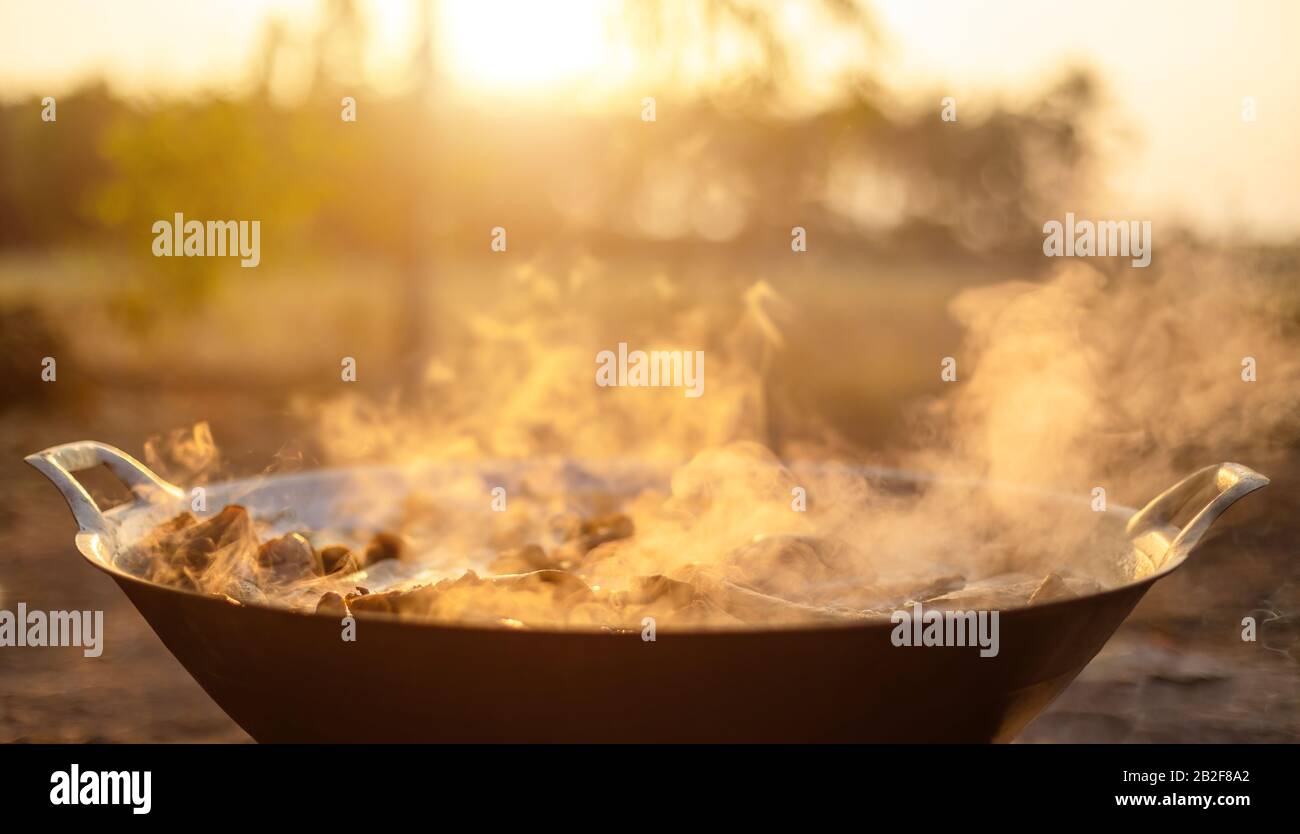
Credit: www.alamy.com
Non-obvious Insights Beginners Miss
- Not all smoke means burning. Sometimes, a little smoke is normal when searing meat at high heat, but if you see smoke before adding food, the pan is too hot or the oil is wrong.
- Oil degrades over time. If you reuse oil or don’t clean your pan well, the leftover oil breaks down faster and smokes at lower temperatures.
- High smoke point oils are not always better for flavor. Some oils with high smoke points, like canola or grapeseed, have a neutral taste, while low smoke point oils like extra virgin olive oil add more flavor to gentle dishes.
Practical Tips For Better Cooking
- Test your pan’s heat by sprinkling a few drops of water. If they dance and evaporate quickly, it’s ready for cooking. If the water jumps and vanishes instantly, the pan is too hot.
- Keep a thermometer handy. An infrared thermometer is a great tool to check pan temperature.
- Wipe out old oil between batches when frying or sautéing multiple items.
Frequently Asked Questions
What Should I Do If My Pan Starts Smoking While Cooking?
If your pan starts to smoke, turn off the heat or reduce it immediately. Remove the pan from the burner if possible. Allow it to cool, then check for burned oil or food. Clean the pan before starting again. Always ventilate your kitchen to remove smoke quickly.

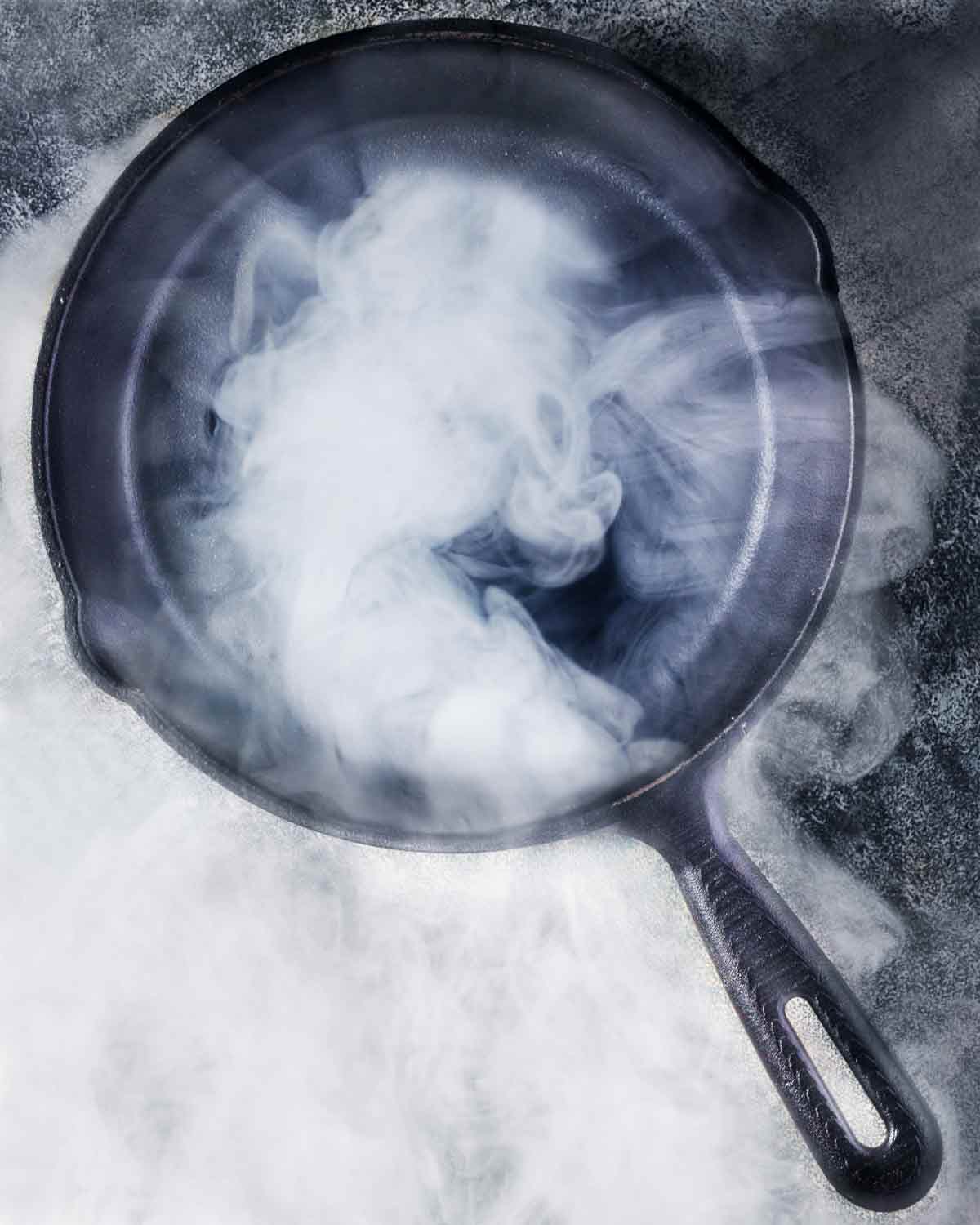
Credit: prydebutchery.com.au
Is It Safe To Eat Food Cooked In A Smoking Pan?
Occasional food cooked in a smoking pan is usually safe, but frequent exposure to burnt oil or food can add a bitter taste and may contain unhealthy compounds. If food tastes or smells burnt, it’s best to avoid eating it.
Why Do Nonstick Pans Smoke Faster Than Other Pans?
Nonstick pans often smoke at lower temperatures because their coatings break down above 500°F (260°C). Using high heat with nonstick pans can produce smoke and release harmful fumes, which is why these pans are recommended only for low to medium heat.
Can I Stop Pans From Smoking Without Changing My Cooking Style?
You may need to make small changes, such as switching to oils with higher smoke points, using lower heat, or choosing pans better suited for high heat. Proper cleaning and drying also help. Completely avoiding smoke is difficult if you cook with high heat often, but these steps reduce it.
Where Can I Learn More About Cooking Oil Smoke Points?
For a deeper look at oil smoke points and their effects, visit the Wikipedia Smoke Point page, which provides detailed charts and explanations.
Cooking should be enjoyable, not stressful. By understanding why pans smoke and how to control it, you create tastier food and a safer kitchen. With practice, you’ll know exactly how hot your pan should be, which oil to use, and when to clean or replace your cookware.
This knowledge is the difference between an average meal and a truly great one—smoke-free and delicious.
Credit: leitesculinaria.com