
If you have ever held a Jellycat plush toy, you know it feels like a cloud in your hands. These soft, adorable animals bring joy to children and adults alike. But what happens when your beloved Jellycat gets dirty? Maybe it survived a spilled juice box, a tumble in the park, or years of bedtime snuggles. Suddenly, you face a big question: how do you wash a Jellycat without ruining its softness or shape?
Caring for a Jellycat is not just about cleaning a toy—it’s about protecting memories. These plushies are often a child’s first best friend or a treasured keepsake. Washing them the wrong way can lead to matted fur, lost fluff, or even damage that can’t be fixed.
The good news is, with the right steps, you can keep your Jellycat looking and feeling as soft as the day you brought it home.
This guide will walk you through everything you need to know about how to wash Jellycat toys. We will cover the best methods, important dos and don’ts, and expert tips to help you avoid the mistakes that many new owners make. You will learn about spot cleaning, hand washing, machine washing, drying, and caring for special types like musical or electronic Jellycats. If you want your Jellycat to stay fluffy, clean, and safe, read on.
Understanding Jellycat Materials
Before you start cleaning, it’s important to know what Jellycats are made of. Most Jellycat plush toys use a mix of polyester fibers, soft plush fabric, and sometimes beads for weight or structure. Some models have special details, like embroidery, felt, or even built-in music boxes. These materials make them super soft, but also sensitive to heat and rough handling.
Why does this matter? If you use the wrong cleaning method, you risk matting the fur, melting the fabric, or damaging the inner filling. For example, polyester plush can melt or lose texture in a hot dryer. Beads inside the toy can shift or clump if washed incorrectly. Understanding your Jellycat’s materials helps you choose the safest cleaning method.
Not all Jellycats are the same. Newer models often have care tags that provide important cleaning instructions. Check for labels like “Surface wash only” or “Do not tumble dry. ” If your Jellycat is older or the tag is missing, it’s safest to use gentle methods.
Preparing To Wash Your Jellycat
Washing a Jellycat is not something you want to rush. Preparation is key to making sure your plush friend comes out looking great.
- Check the Care Label
- Always look for a care tag on your Jellycat. It will tell you if the toy is safe for machine washing or if it needs special care.
- Common labels include:
- “Hand wash only”
- “Surface wash only”
- “Do not tumble dry”
- “Machine washable” (rare for older Jellycats)
- Inspect for Damage
- Look for any loose threads, holes, or worn spots. Washing can make small problems worse.
- If you see damage, repair it before cleaning. A simple needle and thread can prevent stuffing from escaping.
- Remove Accessories
- Take off any removable clothes, bows, or accessories. These might need to be washed separately.
- Brush the Fur
- Use a soft-bristle brush to gently remove dust, crumbs, or loose dirt. This step prevents grit from getting rubbed deeper into the fabric during washing.
- Test for Colorfastness
- Dampen a white cloth with water and gently rub an inconspicuous area of the Jellycat. If color transfers to the cloth, avoid soaking. Stick to dry or surface methods.
Non-obvious insight: Many new owners forget to check for colorfastness, which can lead to unexpected fading or bleeding during washing. Always test first, especially for brightly colored toys.
Spot Cleaning: The Safest Method
For most situations, spot cleaning is the safest way to wash a Jellycat. It targets dirt without soaking the toy, which protects the stuffing and soft fur.
How To Spot Clean A Jellycat
- Mix a Gentle Solution
- Combine a small amount of mild baby shampoo or gentle laundry detergent with lukewarm water. Avoid harsh cleaners or bleach.
- Dampen a Cloth
- Dip a soft, clean cloth into the solution. Wring out excess water so the cloth is damp, not wet.
- Gently Clean Dirty Areas
- Dab and wipe the soiled spots. Use a circular motion and avoid scrubbing, which can damage the plush.
- Rinse the Cloth
- Rinse the cloth in clean water, wring it out, and use it to wipe off any soap residue from the Jellycat.
- Dry Thoroughly
- Pat the area with a dry towel, then let the Jellycat air dry completely. Avoid direct sunlight, which can fade colors.
Tip: For sticky or stubborn stains, use a soft toothbrush with the cleaning solution. Brush gently to lift dirt without harming the fur.
Common mistake: Many people soak the whole toy for a small stain. This can make drying difficult and may cause musty smells or mold. Spot cleaning is often enough for most messes.
Hand Washing Your Jellycat
Sometimes, a Jellycat needs a deeper clean—maybe after illness, lots of play, or an unknown spill. Hand washing is gentle and effective if done carefully.
Step-by-step Hand Washing
- Fill a Basin
- Use a clean sink or tub. Fill with lukewarm water (not hot).
- Add Detergent
- Pour in a small amount of gentle, fragrance-free laundry detergent. Mix until you see light suds.
- Submerge the Jellycat
- Dip the Jellycat in water. Gently squeeze to help the water move through the fabric. Do not twist or wring.
- Focus on Dirty Areas
- Gently rub soiled spots between your fingers. If needed, use a soft brush for deeper dirt.
- Rinse Thoroughly
- Drain the soapy water. Fill the basin with clean water and rinse the Jellycat until all detergent is gone.
- Press Out Water
- Press the Jellycat between towels to remove as much water as possible. Never twist or wring; this can damage the shape and stuffing.
- Reshape and Dry
- Lay the Jellycat flat on a dry towel. Shape the ears, arms, and legs. Let it air dry fully in a well-ventilated area.
When To Hand Wash
- After sickness or spills with bodily fluids
- For toys with deep-set dirt or odor
- When a label allows full soaking
Non-obvious insight: Hand washing works best when you dry quickly. Prolonged dampness can lead to mildew inside the toy. If you can, place the Jellycat near a fan or in a room with good airflow.
Machine Washing: When And How
Some Jellycats, especially newer or sturdy models, can survive a gentle machine wash. Always check the care label first. If allowed, follow these steps:
Preparing For Machine Washing
- Use a Mesh Laundry Bag
- Place the Jellycat in a mesh bag or pillowcase. This protects fur from snagging and stuffing from shifting.
- Select Gentle Cycle
- Use the “delicate” or “hand wash” setting on your machine. Cold water is best.
- Choose the Right Detergent
- Use a small amount of gentle, fragrance-free detergent. Avoid bleach or softeners.
- Avoid Washing With Heavy Items
- Wash Jellycat alone or with other soft toys. Do not mix with jeans, towels, or items with zippers.
Machine Washing Steps
- Place the bagged Jellycat in the washer.
- Run the shortest gentle cycle.
- Skip the spin cycle if possible, or use the lowest speed.
After Washing
- Remove the Jellycat promptly.
- Press gently with towels to absorb water.
- Reshape and air dry as described above.
Pros And Cons Table
Here’s a quick comparison of hand washing versus machine washing for Jellycat toys:
| Method | Pros | Cons |
|---|---|---|
| Hand Washing | – Very gentle – Good for delicate or older toys – Allows spot attention | – Takes more time – Can be messy |
| Machine Washing | – Convenient – Good for sturdy toys – Cleans more evenly | – Risk of fur matting – May damage delicate details – Not suitable for all models |
Important: Never put a Jellycat with a music box, electronics, or glued details in the washing machine.
Drying Your Jellycat
How you dry a Jellycat matters as much as how you wash it. The wrong drying method can ruin the toy’s softness, cause shrinkage, or damage the fabric.
Air Drying
- Lay the toy flat on a dry towel.
- Place in a warm, well-ventilated room. A fan can speed up drying.
- Gently reshape the arms, legs, ears, and face while damp.
- Flip the Jellycat every few hours to help it dry evenly.
Avoid Heat
Never use a tumble dryer, radiator, or direct sunlight. Heat can melt the plush fibers, causing them to feel rough or clump together. Air drying is always safest.
Fluffing The Fur
Once your Jellycat is dry, gently brush the fur with a soft-bristle brush or a wide-toothed baby comb. This helps restore the original fluffy texture.
Drying Time Comparison Table
Here’s how different drying methods compare:
| Drying Method | Estimated Time | Risk Level |
|---|---|---|
| Air Dry (Flat) | 24–48 hours | Low |
| Near Fan | 12–24 hours | Low |
| Tumble Dryer | 1–2 hours | High (Not recommended) |
| Radiator/Sun | 6–8 hours | High (Not recommended) |
Tip: Stuff a small towel inside the Jellycat during drying to help maintain shape and absorb extra moisture. Remove it once the toy is half-dry.
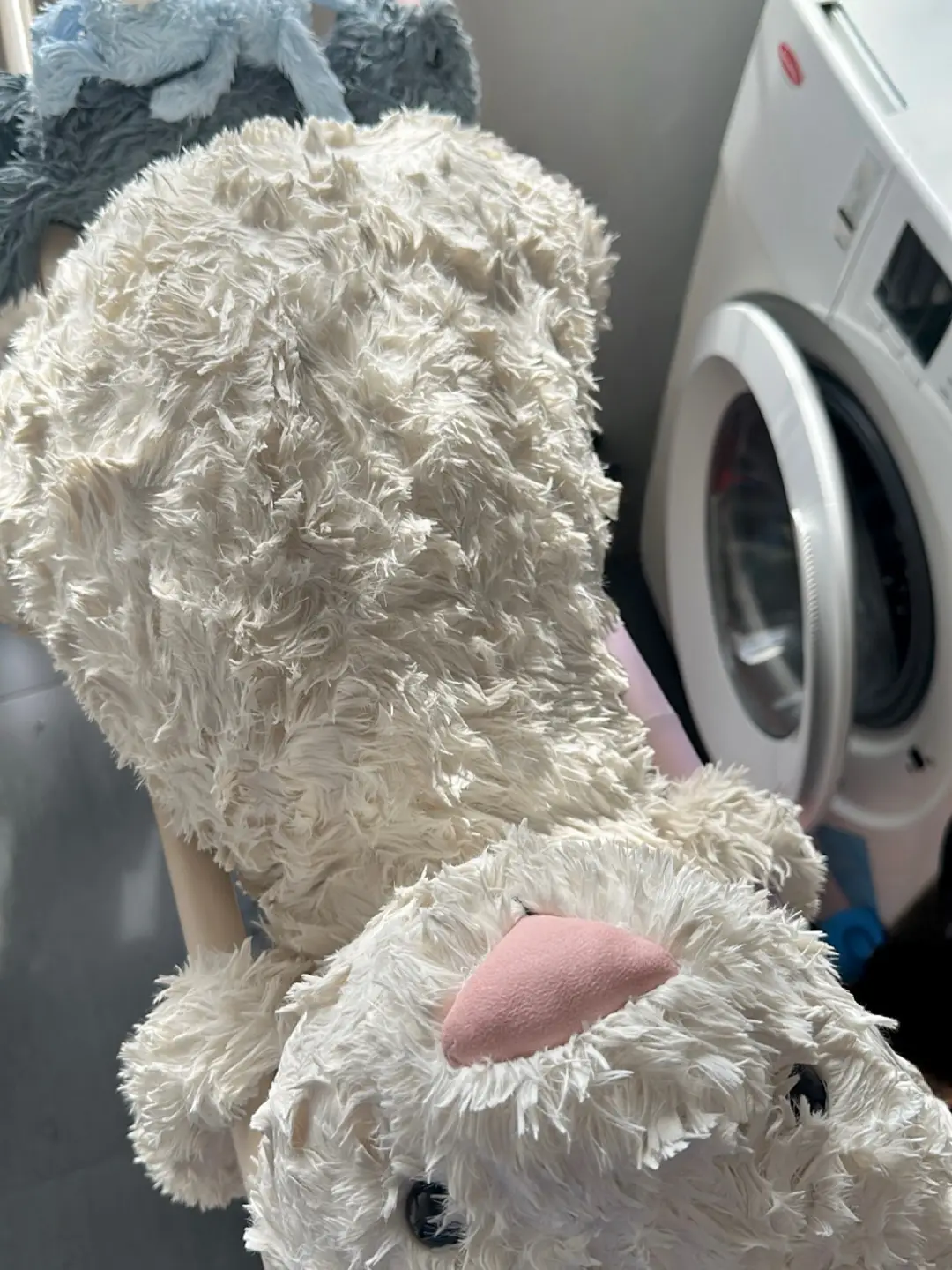
Credit: www.jumpusapark.com
Special Cases: Electronic And Musical Jellycats
Some Jellycat toys play music, have squeakers, or contain electronic parts. These need extra caution during cleaning.
How To Clean Electronic Or Musical Jellycats
- Never soak or submerge in water.
- Use spot cleaning only.
- Wipe the surface gently with a damp cloth and mild soap.
- Dry immediately with a towel.
- Keep water away from seams, battery packs, or sound boxes.
If the electronic part can be removed (some models have a Velcro opening), take it out before washing the plush. Wash the fabric part as you would a regular Jellycat, then replace the electronics after it’s completely dry.
Non-obvious insight: Moisture trapped inside musical or electronic Jellycats can cause permanent damage. If you’re unsure, always err on the side of less water.
Caring For Old Or Vintage Jellycats
Older Jellycats can be more fragile due to years of love and wear. Vintage models often have thinner fabric, less durable stitching, or faded colors.
How To Wash An Old Jellycat
- Use gentle spot cleaning whenever possible.
- Support weak areas with your hand while cleaning.
- Avoid soaking, as older stuffing can clump or smell musty.
- Dry slowly and gently reshape.
If you need to wash an old Jellycat more thoroughly, consider talking to a professional toy restorer. For very special toys, the extra care can be worth it.

Credit: www.youtube.com
Removing Odors From Jellycat Toys
Sometimes, a Jellycat may smell musty or unpleasant, even after washing. Odors can be trapped inside the stuffing or fabric.
Steps To Remove Odors
- Air Out
- Place the Jellycat outside in a shaded area for a few hours. Fresh air helps reduce smells.
- Baking Soda Method
- Sprinkle baking soda over the toy. Let it sit for 15–30 minutes, then shake or brush off. Baking soda absorbs odors safely.
- Freezer Trick
- Put the Jellycat in a clean plastic bag and freeze overnight. This can kill odor-causing bacteria and dust mites.
- Repeat Washing
- If the smell persists, repeat spot cleaning or hand washing.
Tip: Avoid using strong perfumes or sprays. These can irritate skin or cause allergic reactions, especially for children.
Caring For Jellycat Fur And Texture
The soft, silky fur is what makes Jellycats special. Keeping it fluffy takes a little extra effort.
Tips For Maintaining Fur
- Brush gently with a baby brush after each wash.
- Avoid rough towels or scrubbing, which can mat the fibers.
- If fur gets matted, a little water and gentle brushing can help restore it.
- For stubborn mats, a tiny drop of children’s hair conditioner (diluted in water) can be used, then rinsed out and dried completely.
Non-obvious insight: Over time, even careful washing can change a Jellycat’s texture. This is normal and shows the toy is well-loved. Regular brushing and air drying help slow the process.

Credit: jumpusapark.com
Preventing Future Dirt And Damage
A little prevention goes a long way. Here’s how to keep your Jellycat cleaner for longer:
- Set Rules for Play
- Encourage children to keep Jellycats away from food, markers, or outdoor play.
- Use a Pillowcase
- When traveling or storing, keep Jellycat in a clean pillowcase to protect from dust.
- Regular Brushing
- Quick brushing every week keeps fur fluffy and dirt-free.
- Wash Hands Before Handling
- Clean hands reduce stains and oils on the plush.
- Store Properly
- Store Jellycat in a cool, dry place. Avoid damp or humid spots.
Practical advice: Consider having two Jellycats—one for daily play and one for bedtime. Rotate them so each has a chance to recover and stay clean.
Mistakes To Avoid When Washing Jellycat
Even well-meaning adults sometimes make mistakes. Here are the most common ones:
- Using Hot Water or Heat
- Hot water or dryers ruin plush texture.
- Too Much Soap
- Extra soap can be hard to rinse out, making fur stiff.
- Ignoring Care Labels
- Every Jellycat is unique. Always check instructions.
- Not Drying Completely
- Damp stuffing can lead to mold or bad smells.
- Scrubbing Hard
- Rough scrubbing mats fur and damages fabric.
- Washing With Heavy Laundry
- Zippers, jeans, or towels can snag fur and rip seams.
- Forgetting to Shape While Drying
- Jellycats can dry flat or lumpy if not reshaped.
- Leaving Accessories On
- Remove clothes or bows before cleaning.
How Often Should You Wash A Jellycat?
There’s no set rule, but here are some guidelines:
- Regular Play: Spot clean as needed, deep clean every 3–6 months.
- After Illness: Wash as soon as possible.
- Visible Dirt: Clean right away to prevent stains.
- Allergy Concerns: Wash monthly if the child has allergies or asthma.
Non-obvious insight: Over-washing can make fur less fluffy. Only wash when really necessary.
Comparing Jellycat To Other Plush Toys
Jellycats are famous for their softness, but how do they compare to other brands when it comes to washing?
| Brand | Typical Material | Washing Safety | Drying Method |
|---|---|---|---|
| Jellycat | Polyester plush, beads | Hand wash/spot clean | Air dry only |
| Gund | Cotton/polyester blend | Machine washable (some) | Air or machine dry |
| Steiff | Mohair, cotton | Surface wash only | Air dry |
| Ty | Polyester plush | Hand wash/machine (rare) | Air dry |
Jellycats need a bit more care than some other plush brands, but their unique softness is worth the effort.
When To Seek Professional Help
If your Jellycat is a valuable collector’s item, very old, or heavily damaged, sometimes it’s best to consult a professional.
- Toy restoration experts can clean, repair, and restore beloved plushies.
- Look for professionals with experience in plush toys.
- Ask for before-and-after photos of past work.
External resource: For more about plush toy care and restoration, visit the official Plush Toy Wikipedia page.
Frequently Asked Questions
How Do I Wash A Jellycat Without Ruining It?
The safest way is to spot clean with a damp cloth and mild detergent. For deeper cleaning, hand wash gently in lukewarm water. Always air dry and avoid heat.
Can I Put My Jellycat In The Dryer?
No. Tumble dryers can melt the plush fibers and ruin the texture. Always air dry Jellycat toys flat in a well-ventilated area.
Is Machine Washing Safe For All Jellycats?
Machine washing is only safe for some newer models that are labeled as machine washable. Even then, use a mesh bag, gentle cycle, and cold water. Never machine wash older, delicate, or electronic Jellycats.
How Do I Clean A Jellycat With A Music Box Or Electronics?
Spot clean only. Use a damp cloth and mild soap. Avoid soaking or submerging the toy in water. If possible, remove the electronic part before cleaning.
What Should I Do If My Jellycat Smells Musty?
Air it out in a shaded area, sprinkle with baking soda and vacuum off, or try the freezer trick to kill odor-causing bacteria. Repeat gentle washing if necessary.
Taking care of a Jellycat isn’t just about cleaning—it’s about preserving memories and softness. With these tips, your plush friend can stay clean, safe, and huggable for years to come.