
Cleaning second floor windows can seem like a big challenge, especially if you want to do it safely and get a streak-free finish. Many homeowners put off this task because they worry about falling, don’t have the right tools, or simply don’t know the best method.
But clear, sparkling windows make your home feel brighter and improve your view, so it’s worth learning how to clean them well. With the right approach, cleaning second floor windows is not as hard as you might think.
In this article, you’ll discover safe and effective ways to clean exterior and interior second story windows. You’ll learn about the best tools, cleaning solutions, and safety tips. You’ll also find practical advice on when to hire a professional, and helpful answers to common questions.
By the end, you’ll feel confident tackling this task and keeping your windows in top shape.
Why Cleaning Second Floor Windows Matters
Many people clean ground floor windows often, but forget about those on the second floor. However, second floor windows build up dust, pollen, bird droppings, and water spots just as quickly. Over time, dirty windows can block sunlight and make rooms look dull. You may also notice streaks or haze that won’t go away with just a quick wipe.
Clean windows have benefits beyond looks. Removing grime helps windows last longer by preventing scratches and damage to glass or frames. Regular cleaning also lets you spot early signs of problems like cracked glass, loose seals, or leaks. In areas with heavy pollution or frequent storms, cleaning is even more important to prevent buildup that can stain or etch the glass permanently.
Safety First: Essential Precautions
Cleaning second story windows comes with risks. Falls from even modest heights can lead to serious injuries. Before you start, always make safety your top priority.
- Avoid leaning out windows: Never stretch or lean far outside a window. It’s easy to lose balance, especially when your hands are wet or soapy.
- Use stable equipment: If you need a ladder, make sure it’s on level ground and someone is nearby to help. Never place a ladder on uneven surfaces, and never climb higher than the manufacturer recommends.
- Secure window screens: Remove or secure screens carefully. If a screen pops out while you’re leaning against it, you could fall.
- Wear non-slip shoes: Wet surfaces can be slippery. Sturdy, closed-toe shoes with good grip help prevent accidents.
- Check for overhead hazards: Watch out for power lines or tree branches, especially if you’re using extension poles or ladders.
- Don’t clean in bad weather: Wind, rain, or icy conditions make cleaning much more dangerous. Choose a calm, dry day.
Tip: Many pros use a harness or safety rope when cleaning very high windows. For most two-story homes, you can stay safe by working from inside or using proper extension tools.

Credit: www.youtube.com
Tools And Supplies For Second Floor Window Cleaning
Having the right equipment makes the job easier and safer. Here are the most useful tools for cleaning second floor windows:
Basic Tools
- Squeegee: Essential for a streak-free finish. Choose one with a wide blade, and consider a model with a telescoping handle.
- Bucket: Fill with your cleaning solution.
- Soft scrubber or sponge: Non-abrasive to avoid scratching glass.
- Microfiber cloths: Great for drying edges and cleaning frames.
- Extension pole: Allows you to reach high windows without a ladder.
- Spray bottle: For applying cleaning solution in hard-to-reach areas.
Advanced Tools
- Water-fed pole: These special poles connect to your garden hose and let you scrub and rinse windows from the ground. They’re common with professionals and make cleaning large second-story windows fast and safe.
- Magnetic window cleaner: This clever device cleans both sides of a window at once. You move one magnet on the inside, and another magnet cleans the outside. It works best on single-pane windows.
- Ladder with stabilizer: If you must use a ladder, a stabilizer keeps it steady against the wall.
Cleaning Solutions
You don’t need fancy chemicals. Most people get great results with a simple homemade mix:
- 2 gallons warm water
- 1 teaspoon dish soap or a small splash of vinegar
For very dirty windows, a small amount of ammonia can help, but never mix ammonia with bleach. You can also buy commercial window cleaners, but always check they’re safe for glass and frames.
Other Useful Supplies
- Gloves: Protects your hands from chemicals and cold water.
- Old towels: For catching drips on floors or window sills.
- Goggles: Keeps cleaner and dirt out of your eyes, especially when working above your head.
Non-obvious insight: Window cleaning solutions with too much soap can leave streaks. Use only a small amount—less is more.
Choosing The Best Method For Your Home
Not all homes are the same. Your cleaning strategy depends on window style, access, and personal comfort with heights. Here are the most popular approaches:
1. Cleaning From Inside The House
Many modern windows tilt inwards or have removable sashes. This lets you clean both sides from inside. This is the safest method for most people.
- Open the window as far as possible.
- Tilt or remove the sash according to manufacturer instructions.
- Clean exterior glass, frame, and sill.
- Dry thoroughly before returning the sash to place.
Tip: Double-check that windows are locked securely after cleaning.
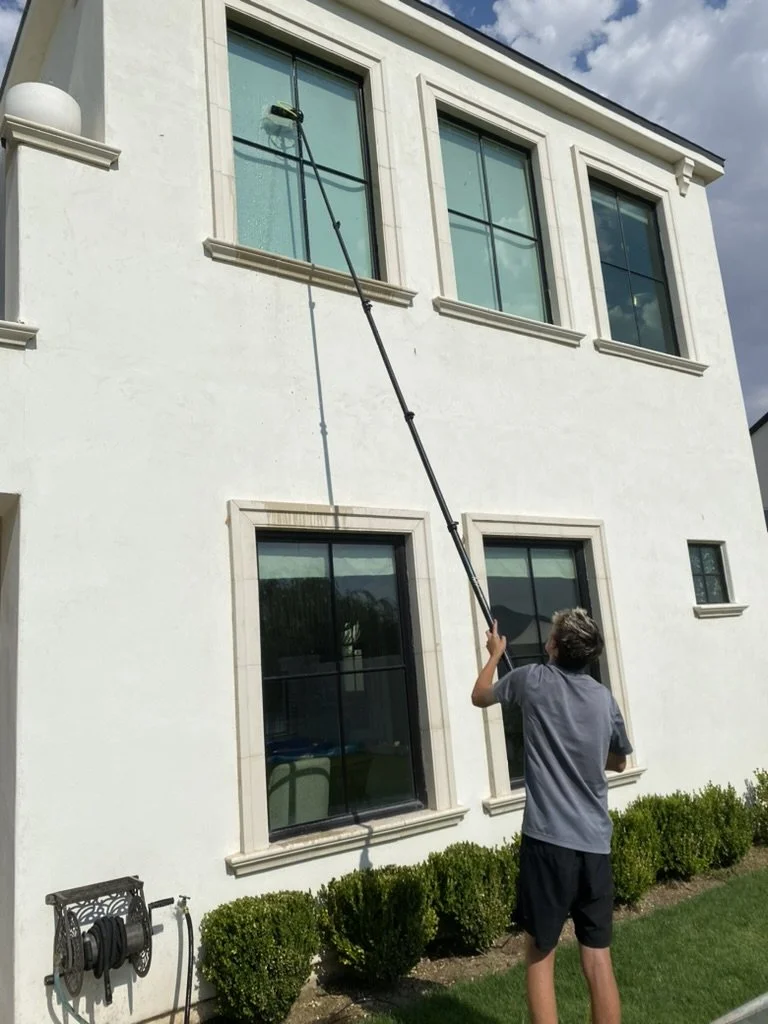
2. Using An Extension Pole
If your windows don’t tilt, an extension pole lets you clean from the ground or a lower floor.
- Attach a squeegee or scrubber to the pole.
- Dip in your cleaning solution and scrub the glass.
- Rinse with clean water, then squeegee dry.
This works best for large, flat windows without dividers. It takes practice to avoid streaks, especially near edges.
3. Magnetic Window Cleaners
These devices are popular in apartments and for windows that don’t open. They work best on single-pane glass.
- Wet both sides of the window.
- Place one magnet outside and one inside.
- Move the inside handle slowly to clean both sides at once.
They can be tricky on thick double-pane windows, as the magnets may not connect well.
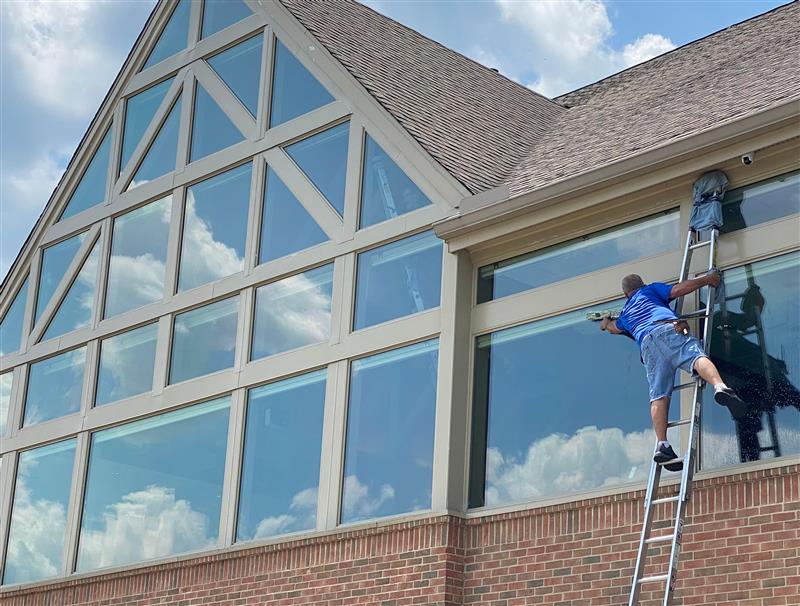
4. Using A Ladder
Sometimes, a ladder is the only option, such as for fixed windows or those with exterior screens. Always use a stabilizer and have someone hold the ladder.
- Place the ladder on level ground.
- Bring only the tools you need up the ladder.
- Work slowly and keep three points of contact with the ladder.
Non-obvious insight: Ladders with rubber feet prevent slipping. Never lean a ladder directly on glass.
5. Water-fed Poles
Professional window cleaners often use water-fed poles. These connect to a hose and spray purified water, which dries without spots.
- Attach the pole and brush.
- Scrub the window, rinse, and let air-dry.
- No need to squeegee.
This method is fast, but requires buying or renting special equipment.
Credit: invisibleglass.com
Step-by-step Guide: How To Clean Second Floor Windows
Now let’s walk through the cleaning process, from preparation to finishing touches. The instructions below use the extension pole method, as it works for most homes.
1. Prepare The Area
- Move outdoor furniture away from windows.
- Place old towels or plastic sheeting below the window to catch drips.
- Gather all tools and cleaning supplies.
2. Make Your Cleaning Solution
- Fill a bucket with 2 gallons of warm water.
- Add 1 teaspoon of dish soap or a splash of vinegar.
- Stir gently to avoid too many bubbles.
3. Attach Tools To Extension Pole
- Fit the scrubber or cleaning pad onto the pole.
- Make sure it’s secure so it won’t fall off.
4. Wet The Window
- Dip the scrubber in your solution.
- Wipe the entire glass surface, paying attention to corners and edges.
5. Scrub Away Dirt
- Use gentle, circular motions for tough spots.
- For bird droppings or sticky grime, let the solution soak for a minute before wiping.
6. Rinse With Clean Water
- If using a hose attachment, rinse from top to bottom.
- If not, use a clean, damp scrubber to remove soap residue.
7. Squeegee Dry
- Start at the top of the window.
- Pull the squeegee straight down in one motion.
- Wipe the blade with a cloth after each pass.
8. Dry Edges And Frames
- Use a microfiber cloth to dry any drips on the frame or sill.
- Check for streaks and wipe again if needed.
9. Repeat For Each Window
- Move carefully and avoid rushing.
- Replace water if it gets dirty.
Pro tip: Cloudy days are best for window cleaning. Sunlight dries solution too fast and can leave streaks.
Cleaning Second Floor Windows From Inside: Special Cases
Some windows can be cleaned from inside, but others have screens or grilles that make access harder. Here’s how to handle common obstacles:
Removable Screens
- Carefully lift the screen out before cleaning.
- Wash screens with soapy water and rinse well.
- Let screens dry before replacing.
Grilles Or Divided Lights
- Use a small sponge or toothbrush for tight spaces.
- Wipe each pane carefully.
- Dry each section with a microfiber cloth.
Storm Windows
- Remove inner panels, if possible.
- Clean and dry each panel before reinstalling.
- Wear gloves to avoid fingerprints.
Non-obvious insight: Always mark which screen or storm window goes where. Mixing them up makes reinstallation harder.
Using Water-fed Poles: A Quick Comparison
Water-fed poles are popular for second floor window cleaning. Here’s how they compare to traditional extension poles:
| Feature | Water-fed Pole | Extension Pole with Squeegee |
|---|---|---|
| Reach | Up to 50 feet | Typically 20-30 feet |
| Cleaning solution | Pure water (no soap needed) | Homemade or commercial |
| Streak-free finish | Very high (if water is pure) | Depends on technique |
| Skill required | Easy to learn | Requires practice |
| Cost | $$$ (higher initial cost) | $ (lower cost) |
If you clean windows often or have lots of glass on upper floors, investing in a water-fed pole can save time and effort.
The Best Time To Clean Second Floor Windows
Timing matters. Clean your second floor windows at least twice a year—once in spring and once in fall. If you live near the coast, a busy road, or trees, you may need to clean more often.
Spring cleaning removes winter grime, pollen, and salt. Fall cleaning clears summer dust and leaves. Avoid very hot or cold days, as extreme temperatures can cause streaks or even crack glass.
How To Deal With Stubborn Stains
Sometimes, windows have marks that regular cleaning can’t remove—like hard water spots, paint splatters, or sticky residue. Here’s how to tackle them:
- Hard water spots: Mix equal parts white vinegar and water. Apply with a sponge, let it sit for 5-10 minutes, then scrub gently and rinse.
- Paint or adhesive: Use a plastic scraper (never metal) to avoid scratching. Soften glue with warm, soapy water before scraping.
- Tree sap: Apply rubbing alcohol with a cloth, let it soak, then wipe away.
- Bird droppings: Soak with soapy water for a few minutes before scrubbing.
If stains won’t come off, consider calling a professional. Some marks, like glass etching, are permanent.
Cleaning Window Frames And Sills
Don’t forget the frames and sills. Dirt and moisture here can lead to mold or wood rot. Clean these areas using a separate cloth and a gentle cleaner.
- For vinyl or aluminum frames, use mild soap and water.
- For wood frames, avoid soaking with water. Wipe with a damp cloth and dry quickly.
- Check for peeling paint, cracks, or signs of leaks.
Tip: Cleaning frames first prevents dirty drips on your freshly washed glass.
Cleaning Screens: An Overlooked Step
Window screens catch dust, pollen, and bugs. Clean them at least once a year for better airflow and cleaner glass.
- Remove screens carefully.
- Rinse with a garden hose.
- Scrub gently with a soft brush and soapy water.
- Rinse again and let dry before reinstalling.
If screens are torn or loose, repair or replace them to keep out insects.
When To Hire A Professional Window Cleaner
Not everyone is comfortable or able to clean second floor windows themselves. It’s smart to hire a pro if:
- Windows are very high or hard to reach.
- You have physical limitations or fear of heights.
- Windows have stains or damage you can’t fix.
- Your home has many large or specialty windows.
Professional cleaners have special equipment and training. They can often finish the job faster and with better results. Expect to pay $8–$15 per window, or more for very large panes.
Fun fact: According to the International Window Cleaning Association, hiring a pro reduces accident risk and can make windows last up to 25% longer.
Environmental Concerns And Green Cleaning
Many store-bought cleaners contain chemicals that can harm plants or enter the water supply. For a greener option:
- Use vinegar and water or biodegradable soap.
- Avoid cleaners with ammonia or bleach.
- Don’t let dirty water run into flower beds or storm drains.
Some water-fed pole systems use deionized water, which cleans without chemicals and is safe for the environment.
Common Mistakes To Avoid
It’s easy to make errors when cleaning second floor windows. Here are some to watch out for:
- Using too much soap: Leaves streaks and attracts dust.
- Cleaning in direct sun: Solution dries too fast, causing spots.
- Not rinsing tools: Dirty water spreads grime to other windows.
- Neglecting frames and sills: Leads to mold or rot.
- Forgetting safety: Never rush or skip precautions.
- Using abrasive pads: Scratches glass and ruins coatings.
- Leaning out too far: Major fall hazard—always stay safe.
Non-obvious insight: Change your cleaning water often. Dirty solution creates streaks, even if the glass looks clean at first.
Quick Comparison: Diy Vs Professional Cleaning
Trying to decide if you should clean windows yourself or hire a pro? Here’s a side-by-side look:
| Aspect | DIY Cleaning | Professional Service |
|---|---|---|
| Cost | Low (just supplies) | Higher per visit |
| Time | 1-2 hours for whole house | Usually faster |
| Quality | Good with practice | Expert-level, no streaks |
| Safety | Varies (depends on your tools and skill) | Very high (pros are trained) |
| Convenience | Must do it yourself | Hands-off for you |
If you have the time and basic tools, DIY window cleaning is affordable and satisfying. For extra safety or very large homes, hiring a professional is a smart investment.
Maintenance Tips For Long-lasting Clean Windows
Keeping windows clean is easier than scrubbing away months of dirt. Here are some tips to make the job simpler:
- Dust window sills and frames every month.
- Clean screens twice a year.
- Wipe away fingerprints and smudges as soon as you notice them.
- Trim trees or shrubs that brush against windows.
- Check caulking and seals for leaks during cleaning.
Regular care means less time spent on deep cleaning, and your windows will look better year-round.
Credit: www.purilly.com
Troubleshooting: When Windows Stay Dirty
Sometimes, even after cleaning, windows look cloudy or streaky. Here’s how to solve common problems:
- Streaks: Too much soap, dirty water, or cleaning in sunlight. Use less soap and change water often.
- Cloudiness: May be inside double-pane glass, which means the seal is broken. This needs professional repair.
- Spots: Hard water deposits. Use vinegar solution to remove.
- Sticky residue: Try a bit of rubbing alcohol or a plastic scraper.
If problems persist, check your cleaning tools. Old squeegee blades or worn-out cloths can leave marks.
Frequently Asked Questions
What Is The Safest Way To Clean Second Floor Windows?
The safest way is to clean from inside using tilt-in windows or an extension pole from the ground. Avoid leaning out or standing on unstable surfaces. If you must use a ladder, have someone hold it and never climb higher than needed.
How Often Should I Clean My Second Floor Windows?
For most homes, clean second floor windows at least twice a year—spring and fall. If you live near busy roads, trees, or in a dusty area, consider cleaning every 3–4 months.
Can I Use Regular Household Cleaners On My Windows?
Yes, but avoid harsh chemicals like ammonia or bleach, which can damage glass or frames. A simple mix of water and dish soap or vinegar works well for most dirt.
Are Water-fed Poles Worth The Investment?
For homes with many upper windows, water-fed poles can save time and improve safety. They cost more up front, but are popular with professionals for a reason. If you clean often or have hard-to-reach windows, they’re a smart choice. See more about water-fed systems at Wikipedia.
Why Do My Windows Streak After Cleaning?
Streaks are usually caused by too much soap, dirty water, or cleaning in direct sunlight. Use less soap, fresh water, and clean on cloudy days for best results.
Cleaning second floor windows doesn’t have to be stressful or risky. With the right tools, safe practices, and a little patience, you’ll enjoy clear, bright views year-round. Regular care keeps your home looking its best and protects your investment in quality windows.
Remember, if the job feels too big or unsafe, there’s no shame in calling a professional. Your safety is always the top priority.