
Aluminum pans are a kitchen staple in many homes. They are lightweight, conduct heat well, and often cost less than stainless steel or cast iron. But over time, you might notice your shiny pan turning dull, gray, or showing white or black spots. This is oxidation, a natural process that can make pans look old and sometimes affect cooking performance. The good news? With the right methods, you can clean oxidized aluminum pans and restore much of their original shine.
This guide will show you exactly how to clean oxidized aluminum pans, why oxidation happens, and what you can do to prevent it in the future. You’ll get step-by-step instructions, practical tips, and answers to the most common questions. Whether your pan is lightly tarnished or heavily oxidized, you’ll find a solution here—even if you’ve never cleaned aluminum this way before.
Why Do Aluminum Pans Oxidize?
All aluminum reacts with oxygen in the air. When this happens, a thin layer of aluminum oxide forms on the surface. This layer is actually protective, but it can look dull or chalky. Sometimes, exposure to acidic foods (like tomatoes) or strong cleaning chemicals can make oxidation worse, causing discoloration or even pitting.
Heat also plays a role. High temperatures can speed up oxidation or create stubborn dark spots. Many cooks are surprised to learn that even washing pans in the dishwasher can cause a reaction, especially if the detergent is harsh.
Is Oxidation On Aluminum Pans Dangerous?
For most people, the answer is no. The thin layer of aluminum oxide is harmless. In fact, it helps protect the pan from further damage. However, if the oxidation is very thick, flaky, or you see black residue coming off on your food, it’s time to clean the pan. Also, if you have any doubts about the pan’s safety or if it is heavily pitted, replacing it is the safest option.
Tools And Supplies You’ll Need
Cleaning oxidized aluminum pans is simple, but you do need the right tools and materials. Here’s what you should gather before starting:
- Mild dish soap (avoid strong detergents)
- White vinegar (or lemon juice)
- Baking soda
- Non-abrasive sponge or soft cloth
- Plastic or wooden spatula
- Cream of tartar (optional)
- Aluminum polish (optional, for extra shine)
- Soft-bristled brush (like a toothbrush)
- Protective gloves (if you have sensitive skin)
- Warm water
Many of these items are already in your kitchen. Avoid steel wool or metal scrubbers, as these can scratch the aluminum and make oxidation worse.
Step-by-step: How To Clean Oxidized Aluminum Pans
There are several methods to clean oxidation, depending on how severe the problem is. Here’s a practical approach that works for most situations.
1. Basic Cleaning For Light Oxidation
If your pan is only slightly dull or has a few spots, start with this gentle method.
- Wash with mild soap: Use warm water and a little dish soap. Gently scrub with a non-abrasive sponge.
- Rinse and dry: Make sure no soap residue is left. Dry the pan completely with a towel.
Often, this is enough to remove surface dirt and minor oxidation.
2. Vinegar Solution For Moderate Oxidation
If basic cleaning doesn’t restore the shine, try a vinegar soak. Vinegar is acidic and helps dissolve the aluminum oxide.
- Mix the solution: In the pan, combine 1 part white vinegar with 2 parts water. For example, 1 cup vinegar to 2 cups water.
- Heat the solution: Place the pan on the stove and simmer the vinegar solution for 10–15 minutes.
- Let it cool: Turn off the heat and let the pan cool until it’s safe to touch.
- Scrub gently: Use a soft sponge or brush to clean the inside and outside. For stubborn spots, dip the sponge in baking soda and scrub lightly.
- Rinse thoroughly: Make sure all vinegar is washed away.
- Dry completely: Use a soft towel to avoid water spots.
Non-obvious tip: Vinegar not only cleans oxidation but also removes food odors from old pans.
3. Baking Soda Paste For Tough Oxidation
For heavy, chalky oxidation, a baking soda paste works well. Baking soda is a mild abrasive and safe for aluminum.
- Make the paste: Mix 3 tablespoons of baking soda with 1 tablespoon of water.
- Apply to the pan: Spread the paste over oxidized areas.
- Let it sit: Wait 5–10 minutes for the paste to work.
- Scrub: Use a soft-bristled brush or non-abrasive sponge. Move in small circles.
- Rinse and dry: Wash away all residue and dry the pan.
This method is good for stubborn spots on both the inside and outside of pans.
4. Lemon And Salt Scrub
Lemon is naturally acidic, and salt adds gentle scrubbing power.
- Cut a lemon: Dip the cut side in table salt.
- Scrub the pan: Rub the lemon over the oxidized areas. Squeeze gently so the juice mixes with salt.
- Rinse with warm water: Wash away all residue.
- Dry well: This prevents new spots.
This method leaves pans shiny and removes any unwanted smells.
5. Cream Of Tartar Method
Cream of tartar is often used by bakers, but it’s also a great aluminum cleaner.
- Mix a solution: Add 2 tablespoons of cream of tartar to 1 quart of water.
- Boil in the pan: Simmer the mixture in the pan for 10 minutes.
- Cool and scrub: Once cool, scrub with a soft sponge.
- Rinse and dry: The pan should look much brighter.
Practical insight: Cream of tartar works especially well on pans with a gray film.
6. Commercial Aluminum Cleaner Or Polish
If home remedies don’t work, try a cleaner made for aluminum. Follow the instructions on the label, use gloves, and always rinse well.
- These products often contain special chemicals that polish and protect the surface.
- Use them sparingly, as overuse can wear down the pan.
7. Removing Black Stains From Aluminum Pans
Sometimes, aluminum pans develop tough black stains, especially after burning food or using them over high heat. Here’s how to tackle them:
- Soak in vinegar solution: Follow the vinegar method above, but let the pan soak longer—up to 30 minutes.
- Scrub with baking soda paste: Apply the paste directly to stains.
- Repeat if needed: Some stains may require two or three treatments.
Avoid using bleach or harsh chemicals, as they can damage aluminum.
8. Handling Pitted Or Corroded Aluminum
If your pan has deep pits or feels rough, it may be corroded. Light pitting can sometimes be cleaned, but if the surface is very damaged, it’s safer to replace the pan.
- Pitting is often caused by salt left on the pan or cooking acidic foods.
- Non-obvious insight: Once aluminum is deeply pitted, cleaning only removes surface oxidation. The pits will remain.
Credit: www.reddit.com
Prevention: How To Keep Aluminum Pans From Oxidizing
Cleaning is important, but prevention saves time and keeps your pans looking new. Here’s how to prevent oxidation in the first place:
- Hand wash only: Dishwashers can be harsh. Always hand wash with mild soap and warm water.
- Dry immediately: Water spots can lead to new oxidation. Use a soft towel right after washing.
- Avoid acidic foods: Tomato sauce, lemon juice, and vinegar can react with aluminum. If you cook with these, clean the pan soon after.
- Don’t use metal utensils: They can scratch the surface and make oxidation worse.
- Store dry: Never put away pans when they are still damp.
- Polish occasionally: Use a gentle aluminum polish every few months for extra shine.
Comparing Prevention Methods
Here’s how common prevention methods compare for effectiveness:
| Method | Effectiveness | How Often | Effort Level |
|---|---|---|---|
| Hand washing | High | Every use | Low |
| Immediate drying | High | Every use | Low |
| Avoid acidic foods | Medium | As possible | Medium |
| Polishing | Medium | Every 2–3 months | Medium |
Tip: Simple habits, like drying pans immediately, make the biggest difference.
Common Mistakes To Avoid
Many people accidentally make oxidation worse with the wrong cleaning methods. Watch out for these common mistakes:
- Using steel wool or metal scouring pads: These scratch the surface, making pans dull and more likely to oxidize.
- Leaving pans wet: Water encourages oxidation, especially when pans are stacked.
- Using bleach or harsh chemicals: These can react with aluminum, causing pitting or black spots.
- Storing pans with food residue: Acidic food can eat into the surface, especially overnight.
- Overheating empty pans: High heat speeds up oxidation and creates dark stains.
Practical note: Even experienced cooks sometimes forget to dry pans right away. Make it a habit.
How To Restore Shine To Aluminum Pans
After cleaning, you may want your pans to look as shiny as new. Here’s how to boost shine:
- Polish with vinegar: After cleaning, wipe the pan with a cloth dipped in vinegar, then buff dry.
- Use aluminum polish: Apply a small amount following the product’s instructions. Buff with a soft cloth.
- Try a flour polish: Sprinkle flour on a clean, dry pan and rub with a paper towel. This old-fashioned method helps restore luster.
Non-obvious tip: Polishing not only improves looks but also adds a thin layer of protection against future oxidation.
When To Replace An Aluminum Pan
Sometimes, cleaning isn’t enough. Here’s when it’s best to buy a new pan:
- The pan is badly warped or bent.
- There are deep pits or holes in the surface.
- Black residue keeps appearing, even after cleaning.
- The nonstick coating (if any) is peeling.
A good aluminum pan should last for years, but if you see these problems, it’s safer and more enjoyable to cook with a new one.
The Science Behind Aluminum Oxidation
Understanding why aluminum oxidizes helps you care for your pans better. When aluminum is exposed to air, it reacts with oxygen to form aluminum oxide. This layer is only a few nanometers thick and usually invisible. But when exposed to heat, acidic foods, or harsh cleaning, this layer can become thicker or uneven, causing visible dullness, gray spots, or even black tarnish.
This is different from rust, which happens to iron. Aluminum oxide doesn’t flake away, but it can look unattractive and may affect how food tastes or cooks if the layer is thick.
How Long Does It Take To Clean Oxidized Aluminum Pans?
The time depends on how badly the pan is oxidized and which method you use:
| Cleaning Method | Time Needed | Best For |
|---|---|---|
| Basic cleaning | 5–10 minutes | Light oxidation |
| Vinegar soak | 20–30 minutes | Moderate oxidation |
| Baking soda paste | 15–20 minutes | Heavy oxidation |
| Cream of tartar boil | 20–25 minutes | Gray film, tough stains |
| Commercial cleaner | 10–30 minutes | Severe cases |
Most pans can be restored in about 30 minutes or less.

Credit: www.youtube.com
Real-life Example: Restoring A Family Heirloom
Many people discover old aluminum pans in a parent’s or grandparent’s kitchen. These pans may look too far gone, but with patience, many can be saved.
For example, a 40-year-old aluminum saucepan with heavy gray oxidation was cleaned using the vinegar boil method, then scrubbed with baking soda paste. After two rounds, most of the dullness disappeared, and the pan’s surface was almost as shiny as new.
Family heirlooms can often be restored with these simple methods, adding sentimental value to your kitchen.
How To Tell If Your Pan Is Anodized Aluminum
Some aluminum pans are anodized. This means they have a thicker, intentionally created oxide layer that is harder and more resistant to scratches. Anodized pans are usually darker in color and less shiny. You can clean them with the same methods, but avoid acidic cleaners or abrasives, as they can damage the coating.
Example: If your pan is very dark gray or black and always stays that color, it’s probably anodized aluminum.
Environmental Impact: Is Cleaning Aluminum Eco-friendly?
Aluminum is a recyclable material, and cleaning your pans helps them last longer, reducing waste. Most at-home cleaning methods use common household items like vinegar and baking soda, which are environmentally friendly. Avoiding harsh chemicals is better for both your health and the environment.
If you do need to replace a pan, check if your local recycling center accepts old aluminum cookware.
Additional Tips For Maintaining Aluminum Pans
- Use wooden or silicone utensils to avoid scratching.
- If you stack pans, place a paper towel between them to prevent rubbing.
- For old pans with a greasy buildup, clean with a mix of vinegar and baking soda before tackling oxidation.
- If your area has hard water, rinse with distilled water to avoid mineral spots.
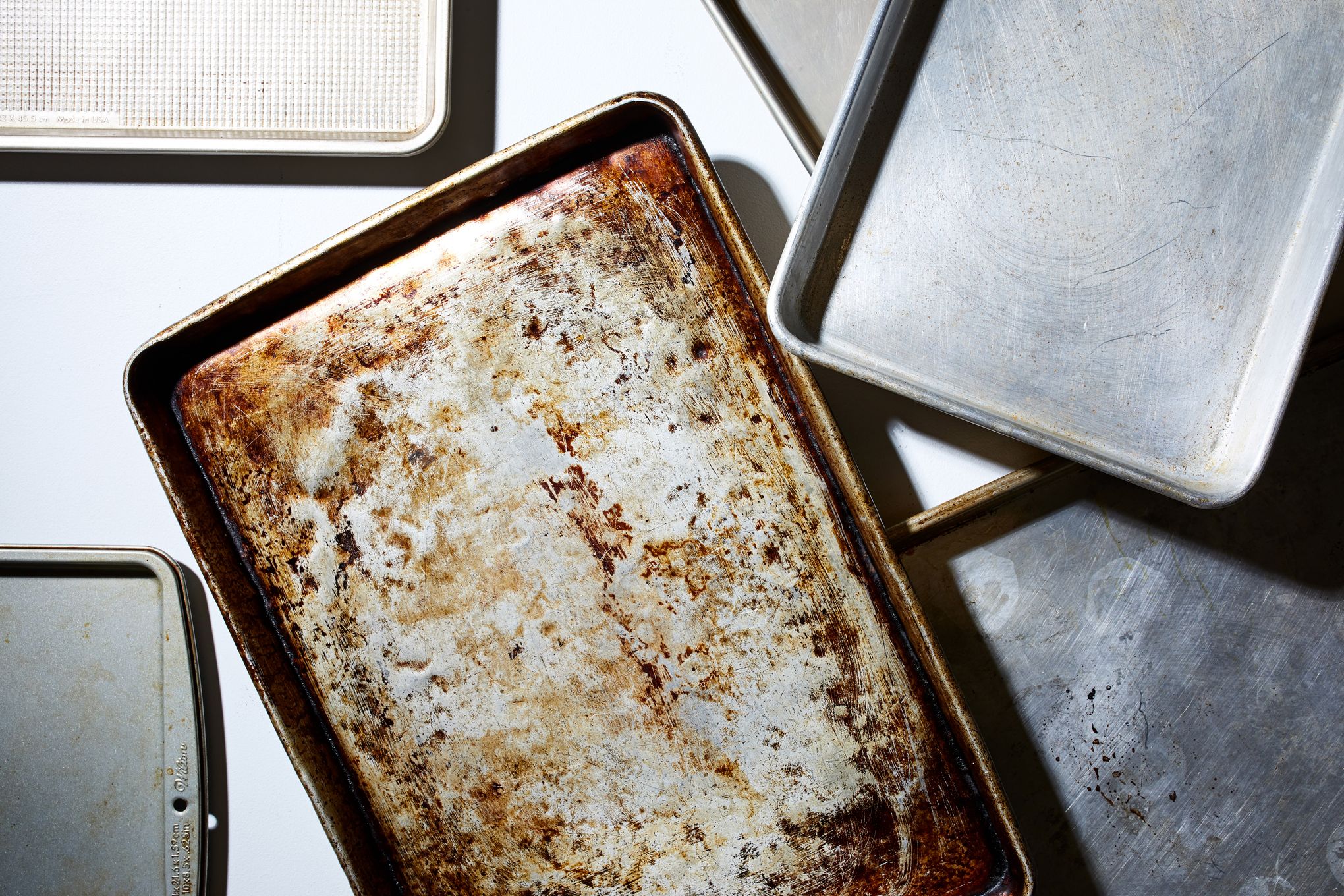
Non-obvious insight: Hard water can leave mineral deposits that look like oxidation but are actually removable with a vinegar rinse.
Credit: www.seattletimes.com
Professional Cleaning Services: Are They Worth It?
If your pan is very valuable or you’re not confident about cleaning it yourself, some professional kitchenware shops offer cleaning and restoration. This is usually only worth the cost for expensive or heirloom pieces. For most home cooks, DIY methods are effective and affordable.
Summary Table: Methods For Cleaning Oxidized Aluminum Pans
Here’s a quick summary of the main cleaning methods, when to use each, and their pros and cons.
| Method | When to Use | Pros | Cons |
|---|---|---|---|
| Basic washing | Light oxidation | Quick, easy | Not for tough stains |
| Vinegar boil | Moderate oxidation | Removes odor, restores shine | May not remove deep stains |
| Baking soda paste | Heavy oxidation | Safe, effective | Requires scrubbing |
| Lemon & salt | Light to moderate oxidation | Natural, deodorizes | Needs fresh lemons |
| Cream of tartar | Gray film, tough stains | Brightens, food-safe | Less common ingredient |
| Commercial cleaner | Severe cases | Strong, fast | Cost, chemical exposure |
Frequently Asked Questions
Can I Put Aluminum Pans In The Dishwasher?
No, it’s best to avoid dishwashers for aluminum pans. Dishwasher detergents are often too harsh and can cause oxidation, dullness, or even pitting. Always hand wash with mild soap and warm water for the best results.
How Often Should I Clean Oxidation From Aluminum Pans?
Clean oxidation whenever you notice the pan becoming dull or showing spots. For most home cooks, this means a deep clean every few months, but regular washing and drying after each use prevents most problems.
Will Cleaning Remove All Stains From My Aluminum Pan?
Most stains can be removed with the methods described above, especially if you act quickly. However, deep pits or old, burned-on stains may not come out completely. If stains remain after several cleanings, consider replacing the pan.
Can I Use Baking Soda And Vinegar Together To Clean Aluminum?
Yes, but with care. Mixing baking soda and vinegar creates a fizzing reaction that helps lift stains. Apply baking soda, then pour vinegar over it and scrub gently. Rinse well and dry. Avoid letting this mixture sit too long, as the acid can sometimes dull the finish.
What Is The Safest Way To Polish Aluminum Pans?
The safest way is to use vinegar or a mild aluminum polish with a soft cloth. Avoid abrasive pads or strong chemicals. Always rinse and dry the pan completely after polishing.
For more information about aluminum and its properties, check out this Aluminum resource.
Caring for your aluminum pans takes a little effort, but the reward is cookware that looks good, cooks evenly, and lasts for many years. With the right cleaning techniques and a few simple habits, oxidation won’t stand a chance in your kitchen.