
Every home cook knows the joy of pulling a bubbling casserole from a colorful enameled cast iron dish. These pans are famous for their even heat, vibrant looks, and long life. But keeping them perfect takes the right care. One big question many owners have: “Can I use steel wool on enameled cast iron?” This might seem simple, but the wrong cleaning method can scratch, dull, or even ruin your favorite cookware.
If you love your enameled cast iron pot or skillet, it’s important to know the best way to clean it—especially after a tough, baked-on mess. Let’s take a deep look at what happens when you use steel wool on enameled cast iron, the risks and alternatives, and how to keep your cookware looking new for years. Whether you’re new to cast iron or a seasoned cook, this guide will help you make smart choices and protect your investment.
What Is Enameled Cast Iron?
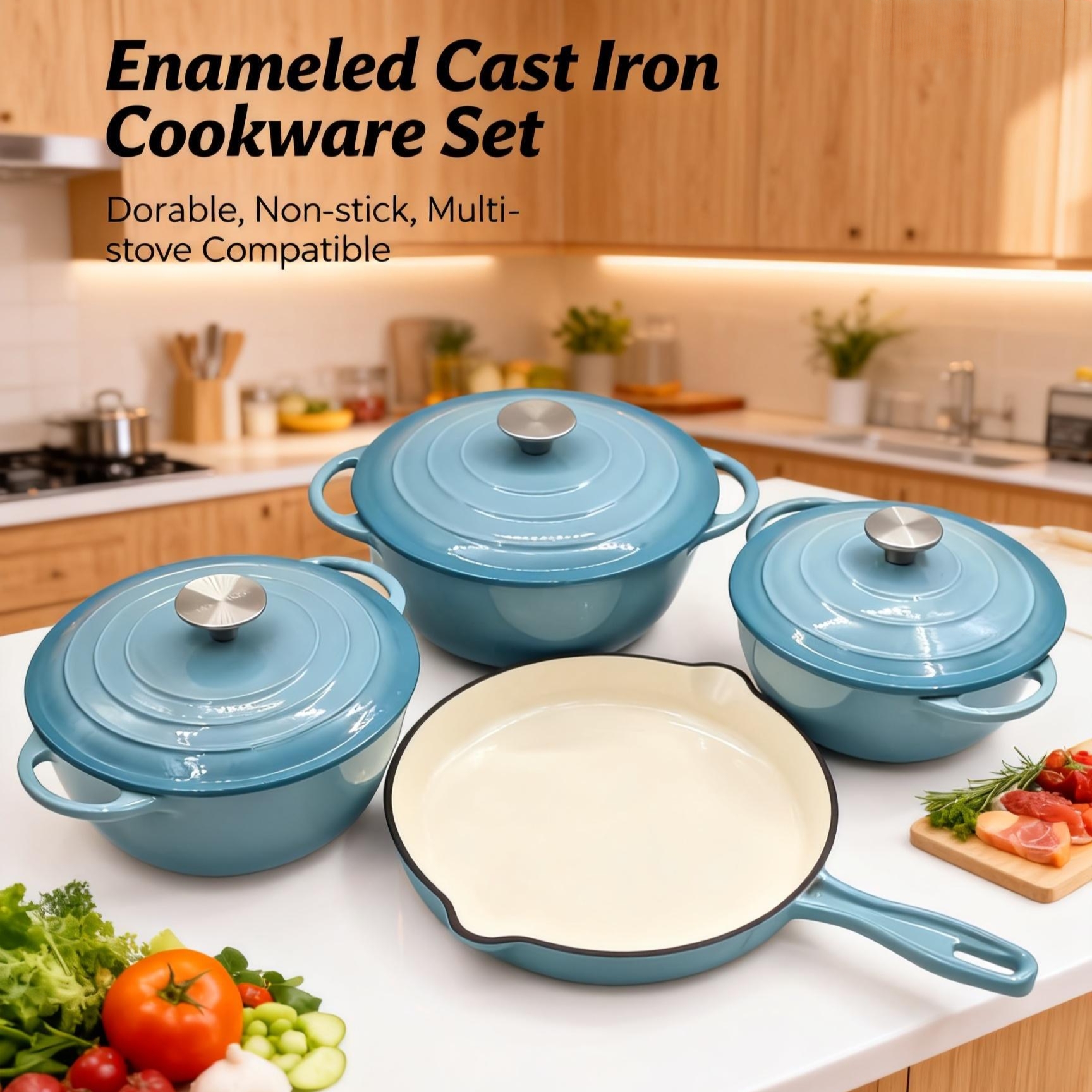
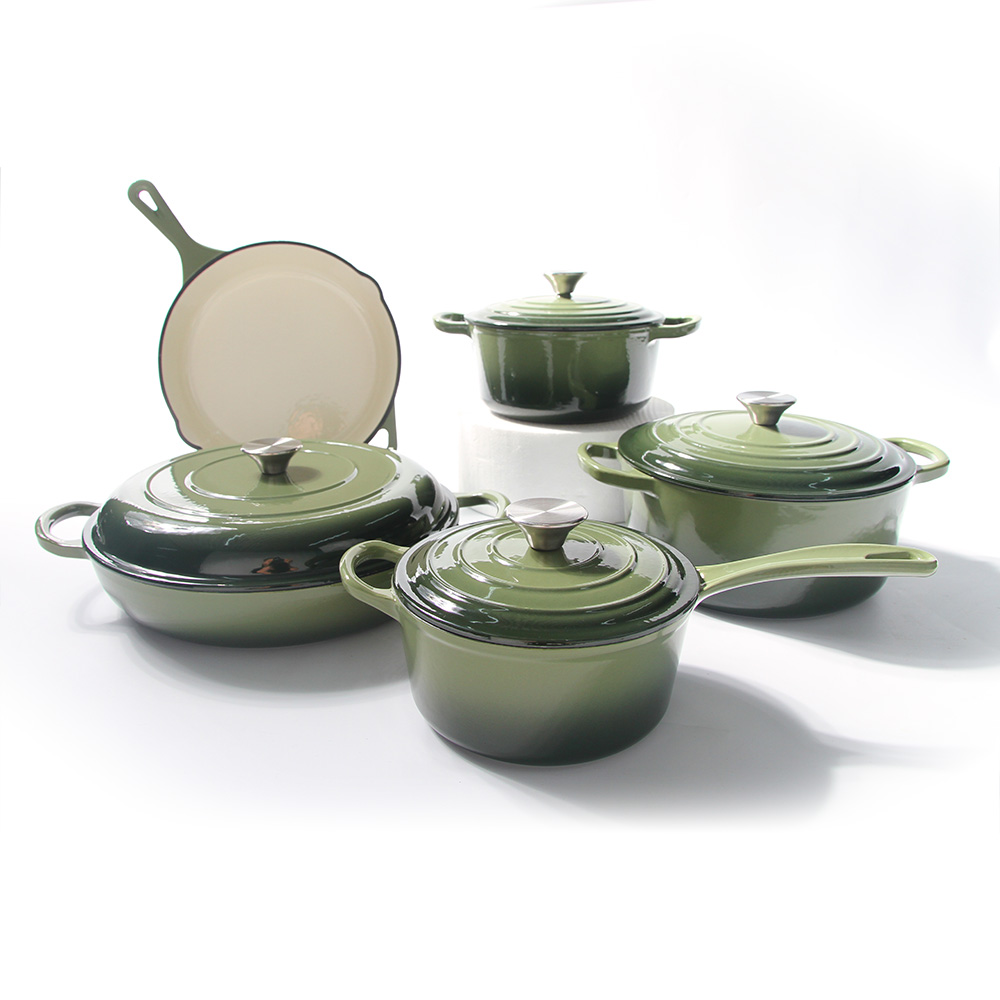
Enameled cast iron is cast iron cookware coated with a smooth, glass-like layer called enamel. This coating is baked at high temperatures and comes in many colors. The enamel prevents rust, stops food from reacting with the iron, and makes cleaning easier.
Unlike bare cast iron, enameled pieces do not need seasoning. They won’t get a nonstick patina like traditional pans, but they are less likely to rust and are less fussy to care for. The most famous brands include Le Creuset, Staub, and Lodge.
Benefits Of Enameled Cast Iron
- No seasoning needed: The enamel coating protects the iron.
- Does not rust: The surface resists water and oxygen.
- No metallic taste: Acidic foods like tomato sauce won’t react.
- Colorful and attractive: Many people use them to serve food directly.
Common Uses
Enameled cast iron works well for:
- Soups and stews
- Baking bread
- Roasting meats
- Casseroles
- Cooking acidic foods
It’s safe for stovetop, oven, and sometimes induction cookers.
What Is Steel Wool?
Steel wool is a cleaning material made from thin, sharp threads of steel twisted together. It comes in different grades, from extra-fine to heavy-duty.
Types Of Steel Wool
- Extra fine (#0000): Used to polish glass or metal.
- Fine (#00-#0): Good for cleaning delicate surfaces.
- Medium (#1-#2): For scrubbing tougher grime.
- Coarse (#3-#4): Removes paint or heavy buildup.
Steel wool is a favorite for removing stuck-on food or rust from uncoated metal pans. It is cheap, easy to find, and very effective—but also abrasive.
Can You Use Steel Wool On Enameled Cast Iron?
The short answer: No, you should not use steel wool on enameled cast iron.
Why Not?
Steel wool is much harder than the glass-like enamel coating. Scrubbing enameled cast iron with steel wool can:
- Scratch the enamel: Even the finest grade can leave marks.
- Dull the finish: The glossy shine can become cloudy.
- Create weak spots: Small scratches can lead to chips or cracks.
- Void warranties: Many brands will not cover damage from steel wool.
The enamel is tough, but it is not scratch-proof. It is designed to resist stains and wear from normal use, not from aggressive scrubbing.
What Happens If You Use Steel Wool?
Let’s look at what happens if you clean enameled cast iron with steel wool:
- Surface Scratching: The first thing you’ll notice is tiny lines or scratches. These are permanent.
- Loss of Gloss: The beautiful, shiny finish gets dull or hazy.
- Easier Staining: Scratches trap food and stain more easily.
- Chipping Risk: Deep scratches can make the enamel chip or flake.
- Shorter Lifespan: Damaged enamel may break down faster, exposing the iron underneath.
Example
Imagine you just baked a lasagna in your enameled Dutch oven, and the cheese is stuck to the sides. If you scrub with steel wool, you’ll probably remove the cheese, but you’ll also scratch the surface. Over time, these scratches add up, and your pan will look worn out—even if it’s only a few years old.
Is There Any Exception?
Some people suggest using the finest grade of steel wool (#0000) only on the rim or bottom (where there is no enamel) or as a last resort for stubborn stains. But even then, it’s a risk. Most experts and manufacturers say to avoid it completely.
Manufacturer Guidelines And Industry Standards
Leading brands like Le Creuset, Staub, and Lodge all recommend gentle cleaning for their enameled cookware.
Here’s a comparison of their cleaning advice:
| Brand | Official Steel Wool Policy | Recommended Cleaning Tools |
|---|---|---|
| Le Creuset | Never use steel wool or metal pads on enamel | Soft sponge, nylon brush |
| Staub | Do not use steel wool on enamel | Soft cloth, non-abrasive scrubber |
| Lodge | Steel wool may be used on uncoated rims only | Sponge, plastic scrubber |
All major makers warn against steel wool on enameled surfaces. They suggest nylon, silicone, or other non-scratch scrubbers.
How To Clean Enameled Cast Iron Safely
You don’t need steel wool to get your enameled cast iron clean. There are better, safer ways to remove stubborn food, grease, or stains.
Basic Cleaning Steps
- Let the pan cool. Placing hot enameled cast iron in cold water can crack the enamel.
- Soak with warm soapy water. Fill with hot water and mild dish soap. Let it soak for 15–30 minutes.
- Use a soft sponge. Wipe away food and grease. Never use the rough side of a kitchen sponge.
- Rinse and dry. Dry with a towel right away to avoid water spots.
For Stubborn Stains
Sometimes, food gets really stuck or leaves a brown stain. Try these safe methods:
Baking Soda Paste
- Make a paste with 2 tablespoons of baking soda and a little water.
- Rub gently with a soft sponge.
- Rinse thoroughly.
Soak Overnight
- Fill the pan with warm water and a bit of dish soap.
- Let it sit overnight.
- Scrub gently in the morning.
Boil And Scrape
- Add water and a little baking soda to the pan.
- Simmer for 10–15 minutes.
- Use a wooden spoon to loosen food.
Use A Non-scratch Pad
- Nylon or silicone scrubbers are safe for enamel.
- Avoid anything labeled “abrasive.”
Removing Discoloration
Over time, white or light enamel can develop stains. To remove them:
- Fill the pan with water and add 1–2 tablespoons of bleach.
- Let it soak for a few hours (never overnight).
- Rinse very well.
Tip: Always check your brand’s instructions before using bleach.
What To Do If You Accidentally Used Steel Wool
Mistakes happen. If you’ve already used steel wool on your enameled cast iron:
- Inspect the surface: Look for scratches or dull patches.
- Check for chips: Run your finger along the enamel for any roughness.
- Clean gently from now on: Switch to non-abrasive cleaning tools.
- Avoid using for high-acid foods: If the enamel is scratched, acidic foods can make it worse.
- Consider contacting the manufacturer: Some brands offer repair or advice.
Once the enamel is scratched, you cannot fix it at home. Professional re-enameling is rare and expensive.
Credit: www.alibaba.com
Safe Alternatives To Steel Wool
There are many tools and products made for cleaning enameled cast iron without harm.
Best Cleaning Tools
- Nylon scrubbers: Safe and effective for most messes.
- Soft sponges: For daily cleaning.
- Wooden or silicone scrapers: To loosen baked-on food.
- Melamine foam (magic eraser): Good for tough stains (test in a small spot first).
Effective Cleaners
- Baking soda: Removes stains and odors.
- Vinegar: Can help with mineral spots.
- Mild dish soap: Basic, safe, and reliable.
Pro Tip: Avoid anything gritty or powdery that isn’t labeled safe for enamel.
Popular Myths
- Dishwasher safe? Some brands say yes, but hand washing is always gentler.
- Lemon or salt scrubbing? These can be too harsh and scratch the surface over time.
Comparing Cleaning Tools For Enameled Cast Iron
Let’s compare common cleaning materials and their safety for enameled cast iron.
| Cleaning Tool | Effectiveness on Stuck Food | Risk of Scratching | Recommended? |
|---|---|---|---|
| Steel Wool | Excellent | Very High | No |
| Nylon Scrubber | Good | Low | Yes |
| Soft Sponge | Fair | Very Low | Yes |
| Melamine Foam | Good | Low (test first) | Yes |
| Plastic Scraper | Fair | Very Low | Yes |
The safest choices are nylon scrubbers and soft sponges.
Credit: www.alibaba.com
The Science Of Enamel Durability
Enamel is made from powdered glass melted onto iron at over 1400°F (760°C). It’s hard and smooth, but not as tough as metal. The hardness of glass enamel is about 5–6 on the Mohs scale, while steel wool is about 4–5. This means steel wool can scratch it, especially under pressure.
Another factor is thermal shock. If you cool hot enamel too quickly, it can crack. That’s why soaking hot pans in cold water is risky.
Enamel Thickness
Most quality enameled cast iron has a coating between 0. 3–0. 7 mm thick. Once it’s scratched, the damage is permanent. Unlike seasoned cast iron, you cannot “re-season” or repair enamel at home.
Real-life Mistakes: Stories And Lessons
Many home cooks have accidentally scratched their enameled cast iron by using the wrong tools. Here are two examples:
- Sarah’s Dutch Oven: After burning chili, Sarah used steel wool to clean her expensive Dutch oven. The next day, she saw dull spots and thin scratches. The pan still works, but stains appear more often, and food sticks in the scratched areas.
- Mike’s Grill Pan: Mike tried to scrub char off his grill pan with a metal pad. It left white lines on the black enamel. He later learned to use baking soda and a nylon brush instead.
Lesson: Patience and the right tools keep your enameled cast iron looking new.
Credit: smithclarkcastiron.com
How To Prevent Sticking And Hard-to-clean Messes
To avoid needing heavy scrubbing, use these tips:
- Preheat gently: Always heat the pan slowly to avoid burning food.
- Use enough oil: Enameled cast iron is not nonstick. A little oil prevents sticking.
- Avoid high heat: Too much heat burns food and makes cleaning harder.
- Deglaze after cooking: Add a splash of water or broth and scrape gently while the pan is warm.
Extra Insight: Small stains or marks inside light-colored enamel are normal. They don’t affect performance.
Longevity: How Long Will Enameled Cast Iron Last?
With proper care, enameled cast iron can last decades—even a lifetime. Many families pass their Dutch ovens down for generations. The main reason for early failure is enamel damage from harsh scrubbing or thermal shock.
Signs It’s Time To Replace
- Large chips or cracks in the enamel
- Rust appearing (means iron is exposed)
- Food sticking more than before
If you see these, it may be time for a new pan.
Environmental Impact: Steel Wool Vs. Gentle Tools
Using steel wool creates waste, as the pads wear out quickly and are hard to recycle. Non-abrasive sponges and nylon scrubbers last longer and are more eco-friendly when used with care.
Pro Tip: Rinse and dry your scrubbers after each use to make them last longer.
What About Cast Iron Without Enamel?
For traditional, bare cast iron, steel wool is often safe and helpful. It removes rust and old seasoning. But with enameled cast iron, the rules change—always use gentle cleaning.
If you own both types of pans, keep your cleaning tools separate to avoid confusion.
How Enameled Cast Iron Compares To Other Cookware
Enameled cast iron is more forgiving than stainless steel (which can get water spots) but less tough than plain cast iron (which you can scrub hard). Nonstick pans are even more delicate than enamel.
Here’s a quick comparison:
| Cookware Type | Scrubbing Allowed | Durability | Cleaning Difficulty |
|---|---|---|---|
| Enameled Cast Iron | No steel wool | High (if careful) | Moderate |
| Bare Cast Iron | Steel wool OK | Very High | Easy (if seasoned) |
| Nonstick | No abrasive scrubbers | Low–Medium | Easy |
| Stainless Steel | Non-abrasive pads | High | Moderate |
The Cost Of Replacing Damaged Cookware
Enameled cast iron isn’t cheap. A quality Dutch oven can cost $100–$400. Damaging the enamel with steel wool means you might need to replace it sooner. Most warranties do not cover misuse or damage from abrasive cleaning.
Tip: Spending a few dollars on the right cleaning tools saves money in the long run.
Non-obvious Insights For Enameled Cast Iron Owners
- Invisible scratches trap food and odors. Even if you can’t see them, microscopic scratches left by steel wool can make your pan harder to clean and can lead to smells or flavors lingering.
- Enamel color affects stain visibility. Light-colored enamel shows stains and scratches more than dark enamel. Be extra gentle with white or cream interiors.
- Enamel repairs at home don’t last. There are DIY kits, but they rarely hold up to cooking temperatures. Professional repair is costly and often not worth it.
Expert Advice And Extra Tips
- Always let the pan cool before washing. Sudden changes in temperature can crack the enamel.
- Store with care. Place a paper towel between stacked pans to prevent chipping.
- Don’t cut food in the pan. Knives can scratch the enamel.
- Check for chips before every use. Chips can harbor bacteria.
If you need detailed manufacturer advice, you can check the Enameled Cast Iron Wikipedia page for more background.
Frequently Asked Questions
Can I Use Steel Wool On The Rims Or Bottoms Of Enameled Cast Iron?
You should avoid steel wool on all enameled surfaces. On some pans, the rim or bottom is uncoated (bare iron). There, fine steel wool can be used carefully to remove rust. Do not touch the enamel with it.
What Is The Best Way To Remove Burnt-on Food From Enameled Cast Iron?
Soak the pan with hot, soapy water for at least 30 minutes. For stubborn bits, simmer water and baking soda, then use a nylon scrubber or wooden spoon to loosen food. Never use metal pads or steel wool.
Will Using Steel Wool Void My Enameled Cast Iron’s Warranty?
Yes, in most cases. Major brands state that using abrasive cleaners or steel wool can void the warranty. Always follow the manufacturer’s care instructions.
Is It Safe To Use Baking Soda Or Vinegar On Enameled Cast Iron?
Yes, both are safe when used gently. Baking soda is great for stains and odors. Vinegar can help with mineral spots. Avoid scrubbing too hard, and rinse well.
How Can I Prevent My Enameled Cast Iron From Staining?
Avoid overheating and clean soon after use. Use enough oil when cooking, and do not let food sit for hours. For white enamel, soak with baking soda and water to remove stains.
Taking care of enameled cast iron is simple once you know what to avoid. Skip the steel wool, use gentle tools, and your cookware will stay beautiful and strong for years to come. With patience and the right cleaning habits, your enameled cast iron can become a family heirloom—ready for every stew, roast, and loaf of bread you’ll ever make.