
If you want to refresh your kitchen without a big renovation, painting your cabinets or walls is one of the best options. But with so many types of paint available, choosing the right one can be confusing. Two of the most popular choices for kitchen makeovers are chalk paint and latex paint. Each has its fans, but they are very different in how they look, feel, and perform. If you’re unsure which to use, this guide will help you decide what’s right for your kitchen.
Many people hear about chalk paint from DIY blogs or see latex paint at the hardware store. But what are the real differences? Which lasts longer? Which is easier to use if you’re not a professional? What about cleaning, cost, and style?
Let’s break down everything you need to know about chalk paint vs latex for kitchen projects. You’ll also get expert tips, common mistakes to avoid, and answers to the most asked questions.
What Is Chalk Paint?
Chalk paint is a decorative paint made famous by Annie Sloan in the 1990s. It’s known for its matte, chalky finish and vintage look. People love it because it often requires little to no prep work. You can paint over old finishes, wood, metal, glass, and even laminate.
One thing that makes chalk paint unique is its formula. It’s water-based but has added minerals that give it a soft, powdery feel. This is different from traditional paints, which are smoother and glossier. Chalk paint is great for creating styles like shabby chic, farmhouse, or French country.
Some key features of chalk paint:
- No sanding or priming in many cases
- Dries quickly (about 30-60 minutes per coat)
- Easy to distress for a vintage look
- Needs sealing with wax or a topcoat for durability
Chalk paint is often used on furniture, but it has become popular for kitchen cabinets and even walls.
What Is Latex Paint?
Latex paint is what most people think of as regular wall paint. It’s water-based and contains acrylic resins for durability. It comes in many finishes: flat, eggshell, satin, semi-gloss, and gloss. Latex paint is widely available at all hardware stores and comes in almost every color you can imagine.
Latex paint bonds well to properly prepared surfaces. For kitchens, it’s most common on walls, trims, and sometimes cabinets. It is known for:
- Easy application and fast drying
- Washable and durable finishes
- Many sheen options, from flat to shiny
- Less odor than oil-based paints
While latex paint usually needs some prep work (cleaning, sanding, priming), it provides a strong, smooth finish that’s easy to clean.
Visual Differences: Style And Aesthetics
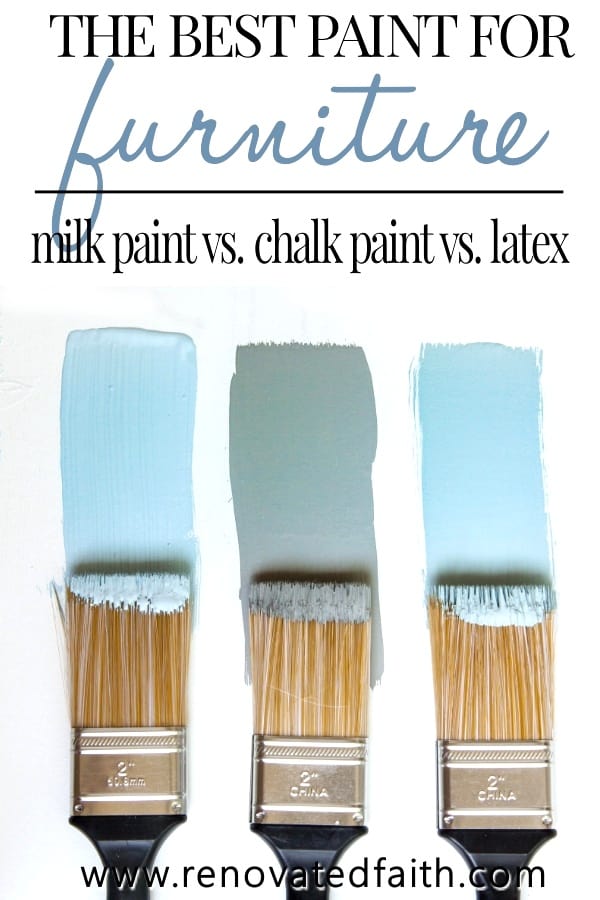
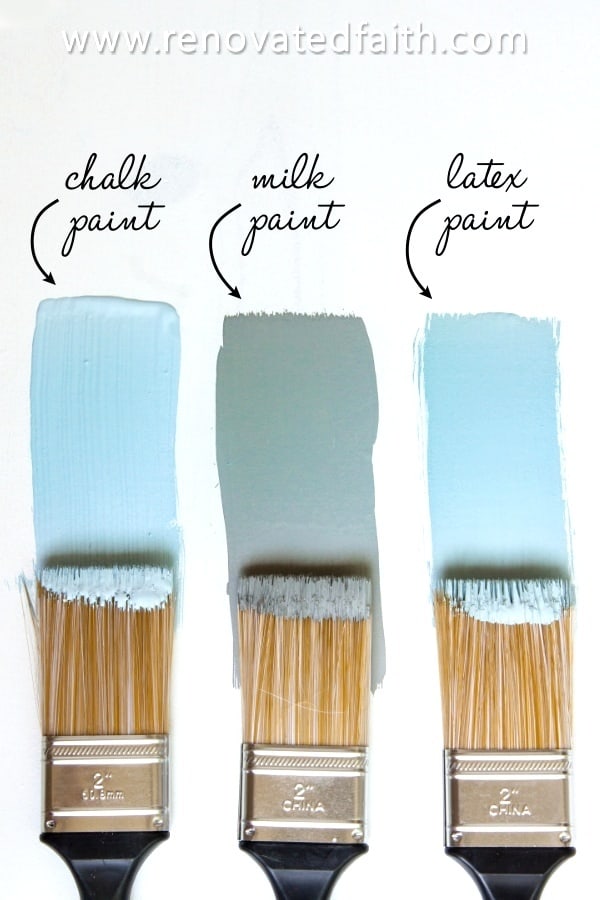
The first thing you’ll notice is how different these paints look once dry. Chalk paint leaves a soft, velvety, ultra-matte finish. This style is perfect if you want a rustic, vintage, or handmade feel in your kitchen. It’s also easy to distress with sandpaper to show some wood or old paint underneath.
Latex paint offers more variety. You can pick from matte for a modern look, satin for a soft glow, or semi-gloss if you want some shine. Most kitchens use satin or semi-gloss because they reflect light and are easier to clean. The finish is smooth, not powdery.
If you love classic farmhouse style, chalk paint is hard to beat. If you want your kitchen to look modern, sleek, or traditional, latex paint has more options.
Surface Preparation: How Much Work Is Needed?
Chalk Paint Prep
One reason people love chalk paint is the minimal prep. In many cases, you just clean the surface, maybe give a light sanding to shiny spots, and start painting. Chalk paint is thick and sticks well, even to surfaces with old varnish or paint.
However, if your cabinets are greasy (which is common in kitchens) or have peeling paint, you need to clean thoroughly and sand loose areas. Skipping this step can lead to peeling or poor adhesion, even with chalk paint.
Latex Paint Prep
Latex paint requires more preparation for best results. This usually includes:
- Cleaning with a degreaser
- Sanding to remove gloss and smooth the surface
- Priming, especially if painting over wood, laminate, or dark colors
While it takes more time, the prep work helps latex paint last longer and look smoother.
Non-obvious tip: If you skip proper cleaning and sanding with either paint, especially in kitchens, oils and dirt can cause paint to peel or bubble within months.
Application Process: Tools, Time, And Skill
Painting With Chalk Paint
Chalk paint is forgiving for beginners. You can use a regular brush, foam roller, or even a sprayer. Brush marks often blend into the vintage look. Most projects need 2-3 coats for even color.
A unique step for chalk paint is sealing. The paint itself is soft and porous, so you need to finish with wax or a clear polyurethane. Wax gives a silky, hand-rubbed feel but must be reapplied every few years. Polyurethane offers longer protection but can add a slight sheen.
Painting With Latex Paint
Latex paint is also easy to use but benefits from careful technique. For cabinets, a high-quality brush or foam roller gives a smooth finish. Latex dries quickly, but not as fast as chalk paint—allow a few hours between coats.
You don’t need to seal latex paint for walls, but for cabinets or high-traffic areas, a protective topcoat (like a clear acrylic) adds durability.
Pro tip: For both paints, thin coats give better results than thick ones. Rushing or over-brushing can lead to drips or uneven color.
Durability: How Well Do They Last In The Kitchen?
The kitchen is a tough place for paint. Grease, steam, spills, and frequent cleaning can wear out even the best finish.
Chalk Paint Durability
On its own, chalk paint is not very durable. It can scratch, stain, or absorb water easily. That’s why sealing is non-negotiable. With proper sealing (wax or topcoat), chalk paint can last for years on cabinets and walls. But even then, it’s not as hard-wearing as latex.
Waxed chalk paint needs gentle cleaning—mild soap and water only. Avoid harsh scrubbing or strong chemicals. Wax may need reapplying every 1-2 years, especially in busy kitchens.
Latex Paint Durability
Latex paint, especially in satin or semi-gloss, is designed to handle cleaning and moisture. It forms a tough film that resists stains and scrubbing. On cabinets, it can chip or scratch if hit hard, but overall it’s more maintenance-free than chalk paint.
Some high-end latex paints are even labeled “cabinet-grade” and offer extra hardness. For walls, latex paint holds up well for many years.
Expert insight: If you want a finish you can scrub often, latex is the stronger choice. Chalk paint is better for low-traffic or decorative areas.
Credit: renovatedfaith.com
Cleaning And Maintenance
Kitchens get messy, so it’s important to understand how each paint handles cleaning.
- Chalk paint (sealed with wax): Use a damp cloth and mild soap. Don’t use abrasive cleaners or scouring pads, as these can remove the wax and damage the paint.
- Chalk paint (sealed with polyurethane): You can use slightly stronger cleaners, but avoid ammonia or bleach.
- Latex paint: Most latex finishes can handle regular kitchen cleaners and even gentle scrubbing. Semi-gloss is especially easy to wipe clean.
Data point: In a survey of kitchen cabinet owners, 68% said latex paint was easier to keep clean over five years compared to 21% for chalk paint.
Color And Finish Options
Latex paint offers the widest selection of colors and finishes. You can match almost any shade, from pure white to deep navy, and pick your level of shine. Most stores can custom-mix colors.
Chalk paint comes in fewer colors, but you can mix your own shades or use specialty brands. The finish is almost always matte. Some companies now offer satin or gloss chalk paints, but the classic look remains soft and flat.
If you want a bold, exact color or a high-gloss finish, latex is the better choice. If you love soft, muted, or vintage tones, chalk paint is perfect.
Credit: renovatedfaith.com
Cost Comparison
Let’s talk numbers. The price of paint can vary widely, but here’s a general idea:
- Chalk paint: $30–$40 per quart. Most kitchen cabinet projects need 2–3 quarts. Add $15–$25 for wax or sealer.
- Latex paint: $15–$25 per quart. You’ll need about the same amount for cabinets. Primer may add $10–$20.
While chalk paint is more expensive per quart, it often goes further because it’s thicker. But you must factor in the cost of sealing products.
Here’s a cost breakdown for a medium-sized kitchen cabinet project:
| Paint Type | Paint Cost | Primer/Sealer | Total Estimated Cost |
|---|---|---|---|
| Chalk Paint | $90–$120 | $20–$40 (wax/sealer) | $110–$160 |
| Latex Paint | $45–$75 | $10–$20 (primer/sealer) | $55–$95 |
Practical tip: Don’t forget brushes, rollers, and sanding pads. These can add $20–$40, no matter the paint.
Environmental And Health Considerations
Both chalk and latex paints are water-based and have low odor compared to oil-based paints. However, there are some differences:
- Chalk paint: Most brands are low in volatile organic compounds (VOCs), making them safe for indoor use. Some boutique brands are even non-toxic and kid-safe.
- Latex paint: Most modern latex paints are also low-VOC. Still, always check the label. Some cheaper paints may contain more chemicals.
If you’re sensitive to smells or want to minimize exposure, look for paints labeled “zero-VOC. ” Always paint with good ventilation.
Non-obvious insight: Some chalk paint waxes contain solvents or turpentine, which have a strong smell. If you want a fully non-toxic project, look for water-based sealers.
When To Choose Chalk Paint For Your Kitchen
Chalk paint is not just for furniture. It can transform your kitchen cabinets, walls, or even floors if you want a unique look. Here’s when it’s a smart choice:
- You want a vintage or distressed style. Chalk paint is perfect for farmhouse, shabby chic, or cottage kitchens.
- You dislike prep work. If you want to skip sanding and priming, chalk paint can save time.
- You plan to distress or layer colors. Chalk paint makes it easy to sand edges or add two-tone effects.
- You prefer a soft, matte finish. Nothing matches the look of real chalk paint.
- You’re not worried about heavy wear. For cabinets that don’t get constant use, chalk paint can last years.
Experience-based tip: Chalk paint is also great for quick makeovers. If you want to change your color often, it’s easy to repaint over previous chalk paint layers.
When To Choose Latex Paint For Your Kitchen
Latex is the most common paint for a reason. Here are the best situations for using it:
- You want maximum durability. Latex stands up to cleaning, grease, and daily use.
- You need a wide color selection. Match any style or décor easily.
- You prefer a smooth, modern, or glossy finish. Satin or semi-gloss latex looks clean and bright.
- You’re painting walls, trims, or ceilings. Latex is the standard for most surfaces.
- You want low maintenance. No need to reapply wax or worry about scratches.
Straight-to-the-point advice: If you have kids, pets, or do a lot of cooking, latex paint is the safer long-term choice.
Common Mistakes And How To Avoid Them
No matter which paint you choose, there are pitfalls. Here’s how to avoid the most common mistakes:
- Not cleaning properly. Kitchen surfaces often have oil, dust, and food residue. Always scrub with a degreaser first.
- Skipping sanding (when needed). Even chalk paint benefits from light sanding on shiny or damaged surfaces.
- Skipping primer for latex paint. Primer helps paint stick and prevents stains from bleeding through.
- Using too much paint at once. Thin coats dry faster and look smoother.
- Not sealing chalk paint. Unsealed chalk paint stains and scratches easily.
- Choosing the wrong finish. Semi-gloss is best for kitchen cabinets. Flat paints show dirt and are hard to clean.
- Rushing the job. Let each coat dry fully before adding more paint or sealer.
Insider tip: Always test your paint and sealer combo on a hidden spot before doing the whole kitchen.
Real-world Examples And Results
Let’s look at two real kitchen makeovers to see how each paint performs:
Chalk Paint Example:
A homeowner in Georgia wanted a farmhouse kitchen. She used Annie Sloan chalk paint in “Old White” on her oak cabinets. No sanding, just cleaning. After two coats of paint and two coats of wax, the cabinets looked soft and vintage.
She distressed the edges for an aged look. Two years later, the finish still looked good, but she needed to re-wax busy areas near the stove.
Latex Paint Example:
A family in Ohio painted their cabinets with Benjamin Moore Advance (a cabinet-grade latex). They cleaned, sanded, and primed. After two coats of paint and a clear acrylic topcoat, the cabinets had a smooth satin finish. Four years later, the cabinets were still easy to clean, and no touch-ups were needed.
Performance Comparison Table
Here’s a direct comparison of chalk paint and latex paint for kitchen projects:
| Feature | Chalk Paint | Latex Paint |
|---|---|---|
| Finish | Matte, chalky | Matte to high gloss |
| Prep Needed | Minimal | More (clean, sand, prime) |
| Durability | Good with sealer, less tough | Very durable |
| Maintenance | Needs re-waxing | Low |
| Color Choices | Limited | Unlimited |
| Cleaning | Gentle only | Scrubbable |
| Cost | Higher | Lower |
Pros And Cons Of Chalk Paint And Latex Paint
To summarize, here are the main advantages and disadvantages of each paint:
Chalk Paint Pros:
- Quick, easy application with little prep
- Unique, vintage look
- Easy to distress or layer
- Low odor, low VOC
Chalk Paint Cons:
- Needs sealing for durability
- Wax must be reapplied
- Limited color choices
- Not as tough for heavy kitchen use
Latex Paint Pros:
- Strong, long-lasting finish
- Huge range of colors and sheens
- Easy to clean and maintain
- Widely available and affordable
Latex Paint Cons:
- Requires more surface prep
- Harder to achieve distressed look
- Can show brush marks if applied poorly
Expert Tips For A Successful Kitchen Paint Job
- Always clean surfaces thoroughly. Use a degreaser, not just soap and water.
- Remove cabinet doors and hardware. This makes painting easier and neater.
- Label your doors and drawers. Number them so you remember where each one goes.
- Use high-quality brushes and rollers. Cheap tools leave marks and shed bristles.
- Let each coat dry fully. Rushing leads to sticky, uneven results.
- Ventilate well. Even low-odor paints can cause headaches without fresh air.
- Protect your counters and floors. Use drop cloths and painter’s tape.
Insider note: If you want both style and durability, some people do a “hybrid” method—using chalk paint for color, then sealing with a tough water-based polyurethane instead of wax.
Maintenance Over Time: What To Expect
A kitchen paint job is an investment. Here’s what you should plan for after painting:
- Chalk paint with wax: Expect to re-wax high-traffic areas every 1-2 years. Watch for scratches and touch up as needed.
- Chalk paint with polyurethane: Less maintenance, but still avoid harsh cleaners.
- Latex paint: Wipe clean as needed. Touch up chips or scratches, but otherwise, just enjoy your kitchen.
Both paints can last 5–10 years if cared for, but latex generally needs less attention.
Sustainability And Eco-friendly Choices
If you’re concerned about the environment, both chalk and latex paints can be eco-friendly, but check the brand:
- Look for low-VOC or zero-VOC on the label.
- Avoid oil-based sealers or waxes with strong solvents.
- Recycle leftover paint at approved facilities.
Some boutique chalk paints use all-natural ingredients. For latex, many big brands offer “green” lines.
For more on VOCs and paint safety, visit the US EPA Safer Choice page.
Chalk Paint Vs Latex For Kitchen: Final Table
Here’s a quick decision guide to help you choose:
| If You Want… | Choose Chalk Paint | Choose Latex Paint |
|---|---|---|
| Minimal prep | ✔️ | ❌ |
| Distressed/vintage style | ✔️ | ❌ |
| Maximum durability | ❌ | ✔️ |
| Unlimited colors | ❌ | ✔️ |
| Easy cleaning | ❌ | ✔️ |
| Low maintenance | ❌ | ✔️ |

Credit: athomewithashley.com
Frequently Asked Questions
Is Chalk Paint Good For Kitchen Cabinets?
Chalk paint can be a good choice for kitchen cabinets if you love a matte, vintage look and are ready to seal the paint with wax or polyurethane. It’s easy for beginners and covers old finishes well. However, it’s less durable than latex and needs more careful cleaning.
Does Latex Paint Need A Topcoat On Kitchen Cabinets?
High-quality latex paint (especially in satin or semi-gloss) does not always need a topcoat, but adding a clear acrylic sealer can increase durability and stain resistance. For high-traffic kitchens, a topcoat is a smart choice.
Can You Mix Chalk Paint And Latex Paint?
You should not mix chalk paint and latex paint together before applying. However, you can use latex paint as a base and chalk paint on top (or vice versa) if you prime well. Always test a small area first to check for compatibility.
Which Paint Is More Eco-friendly For Kitchens?
Both chalk and latex paints can be eco-friendly if you choose brands with low or zero VOCs. Check the label for certifications. Some chalk paints are made from all-natural materials, but their sealers (like wax) may contain solvents.
How Long Does It Take To Paint A Kitchen With Chalk Paint Vs Latex?
Chalk paint dries quickly (30–60 minutes per coat), but waxing takes extra time and effort. Latex paint needs 2–4 hours between coats and may require priming, so the total project time is similar. Plan for 2–3 days for either method, including drying and curing.
Choosing between chalk paint and latex for your kitchen depends on your style, how much maintenance you want, and how tough you need the finish to be. Both can create beautiful results with the right preparation and care. Take your time, follow these tips, and your kitchen will look fresh for years to come.