
Cuddling up with a soft polyester blanket can make any cold night warmer. But after a few weeks or months, you may notice your favorite blanket isn’t as fresh as it used to be. Maybe there are crumbs from a late-night snack, pet hair, or simply a dull look.
Washing polyester blankets seems simple, but if you do it wrong, you might damage the fabric, cause pilling, or lose the cozy feel. Here, you’ll learn every detail you need to wash a polyester blanket safely, keep it fluffy, and make it last for years.
Understanding Polyester Blankets
Polyester is a synthetic fiber made from petroleum. It’s popular in blankets because it’s durable, lightweight, and holds color well. Most polyester blankets feel soft and smooth, and they resist shrinking more than natural fibers like cotton or wool.
Polyester is also budget-friendly, which makes it a common choice in both homes and hotels. You might also notice that many decorative throws and plush “fleece” blankets are made of polyester or a polyester blend. Some even mimic the feel of more expensive materials, like cashmere or wool, but are much easier to care for.
But polyester can have some drawbacks. It can trap odors, build up static, and sometimes pill if washed incorrectly. Knowing what makes polyester unique is key to cleaning it the right way. Unlike natural fibers, polyester does not breathe as well, so sweat or moisture can stay trapped in the fabric and develop a smell over time.
Why Polyester Needs Special Care
Unlike cotton or wool, polyester fibers don’t absorb much water. This helps them dry quickly, but it also means that stains can sit on the surface and become harder to clean if left too long. Heat can also damage polyester, causing the fabric to melt or lose its softness. That’s why you need to use the right water temperature, detergent, and drying method.
Polyester’s smooth surface can also attract static electricity, especially in dry weather. This can make lint and pet hair stick more easily and cause the blanket to “snap” when you fold it or pull it off your bed. Using the right washing and drying techniques helps reduce static and keeps your blanket comfortable to use.
Beginners often miss that even one wash on high heat can permanently change the texture of polyester, making it rough or shiny in spots.
Before You Wash: Preparation Steps
Jumping straight into the wash is tempting, but a few minutes of prep can prevent problems and help your blanket come out perfect.
1. Check The Care Label
Every polyester blanket should have a care label with instructions. This small tag tells you the best water temperature, if bleach is safe, and if you can use a dryer. Some blankets are 100% polyester, while others are blends (like polyester and acrylic). Always follow the label if it differs from general advice.
Care labels sometimes include symbols instead of words. For example, a tub of water with a dot means cold water, and a triangle with a cross means no bleach. If you’re unsure what a symbol means, look it up before washing.
Skipping this step is a common mistake, especially if your blanket has decorative trims or special finishes.
2. Shake Out Debris
Take the blanket outside and give it a good shake. This removes crumbs, hair, and dust that can stick to the fibers. For pet hair, use a lint roller or a soft brush.
If your blanket is large, you can lay it over a fence or balcony railing and gently beat it with your hands to loosen more debris. Doing this before each wash prevents small bits from clogging your washing machine’s filter or sticking to other laundry.
3. Treat Stains First
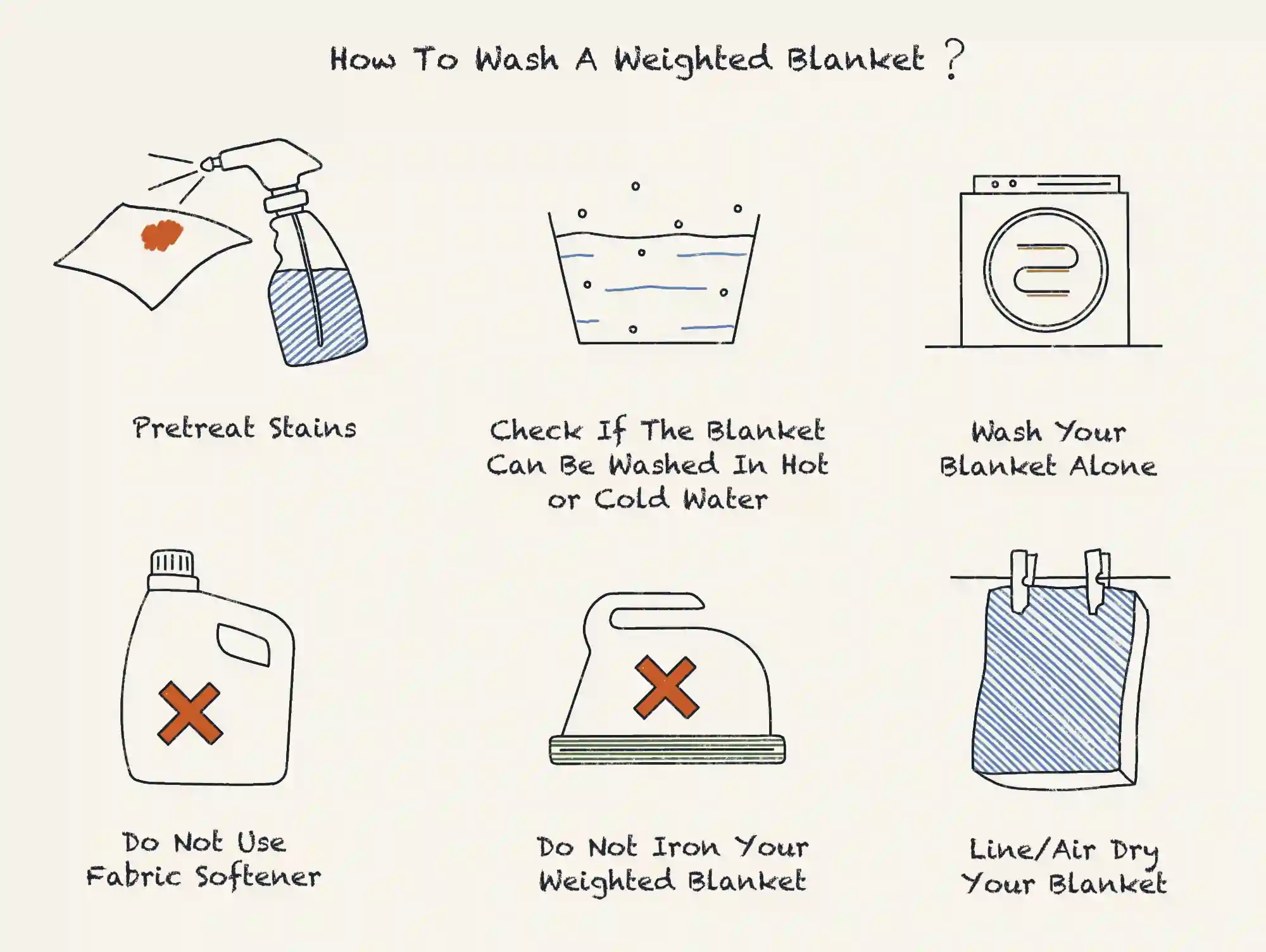
If you see spots or stains, treat them before washing. Mix a few drops of mild liquid detergent with cool water and gently dab the stain with a clean cloth. Avoid rubbing hard, as this can push the stain deeper or roughen the fabric.
For oily stains (like butter or salad dressing), sprinkle a little baking soda on the spot before adding detergent. Let it sit for a few minutes to absorb grease, then brush off before washing. This extra step can make a big difference in getting tough stains out without damaging the fibers.
4. Close Zippers And Fasten Buttons
If your blanket has zippers, snaps, or buttons, close them. This prevents snagging and keeps the blanket in good shape.
Also, check for any loose threads or decorations. If you see any, trim or secure them so they don’t get worse in the wash. This is especially important for blankets with fringe or embroidered edges.
5. Wash Alone Or With Similar Items
Polyester blankets can attract lint, so it’s best to wash them alone or with similar synthetic fabrics. Never wash with towels or sweaters that shed fibers.
If you need to wash more than one blanket, make sure they’re similar colors to avoid dye transfer. Even “colorfast” polyester can sometimes bleed, especially if new.
Choosing The Right Detergent And Supplies
Polyester is tough, but it’s sensitive to harsh chemicals and rough treatment.
1. Use Mild Detergent
Pick a gentle, liquid detergent. Powdered detergents can sometimes leave residue on polyester. Avoid bleach unless the care label says it’s safe.
Look for detergents labeled “free and clear” or “for delicates. ” These are less likely to include brighteners or strong perfumes that can build up on the fabric and cause irritation or stiffness. If you have sensitive skin, this is especially important.
2. Skip Fabric Softener
It’s tempting to use fabric softener for extra fluff, but it can coat polyester fibers and make them feel sticky or less breathable. If you want extra softness, add a cup of white vinegar to the rinse cycle instead. The smell disappears, and vinegar helps remove detergent build-up.
Vinegar also helps cut static and keeps your blanket feeling light. Some people worry that vinegar will leave a smell, but it usually goes away as the blanket dries. If you notice a lingering scent, air drying outside can help.
3. Avoid Strong Stain Removers
Many stain removers contain bleach or strong chemicals. Spot-test any product on a corner of the blanket first, and use only if you see no color change or damage.
If you’re unsure, stick to gentle dish soap or a dab of diluted detergent. Remember, polyester can be surprisingly sensitive to bleach—even some “color-safe” products can fade or weaken the fibers over time.
Machine Washing A Polyester Blanket
Most polyester blankets are machine washable, but using the wrong settings can harm the material.
1. Set The Water Temperature
Use cold or warm water (never hot). Hot water can melt or damage polyester fibers, making the blanket rough or misshapen.
Warm water can help with heavy soil, but always avoid hot water. Many washing machines have an “eco” or “cool” setting—these are safe choices. If your blanket is very dirty, a longer cycle with cold water works better than a short, hot wash.
2. Select The Right Cycle
Choose a gentle or delicate cycle. This reduces friction and prevents pilling. For heavier blankets, a regular cycle may work, but always check the care label first.
The gentle cycle uses slower agitation and a shorter spin. This means less stress on the fibers and less chance of small tears or pills forming. If your blanket is very thick, pause the cycle halfway and reposition it for an even wash.
3. Load Size Matters
Don’t overload the machine. The blanket needs room to move for even cleaning. If it’s a large blanket, wash it alone.
If you have a front-loading washer, these are usually better for bulky items because they clean with tumbling action instead of an agitator. Top-load washers with a central post can sometimes tangle or twist blankets.
4. Use Proper Amount Of Detergent
Too much detergent can lead to residue and stiffness. Use the amount recommended for a medium load on your detergent bottle.
If your blanket is only lightly soiled, use even less detergent. Extra suds can get trapped inside the fibers, making the blanket hard and less breathable.
5. Extra Rinse Cycle
An extra rinse helps remove all soap, leaving the blanket soft and free of residue.
This step is easy to skip but makes a big difference, especially if you or your family have sensitive skin. Soap left in the blanket can cause itching or irritation.
Here’s a quick comparison of washing machine settings for polyester blankets:
| Setting | Recommended? | Why |
|---|---|---|
| Cold Water | Yes | Prevents damage, keeps colors bright |
| Warm Water | Sometimes | Good for deeper cleaning, but not too hot |
| Hot Water | No | Can melt or damage polyester |
| Delicate Cycle | Yes | Gentle on fibers, prevents pilling |
| Heavy Duty | No | Too rough for most polyester blankets |
Credit: www.dreamcloudsleep.com
Hand Washing Polyester Blankets
Some blankets are too big for the machine, or you may prefer a gentle touch. Hand washing is easy and safe for all polyester types.
1. Fill A Tub With Cool Or Lukewarm Water
Make sure the water is not hot. Add a small amount of liquid detergent and mix until sudsy.
A bathtub or large plastic bin works best. If the blanket is extra fluffy, use more water to give the fibers plenty of space.
2. Submerge And Soak
Place the blanket in the water, pushing it down so it’s fully wet. Let it soak for 10–15 minutes.
Gently press the blanket under water to help release trapped air. This soaking step loosens dirt and oils without harsh scrubbing.
3. Gently Agitate
Move the blanket around with your hands, squeezing gently to release dirt. Don’t scrub or wring the fabric.
Focus on stained or soiled areas by pressing and releasing the fabric under water. Agitation should be gentle—think of kneading bread dough, not wringing out a dishcloth.
4. Rinse Thoroughly
Drain the soapy water and refill with clean water. Swish the blanket to remove all soap. Repeat if needed until the water runs clear.
Soap left in the blanket can lead to stiffness and skin irritation. Take your time with rinsing, especially for plush or high-pile polyester.
5. Remove Excess Water
Lift the blanket and gently press out water. Roll it in a clean towel and press again. Don’t twist or wring, as this can stretch the fabric.
For very large blankets, use two towels—one to roll and another to blot. Polyester dries quickly, so this step is usually enough before air drying.
Drying A Polyester Blanket
How you dry your blanket is just as important as washing it. Polyester dries faster than natural fibers, but heat can cause shrinking or melting.
1. Air Drying
The safest method is air drying. Spread the blanket flat on a clean, dry surface or hang it over a wide line. Keep it out of direct sunlight to prevent fading.
A drying rack or a clean bed sheet works well for air drying. Flip the blanket halfway through to speed up drying and prevent damp spots. If you live in a humid area, use a fan to circulate air around the blanket.
2. Machine Drying
If you need to use a dryer, set it to low heat or air fluff. Remove the blanket while it’s still slightly damp to prevent static and keep it soft. Shake out and let it finish drying on a rack or clean surface.
Never use dryer sheets with synthetic blankets; these can leave a waxy feel. If static is a problem, hang the blanket up for the last bit of drying.
3. Avoid High Heat
High heat can ruin polyester’s texture, causing permanent wrinkles or melting. Never use the “sanitize” or “high” setting on your dryer.
Even one accidental high-heat cycle can create shiny, hard spots on your blanket. If you’re worried, check the blanket every 10–15 minutes while drying.
4. Fluffing The Blanket
After drying, shake the blanket to fluff up the fibers. For extra softness, toss a couple of clean tennis balls or dryer balls in the dryer on air fluff.
The tennis balls help break up clumps and restore the blanket’s loft. If you don’t have dryer balls, clean, dry sneakers (tied in a pillowcase) can work in a pinch.
Here’s a comparison of drying methods for polyester blankets:
| Method | Pros | Cons |
|---|---|---|
| Air Drying (Flat) | No risk of heat damage, prevents stretching | Slower drying, needs space |
| Machine Drying (Low Heat) | Fast, convenient, softens fibers | Some risk of static, must avoid high heat |
| Hanging to Dry | Easy, uses no energy | May stretch blanket if not supported well |
Credit: www.reddit.com
Removing Odors And Stubborn Stains
Sometimes, regular washing isn’t enough. Polyester can hold on to odors from sweat, pets, or spills. Here’s how to tackle these problems without harming the fabric.
1. Removing Odors
Add one cup of baking soda to your wash cycle, or soak the blanket in a mix of water and vinegar before washing. This neutralizes smells without harsh chemicals.
For blankets stored for a long time, a few drops of essential oil (like lavender) added to the rinse cycle can give a fresh scent. Just don’t apply oils directly to the blanket.
2. Treating Stubborn Stains
For tough stains like chocolate, wine, or ink:
- Blot (don’t rub) with a clean, damp cloth as soon as possible.
- Apply a solution of water and a few drops of dish soap.
- Let sit for 10 minutes, then gently rinse.
- Repeat if needed, but avoid scrubbing.
For older stains, try a paste of baking soda and water. Spread on the spot, let dry, and then brush off before washing. Always rinse well.
3. Yellowing Or Dullness
If your white or light-colored blanket looks yellowed, add half a cup of hydrogen peroxide to the wash. Always check the care label first.
Hydrogen peroxide works well on sweat stains and age-related yellowing. Don’t use it on dark or colored blankets, as it can bleach the color.
Avoiding Common Mistakes
Many people accidentally ruin their polyester blankets by making simple mistakes. Here’s what to avoid:
- Using Hot Water – This can melt fibers and cause shrinkage.
- Too Much Detergent – Leaves residue, making the blanket stiff.
- Fabric Softener Overuse – Coats fibers, reducing softness and breathability.
- High-Heat Drying – Can melt or permanently wrinkle the fabric.
- Washing With Lint-Producing Items – Towels or wool can cover your blanket in fuzz.
- Scrubbing Stains – Damages the smooth texture.
Another common error is storing blankets while they’re even slightly damp. This can lead to mildew and stubborn odors that are hard to remove.
How Often Should You Wash A Polyester Blanket?
Washing too often can wear out any blanket, but not washing enough can lead to odors and bacteria.
- Personal use blanket: Every 2–4 weeks
- Shared or pet-used blanket: Weekly
- Stored for a season: Wash before storing and after taking out
If you spill food or drink, wash the blanket as soon as possible.
If you suffer from allergies, washing more often can help reduce dust mites and pet dander. During cold and flu season, consider washing your blanket more frequently to keep germs at bay.
Storing Your Polyester Blanket
Proper storage keeps your blanket fresh and prevents dust or odors.
- Clean Before Storing – Never store a dirty blanket.
- Use Breathable Bags – Avoid plastic, which traps moisture. Use cotton storage bags or pillowcases.
- Keep in a Dry, Cool Place – Moisture can lead to mildew.
- Add a Dryer Sheet or Scent Sachet – For a fresh smell.
For long-term storage, fold blankets loosely to avoid creases. If you live in a humid area, add a silica gel packet or a small container of baking soda to absorb extra moisture.
Restoring Softness And Fluff
If your blanket feels less soft after washing, you can bring back the fluff.
- Wash with a cup of white vinegar instead of detergent every few months.
- Dry on air fluff with dryer balls.
- Avoid ironing or pressing, which flattens fibers.
If you notice matted spots, gently brush them with a soft-bristled clothes brush before drying. This lifts the fibers and restores the plush feel.
Polyester Blanket Vs. Other Materials: Care Comparison
How Does Polyester Compare To Other Common Blanket Materials?
| Material | Washing Needs | Drying | Common Issues |
|---|---|---|---|
| Polyester | Cold/warm water, gentle cycle | Low heat or air dry | Melting, static, pilling |
| Cotton | Hot or warm water, regular cycle | Medium/high heat | Shrinking, fading |
| Wool | Hand wash, cold water | Flat dry only | Shrinking, felting, odor |
| Fleece (Poly Blend) | Cold water, gentle | Low heat, air dry | Pilling, static |
Remember, polyester is the easiest to wash and dry, but it needs care to avoid heat damage and static.
Tips For Extra Longevity
A few simple habits can keep your polyester blanket looking new for years.
- Rotate use if you have more than one blanket.
- Avoid eating or drinking on the blanket.
- Keep pets off if possible, or use a washable cover.
- Wash as needed, not too often.
If your blanket is decorative, try folding or displaying it somewhere it won’t get heavy use. This preserves the fabric and color.
Environmental Impact Of Washing Polyester
Polyester sheds microplastics when washed, which can end up in waterways. To reduce impact:
- Use a microfiber filter bag (like Guppyfriend) in the wash.
- Wash less often and with full loads.
- Avoid high-spin cycles.
This small step helps protect the environment. For more on microplastics, check resources like the Wikipedia Microplastics page.
If you care about the planet, consider using “eco” washing machines or filters that catch microfibers. Even reducing the frequency of washes can make a difference.

Credit: www.youtube.com
Frequently Asked Questions
How Do I Keep My Polyester Blanket From Pilling?
Pilling happens when fibers rub together and form little balls. To prevent this, always wash your blanket on a gentle cycle, use cold water, and avoid washing with rough fabrics. Air drying or using a low-heat dryer setting also helps.
If pills form, gently remove them with a fabric shaver.
For high-pile blankets, turning them inside out before washing can also reduce friction and prevent pills.
Can I Iron My Polyester Blanket To Remove Wrinkles?
Ironing polyester is risky because heat can melt the fibers. If you must remove wrinkles, use the lowest heat setting and place a thin cotton cloth between the iron and the blanket. Never use steam or high heat. Hanging the blanket or using a dryer’s “air fluff” setting works better.
If your blanket is very wrinkled, try spritzing lightly with water and smoothing by hand before air drying.
What If My Polyester Blanket Smells After Washing?
Odors can linger if the blanket wasn’t fully dried or if detergent residue remains. Wash again with a cup of white vinegar instead of detergent, and make sure to dry completely. Air drying outside (away from direct sun) helps remove smells naturally.
If you notice a musty smell, check your washing machine—sometimes buildup there is the real problem.
Is It Safe To Use Bleach On A White Polyester Blanket?
Check the care label first. Most polyester can handle non-chlorine bleach, but regular chlorine bleach can weaken fibers or cause yellowing. Try oxygen-based bleaches and always dilute well. Test on a small area if unsure.
Never pour bleach directly onto the fabric. Mix with plenty of water and add during the wash cycle for best results.
How Can I Make My Polyester Blanket Soft Again?
If your blanket feels stiff, wash it with half a cup of white vinegar (no detergent) and dry on air fluff with dryer balls. Avoid fabric softener, which can coat fibers. Shaking out the blanket after drying helps restore softness.
For extra plushness, brush the surface with a soft brush before folding or storing.
Snuggling under a clean, fluffy polyester blanket is one of life’s small pleasures. With these tips and careful washing, your blanket will stay soft, bright, and cozy for years to come.