
Caring for your home’s hardwood floors can be simple—until you choose a matte finish. These beautiful, low-sheen surfaces hide dust and scratches better than glossy floors, but they need their own cleaning routine. Cleaning them the wrong way can leave streaks, dull patches, or even permanent damage. If you’ve ever wondered why your matte hardwood doesn’t look as smooth as the day it was installed, or if you’re worried about using the wrong cleaner, you’re in the right place. This guide walks you through everything you need to know to keep your matte finish hardwood floors clean, safe, and looking stunning for years.
What Makes Matte Finish Hardwood Different?
Before you get started, it helps to understand what makes matte finish hardwood unique. Unlike shiny, high-gloss floors, matte hardwood has a flat, non-reflective surface. This finish is achieved with special sealants and less polishing. The result is a modern, natural look that hides small scratches and dust.
But this also means that residue, oils, and harsh chemicals can show up as cloudy spots or uneven patches. Matte floors are more sensitive to improper cleaning products and methods than their glossy counterparts. So, the right routine is crucial.
Tools And Supplies You’ll Need
For best results, gather the correct tools and supplies before you start. Here’s what you need:
- Soft-bristle broom or dust mop: For daily dust and debris removal.
- Microfiber mop: Essential for wet cleaning without scratching.
- Vacuum cleaner with a hardwood setting: Avoids beater bars that can damage the finish.
- PH-neutral hardwood floor cleaner: Never use ammonia, vinegar, or abrasive cleaners.
- Two buckets: One for the cleaning solution, one for rinsing.
- Clean, dry towels: For quick spot drying.
- Spray bottle: Useful for spot cleaning.
- Knee pads (optional): For comfort when cleaning stubborn spots.
Buying high-quality microfiber mops and pH-neutral cleaners is worth the investment. Cheaper, rougher tools can scratch or wear down your matte finish.
Pre-cleaning: Important Steps Before You Begin
Matte finish hardwood floors are less forgiving of mistakes. Before jumping in with water and cleaner, always:
- Clear the area: Move furniture, rugs, and any items from the floor.
- Sweep or vacuum thoroughly: Even small grit can cause micro-scratches.
- Check for sticky spots: Address spills or sticky residue before mopping.
This step is easy to skip, but it’s crucial. Even a few grains of sand can leave visible marks on a matte finish. Take an extra minute to clean around floor edges and under furniture.
Daily And Weekly Cleaning Routine
Keeping your floors in top shape is easier with a simple routine. Here’s how often you should clean:
- Daily or every other day: Dry dusting or sweeping.
- Weekly: Damp mopping with a pH-neutral cleaner.
How To Dry Dust Or Sweep
- Use a soft-bristle broom or microfiber dust mop.
- Sweep in the direction of the wood grain. This helps collect dirt between boards.
- For vacuums, use the hardwood floor setting. Turn off the beater bar.
- Focus on high-traffic areas like entryways and kitchens.
*Non-obvious insight*: Dragging heavy dust mops across dry floors can create static, attracting more dust. Lightly misting the mop with water (not the floor) can help reduce static and pick up more particles.
How To Damp Mop Safely
Matte finish hardwood is sensitive to too much moisture. Here’s the right way:
- Mix your pH-neutral cleaner with water, following the bottle instructions.
- Dip your microfiber mop in the solution. Wring it out so it’s barely damp.
- Mop in small sections, moving with the grain.
- Rinse the mop often and change the water if it looks dirty.
- Dry each section with a clean towel as you go.
*Pro tip*: Never let water pool or sit on the floor. Even small puddles can seep into the seams and cause swelling.
Spot Cleaning: Handling Stains And Spills
Everyday life means occasional spills. Fast action keeps your floors safe.
Steps For Spot Cleaning
- Blot spills right away with a dry towel—never rub, as this can spread the spill.
- For sticky spots, spray a small amount of pH-neutral cleaner on a microfiber cloth.
- Gently wipe the area until clean.
- Dry with a second towel immediately.
Never use steam mops or wet pads for spot cleaning. They force moisture into the wood, risking warping or finish damage.
Common Stains And Removal Tips
- Food and drink spills: Use a damp microfiber cloth with hardwood cleaner.
- Grease or oil: Blot first, then use a small amount of cleaner. For stubborn spots, use a baking soda paste (water and baking soda) gently, then wipe dry.
- Pet accidents: Clean with a hardwood-safe enzyme cleaner if needed, but test in a hidden area first.
*Beginner mistake*: Scrubbing with abrasive pads. Even “gentle” scouring pads can dull your matte finish in seconds.
Deep Cleaning: When And How To Do It
Regular cleaning keeps your floors looking great, but sometimes they need a deeper clean. Signs you need this include dull patches, sticky residue, or floors that feel gritty even after mopping.
How Often To Deep Clean
- Every 2–3 months, or more often in high-traffic homes.
Deep Cleaning Process
- Remove all furniture from the room.
- Sweep, vacuum, and dry mop as usual.
- Use a diluted pH-neutral cleaner and a damp microfiber mop. Change the water often.
- For built-up grime, use a second clean microfiber pad and gently buff the area.
- Dry each section right away.
What To Avoid
- Steam cleaners: They can break down the finish and cause warping.
- Oily soaps and waxes: These leave residue and make matte floors shiny in patches.
- Vinegar, ammonia, or bleach: Too harsh for the protective finish.
*Non-obvious insight*: Many “deep cleaners” sold for hardwood contain oils or gloss agents that will ruin your matte look. Only use products labeled safe for matte finishes.
Comparing Cleaning Products For Matte Finish Floors
To help you pick the right cleaner, here’s a comparison of popular options:
| Cleaner Name | Matte Finish Safe? | Residue Risk | Odor Level |
|---|---|---|---|
| Bona Hardwood Floor Cleaner | Yes | Low | Mild |
| Murphy Oil Soap | No | High | Strong |
| Vinegar/Water Mix | No | High | Strong |
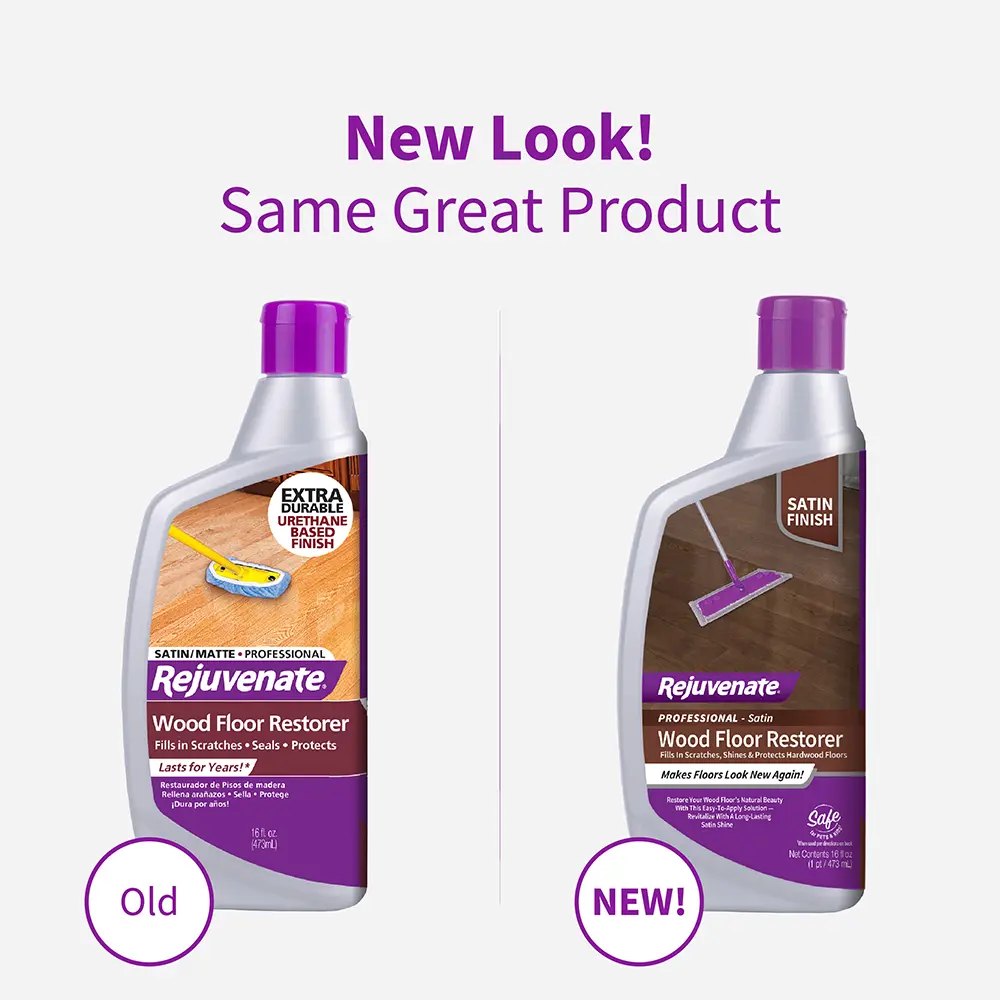
| Rejuvenate No-Bucket Floor Cleaner | Yes | Low | Mild |
| Pine-Sol | No | Moderate | Strong |
Stick with certified hardwood floor cleaners that say “matte finish safe” on the label. Avoid anything with oils, waxes, or strong scents.
Routine Maintenance Beyond Cleaning
Keeping your matte finish floors beautiful isn’t only about cleaning. Prevention and simple habits make a big difference.
Protect High Traffic Areas
- Use area rugs at entrances and under dining tables.
- Place felt pads under all furniture legs.
- Ask family and guests to remove shoes, especially high heels or cleats.
Manage Pets And Kids
- Keep pet nails trimmed to avoid scratches.
- Clean up pet messes immediately to prevent stains or odors.
Control Humidity
Wood is sensitive to moisture and dryness. Use a humidifier in winter and a dehumidifier in summer to keep indoor humidity between 35–55%. This reduces the risk of cracks or swelling.
Avoid Common Hazards
- Don’t drag furniture—lift it.
- Don’t use tape or adhesives on the floor.
- Don’t let water from planters or pet bowls sit on the surface.
*Experience-based tip*: Even “waterproof” mats or rugs can trap moisture. Check under them regularly.
Credit: www.rejuvenatecleaning.com
Troubleshooting Common Matte Finish Floor Problems
Even with good habits, problems can come up. Here’s how to handle some of the most common issues.
Cloudy Or Hazy Spots
Caused by residue from cleaning products, hard water, or using too much cleaner.
Solution: Clean the spot with a slightly damp microfiber cloth and plain water. Buff dry. If haze persists, use a small amount of vinegar on the cloth—test first.
Scratches And Scuff Marks
Matte finish hides small scratches, but deep ones stand out.
Solution: For surface scuffs, gently rub with a tennis ball or a soft, dry cloth. For deeper scratches, use a color-matched hardwood floor repair pen.
Uneven Sheen (shiny Patches)
This happens when someone uses a regular wax or oil soap by mistake.
Solution: Remove the shiny spot by cleaning with a pH-neutral cleaner and microfiber pad. It may take a few tries to restore the matte look.
Water Damage
If boards are swollen or cupped, it means water has gotten under the finish.
Solution: Dry the area quickly and keep humidity stable. Call a flooring professional if the damage is severe.
*Beginner mistake*: Trying to sand or refinish a small area yourself. Matte finishes require special techniques to blend repairs.
Comparing Matte Vs. Glossy Floor Care
Is caring for matte finish really that different from glossy? Here’s a quick look:
| Feature | Matte Finish | Glossy Finish |
|---|---|---|
| Shows Dust & Scratches | Less visible | Very visible |
| Cleaner Sensitivity | High | Moderate |
| Spotting/Clouding Risk | High | Low |
| Hides Pet Hair | Better | Poorly |
| Slip Risk | Lower | Higher |
Matte floors are easier to live with day-to-day but demand more care in cleaning.
Choosing The Best Cleaning Products
With so many choices, picking the right cleaner can be overwhelming. Focus on these factors:
- PH-neutral formula: Essential for protecting your finish.
- No oils, waxes, or polish: These add shine and attract dirt.
- Non-abrasive: Check for “safe for matte finish” on the label.
- Low odor: Strong scents often mean harsh chemicals.
Read reviews and look for recommendations from flooring manufacturers or the National Wood Flooring Association. When in doubt, test a small area in a closet first.
Diy Cleaners: Are They Safe For Matte Hardwood?
Many people ask if homemade cleaners are okay for matte floors. The answer is: usually not. Most DIY recipes use vinegar or dish soap, which are too harsh or leave residue.
- Vinegar/water mix: Acidic, can dull or etch the finish.
- Dish soap: Leaves a film, especially in matte finishes.
- Baking soda: Only safe for small spot treatments.
If you want a DIY option, mix a few drops of gentle, pH-neutral baby shampoo with a gallon of water. Test first, and never use more than a damp mop.
When To Call A Professional
Sometimes, DIY cleaning isn’t enough. Call in a pro if:
- Your floors are sticky or streaky after cleaning.
- There are deep scratches, gouges, or water damage.
- You see large areas of finish wear or color loss.
Professional floor cleaning companies have tools and products designed for matte finishes. They can also refinish or recoat without adding unwanted shine.
Cost Of Cleaning And Maintenance
How much does it cost to keep your matte finish floors looking great? Here’s a rough breakdown:
| Item/Service | Frequency | Estimated Cost (USD) |
|---|---|---|
| pH-neutral cleaner | Monthly | $8–$12 |
| Microfiber mop/pads | Replace yearly | $20–$40 |
| Furniture pads | As needed | $10–$30 |
| Professional deep clean | Yearly | $150–$300 |
Investing in the right products up front saves money on repairs and keeps your floors looking new.

Credit: homeimprovementexpress.wordpress.com
Green And Eco-friendly Cleaning Options
If you want to be gentle on the planet as well as your floors, choose:
- Biodegradable, plant-based cleaners: Brands like Bona or Method offer these.
- Reusable microfiber pads: Wash and reuse instead of disposable pads.
- Low-VOC products: Reduces indoor air pollution.
Avoid strong-smelling, solvent-based cleaners. They’re not necessary for matte finishes and can be bad for health.
For more about eco-friendly cleaning, see the EPA’s Safer Choice program.
Essential Do’s And Don’ts For Matte Finish Hardwood Floors
Sticking to these simple rules prevents most problems:
Do’s:
- Do use a soft-bristle broom or vacuum with a hardwood setting.
- Do clean spills right away.
- Do use pH-neutral, matte-safe cleaners.
- Do dry the floor after mopping.
Don’ts:
- Don’t use steam mops, vinegar, or abrasive cleaners.
- Don’t let water stand on the floor.
- Don’t use wax or oil soaps.
- Don’t drag furniture.
*Final tip*: Always check your floor manufacturer’s cleaning guide. Some matte floors have special coatings that need unique care.

Credit: www.youtube.com
Frequently Asked Questions
How Often Should I Clean My Matte Finish Hardwood Floors?
For best results, dry dust or sweep your floors daily or every other day, especially in high-traffic areas. Damp mop once a week with a pH-neutral cleaner. Deep clean every 2–3 months, or more often if your home is busy with pets or kids.
Can I Use Vinegar To Clean Matte Finish Hardwood Floors?
No, you should not use vinegar. Vinegar is acidic and can dull or damage the protective matte finish. Always use a pH-neutral cleaner labeled safe for hardwood and matte finishes.
What Is The Best Mop For Matte Finish Hardwood Floors?
A high-quality microfiber mop is best. It’s gentle, doesn’t scratch, and works well with both dry and damp cleaning. Avoid string mops, sponge mops, or anything that leaves a lot of water behind.
Why Does My Matte Hardwood Look Streaky Or Cloudy After Cleaning?
This often happens when using too much cleaner, the wrong type of cleaner, or hard water. To fix it, clean the area with a barely damp microfiber cloth and plain water, then buff dry. Switch to a pH-neutral, residue-free cleaner for future cleanings.
Can I Restore The Matte Look If Shiny Patches Appear?
Yes, but it may take a few tries. Clean the shiny spots with a microfiber cloth and a pH-neutral cleaner. Avoid using any wax or oil-based products in the future, as these cause uneven sheen. If the problem continues, consult a professional for advice on re-coating.
—
Matte finish hardwood floors bring understated beauty and warmth to any home. With the right tools, gentle products, and a few smart habits, you can keep your floors looking flawless for years. Remember, less is more—simple, regular care is the secret to lasting elegance.