
When your gas stove igniter stops sparking after a cleaning session, it can be more than just annoying—it can disrupt your daily cooking routine. Many people expect their stove to work even better after cleaning, not worse. If you find yourself clicking the knob and hearing nothing, you might wonder if you did something wrong or if the stove is broken. The good news is, this problem is usually fixable with a little troubleshooting. Knowing the right steps can save you time, money, and frustration.
Let’s look closely at why a gas stove igniter might stop working after cleaning, what you can do about it, and how to avoid common mistakes. This guide is for anyone who wants to understand their gas stove better, solve the issue safely, and prevent future problems.
How A Gas Stove Igniter Works
Understanding how your gas stove igniter works is the first step. Most modern gas stoves use an electric igniter to light the burner. When you turn the knob, electricity creates a small spark at the burner head, igniting the gas.
There are two main types:
- Spark Ignition: When you turn the knob, a spark jumps between two points, lighting the gas.
- Hot Surface Ignition: An electric element heats up and lights the gas.
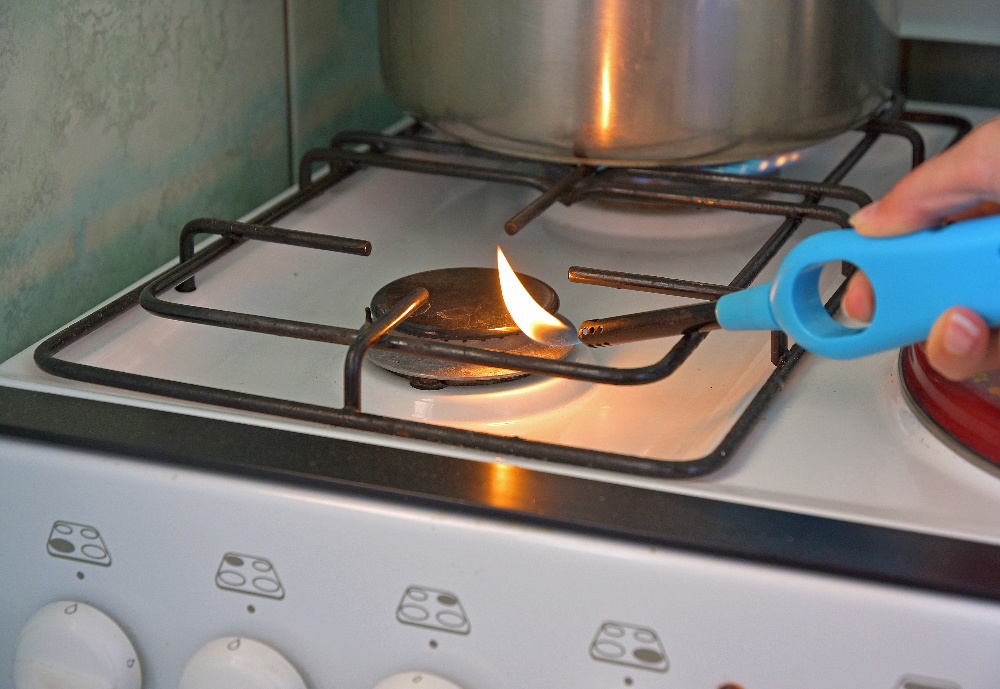
Most home stoves use the spark type. You can recognize it by the visible, clicking spark.
Key parts involved:
- Igniter electrode: The small, white or metal tip where the spark appears.
- Ignition switch: Inside the knob; sends power when you turn it.
- Spark module: Generates the electric spark.
- Wiring: Connects everything.
If any of these parts fail, the igniter may not spark.
Common Reasons Igniter Stops Sparking After Cleaning
It’s common for a gas stove igniter to stop working right after cleaning. Here’s why:
1. Moisture In The Igniter
Water from cleaning can seep into the igniter or wiring. Even a small amount can block the spark or cause a short.
2. Residue Or Cleaning Chemicals
Cleaning products or grease can coat the igniter tip or burner parts, preventing a clean spark.
3. Loose Parts
Removing burner heads or caps for cleaning can result in improper reassembly. If parts aren’t seated correctly, the spark won’t reach the gas.
4. Disconnected Or Damaged Wiring
Pulling or moving parts during cleaning can disconnect or damage wires.
5. Broken Igniter Electrode
The igniter tip is fragile. A hit or drop during cleaning can crack or break it.
6. Control Knob Issues
Sometimes, knobs are reinstalled incorrectly or get wet, blocking the switch.
Non-obvious insight: Many people don’t realize even a few drops of water left under the burner cap can stop the spark until the moisture completely dries.
First Steps: Quick Checks
Before you call a technician, try these simple steps. Most problems after cleaning are minor and easy to fix.
- Wait and Air Dry: If you used water, let the stove air dry for several hours. You can speed this by aiming a fan at the burners.
- Check Burner Cap Placement: Make sure the burner caps are centered and level. Even a slight misalignment can block the spark.
- Wipe the Igniter Tip: Use a dry paper towel to gently clean the igniter tip. Make sure no grease or cleaner residue remains.
- Listen for the Click: When you turn the knob, does it make the usual clicking sound? If not, the problem may be electrical.
- Try Other Burners: If only one igniter is silent, the issue is local. If all are quiet, it’s likely a power, wiring, or switch issue.
Example: After cleaning, you notice only the front right burner isn’t working. You check and find the burner cap was not seated correctly. Once you adjust it, the igniter sparks again.
In-depth Troubleshooting Steps
If the quick checks don’t work, use these steps to find the exact problem.
1. Fully Dry The Stove
- Remove all burner heads and caps.
- Let them air dry for 2–3 hours.
- Use a hair dryer on low heat (not too close) to speed drying.
- Pay special attention to the igniter tip and the area under burner caps.
Expert tip: Even if parts look dry, hidden moisture can remain. Never rush this step.
2. Inspect The Igniter Electrode
- Look for cracks, chips, or black spots on the white ceramic tip.
- If damaged, the igniter may need replacement.
- Gently clean the tip with a cotton swab and a little rubbing alcohol. Avoid pressing hard.
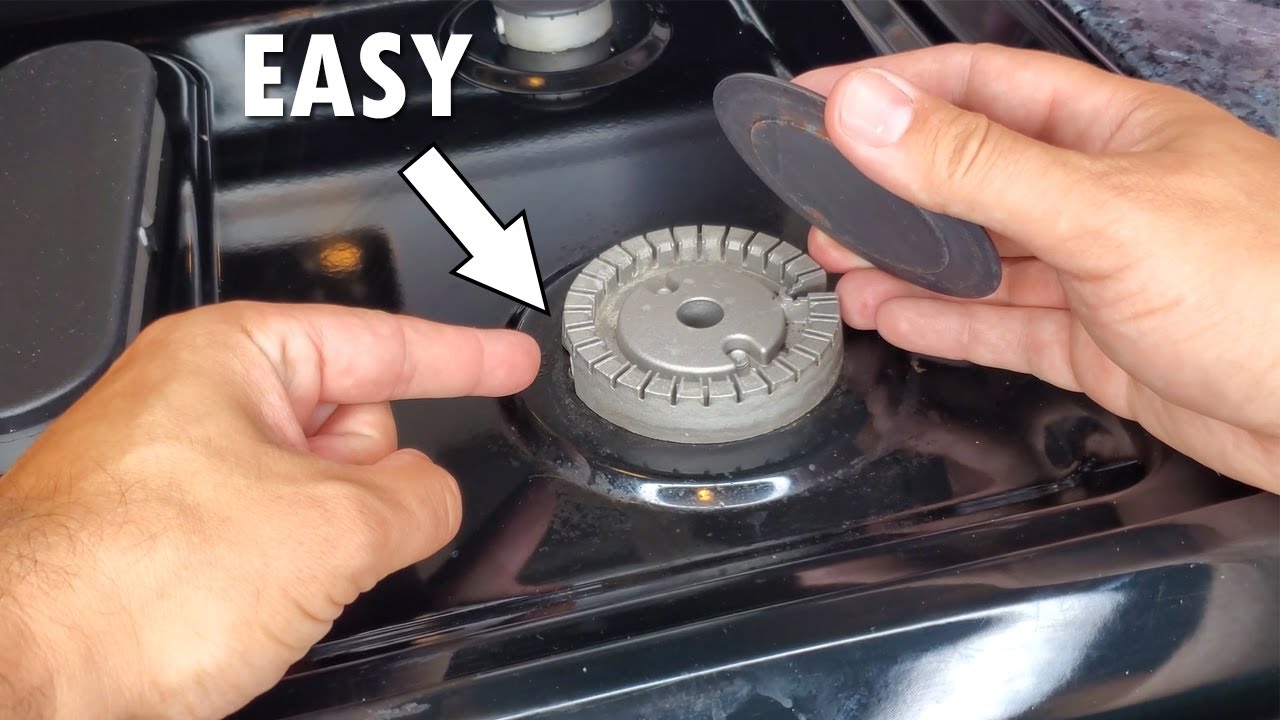
3. Check For Proper Burner Assembly
- Reassemble the burner exactly as shown in the manual. Parts must line up.
- The burner cap should sit flat, not wobble.
4. Test For Power
- Make sure the stove is plugged in.
- If you have a control panel, check if it lights up.
- Try another electric device in the same outlet to confirm it works.
5. Listen And Look For The Spark
- Turn the knob to ‘ignite’ and watch the igniter tip.
- If you see a spark but no flame, the gas may be off.
- If you hear no click or see no spark, focus on the electrical side.
6. Check All Burners
- If all igniters fail, the issue is probably with power supply, the main switch, or the spark module.
7. Inspect Knobs And Switches
- Remove the knob and check for moisture or corrosion.
- Dry it and the switch shaft with a paper towel.
8. Look For Loose Or Disconnected Wires
- Only attempt this if you are comfortable. Unplug the stove first.
- Remove the burner top or access panel.
- Look for loose, disconnected, or damaged wires near the igniter.
9. Look For Error Codes (if Digital Display)
- Some stoves display error codes if a part fails.
- Check your manual for what the codes mean.
Credit: www.youtube.com
Common Mistakes To Avoid
Many people make mistakes when fixing a gas stove igniter. Avoid these to stay safe and avoid new problems.
- Using the Stove While Wet: Trying to light burners before everything is dry can cause electrical shorts.
- Forcing Parts: Never force burner caps or igniter tips into place. They are fragile.
- Skipping the Manual: Always check your stove’s manual for the correct assembly.
- Using Harsh Cleaners: Avoid bleach or strong chemicals on igniter parts.
- Touching Igniter with Metal Tools: This can break the tip or create a dangerous spark.
- Ignoring Safety: Always unplug the stove before inspecting electrical components.
When To Replace Parts
Sometimes, cleaning or drying isn’t enough. Here’s when you may need to replace a part.
Igniter Electrode
Replace if:
- The ceramic is cracked or chipped.
- It’s blackened or burned.
- Cleaning and drying don’t help.
Ignition Switch
Replace if:
- The knob feels loose or doesn’t click.
- Only one burner fails and the igniter itself is fine.
Spark Module
Replace if:
- No burners spark, but the stove has power.
- You hear no clicking from any knob.
Wiring
Replace if:
- Wires are visibly damaged, burned, or disconnected.
- Moving the wire makes the igniter work briefly.
Non-obvious insight: Sometimes, a failing igniter works only when the stove is completely dry, but stops again when there’s humidity. This can be an early warning sign.

Credit: www.youtube.com
How To Replace A Gas Stove Igniter
If you need to replace the igniter electrode, here is a general guide. Always check your model’s manual first.
- Unplug the Stove: Never work on electrical parts with power connected.
- Remove Burner Parts: Take off the burner cap, head, and pan.
- Access the Igniter: Usually, you must remove a few screws.
- Disconnect Old Igniter: Carefully unplug the wire from the back of the igniter.
- Install New Igniter: Connect the wire to the new igniter, making sure it’s secure.
- Reassemble the Burner: Put everything back as it was.
- Test the Igniter: Plug the stove back in and test.
Tip: Take a photo before removing parts so you remember how to reassemble them.
Table: Troubleshooting Steps And What They Fix
Here’s a quick guide to which troubleshooting step may solve your issue.
| Step | What It Fixes | Time Needed |
|---|---|---|
| Drying | Moisture in igniter or wiring | 2-3 hours |
| Cleaning tip | Residue or grease on igniter | 5 minutes |
| Re-seating burner cap | Misaligned burner | 2 minutes |
| Inspecting wires | Loose or damaged wiring | 10-20 minutes |
| Replacing igniter | Cracked/broken igniter | 30-60 minutes |
Credit: blog.puls.com
How To Clean A Gas Stove Without Causing Igniter Problems
Prevention is the best solution. Here’s how to clean your stove and avoid igniter issues.
- Turn Off Power: Unplug the stove or turn off the circuit breaker.
- Remove Parts Gently: Lift off burner caps and heads carefully.
- Use Minimal Water: Use a damp cloth, not a wet sponge, near the igniter.
- Avoid Spraying Directly: Spray cleaner onto a cloth, not onto the stove.
- Dry Immediately: Wipe all parts dry right after cleaning.
- Clean Igniter with Alcohol: Use a cotton swab and rubbing alcohol for the igniter tip only.
- Check Assembly: Make sure all parts are dry and in place before plugging the stove back in.
Practical example: You clean your stove with a damp cloth, use a cotton swab for the igniter, and let everything dry for 30 minutes. The stove lights perfectly after.
Comparison: Spark Ignition Vs. Hot Surface Ignition
Some stoves use different types of ignition. Here’s how they compare:
| Feature | Spark Ignition | Hot Surface Ignition |
|---|---|---|
| How it works | Electric spark lights gas | Heated element lights gas |
| Common in | Most home stoves | Some ovens, high-end stoves |
| Typical problems | Moisture, residue, wiring | Element failure, wiring |
| Visible spark | Yes | No |
Tip: If your stove has no visible spark, check your manual. It may use a hot surface igniter.
Signs That You Need Professional Help
Not all stove problems can be fixed at home. Call a professional if you notice:
- Strong gas smell: This can be dangerous. Turn off the stove and ventilate the area.
- No power at all: If the stove won’t turn on and the outlet works, it could be an internal problem.
- Repeated failures: If igniters keep failing, there may be a deeper issue.
- Complex wiring: If you’re unsure about handling wires, don’t risk it.
Data point: According to the National Fire Protection Association, about 44% of home structure fires involving cooking equipment are caused by user error or faulty equipment. Safety should always come first.
Table: Common Igniter Problems And Solutions
This table summarizes common issues and what usually fixes them.
| Problem | Likely Cause | Suggested Fix |
|---|---|---|
| No spark, just after cleaning | Moisture, misaligned parts | Dry thoroughly, check assembly |
| Sparks but no flame | No gas flow, blocked burner | Check gas supply, clean burner |
| Clicking won’t stop | Wet igniter or switch | Dry igniter and knob area |
| One burner not working | Broken igniter or switch | Replace igniter/switch |
| Multiple burners not working | Spark module or power issue | Check power, replace module |
Practical Tips For Long-term Stove Health
To keep your gas stove igniter working well:
- Clean regularly, but avoid water near electrical parts.
- Inspect igniters monthly for signs of wear.
- Replace worn parts as soon as you notice issues.
- Keep the area dry, especially after cooking or cleaning.
- Use the correct cleaner—mild soap, not harsh chemicals.
Non-obvious tip: If you cook a lot with oil, sticky residue can build up on igniter tips. Wipe them with alcohol every few weeks to maintain a strong spark.
Preventative Maintenance Checklist
Follow this simple routine every month:
- Check that all burner caps are seated correctly.
- Inspect igniter tips for residue or cracks.
- Test each burner’s ignition.
- Wipe around igniters with alcohol.
- Make sure knobs are dry and tight.
- Listen for clicking sound on each burner.
- Unplug and clean behind the stove (dust can cause electrical problems).
What To Do If Igniter Still Won’t Spark
If you’ve tried all the above steps and your gas stove igniter still doesn’t spark, consider these actions:
- Double-check assembly: Make sure nothing is out of place.
- Test with another outlet: Rare, but sometimes the outlet is faulty.
- Order replacement parts: Igniters, switches, or spark modules are usually available online.
- Call for service: If you feel uncomfortable with electrical work, call a qualified technician.
External resource: For more technical details, you can read about gas stove ignition systems on Wikipedia.
How To Safely Handle Gas Appliances
Working with gas requires care. Here’s how to stay safe:
- Turn off gas supply before any deep cleaning or repairs.
- Ventilate the kitchen if you smell gas.
- Never use open flames to check for gas leaks.
- Use only manufacturer-approved parts for replacements.
- Wear gloves when handling electrical or metal components.
Frequently Asked Questions
Why Does My Igniter Click But Not Spark After Cleaning?
This usually means moisture or residue is blocking the spark. Make sure the igniter and surrounding area are completely dry and free of cleaning chemicals or grease. If the problem continues, check for damage or misaligned parts.
How Long Should I Wait For The Igniter To Dry?
Let the igniter dry for 2–3 hours after cleaning, longer if you used a lot of water. Using a fan or hair dryer (on low heat) can help speed up the process, but patience is important to avoid damage.
Can I Use Any Cleaner On The Stove Igniter?
No. Use mild soap and water, and for the igniter tip, only a small amount of rubbing alcohol. Strong chemicals can damage the ceramic or metal parts, leading to more problems.
Is It Safe To Fix Igniter Wiring Myself?
Only if you’re confident with electrical repairs and always unplug the stove before starting. If you’re unsure, it’s safer to call a professional. Gas and electricity are a dangerous mix if handled incorrectly.
Why Do Only Some Burners Stop Working After Cleaning?
Often, this is due to misaligned burner caps or local moisture around specific igniters. Check each burner’s assembly and make sure all are dry and clean. If one igniter is physically damaged, it may need to be replaced.
Proper care and a step-by-step approach can solve most gas stove igniter problems after cleaning. With these tips, you’ll be able to cook safely and confidently—and avoid unnecessary service calls. Remember, when in doubt, safety comes first.