
Clay pot cooking is an ancient tradition that has survived the test of time. Across continents and cultures, people have used clay cookware for thousands of years to prepare daily meals and special dishes. Today, many home cooks and chefs are rediscovering the unique advantages of cooking with clay pots. If you want food that tastes amazing and is better for your health, understanding the benefits of clay pot cooking can completely change your approach in the kitchen.
In this article, you’ll learn why clay pots are cherished by culinary experts, what makes them different from metal or nonstick pans, and how they can transform both the flavor and nutrition of your meals. You’ll also see how clay pot cooking is a natural, eco-friendly choice that fits modern lifestyles.
Whether you’re new to this method or considering adding a clay pot to your kitchen, you’ll find practical advice, surprising insights, and real-world examples that go beyond the basics.
The Science Behind Clay Pot Cooking
Clay pots are made from natural, unglazed earthenware. This material has a porous surface, which means it can absorb and slowly release moisture during cooking. When food cooks in a clay pot, steam forms inside and circulates gently, keeping dishes tender and full of flavor.
Unlike metal or glass, clay pots heat up gradually and cook food evenly. Because clay is a poor conductor of heat, there are fewer hot spots that can burn or overcook your meal. Instead, the heat spreads gently, which is perfect for simmering, braising, and slow-cooked recipes.
One non-obvious advantage: the minerals in clay, such as iron, magnesium, and calcium, can leach in small, safe amounts into your food, especially when using unglazed pots. This adds trace nutrients to your dishes—something you don’t get from stainless steel or Teflon pans.
Enhanced Flavor And Aroma
If you’ve ever tasted a biryani from an Indian handi or a Moroccan tagine, you know that food cooked in clay pots has a special, rich flavor. The porous walls of clay cookware allow moisture and aroma to stay locked in, intensifying the taste of your ingredients.
Here’s why flavor improves:
- The slow release of steam keeps herbs and spices from evaporating quickly.
- Natural condensation returns flavorful juices back into the food.
- Meats become more tender, and vegetables keep their shape and sweetness.
Experienced clay pot users often mention that even simple dishes like beans or rice have a deeper, earthier taste. The clay itself can develop a seasoning over time, making your meals even more delicious as you continue to use the same pot.
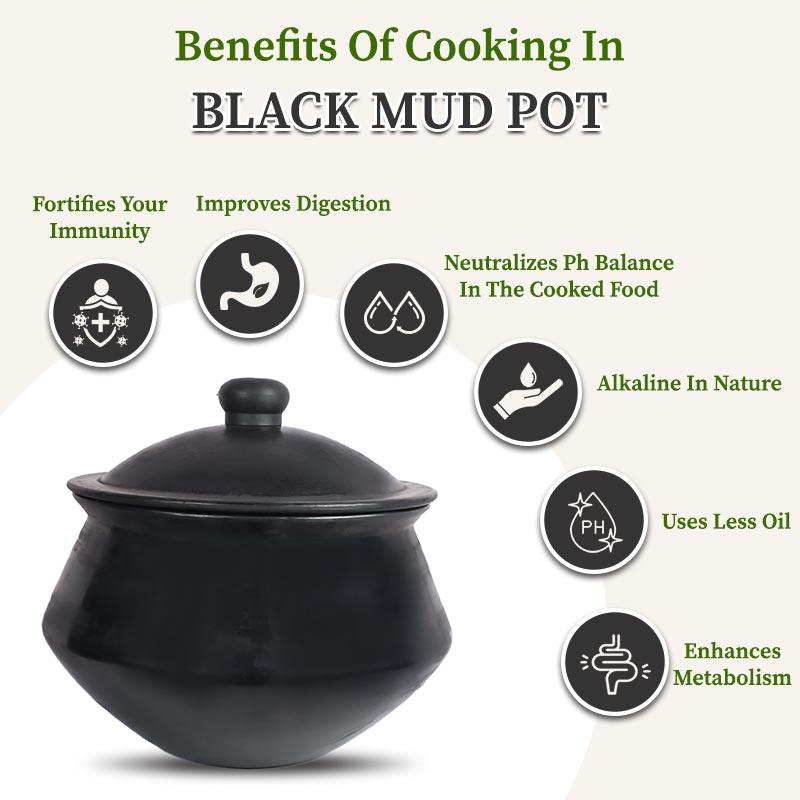
Credit: www.organicgyaan.com
Health Benefits Of Clay Pot Cooking
Many people switch to clay pots for their health advantages. Unlike some modern cookware that can release harmful chemicals, high-quality clay pots are free from artificial coatings, heavy metals, and plastics. Here’s what sets them apart for healthy cooking:
- No Toxic Fumes or Leaching: Nonstick pans can emit toxins at high temperatures, and some metal cookware may leach nickel or aluminum. Pure clay pots do not have these risks if made from certified food-safe clay.
- Less Oil Needed: The natural steaming effect means you can use less oil or fat. This is ideal if you’re aiming for lighter, healthier meals.
- Preserves Nutrients: Gentle, even heating helps retain vitamins and minerals that can be lost with fast, high-heat cooking.
- Natural Alkalinity: Clay is slightly alkaline, which can balance acidity in foods. This may help with digestion and reduce the sourness of tomato-based dishes.
A non-obvious tip: if you’re trying to avoid salt, clay pots can help. Because they intensify flavors, you may find you don’t need as much salt or seasoning to make your food taste good.
Superior Moisture Retention
Dry, overcooked food is a common problem with metal pans. Clay pots solve this by trapping steam and releasing it slowly, which keeps dishes moist and juicy. Meats braised in clay rarely turn out tough, and grains like rice or quinoa are fluffier and less likely to stick.
Here’s a simple comparison of how different cookware affects moisture retention:
| Cookware Type | Moisture Loss (%) | Texture of Food |
|---|---|---|
| Clay Pot | 10-20 | Moist, tender |
| Stainless Steel | 30-40 | Often dry |
| Glass | 25-35 | Moderate |
The numbers above are based on home cooking tests. While exact results will vary, clay pots almost always help keep your food moist.
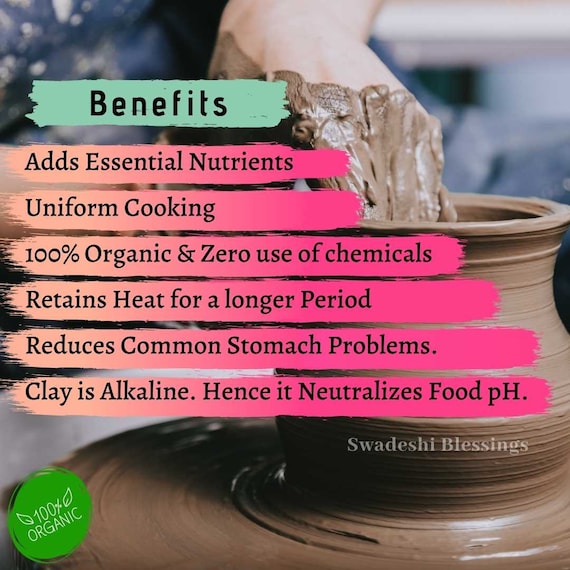
Credit: www.etsy.com
Energy Efficiency And Eco-friendliness
Cooking with clay pots is not only good for your food—it’s also better for the environment. Clay pots retain heat for a long time, so you can often cook at lower temperatures and save energy.
Key eco-friendly benefits include:
- Lower energy use: Once a clay pot is hot, it stays hot. You can often turn down the heat or switch off your stove before the dish is finished, letting residual heat do the work.
- Natural materials: Clay is renewable and biodegradable, unlike plastic or nonstick coatings.
- No chemical waste: Clay pots don’t need special cleaners or harsh chemicals.
A practical example: After simmering a stew for 40 minutes, you can turn off the stove and let the pot finish cooking with its own heat. This is especially helpful if you’re cooking large batches or want to save on gas or electricity.
Versatility In Cooking Styles
Clay pots are not just for stews. They’re used worldwide for baking bread, roasting meats, steaming vegetables, and even making desserts. Here are some popular dishes and cooking styles:
- Bread Baking: Artisan sourdough and rustic loaves develop a crisp crust and moist crumb in a clay baker.
- Rice and Pilaf: Clay pots are famous for fluffy, fragrant rice (like Persian tahdig or Spanish arroz).
- Tagines and Curries: Slow-cooked meals develop complex flavors without burning.
- Soups and Beans: Legumes become creamy without splitting.
You can use clay pots in ovens, on stovetops, or even over open fires, depending on the type. This flexibility means you don’t need as many different pans in your kitchen.
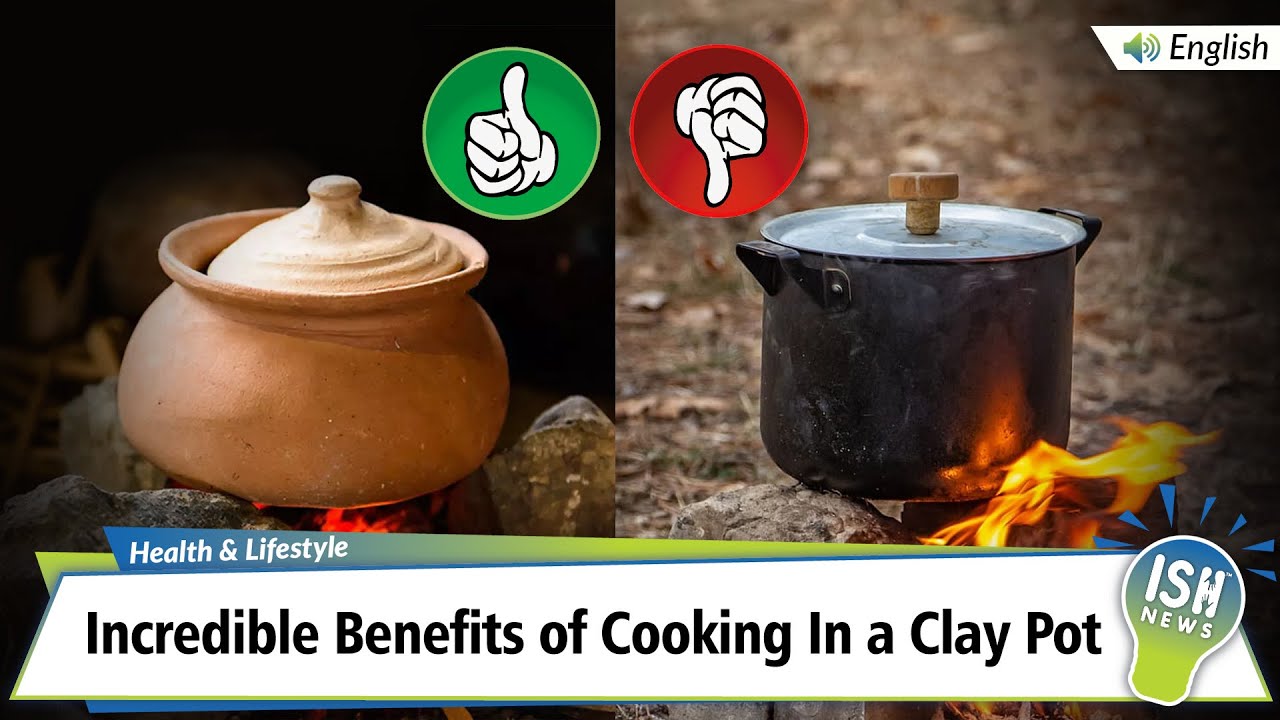
Credit: www.youtube.com
Traditional And Cultural Value
Clay pot cooking is more than just a technique—it’s a connection to tradition. In many cultures, recipes are handed down through generations, always made in the same type of clay pot. For example:
- In Mexico, cazuelas are used for beans and moles.
- In Ethiopia, the jebena is used for brewing coffee.
- In China, clay pots are essential for Cantonese claypot rice.
- In Morocco, the tagine is both a pot and the name of the dish.
Cooking in clay often becomes a family ritual, with each pot developing its own history and flavor over time. This sense of tradition adds meaning and enjoyment to everyday meals.
Comparison: Clay Pots Vs. Other Cookware
Let’s see how clay pots compare to the most common modern cookware:
| Feature | Clay Pot | Nonstick Pan | Stainless Steel | Cast Iron |
|---|---|---|---|---|
| Flavor retention | Excellent | Good | Fair | Good |
| Moisture retention | High | Medium | Low | Medium |
| Heat distribution | Gentle, even | Quick, uneven | Quick, uneven | Slow, even |
| Health risks | None (if unglazed) | Possible (PTFE, PFOA) | Possible (nickel, chromium) | None (if seasoned) |
| Cleaning | Hand wash only | Easy | Dishwasher safe | Hand wash, maintain seasoning |
As you can see, clay pots offer unique advantages, especially for flavor, moisture, and health.
Practical Tips For Using Clay Pots
Switching to clay pot cooking is easy, but there are a few tips to get the best results and avoid common mistakes:
- Season Your Pot: Most new clay pots need to be soaked in water for several hours before first use. Some also recommend rubbing the inside with a little oil.
- Gradual Heating: Never place a cold clay pot on a hot burner. Start with low heat and increase slowly to prevent cracking.
- Avoid Sudden Temperature Changes: Don’t add cold ingredients to a hot pot, or move a hot pot onto a cold surface.
- Use Wooden or Silicone Utensils: Metal can scratch or chip your pot.
- Hand Wash Only: Soap is usually not needed. Use a stiff brush and water. Avoid dishwashers, which can damage the clay.
- Let Pots Dry Completely: Store with the lid off to prevent mold or odors.
A non-obvious insight: Over time, your pot will develop a natural patina that makes food taste better and helps prevent sticking. Don’t try to scrub this away—it’s part of the seasoning.
Common Mistakes To Avoid
Even experienced cooks can make errors with clay pots. Here are some pitfalls and how to avoid them:
- Overheating: Clay pots can crack if exposed to too much heat too quickly. Always start slow.
- Not Enough Liquid: Remember, clay absorbs moisture. Add a little extra water or broth to your recipes.
- Using on High Heat: These pots are for low and medium heat. High heat can burn the food and damage the pot.
- Not Soaking Before Use: If your recipe cooks for a long time, soak the pot before starting to help it release steam.
- Glazed vs. Unglazed Confusion: Some glazed pots may contain lead or cadmium. Always buy from trusted brands and check for food safety certification.
Cleaning And Maintenance
Taking care of your clay pot will help it last for years. Unlike metal or glass, clay pots need a bit of extra attention:
- Wash with Warm Water: After each use, let the pot cool, then wash with warm water and a brush. Avoid harsh soap.
- Remove Stubborn Stains: Use a paste of baking soda and water, scrub gently, and rinse well.
- Dry Thoroughly: Always air dry your pot upside down with the lid off.
- Avoid Strong Flavors: Clay can absorb odors. If you cook something very spicy or garlicky, rinse well and dry in sunlight if possible.
- No Dishwasher: The high temperatures and detergents can weaken and crack the clay.
A practical tip: If your pot develops a musty smell, fill it with water and a few tablespoons of vinegar. Let it soak overnight, rinse, and sun dry.
Economic Value And Lifespan
While some clay pots may seem expensive at first, they last for many years with proper care. Because they’re so versatile, you may find you need fewer pans and pots overall.
- Initial cost: $20–$100, depending on size and craftsmanship.
- Average lifespan: 5–10 years or more, if not dropped or mishandled.
Compared to nonstick pans that often need replacing every 2–3 years, clay pots can save you money in the long run.
Here’s a quick comparison of typical cookware lifespans:
| Cookware | Average Lifespan (years) | Replacement Frequency |
|---|---|---|
| Clay Pot | 7-10 | Low |
| Nonstick Pan | 2-3 | High |
| Stainless Steel | 10-15 | Low |
| Cast Iron | 20+ | Very low |
Environmental Impact
With increasing awareness about eco-friendly living, clay pots are a great choice for reducing your kitchen’s environmental footprint. Because they’re made from natural clay and don’t require synthetic coatings or industrial processes, their production is less harmful.
Another eco-friendly aspect is that broken clay pots can return to the earth without polluting water or soil. Unlike nonstick pans or plastic cookware, you don’t have to worry about microplastics or toxic waste.
For more on the environmental benefits of clay cookware, visit this Wikipedia page.
Who Should Use Clay Pots?
Clay pot cooking isn’t just for traditional or gourmet chefs. It’s a smart choice for:
- Health-conscious families who want to avoid chemicals and eat nutritious, flavorful food.
- Home bakers looking for perfect bread crusts.
- Busy parents—because clay pots make one-pot meals easy and keep food warm for hours.
- Eco-friendly cooks who want sustainable kitchen tools.
- Anyone with a taste for global cuisine—from Asian rice dishes to Mediterranean stews.
A less obvious group: people living in places with unreliable electricity or gas. Clay pots hold heat well, so you can use them over a wood fire or let them finish cooking with stored heat if power fails.
What To Look For When Buying A Clay Pot
Not all clay pots are the same. Here’s what matters:
- Food-grade certification: Always choose pots labeled food-safe and free from harmful glazes.
- Type of clay: Unglazed pots made from pure red or black clay are best for flavor and health.
- Size and shape: Pick a pot that fits your cooking needs—round for stews, oval for bread, deep for rice.
- Lid fit: A well-fitting lid keeps moisture in.
- Origin: Pots from regions with a long history of clay cookware (like Morocco, Spain, Mexico) are often more reliable.
Avoid cheap, decorative pots not meant for cooking. They may contain unsafe glazes or crack easily.
Using Clay Pots In Modern Kitchens
With induction stoves, microwaves, and convection ovens, some people worry that clay pots are outdated. In fact, most clay pots can be used in both traditional and modern kitchens:
- On gas and electric stovetops: Use a heat diffuser for extra protection.
- In regular ovens: Perfect for casseroles, bread, and roasts.
- On open flames: Ideal for camping or outdoor cooking (check manufacturer instructions).
- Not for microwaves: Clay pots are not microwave-safe.
If you’re worried about the learning curve, start with simple recipes like rice or soup to get comfortable with the process.
Clay Pot Cooking In Different Cuisines
Clay pots are part of many global cuisines. Here are some examples:
- India: “Handi” biryani and curries cooked slowly for deep flavor.
- Morocco: Tagines made with lamb, chicken, or vegetables, simmered with spices.
- China: Claypot rice with meats and vegetables, cooked over charcoal.
- Spain: Cazuelas for paella, beans, and seafood.
- Ethiopia: Wat stews in black clay pots.
- Mexico: Frijoles de la olla (beans) and moles in red clay.
Each of these cultures values the unique taste and texture that only a clay pot can provide.
The Ritual Of Cooking With Clay
Cooking in clay can become a calming, almost meditative experience. Because clay pots work best with slow, gentle heat, you’re encouraged to take your time, pay attention, and enjoy the process.
Many home cooks find that using a clay pot makes them more mindful of their ingredients and the rhythms of cooking. This “ritual” aspect is a big reason why clay pots have stayed popular for centuries.
Why Clay Pot Cooking Is Making A Comeback
Despite all the modern cookware options, clay pots are enjoying a resurgence. Here’s why:
- Health trends: More people want to avoid processed foods and chemicals.
- Interest in world cuisines: Dishes like tagine, biryani, and paella are more popular than ever.
- Sustainability: Eco-friendly choices matter to today’s cooks.
- Unique results: No other cookware creates the same flavors and textures.
Food blogs and TV chefs are helping to spread the word, but the real reason clay pots are back is simple: the results are delicious, and the process is satisfying.
Frequently Asked Questions
What Types Of Food Are Best Cooked In Clay Pots?
Clay pots excel with slow-cooked dishes like stews, soups, beans, curries, and braised meats. They’re also great for baking bread and cooking rice. Foods that need gentle, even heat and moisture retention benefit most from clay pot cooking.
How Do I Prevent My Clay Pot From Cracking?
Always start with low heat and increase gradually. Avoid placing a hot clay pot on a cold surface or adding cold ingredients to a hot pot. Soak your pot in water before use if the recipe cooks for a long time. Handle with care, as clay is more fragile than metal.
Are Clay Pots Safe For Everyday Cooking?
Yes, as long as you use food-grade, lead-free pots. Avoid decorative or glazed pots not labeled for cooking. Properly made clay pots are safe, natural, and often healthier than many modern alternatives.
How Do I Clean And Maintain My Clay Pot?
Wash your pot by hand with warm water and a stiff brush. Avoid harsh soaps or dishwashers. Dry thoroughly before storing, and store with the lid off to prevent odors. If needed, use a baking soda paste for stains.
Can I Use A Clay Pot On A Glass Or Induction Stove?
Clay pots are generally not suitable for induction cooktops since they lack a magnetic base. On glass stoves, use a heat diffuser and increase heat slowly to prevent cracks. Always check the manufacturer’s instructions for compatibility.
Clay pot cooking is more than just a trend—it’s a healthy, sustainable, and flavorful way to bring tradition and taste into your kitchen. Whether you’re making a rustic loaf of bread or a spicy stew, a clay pot can make the ordinary extraordinary.
Try it once, and you may never want to cook any other way.